An Ancient Saharan Sprinter With a Unique Health Profile
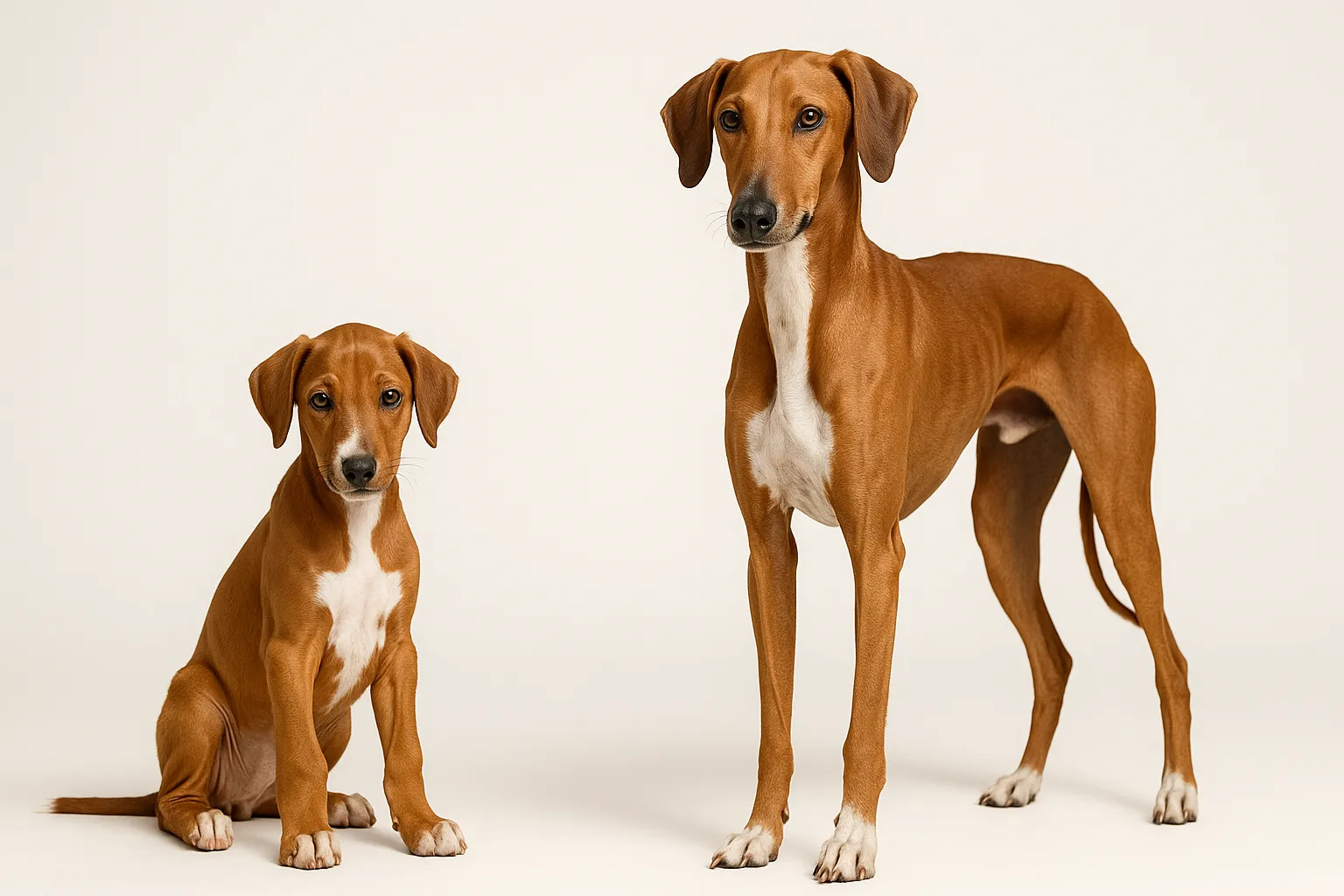
For thousands of years, Tuareg and other Sahelian nomadic peoples relied on Azawakhs to course gazelle across the blistering terrain south of the Sahara. These dogs are lean, upright, long-limbed, and profoundly fast — built for explosive pursuit in extreme heat. Their 12-15 year lifespan is reasonable for a medium sighthound, but their health needs are unlike almost any other breed in your veterinarian’s practice.
The three priorities that define Azawakh health care: epilepsy (documented at elevated rates), cardiac disease including dilated cardiomyopathy in some lines, and the sighthound-specific requirement for modified anesthesia protocols. That last one is not optional. Standard anesthetic drugs that work fine in other breeds can cause dangerous complications in sighthounds.
The Health Landscape for This Breed
Epilepsy
Epilepsy occurs in Azawakhs at above-average rates. Any dog with two or more unprovoked seizures requires a thorough diagnostic workup. Idiopathic epilepsy is managed with phenobarbital or potassium bromide, with regular monitoring of drug levels and liver function every 6 months. The Azawakh Association of America tracks epilepsy prevalence to support ongoing breed research.
See the Epilepsy guide for full prevention and management detail.
Cardiac Disease: A Quiet Threat in a Lean Breed
Dilated cardiomyopathy (DCM) has been documented in some Azawakh lines. Annual cardiac auscultation and echocardiography every 2 years from age 4 provide monitoring. Early detection allows earlier medical management to slow progression. Because the Azawakh carries so little body fat, changes in body condition can be an early indicator of cardiac compromise — a subtle weight loss in a dog that is already lean warrants cardiac investigation.
See the Cardiac Disease guide for full prevention and management detail.
Bloat (GDV): The Deep-Chest Risk
Azawakhs share the deep, narrow chest conformation common to sighthounds that increases GDV risk. Feed two smaller meals daily, use a raised slow feeder, and restrict vigorous exercise for one hour after meals. Signs of GDV — unproductive retching, severe abdominal distension, sudden restlessness — warrant immediate emergency care. This is a condition where minutes matter.
See the Bloat (GDV) guide for full prevention and management detail.
Strategies With Research Support
The Anesthesia Conversation You Must Have Before Any Procedure
The Azawakh’s minimal body fat and unique hepatic enzyme profile significantly alter how they metabolize barbiturates. Standard thiopental or methohexital doses used in other breeds can cause prolonged or complicated recovery. Before any anesthetic procedure, confirm with your veterinarian that your Azawakh will receive a sighthound-modified protocol: propofol or alfaxalone for induction, isoflurane or sevoflurane for maintenance, careful temperature monitoring, and extended recovery observation.
This is not a preference. Anesthesia deaths in sighthounds from inappropriate protocols are preventable tragedies.
A Dog That Bonds Deep and Trusts Slowly
Azawakhs are culturally distinct from European sighthounds. Their traditional role as both hunting companions and tent dogs means they form intense bonds with their family but remain reserved or aloof toward strangers. This is different from Greyhounds, which have been socialized to human strangers through racing environments. Early, broad socialization is essential. An inadequately socialized Azawakh can develop wariness intense enough to limit quality of life for both dog and owner.
A Desert Breed Living in Variable Climates
Azawakhs evolved in extreme heat with minimal subcutaneous fat, short thin coats, and vasculature adapted for heat dissipation. In cold climates, they need coats for outdoor time below 45 degrees F. Their thin skin and minimal coat provide little UV protection. Monitor carefully for cold stress in winter and overheating in humid conditions — their evolutionary cooling system was designed for dry desert heat, not the wet heat of a Midwestern summer.
The Prevention Plan That Pays Off
These are the investments that pay the highest longevity dividend for a Azawakh:
- Cardiac screening — DCM (dilated cardiomyopathy) is documented in the breed
- Anesthesia protocol awareness — sighthounds metabolize barbiturates differently than other breeds
- Epilepsy awareness — seizures are documented above average in Azawakhs
Build your annual wellness calendar around these targets. Review progress quarterly and shift resources toward whichever risk area is trending fastest. See Seizures Epilepsy, Cardiac Disease, Bloat for detailed protocols.
Evidence-Based Longevity Priorities
Body Composition in a Dog That Is Supposed to Look Thin
Optimal body condition extends healthspan by reducing cumulative disease load across multiple systems. Body composition stability directly predicts orthopedic longevity and cardiovascular reserve. These pursuit athletes need sustained lean mass to preserve joint function and cardiovascular efficiency — but lean in an Azawakh means visible ribs and prominent hip bones. That is health, not neglect.
Condition-Focused Prevention Stack
The highest-return prevention targets are Seizures Epilepsy, Cardiac Disease, and Bloat. The gap between early and late intervention is where outcomes diverge most sharply. Act on the first signs, not the obvious ones.
Routine and Recovery for a Sensitive Breed
Household consistency matters more with Azawakhs than most owners realize. Irregular schedules and insufficient scent work often present as behavior drift or recovery problems before physical decline becomes apparent. Predictable structure protects this breed’s emotional and physical resilience.
Preventive Screening Cadence
Use planned veterinary reassessment intervals, then tighten cadence when trend logs show drift in cardiovascular and respiratory parameters. Early intervention windows are where most healthspan gains are made.
Breed-Specific Research
Use these evidence deep dives to add mechanism-level context to your Azawakh longevity plan:
- Canine Size Lifespan Biology: sighthound biology and lifespan in context of body composition and metabolism
- Dilated Cardiomyopathy Screening In Dogs: cardiac screening protocol relevant for Azawakhs with documented DCM risk
- Heat Stress Risk Management For Dogs: heat management for an extreme desert-adapted breed in diverse climates
From Genetic Data to Monitoring Decisions
Genetic testing has the most value when results directly change what gets measured, how often, and what triggers escalation. Consider baseline echocardiography to establish cardiac structure and function, and CERF eye exam or PRA gene testing to detect heritable eye disease.
- Choose a genetic panel matched to your breed’s primary risk profile and treat the results as the beginning of a monitoring conversation, not the conclusion.
- Start your monitoring plan with Seizures Epilepsy and Hypothyroidism so every test outcome has a clear next step attached to it.
- Document weight, energy level, appetite patterns, and any changes you notice between vet visits. When combined with clinical data, home observations often reveal the earliest signs of drift.
- Revisit your genetic panel results at every life-stage transition and whenever your Azawakh shows sustained changes in recovery time, appetite, mobility, or behavior.
The best use of any test is to make your next veterinary conversation more specific and your monitoring plan more targeted.
Breeding History & Health Implications
The Azawakh was shaped by millennia of tracking endurance and pursuit speed across the Sahel. That legacy creates cardiac aging patterns requiring respiratory rate tracking and murmur reassessment throughout adulthood.
- Cardiac monitoring cadence should tighten across adulthood, not remain static.
- Breed heritage and population health data both point to Seizures Epilepsy, Hypothyroidism, and Immune Mediated Polyarthritis as the surveillance priorities that deserve the tightest monitoring cadence.
- Subtle changes that recur are more diagnostically useful than dramatic one-time events. Track them, report them, and let your vet decide whether to investigate.
- Anchor your prevention plan to the latest data, not the original risk assessment. What your Azawakh needed at two years old and what they need at eight are different conversations.
What the breed was originally built for shapes the risk landscape. What your individual dog’s trend data shows shapes the response plan.
Monitoring Schedule by Life Stage
- Puppy to 2 years: socialization priority, establish sighthound anesthesia protocol awareness with vet
- 3-6 years: annual wellness panel, cardiac auscultation, echocardiography from age 4
- 7+ years: senior panel annually, cardiac echo biannually, epilepsy monitoring if indicated
The Feeding Plan That Matters
Feed quality medium-breed food appropriate for a lean, athletic body type. A healthy Azawakh shows ribs and hip bones — do not overfeed to “fill them out.” That is normal sighthound phenotype, not a sign of underfeeding. Two meals daily reduces GDV risk. Omega-3 supplementation supports cardiovascular and joint health.
Putting It All Together
Azawakhs with appropriate sighthound anesthesia protocols, cardiac monitoring, and adequate socialization can live healthy, active lives in the 12-15 year range. Their ancient Sahelian genetics represent a distinct and robust lineage not found in European or Asian sighthound breeds — a genetic heritage worth preserving through careful, informed ownership.
The Early Signs Owners Miss Most
Healthspan erosion typically begins with subtle shifts that are easy to miss:
- Intermittent episodes that may signal Seizures Epilepsy — brief staring spells or sudden disorientation
- Lethargy attributed to breed temperament or aging that actually masks Hypothyroidism progression
- Subtle joint stiffness or shifting lameness tied to Immune Mediated Polyarthritis that comes and goes
If baseline function has been drifting for 7-10 days, treat it as a prevention failure signal and reassess early.
Additional Health Risks to Monitor
Based on breed predisposition data, Azawakh owners should also be aware of:
Frequently Asked Questions
How long do Azawakhs live?
Azawakhs typically live 12-15 years. Cardiac monitoring, appropriate anesthesia protocols, and early socialization are the most impactful health priorities for this breed.
Why do Azawakhs look so thin?
A healthy Azawakh has visible ribs and prominent hip bones. This is normal sighthound phenotype reflecting minimal subcutaneous fat — it is genetic, not a sign of underfeeding. Overfeeding an Azawakh to “fill them out” creates more health risk than it solves.
Are Azawakhs good with children?
They bond deeply with their family but remain reserved with unfamiliar people. With children in the household from puppyhood and appropriate socialization, they can be good family dogs. They are not suited to homes with rough handling or unpredictable interactions.
How fast is an Azawakh?
Azawakhs are among the fastest dog breeds, capable of reaching speeds over 40 mph in pursuit. Their gait is a double-suspension gallop similar to a Greyhound.
Are Azawakhs rare?
Yes. They remain one of the rarer AKC-recognized sighthound breeds in North America. Import bloodlines from West Africa continue to supplement North American and European populations, which helps maintain the genetic diversity this breed needs.
References
[1] Azawakh Association of America. azawakhassociationofamerica.com. [2] West African sighthound history: Hartl DL. Genetics of canine breeds. 2013. [3] Sighthound anesthesia considerations: Robinson R. Veterinary Anesthesia. 2015. [4] OFA health statistics. ofa.org. [5] AKC breed information. akc.org.
Related reads
Related Reading
Continue exploring