France’s Oldest Sheepdog, Nearly Lost Twice
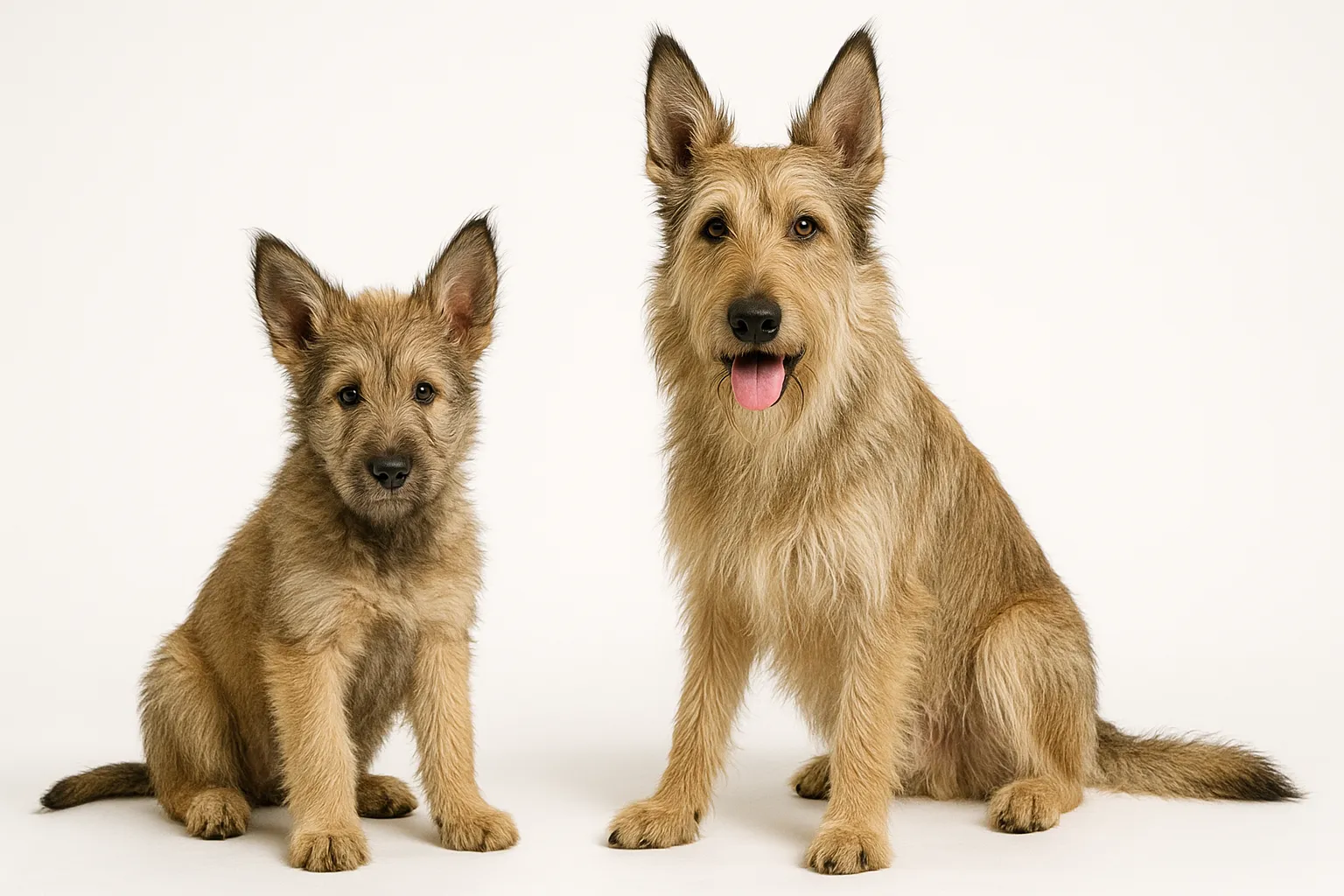
The Berger Picard (Picardy Shepherd) is one of the oldest French sheepdogs, depicted in 14th-century tapestries from northern France. At 50-70 lbs with a rough, tousled gray-fawn coat and distinctive upright ears, these dogs are athletic, intelligent, and stubborn in the best sense.
Their 13-14 year lifespan is exceptional for a medium-to-large herding breed. But that longevity comes with a caveat. The Berger Picard was nearly extinct twice — after both World Wars decimated the breed in its Picardy homeland. The small founder population after World War II means a tighter gene pool and amplified disease burden.
Primary health concerns are hip dysplasia, progressive retinal atrophy, and a breed-specific inherited retinal disease called cone-rod dystrophy 3 (crd3). Comprehensive health testing is critical.
Where This Breed Is Most Vulnerable
Hip Dysplasia
Hip dysplasia is the primary orthopedic concern. OFA hip evaluation at 24 months is essential for all breeding stock and recommended for pet dogs. Lean body condition throughout life reduces clinical severity. The breed’s high-activity herding heritage means hip integrity directly affects quality of life.
See the Hip Dysplasia guide for full prevention and management detail.
Progressive Retinal Atrophy
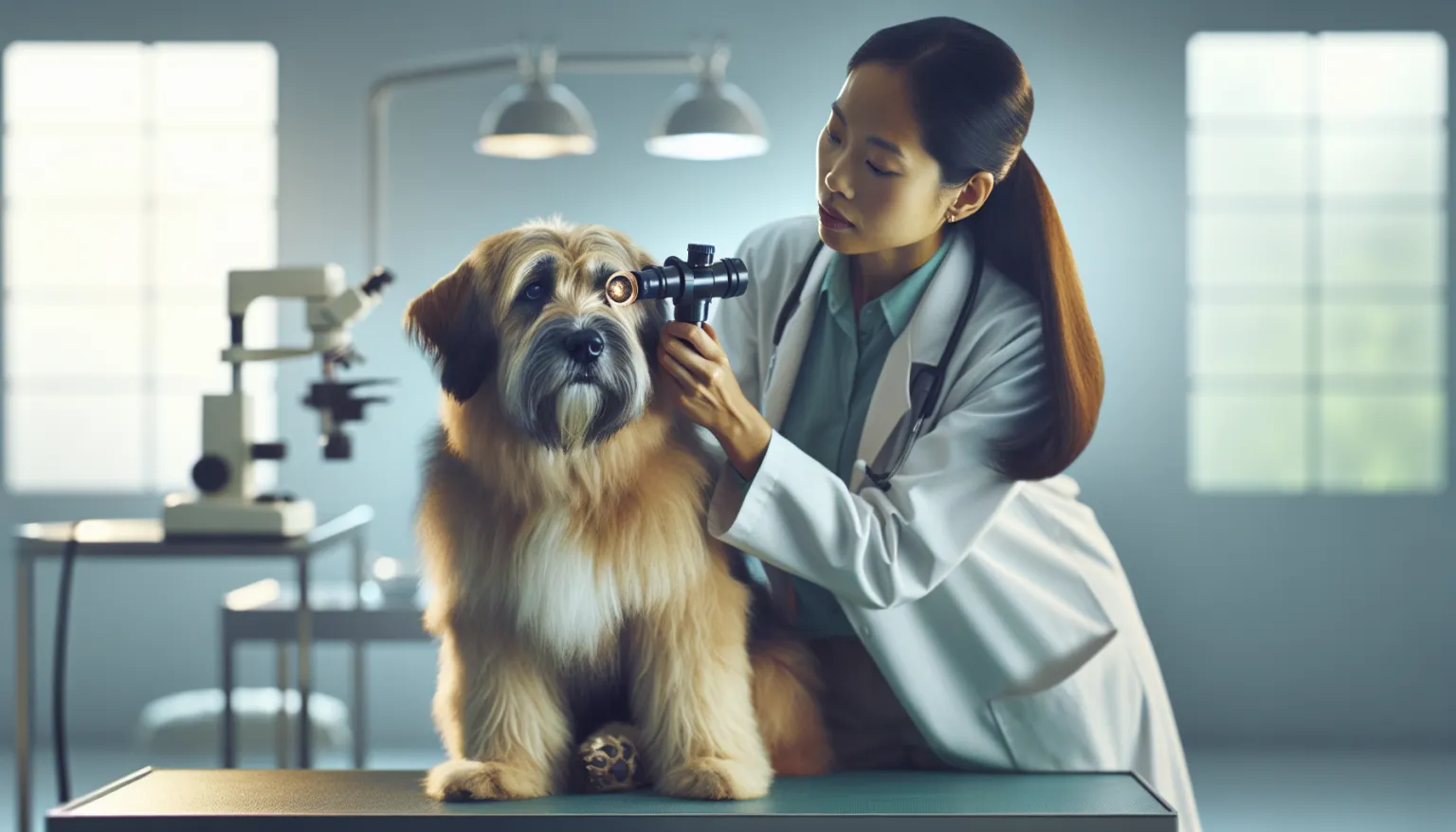
Progressive retinal atrophy is documented in Berger Picards. Annual CAER exams from age 1 provide ongoing surveillance alongside DNA testing. Prcd-PRA DNA testing identifies carriers and affected dogs. Responsible breeders test all stock and avoid carrier-to-carrier pairings.
See the Progressive Retinal Atrophy guide for full prevention and management detail.
Cone-Rod Dystrophy 3 (crd3)
This is the one that sets Berger Picards apart. Cone-rod dystrophy 3 is a breed-specific inherited retinal degeneration causing progressive vision loss. Unlike PRA, which begins with rod loss and night blindness, crd3 affects both cones and rods, deteriorating day and night vision simultaneously.
DNA testing for the specific crd3 mutation is available and essential for responsible breeding. Affected dogs should not be bred. Carrier-to-carrier pairings produce 25% affected offspring.
See the Cone-Rod Dystrophy 3 (crd3) guide for full prevention and management detail.
Two Eye Diseases, Two DNA Tests
Berger Picards carry two distinct inherited retinal diseases: prcd-PRA and breed-specific crd3. Before purchasing a puppy, request DNA testing documentation for both mutations from both parents.
The Berger Picard Club of America and international breed registries track testing compliance. Given the breed’s small gene pool, breeders who skip testing for either condition significantly increase inherited disease risk in their litters.
Centuries of Working Intelligence
These dogs have been herding sheep in northern France for centuries. Their intelligence, independence, and stamina were honed by generations of real working selection.
They are not beginner dogs. Their independence means they make their own decisions under some circumstances, which can look like stubbornness in a training context. Positive reinforcement with patient consistency produces excellent results over time. They excel in herding trials, agility, obedience, and tracking. Daily exercise of 60-90 minutes minimum is required.
A Low-Maintenance Rough Coat
The Berger Picard’s rough, tousled coat is one of the more forgiving herding breed coats. It does not mat easily and needs only occasional brushing and infrequent bathing. Do not clip or trim it — the natural texture provides weather resistance.
Regular ear inspection and cleaning prevents otitis. The rough coat dries relatively quickly after outdoor work in wet weather.
Your Highest-Return Health Investments
If you focus on three things for your Berger Picard, make it these:
- OFA hip evaluation at 24 months — hip dysplasia is the primary orthopedic concern
- DNA testing for cone-rod dystrophy 3 (crd3) — a breed-specific inherited retinal disease
- Annual CAER eye exam from age 1 — multiple inherited eye conditions documented in Berger Picards
Anchor your monitoring plan to these high-yield targets. When you are deciding where to invest time and money, these conditions are where the evidence points. See Hip Dysplasia, Progressive Retinal Atrophy Pra, Eye Conditions for the full breakdown.
Body Composition and Muscle Maintenance
Maintaining stable weight and lean muscle mass is one of the highest-yield longevity interventions available for this breed. As a medium breed, body composition stability directly predicts orthopedic longevity and cardiovascular reserve. Herding dogs in sustained movement need stable muscle-to-fat ratios for long-term joint health.
Condition-Focused Prevention Stack
Target your prevention plan at Hip Dysplasia, Progressive Retinal Atrophy Pra, Eye Conditions — the conditions where proactive monitoring and early response yield the highest return on invested time and resources.
Stress, Routine, and Recovery
Daily routine quality directly affects how a Berger Picard ages. Unpredictable schedules and insufficient mental work often show up as behavior drift, sleep disruption, or recovery problems before physical decline becomes visible.
Preventive Screening Cadence
Schedule veterinary reassessment intervals by age band and trend changes rather than waiting for obvious deterioration. Planned checkpoints focused on orthopedic function and gait quality improve early detection and intervention timing.
Breed-Specific Research
Use these evidence deep dives to add context to your Berger Picard longevity plan:
- Genetic Testing For Dogs Clinical Roi: dual PRA and crd3 genetic testing in Berger Picards
- Hip Dysplasia Lifetime Load Management: hip dysplasia management in a large active herding breed
- Exercise Prescription By Life Stage: exercise management for a high-stamina herding breed
What Genetic Testing Can and Cannot Tell You
Genetic testing in Berger Picards should drive monitoring strategy, not replace it. Use results to tighten surveillance windows and calibrate intervention thresholds. MDR1 gene testing guides medication safety. Hip and elbow scoring (OFA or PennHIP) quantifies orthopedic risk.
- A well-chosen initial panel gives you a risk map. Follow-up assessments at regular intervals tell you which risks are materializing and which remain theoretical.
- Focus your first monitoring protocols on Hip Dysplasia and Progressive Retinal Atrophy Pra — the conditions where early data most directly shapes the intervention timeline.
- Consolidate lab results, exam notes, medication history, and what you see at home into a single health file. Trend recognition depends on having all the data in one view.
- Plan reassessment points at each major life transition — post-growth, mid-life, and the senior threshold. Each stage reframes what your genetic data means for daily management.
Every genetic or diagnostic result should answer one question: what do I do differently starting now?
What Breeding History Tells You
The Berger Picard was bred for sustained movement, vigilance, and independent decision-making. That history directly informs current health risks and prevention strategy.
- Structural load patterns and temperament sensitivity both benefit from tighter monitoring across adulthood.
- The breed’s history-informed risk profile highlights Hip Dysplasia, Progressive Retinal Atrophy Pra, Eye Conditions as the conditions warranting the closest ongoing attention.
- Repeated low-grade signals are how most chronic conditions announce themselves. Respond to the pattern, not just the individual data point.
- Static prevention plans decay in value. The most effective owners treat their Berger Picard’s health plan as something that evolves with every vet visit and every home observation.
Breeding history narrows the search. Serial monitoring data makes the call.
The Screening Calendar That Matters
- Puppy: prcd-PRA and crd3 DNA testing, CAER exam, OFA hip evaluation
- 2 years: OFA hip evaluation, annual CAER exam, wellness baseline
- 3-9 years: annual CAER exam, wellness bloodwork every 2 years
- 10+ years: biannual senior panel, mobility assessment, dental care
Nutritional Priorities for Healthspan
Berger Picards do well on quality medium-to-large-breed adult food. Lean body condition supports hip health — especially important in a breed with above-average hip dysplasia rates. Their high activity level requires caloric intake calibrated to exercise. Omega-3 supplementation supports joint and coat health.
The Longevity Picture
Berger Picards with dual eye disease DNA testing (prcd-PRA and crd3), OFA hip evaluation, and appropriate high-energy herding enrichment can achieve their full longevity potential of 13-14 years. Their ancient French working heritage supports exceptional longevity for a medium-large herding breed.
The Drift Patterns Owners Miss First
Early disease progression in a Berger Picard usually presents as low-grade changes attributed to normal aging:
- Hind-limb stiffness after rest related to Hip Dysplasia — often dismissed as “just warming up”
- Intermittent visual hesitation tied to Progressive Retinal Atrophy Pra
- Visible cloudiness, chronic redness, or navigation difficulty signaling Eye Conditions that have become harder to reverse
When any measured function stays below baseline for a week or more, investigate — waiting for spontaneous recovery risks missing a treatable window.
Additional Health Risks to Monitor
Based on breed predisposition data, Berger Picard owners should also be aware of:
Frequently Asked Questions
How long do Berger Picards live?
Berger Picards typically live 13-14 years. DNA testing for prcd-PRA and breed-specific crd3 retinal disease, combined with OFA hip evaluation, are the primary longevity investments.
Are Berger Picards related to Belgian Shepherds?
Berger Picards share ancient working dog ancestry with Belgian shepherds but are a distinct French breed from the Picardy region. They are considered the oldest French sheepdog breed.
Are Berger Picards good for first-time dog owners?
Berger Picards are not recommended for first-time owners. Their independence, high exercise requirements, and working dog intelligence require experienced, consistent handling and genuine commitment to meeting their mental and physical needs.
Do Berger Picards shed a lot?
Berger Picards shed moderately but their rough, tousled coat does not mat easily and requires minimal grooming compared to many herding breeds. The coat sheds more during seasonal changes.
Are Berger Picards the same as the dog in Winn-Dixie?
The 2005 film “Because of Winn-Dixie” used Berger Picards as stand-ins for the fictional “mixed breed” dog. The film significantly increased breed awareness and interest outside France and Europe.
References
[1] Berger Picard Club of America. bergerpicard.com. [2] crd3 genetics in Berger Picards: Miyadera K et al. PLOS Genet. 2012. [3] OFA health statistics. ofa.org. [4] AKC breed information. akc.org. [5] Picardy shepherd breed history: Société Centrale Canine records.
Related reads
Related Reading
Continue exploring