Small Dog, Long Life — If You Stay Ahead of the Chronic Stuff
Bichon Frises commonly live between 14 and 16 years, making them one of the longer-lived companion breeds. That is the good news.
The nuance: Bichon longevity depends heavily on disciplined preventive routines. Dental disease, urinary issues, skin flares, and metabolic drift are the threats that erode quality of life in this breed — not dramatic acute illness. The owners who stay ahead of the slow, low-grade problems are the ones whose Bichons thrive into their mid-teens.
Where This Breed Is Most Vulnerable
Dental Disease
Periodontal disease is a major long-term risk in Bichons. Early gum inflammation can progress silently, increasing systemic inflammatory load before owners notice any problems. Daily oral care and predictable professional cleanings are central longevity actions for this breed.
Bladder Stones and Urinary Disease
Some Bichons are predisposed to urinary issues including recurrent crystals or stones. Consistent hydration, structured diet, and early response to urinary signs reduce the likelihood of severe episodes.
Skin Allergies
Atopic and allergic skin disease can create recurring cycles of inflammation, infection, and sleep disruption. Strong control plans combine trigger management, skin-barrier support, and rapid treatment of flare-ups rather than waiting for things to escalate.
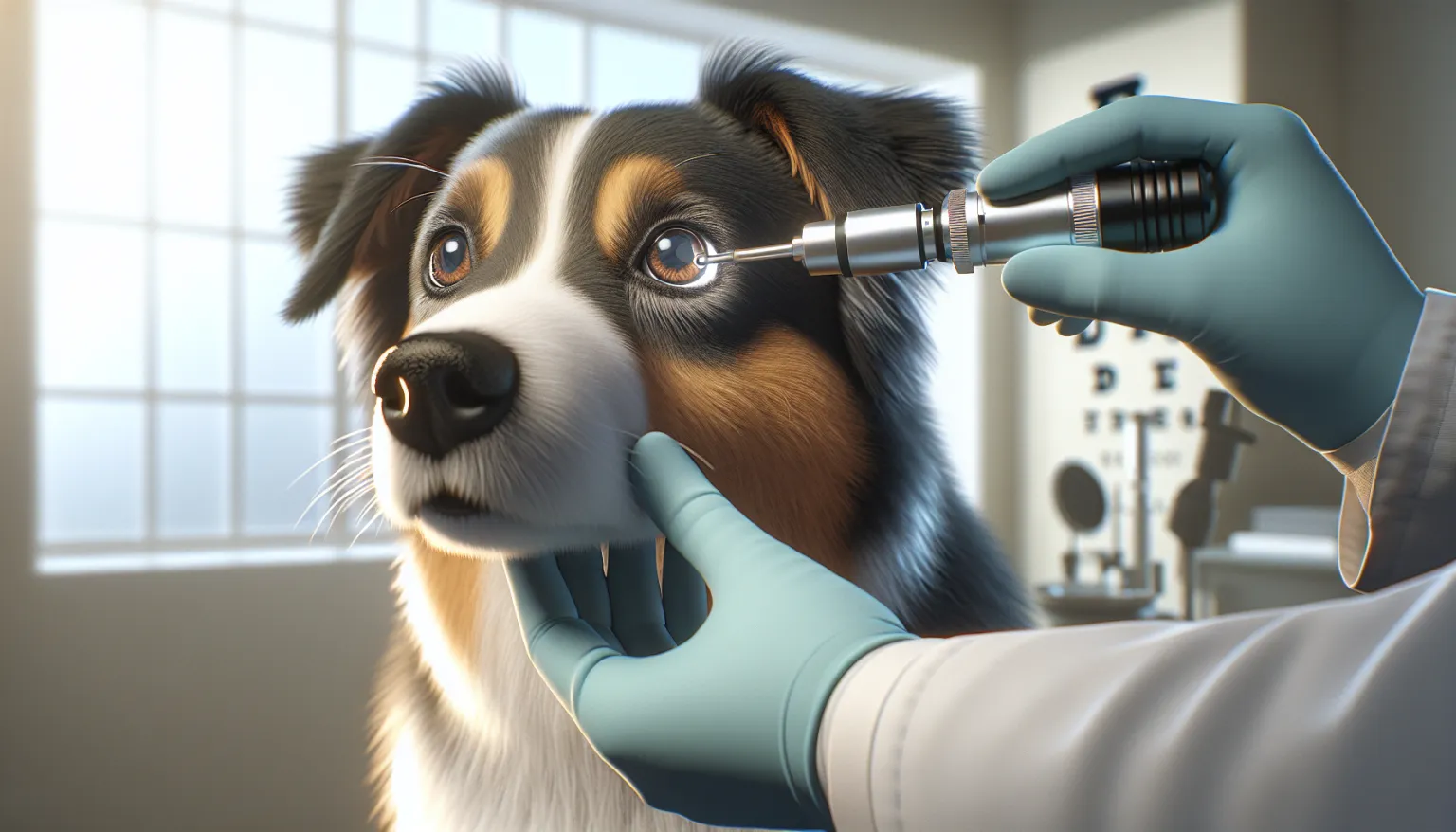
Eye Conditions
Senior-stage eye changes and breed-associated ocular disease require regular monitoring and timely escalation when vision or comfort changes.
Obesity
Despite their small body size, excess weight still reduces Bichon healthspan through joint stress and metabolic drift. Weight changes in small breeds can be subtle — a pound of gain on a 14-pound dog is proportionally significant.
Lock In Oral Care as Non-Negotiable
Daily brushing and scheduled veterinary dental assessments reduce chronic inflammation and preserve quality of life into senior years. This is the single highest-return daily habit for most Bichon owners.
Build a Urinary Prevention Routine
Track water intake patterns, urination frequency, and signs of discomfort. Early escalation for straining, blood, or repeated urgency prevents higher-cost complications down the line.
Control Skin Inflammation Before It Escalates
Use a flare-prevention plan rather than waiting for severe episodes. Consistency in bathing, grooming, and trigger management usually reduces recurrence more effectively than reactive treatment cycles.
Keep the Weight Trend Stable
Measured feeding, controlled treat budgets, and monthly trend checks are usually sufficient to prevent the gradual drift that compounds over months. The fix is simple; the discipline is what matters.
Screen Before Symptoms Show
Routine lab and clinical trend review improves early detection of age-related disease. Waiting for visible symptoms means the window for easy intervention has already narrowed.
The Longevity Priorities That Move the Needle
For most Bichon Frise owners, these are the actions that will matter most:
- prioritize dental disease prevention from early adulthood
- control urinary and skin flare triggers with consistent monitoring
- maintain lean body condition to protect mobility and metabolic resilience
Use Dental Disease, Bladder Stones & Urinary Disease, and Skin Allergies updates to rebalance quarterly.
Evidence-Based Longevity Priorities
Prevention quality in Bichons often depends on controlling recurrent low-grade disease before it compounds. Priority one: suppress chronic oral inflammation through early Dental Disease control. Priority two: prevent recurrence for Bladder Stones & Urinary Disease and Skin Allergies, where short flare intervals usually signal plan failure. Priority three: strict trend control for Obesity, with proactive ophthalmic follow-up for Eye Conditions.
Breed-Specific Research
These deep dives add stronger context for day-to-day longevity decisions in Bichon Frise.
- Dental Disease in Dogs: Oral Health and Longevity: improves escalation timing decisions for early warning signs.
- Senior Dog Screening Protocol: What to Test and When: clarifies monitoring tradeoffs for this breed’s key risk pathways.
- Kidney Disease Nutrition Protocol for Dogs: Practical Guide: helps prioritize earlier action when health markers begin to drift.
Use this reading set as pre-visit prep so owner observations and veterinary decisions stay aligned.
Making Genetic Testing Actionable
In Bichon Frises, genetic testing delivers value when results link to monitoring cadence and owner execution — not when treated as predictive certainty. CERF eye exam or PRA gene testing detects heritable eye disease as part of the initial risk assessment.
- Run a breed-relevant panel and convert the findings into a concrete monitoring timeline. Results that do not change your screening calendar were not worth running.
- Start your monitoring plan with Dental Disease and Bladder Stones Urinary Disease so every test outcome has a clear next step attached to it.
- The most important insights about your Bichon Frise’s health emerge from longitudinal data, not isolated visits. Keep a continuous record that connects genetic results, lab findings, and what you observe at home.
- Genetic results mean different things at different ages. What looked like a low-risk finding at two years old may deserve closer monitoring by age seven when the clinical picture has changed.
Results without follow-through are noise. Results that change your screening schedule, your daily observations, or your intervention threshold — those are signal.
What Breeding History Tells You
The Bichon Frise was bred as a companion dog with diverse roles across centuries. That history creates a practical risk profile owners can address through structured prevention.
- Breed heritage and population health data both point to Dental Disease, Bladder Stones Urinary Disease, Skin Allergies as the surveillance priorities that deserve the tightest monitoring cadence.
- When you see the same subtle finding twice — a slight limp, a missed meal, a slower recovery — treat it as a signal, not a coincidence. Tighten your monitoring before it compounds.
- Prevention strategies that never get updated become prevention rituals. Revisit yours regularly and adjust based on what the data actually shows.
Use breeding history to build the initial watchlist. Use your dog’s own health trends to decide when surveillance becomes intervention.
Your Veterinary Screening Roadmap
Use predictable checkpoints:
- Age 1-5: annual exams with oral staging, urinary history review, and baseline skin/weight trend documentation.
- Age 6-9: annual minimum plus faster recheck cadence when urinary or dermatology flares recur.
- Age 10+: twice-yearly reviews often improve timing for oral, urinary, and ocular intervention.
- Any age with cluster drift: same-week reassessment when urinary, skin, appetite, or eye signs appear together.
This timeline is informational and should be tailored with your veterinarian.
What a Well-Managed Life Looks Like
Bichon Frises often have strong lifespan potential, but prevention discipline makes the difference. Most avoidable decline in this breed comes from chronic low-grade disease burden rather than sudden catastrophic illness. The owners who catch and correct small drift early are the ones who see their dogs thrive longest.
The Drift Patterns Owners Miss First
Long-term decline in a Bichon often starts as small changes that get normalized too quickly:
- Mild halitosis or hesitation when chewing hard treats related to Dental Disease — often dismissed as “just aging”
- Intermittent straining or urgency tied to Bladder Stones Urinary Disease that comes and goes
- Chronic hot spots, secondary infections, or coat degradation signaling Skin Allergies that have become harder to reverse
When any measured function stays below baseline for a week or more, investigate — waiting for spontaneous recovery risks missing a treatable window.
Urinary Recurrence Control Protocol
For Bichons with prior urinary events, run a fixed protocol:
- Keep hydration routine consistent day to day.
- Log urination frequency and comfort markers weekly.
- Escalate early for straining, blood, or repeated urgency.
- Reassess diet and recurrence triggers with your veterinarian.
- Update prevention plan after every flare event.
Consistency is more protective than occasional high-intensity intervention.
Vet Visit Data Pack (Quarterly)
Bring a concise summary of:
- oral-health trend and home-care adherence
- urinary pattern notes and flare timeline
- skin trigger map and recurrence interval
- body-weight/BCS trend with treat-calorie control
- energy/sleep/social engagement drift
This improves clinical decision quality and helps prioritize the highest-return next steps.
Condition-Specific Monitoring Triggers
The difference between early detection and late diagnosis often comes down to recognizing these patterns:
- Dental Disease: Track oral pain signs, chewing changes, and breath changes; escalate for oral bleeding, dropped food, or swelling.
- Bladder Stones & Urinary Disease: Track water intake, urination frequency, and appetite; escalate for dehydration signs, straining, or blood in urine.
- Skin Allergies: Track itching load, skin lesions, and ear flare cycles; escalate when flares persist despite baseline management.
- Eye Conditions: Track vision confidence, eye discharge, and redness; escalate for pain signs, squinting, or sudden vision changes.
- Obesity: Weigh your dog monthly and track the trend line, not just individual readings. A half-pound gain per month adds up to six pounds in a year — enough to meaningfully shorten lifespan.
12-Month Longevity Execution Plan
Use this quarterly framework to keep prevention proactive instead of reactive:
Quarter 1: Baseline and Risk Mapping
- Document where your dog stands now — weight, body condition score, mobility quality, and behavioral patterns — so future changes are measured against real data
- Identify the conditions most likely to affect this breed and agree on specific screening milestones with your veterinarian
- Eliminate feeding variability: one person measures meals, treats count toward daily calories, and table scraps are off the table
- Complete oral exam and dental cleaning to establish clean baseline for monitoring
Quarter 2: Adherence and Early Drift Control
- Run a candid self-assessment: are you hitting the screening targets, feeding protocols, and exercise routines you set in Q1?
- If any tracked metric is drifting from baseline, increase how often you check it rather than waiting for the next scheduled review
- Bring any change in eating behavior, exercise tolerance, respiratory effort, gait, or mental sharpness to your vet’s attention early
- Reassess calorie intake against weight trend and adjust feeding plan if drift is detected
Quarter 3: Midyear Reassessment
- Reassess the first half of the year — which prevention strategies delivered measurable results, and which need recalibration?
- Recalibrate your screening schedule based on real-world findings, not the plan you wrote in January
- Adapt exercise type and intensity for the current season and your dog’s evolving physical capacity
Quarter 4: Senior-Readiness Update
- Build next year’s prevention calendar from this year’s data: what screening intervals worked, what needs to change?
- Refine your escalation criteria based on what you learned about how this breed’s conditions present and progress
- Document lessons learned and translate them into specific next-year commitments: what to measure, when to measure it, and what to do if something shifts
- Schedule year-end dental assessment and plan next professional cleaning interval
When to Escalate Fast
Contact your veterinarian immediately if you observe any of these:
- Sudden appetite loss lasting more than 24 hours, especially with lethargy or withdrawal
- Sudden onset of heavy or labored breathing, an unexplained collapse, or neurologic signs like circling, head tilt, or seizure activity
- Repeated vomiting that does not resolve within a few hours, abdominal guarding, or a visibly swollen belly
- Dramatic overnight change in how your dog moves, rests, or interacts with the household
This Year’s Priorities
Concentrate on the prevention actions most likely to extend your Bichon Frise’s healthy years. Reassess quarterly with your vet and adjust based on what the data actually shows.
- Prioritize dental disease prevention from early adulthood
- Control urinary and skin flare triggers with consistent monitoring
- Maintain lean body condition to protect mobility and metabolic resilience
Home Tracking Dashboard
Record these data points monthly — pattern recognition is the foundation of early intervention:
- Body weight trend and body-condition score
- How much your dog eats, how much they drink, and whether their bathroom habits have changed
- Activity drive relative to their individual norm — subtle decline often precedes clinical findings
- Changes in posture, gait, willingness to jump or climb, and any signs of discomfort during normal movement
- Exercise stamina relative to their personal norm, plus recovery time and next-day stiffness
- Rest quality, emotional baseline, and social responsiveness — these soft markers often shift before hard data does
- Condition-specific early drift markers tied to dental disease, bladder stones urinary disease, skin allergies
Nutritional Priorities for Healthspan
For Bichon Frises, nutrition works best when intake precision tracks with life-stage transitions. Use Feeding Guide for Small Breeds as the baseline and add Probiotics for Dogs only when endpoints are explicit and reassessment cadence is pre-defined.
Keep a single intake log and trigger recalibration whenever indicators around Obesity begin drifting.
Frequently Asked Questions
How long do Bichon Frises live? Bichon Frises commonly live 14-16 years, making them one of the longer-lived companion breeds. That potential is best realized through disciplined preventive routines — particularly dental care, urinary health monitoring, and skin flare management. The owners who stay ahead of the slow, low-grade problems are the ones whose Bichons thrive into their mid-teens.
Are Bichon Frises prone to dental disease? Yes. Periodontal disease is a major long-term risk in this breed, and it often progresses silently before owners notice any problems. Daily brushing and scheduled professional cleanings are the single highest-return daily habit for most Bichon owners. Left unchecked, chronic oral inflammation increases systemic inflammatory load and quietly degrades quality of life.
Do Bichon Frises get bladder stones? Some Bichons are predisposed to urinary issues including recurrent crystals or stones. Consistent hydration, structured diet, and early response to urinary signs — straining, blood in urine, increased urgency — reduce the likelihood of severe episodes. Dogs with prior urinary events benefit from a fixed monitoring protocol with weekly tracking of urination comfort and frequency.
Are Bichon Frises hypoallergenic? Bichons are often marketed as hypoallergenic because they shed minimally and have a hair-type coat rather than fur. However, no dog is truly hypoallergenic. They produce dander and saliva proteins that trigger allergies in sensitive individuals. Regular grooming and bathing reduce allergen levels but do not eliminate them entirely.
What is the most common health mistake Bichon owners make? Normalizing chronic low-grade problems. Mild halitosis gets dismissed as “just aging.” Intermittent urinary straining comes and goes without investigation. Recurring skin flares are treated episodically instead of systematically. Most avoidable decline in this breed comes from chronic disease burden that accumulates slowly, not from sudden catastrophic illness. Catching and correcting small drift early is what separates Bichons that thrive from those that deteriorate.
References
- AAHA preventive-care and senior-care recommendations.
- WSAVA nutrition guidance for long-term body-condition control.
- Small-animal urology guidance on urinary recurrence monitoring.
- Veterinary dermatology and dentistry guidance on chronic inflammation control.
Related reads
Related Reading
Continue exploring