Two Personalities, One Very Specific Body
The Chiweenie is what happens when two of the most distinctive small breeds in existence combine their genetics. The Chihuahua brings alertness, loyalty, and a lifespan that routinely stretches past 15 years. The Dachshund contributes courage, tenacity, and a body plan originally engineered to pursue badgers into underground tunnels.
The result is a small dog with enormous personality, a 12-16 year lifespan potential, and a health profile shaped almost entirely by structural anatomy. Both parent breeds passed along bodies that are, in different ways, biomechanically compromised — and the Chiweenie inherits vulnerabilities from each side.
Understanding those structural realities is not pessimism. It is the foundation of a prevention plan that actually works. The Chiweenie’s health risks are specific, predictable, and — with consistent management — largely controllable.
Hybrid Vigor in a Structural Cross
When geneticists discuss heterosis in dog breeding, they are typically referring to improved fitness for conditions driven by recessive gene inheritance. A first-generation Chiweenie may benefit from this effect for some breed-specific genetic disorders.
But the most impactful health concerns in this cross are anatomical, not genetic in the simple recessive sense. The Dachshund’s elongated spine, the Chihuahua’s small crowded jaw, the shared small-breed susceptibility to luxating patella — these are structural features that hybrid vigor cannot overcome. A Chiweenie that inherits Dachshund body proportions carries Dachshund spinal risk regardless of what the other parent contributes.
This makes the Chiweenie an important case study in the limits of the “crossbreeds are healthier” narrative. Hybrid vigor is real, but it does not redesign anatomy.
The Spine: The Single Biggest Health Concern
Intervertebral disc disease (IVDD) is the condition that defines Dachshund health, and it is the primary health concern for any Chiweenie that inherits Dachshund body proportions. The elongated body and shortened legs create biomechanical stress on the intervertebral discs — the cushioning structures between spinal vertebrae — that no amount of fitness can fully compensate for.
Dachshunds experience IVDD at a rate roughly 10-12 times higher than the general dog population. A 2016 study in the Journal of Veterinary Internal Medicine confirmed that the IVDD risk in Dachshunds is associated with intervertebral disc calcification that begins developing in dogs as young as 2 years old.
Your Chiweenie may or may not have inherited the full Dachshund body type. If it has any degree of elongation relative to leg length, spinal protection should be the organizing principle of your prevention plan:
- Eliminate unsupervised jumping. No leaping on or off furniture, beds, or car seats. Use ramps or pet stairs for all elevated surfaces.
- Prevent rough play that involves twisting, landing, or high-impact contact. This includes overly enthusiastic games with larger dogs.
- Maintain strict body weight control. Every excess ounce increases compressive load on the spine.
- Support the full body when lifting. Always support both the chest and hindquarters simultaneously — never let the spine hang unsupported.
- Consider restricting stair access or supervising stair use, particularly steep or slippery stairs.
When IVDD Happens
IVDD episodes range from mild pain and reluctance to move (grade I) to complete paralysis of the hind limbs with loss of deep pain sensation (grade V). Mild episodes can sometimes be managed conservatively with strict crate rest and pain medication. Severe episodes often require emergency surgical decompression.
Know the early warning signs: reluctance to move the head or neck, crying when picked up, hunched posture, trembling, reluctance to climb, or dragging a hind limb. These signals should be treated as veterinary emergencies, not as “pulling a muscle.” Time matters — surgical outcomes are significantly better when intervention occurs within 24-48 hours of symptom onset.
Dental Disease in a Miniature Jaw
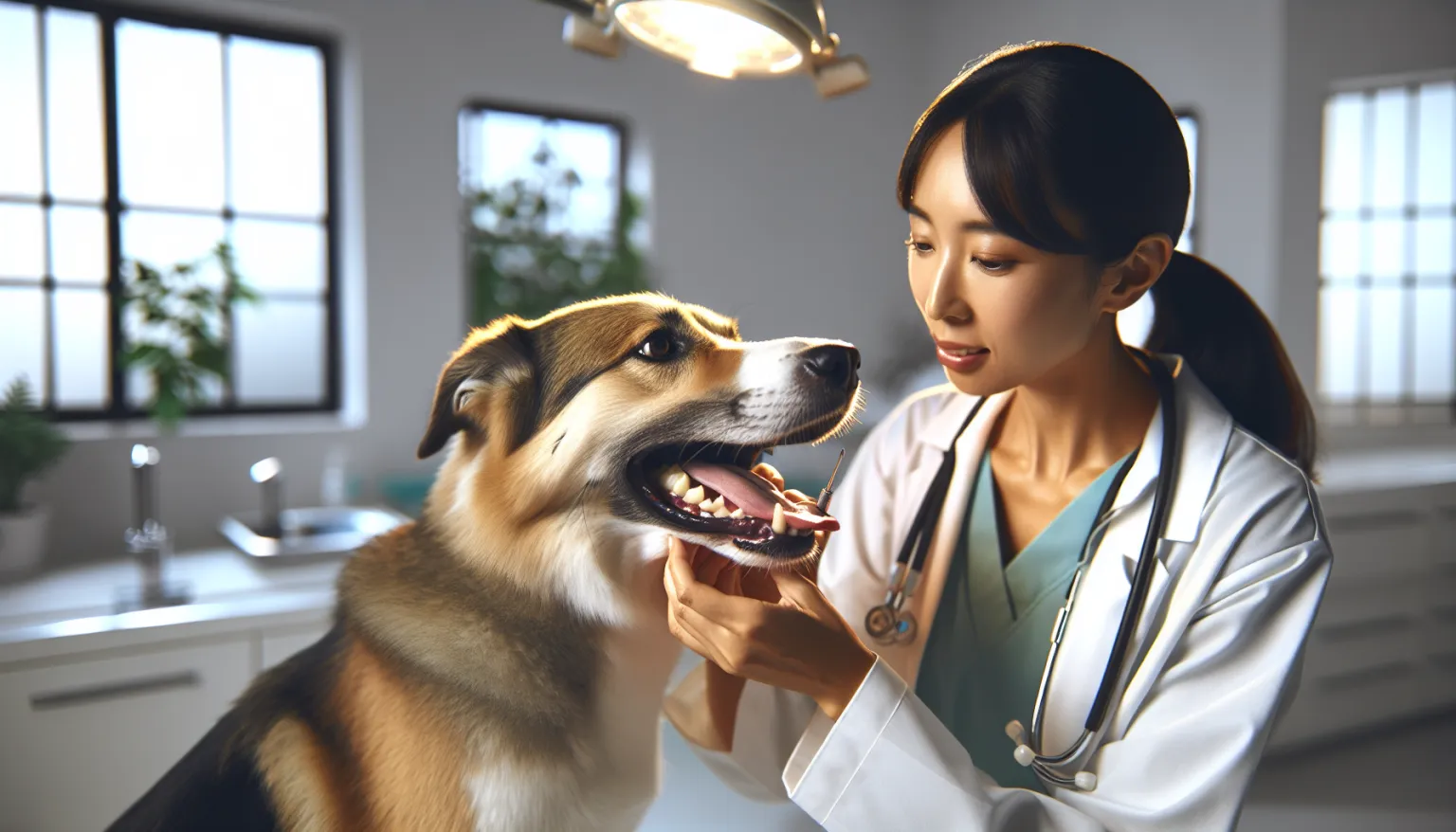
Both the Chihuahua and the Dachshund carry elevated dental disease risk. The Chihuahua contributes particularly small, crowded jaw anatomy where teeth are packed too tightly, trapping food and bacteria. The Dachshund’s narrow muzzle adds its own version of dental compression.
In a Chiweenie weighing 5-12 lbs, untreated periodontal disease creates systemic inflammatory load that can affect the heart and kidneys — organs with very little reserve in a body this small. Daily tooth brushing is not a suggestion. It is the single most cost-effective longevity intervention available for this breed.
Professional dental cleanings on a veterinarian-recommended schedule maintain the foundation. Do not let concerns about anesthesia in small dogs prevent necessary dental procedures — modern anesthetic protocols are safe for small breeds when properly administered, and the risk of untreated dental disease far exceeds the risk of a well-managed dental cleaning.
Luxating Patella: The Small-Dog Knee Problem
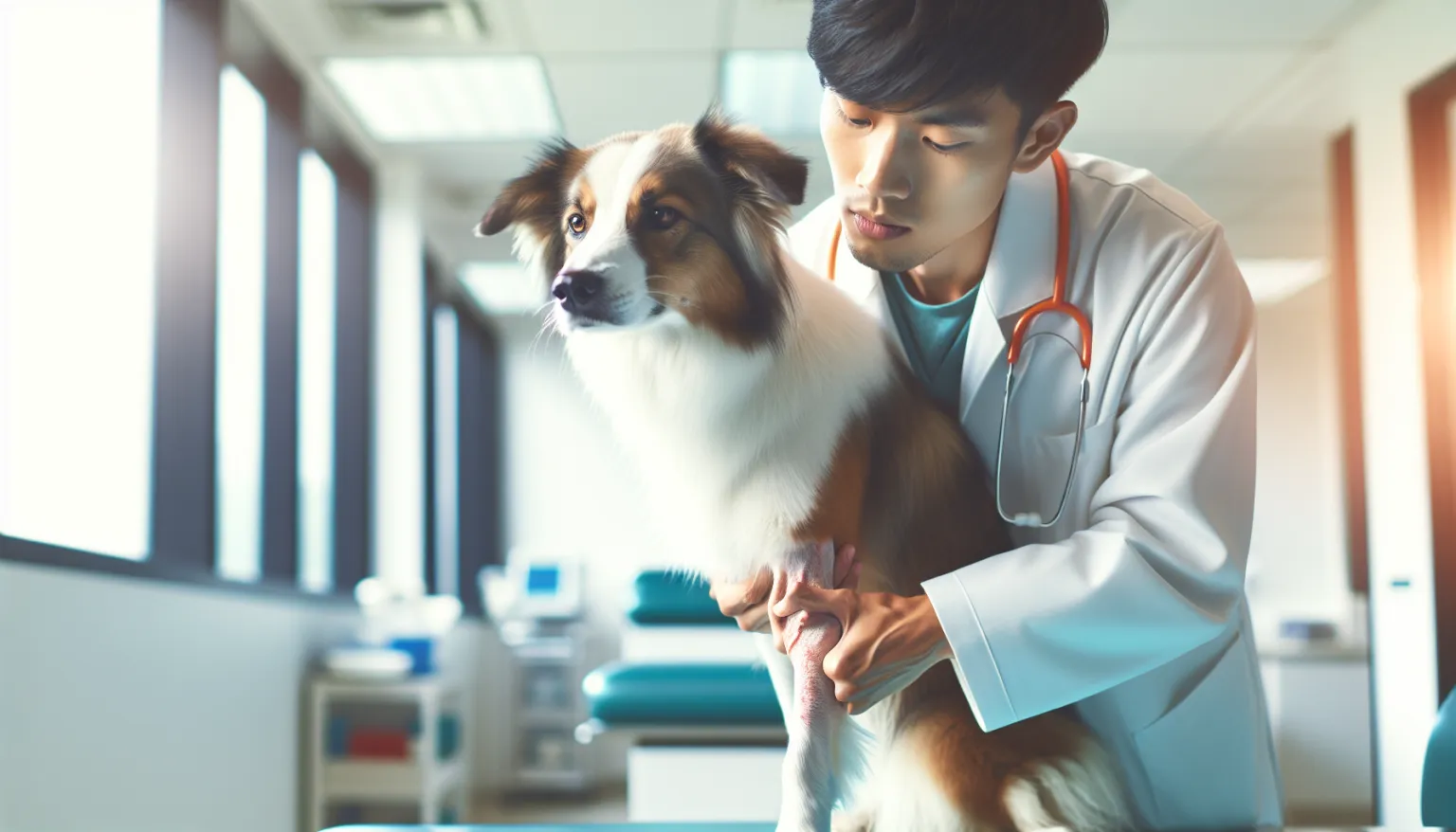
Both Chihuahuas and Dachshunds carry elevated luxating patella risk, making this a double-loaded concern with no heterosis benefit. In a 5-12 lb dog, knee instability progresses faster when carrying excess weight, because even small amounts of additional body mass create proportionally large increases in joint stress.
Grade I-II luxation (intermittent, self-correcting) can often be managed with weight control and muscle conditioning. Grade III-IV typically warrants surgical correction to prevent progressive cartilage damage and secondary arthritis.
The telltale sign: your Chiweenie holds up a hind leg for several strides, then puts it back down and walks normally. This is not a one-time event to dismiss — it is a signal that patellar stability should be formally evaluated.
Tracheal Collapse: Breathing Under Pressure
Tracheal collapse occurs when the cartilage rings supporting the trachea weaken and the airway flattens during breathing. Both parent breeds carry elevated risk for this condition.
The hallmark sign is a dry, honking cough — often triggered by excitement, pulling against a collar, drinking water, or changes in temperature or humidity. Management priorities:
- Use a harness for all leash walking — never a collar that puts pressure on the trachea
- Maintain lean body weight to reduce pressure on the airway
- Minimize exposure to respiratory irritants: smoke, strong fragrances, dust, extreme cold
- Discuss medical management with your vet if coughing becomes frequent
Severe tracheal collapse can be managed with medication in many cases. Advanced cases may benefit from tracheal stenting, though this is typically reserved for dogs that do not respond to medical management.
Hypothyroidism: The Midlife Metabolic Shift
Hypothyroidism — underproduction of thyroid hormones — affects Dachshunds at higher-than-average rates and typically develops in middle age. Symptoms include unexplained weight gain, decreased energy, skin thickening, coat thinning, and cold intolerance.
The danger is that these symptoms are easily mistaken for normal aging. A Chiweenie that starts gaining weight at age 6-7 despite consistent feeding, becomes less interested in exercise, and develops a dull coat deserves a thyroid panel (T4 at minimum, ideally a full thyroid profile) before the symptoms are attributed to “just getting older.”
Hypothyroidism is one of the most treatable chronic conditions in dogs. Once diagnosed, daily levothyroxine medication typically restores normal energy, weight, and coat quality within weeks to months.
Feeding a 5-12 lb Body
Caloric precision is critical in a dog this small. A single treat can represent 15-20% of the daily calorie budget. Over a week, a few extra treats per day can drive measurable weight gain — and in a Chiweenie, weight gain directly increases risk for the three most impactful conditions: IVDD, luxating patella, and tracheal collapse.
Use Feeding Guide for Small Breeds or Feeding Guide for Toy Breeds as your framework. Measured meals, a strict treat budget, and monthly weigh-ins on a scale sensitive to quarter-pound increments are the baseline requirements.
For anti-inflammatory support relevant to spinal and joint health, Omega-3 Fish Oil for Dogs provides EPA and DHA at doses appropriate for small breeds. Discuss dosing with your vet to ensure appropriateness for your dog’s size.
Exercise: Activity Without Risk
Chiweenies are surprisingly active and playful dogs that enjoy 30-45 minutes of daily exercise. The challenge is providing adequate activity while protecting the spine, knees, and airway.
Safe exercise for this breed:
- Moderate-paced walks on flat, even terrain
- Controlled indoor play with appropriate toys
- Mental enrichment through puzzle feeders, training sessions, and scent games
- Short, supervised off-leash play in safe, flat environments
Exercise to avoid or modify:
- Jumping on or off furniture (use ramps)
- Rough play with significantly larger dogs
- Stair climbing as primary exercise
- Sustained high-intensity running on hard surfaces
- Activities that involve twisting or landing from height
Preventive Screening Schedule
- Puppy to 2 years: Establish dental hygiene routine, evaluate patellar stability, assess body proportions for IVDD risk. Switch to harness for leash walking. Begin spinal protection protocols.
- 3 to 6 years: Annual wellness exams with dental staging, patellar check, cardiac auscultation. Monitor for early IVDD signs. Maintain weight management.
- 7 to 10 years: Add thyroid screening (T4 panel). Increase dental cleaning frequency if periodontal disease is progressing. Monitor mobility and spinal function more closely. Senior bloodwork.
- 11+ years: Twice-yearly exams. Senior metabolic panel, mobility evaluation, pain assessment, cognitive function check, and updated dental plan.
Breed-Specific Research
- Dental Disease in Dogs: Oral Health and Longevity: oral health protocols critical for small-breed longevity.
- Arthritis Pain Stack for Dogs: Mobility-First Framework: joint and mobility management strategies applicable to IVDD recovery and knee health.
- Senior Dog Screening Protocol: What to Test and When: structured screening for long-lived small breeds.
Condition-Specific Monitoring Triggers
- Intervertebral Disc Disease (IVDD): Reluctance to move head or neck, crying when picked up, hunched posture, trembling, hind-limb weakness, dragging a leg. Any of these is a veterinary emergency.
- Dental Disease: Bad breath, reluctance to chew, bleeding gums, facial swelling, dropping food.
- Luxating Patella: Intermittent hind-leg skipping, reluctance to jump, stiffness after rest.
- Hypothyroidism: Unexplained weight gain, decreased energy, coat changes, cold intolerance in midlife.
- Tracheal Collapse: Dry honking cough, especially triggered by excitement, pulling on collar, drinking, or temperature changes.
12-Month Longevity Execution Plan
Quarter 1: Structural Protection Setup
- Install ramps for all furniture and beds the dog accesses
- Record weight, body condition score, patellar stability, and dental status
- Establish daily dental brushing routine
- Switch from collar to harness for all walking and leash activity
- Set measured feeding protocol with explicit treat limits
Quarter 2: Habit Solidification
- Audit spinal protection compliance — are ramps being used consistently?
- Compare weight and dental status against Q1 baselines
- Report any spinal pain signs, coughing, or gait changes to your vet
- Review household for remaining jump hazards
Quarter 3: Midyear Health Check
- Veterinary assessment of patellar stability, spinal function, and dental health
- Adjust exercise programming for seasonal changes
- Reassess airway health and coughing patterns
- Add thyroid screening if age 5+
Quarter 4: Year-End Review
- Synthesize year of health data into next year’s screening plan
- Complete senior bloodwork if age-appropriate
- Update dental cleaning schedule
- Refine spinal protection protocols based on any incidents or concerns
When to Seek Emergency Care
- Any signs of spinal pain: reluctance to move, crying when touched, hunched posture, trembling, hind-limb weakness or paralysis. IVDD emergencies have significantly better outcomes with early intervention.
- Severe respiratory distress or blue-tinged gums
- Complete food refusal for 24+ hours with lethargy
- Sudden inability to bear weight on a limb
- Seizure activity
- Collapse or loss of consciousness
Home Tracking Dashboard
Monitor monthly:
- Weight on a scale sensitive to quarter-pound increments
- Dental comfort: willingness to chew, breath quality, gum appearance
- Spinal function: any hesitation, stiffness, or pain responses during movement
- Coughing patterns: frequency, triggers, duration
- Gait quality: any skipping, limping, or reluctance
- Energy level and willingness to exercise
- Coat and skin condition (relevant to thyroid monitoring)
Frequently Asked Questions
How serious is IVDD risk in Chiweenies? If your Chiweenie inherited Dachshund body proportions — an elongated body relative to leg length — IVDD risk is significant and should be the primary focus of your prevention plan. Spinal protection through ramp use, weight management, and jump prevention is the most impactful intervention.
Is it safe to let my Chiweenie jump on the couch? No. For any dog with potential IVDD risk, jumping on and off furniture is one of the highest-risk daily activities. Use ramps or pet stairs for all elevated surfaces. This is not optional precaution — it is a core safety measure.
When should I start brushing my Chiweenie’s teeth? As early as possible — ideally during puppyhood. Both parent breeds are predisposed to dental disease, and establishing the habit early makes lifelong compliance far easier.
Why does my Chiweenie cough when excited? A dry, honking cough triggered by excitement is often a sign of tracheal collapse. Discuss it with your vet. In the meantime, use a harness instead of a collar and manage excitement levels when possible.
Should I get thyroid levels checked? Request a thyroid panel if your Chiweenie is over age 5, especially if you notice unexplained weight gain, decreased energy, or coat changes. Hypothyroidism is common in the Dachshund line and is highly treatable once diagnosed.
Can a Chiweenie still live a long life with IVDD? Yes. Many dogs with IVDD episodes recover well with appropriate treatment (conservative management or surgery) and live full, comfortable lives. The key is prevention where possible and rapid intervention when episodes occur.
How much exercise is safe? 30-45 minutes daily of moderate, spine-safe activity. Prioritize flat-terrain walks, gentle play, and mental enrichment. Avoid activities that involve jumping, twisting, or rough play with larger dogs.
References
[1] Intervertebral Disc Disease in the Dachshund (JVIM, 2016) [2] Life expectancy, mortality, and longevity in companion dogs (Scientific Reports, 2024) [3] AKC Dachshund Breed Information [4] AKC Chihuahua Breed Information [5] Merck Veterinary Manual [6] AAHA Canine Life Stage Guidelines
This content is for informational purposes only and does not constitute veterinary advice. Always consult a licensed veterinarian for decisions about your dog’s health, diagnosis, and treatment.
Related reads
Related Reading
Continue exploring