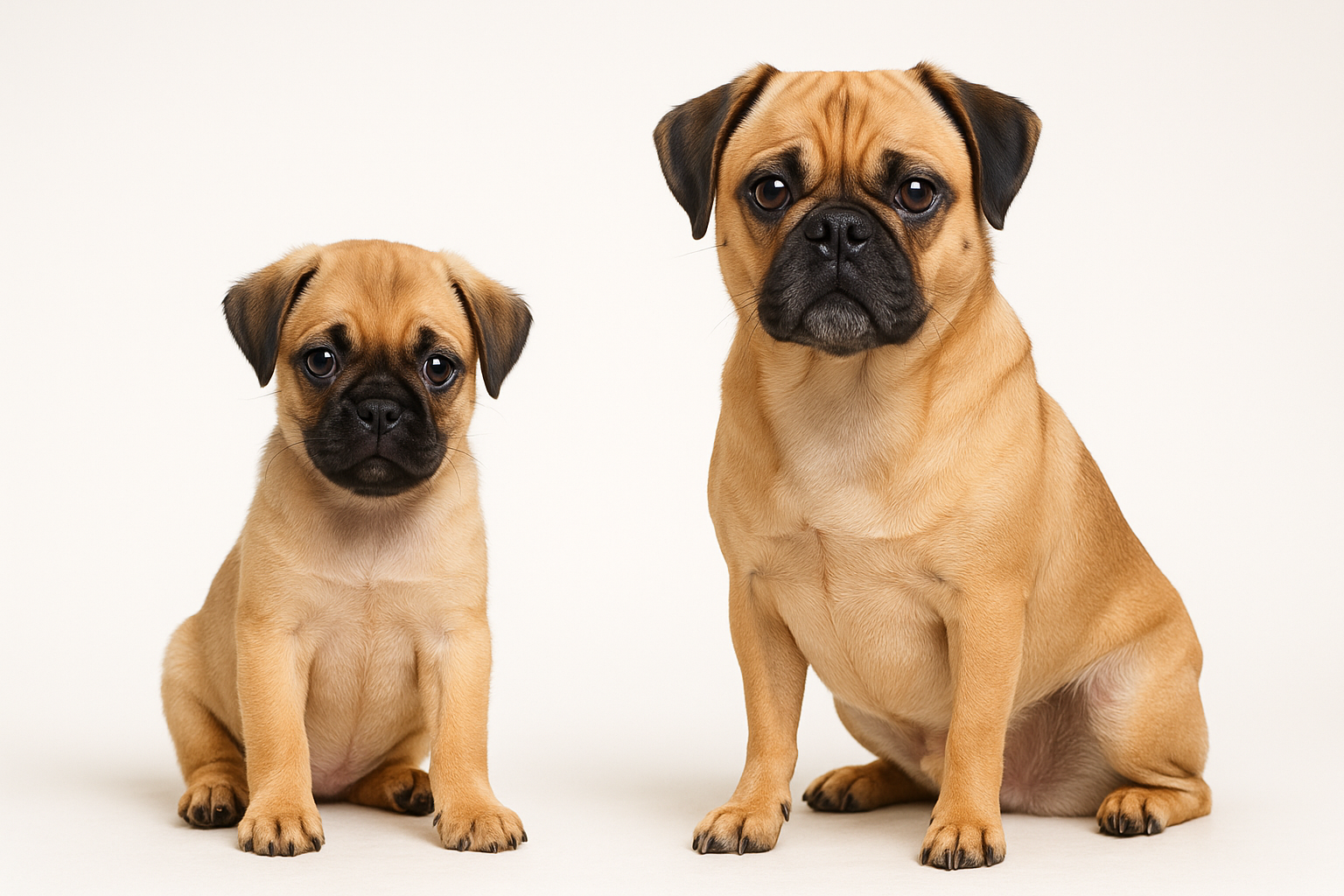
Where Long-Lived Meets Short-Faced
The Chug sits at an unusual intersection. The Chihuahua — one of its parent breeds — is among the longest-lived dogs in existence, routinely reaching 14 to 18 years. The Pug — the other parent — carries one of the heaviest health burdens of any small breed, driven primarily by the extreme brachycephalic skull structure that defines its appearance. A 2022 study published in Scientific Reports found that Pugs in the UK had a median lifespan of just 7.7 years, substantially lower than the small-breed average.
The Chug, then, is a crossbreed in tension. The Chihuahua’s longevity genetics pull in one direction. The Pug’s structural compromises pull in another. The lifespan range of 10 to 14 years reflects this: it is a meaningful improvement over the purebred Pug but falls short of what the Chihuahua parent would otherwise contribute. The extent to which your individual Chug trends toward the upper or lower end depends heavily on two factors — how much brachycephalic anatomy it inherited and how rigorously its weight is managed.
Hybrid Vigor and the Brachycephalic Caveat
Heterosis theory predicts health benefits from crossing genetically distinct populations, and the Chihuahua and Pug are genetically distant enough to produce meaningful hybrid vigor for certain recessive conditions. A 2013 JAVMA study found mixed breeds less likely to develop 10 of 24 genetic disorders compared to purebreds.
However, brachycephalic anatomy is a structural trait controlled by multiple genes governing skull shape and soft tissue proportions. Crossing a brachycephalic breed with a mesocephalic (normal-length skull) breed like the Chihuahua may partially lengthen the muzzle, but the result is unpredictable. Some Chugs have near-normal muzzle length. Others inherit enough Pug skull compression to experience significant airway restriction. You cannot predict the outcome from photographs alone — it requires functional assessment of airway quality.
The Pug Side: The Source of the Major Risks
Brachycephalic Obstructive Airway Syndrome
Brachycephalic syndrome is not a single condition but a cluster of anatomical abnormalities: elongated soft palate, stenotic (narrowed) nares, everted laryngeal saccules, and hypoplastic (undersized) trachea. Any combination of these can restrict airflow.
A 2015 University of Cambridge study found that over 50% of brachycephalic dogs showed clinically significant airway compromise, and many owners had normalized the symptoms. Snoring, snorting, heavy panting with mild exercise, and sleep disruption are not “just how Pugs are.” They are symptoms of obstructed breathing that reduce quality of life and shorten lifespan.
For your Chug, the management protocol depends on the degree of brachycephalic anatomy present:
- Mild: Monitor exercise tolerance, avoid heat exposure, inform all veterinary providers for anesthetic planning.
- Moderate: Discuss surgical correction (stenotic nares widening, soft palate resection) with a board-certified veterinary surgeon. These procedures, performed early, can meaningfully improve airway function for life.
- Severe: Surgical correction is recommended. Untreated severe BOAS leads to progressive airway deterioration, chronic hypoxia, and secondary cardiac strain.
Obesity Amplification
Pugs are already prone to obesity, and excess weight directly worsens brachycephalic syndrome. Fat deposition in the pharyngeal tissues narrows an already-compromised airway. A study of brachycephalic dogs found that weight loss alone improved clinical signs of airway obstruction in many cases without surgical intervention.
In a Chug, obesity creates a dangerous feedback loop: excess weight restricts breathing, restricted breathing limits exercise capacity, reduced exercise promotes further weight gain. Breaking this cycle requires strict caloric control regardless of appetite.
Eye Vulnerability
Pugs have prominent, shallow-set eyes that are vulnerable to corneal ulcers, proptosis (traumatic eye displacement), chronic dry eye, and pigmentary keratopathy. The Chihuahua’s large eyes add additional vulnerability. The Chug, regardless of muzzle length, often retains prominent eyes that require protective awareness: avoid situations where eye injury is likely (rough play with larger dogs, brushy terrain), and seek veterinary care immediately for any squinting, redness, or discharge.
Seizures
Seizures and epilepsy are documented at elevated rates in both Pugs and Chihuahuas. Pug dog encephalitis (PDE) — a breed-specific inflammatory brain condition — is a particular concern that can cause progressive neurological decline. While the Chihuahua cross may reduce PDE risk, seizure susceptibility from both parent breeds warrants awareness. Any seizure episode requires full veterinary workup.
The Chihuahua Side: Longevity With Conditions
The Chihuahua’s primary contribution is genetic longevity potential. Chihuahuas routinely live 14 to 18 years, placing them among the longest-lived breeds. This longevity advantage is the main reason the Chug’s expected lifespan exceeds the Pug’s.
But the Chihuahua also contributes:
Dental Disease
Dental disease is the Chihuahua’s most significant health concern. The tiny jaw crowds teeth even more severely than in most small breeds, creating conditions for rapid tartar accumulation and periodontal disease. The Pug’s dental issues compound this. Daily brushing is essential, and professional dental cleanings may be needed annually.
Luxating Patella
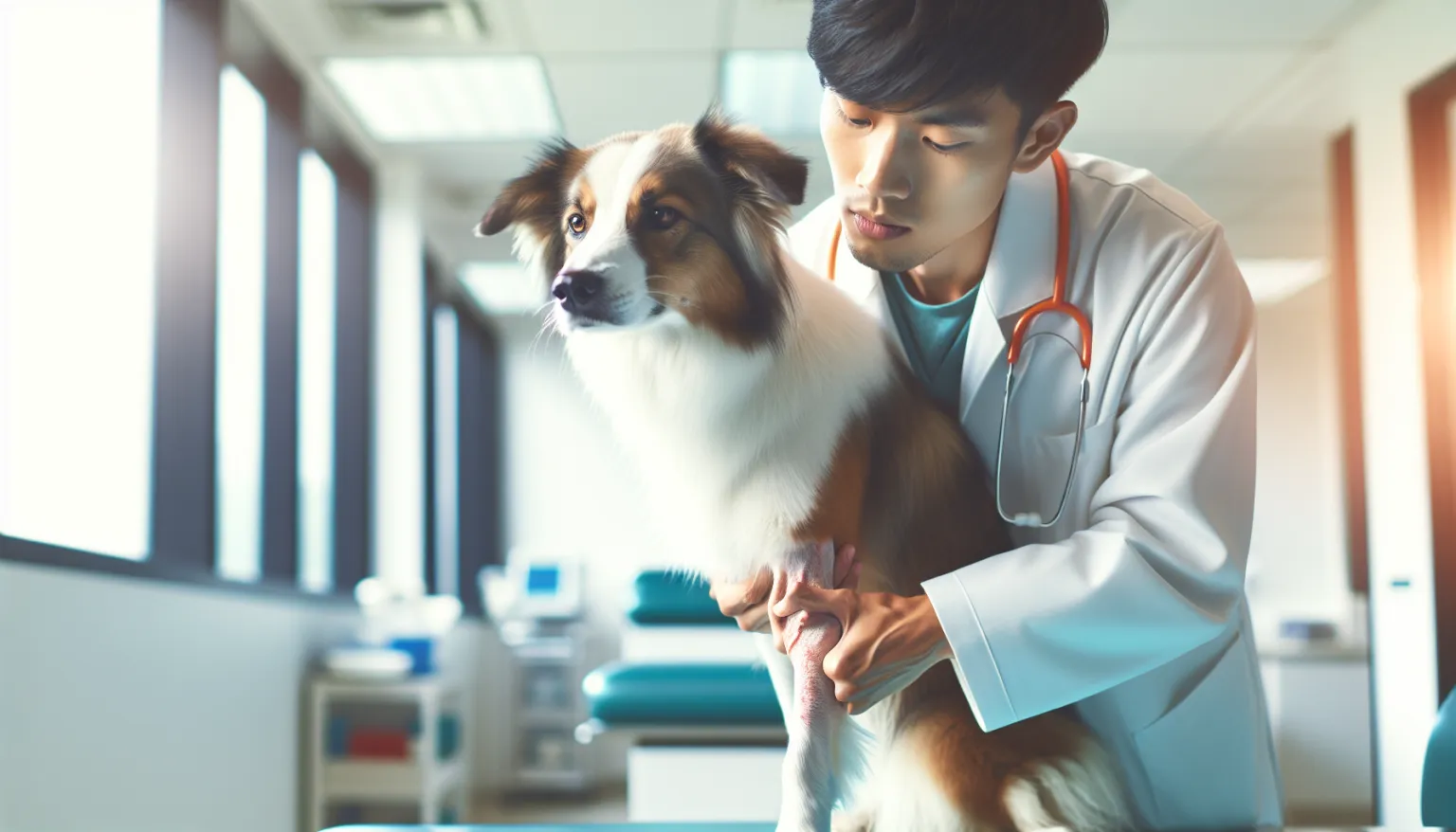
Luxating patella affects approximately 5 to 7% of Chihuahuas per OFA data. At 10 to 20 pounds, the Chug is large enough that patellar luxation is less common than in the smallest Chihuahua sizes, but monitoring remains warranted. Watch for intermittent skipping on a hind leg.
Fontanel Persistence
Some Chihuahuas have an open fontanel (molera) — a soft spot on the skull where the bones have not fully fused. This is generally harmless but worth knowing about, as head trauma carries elevated risk. Most Chugs do not inherit this trait, but it is occasionally present.
Managing the Priority Conditions
Airway Assessment and Weight Control
These two interventions are interconnected and together represent the most impactful longevity strategy for the Chug.
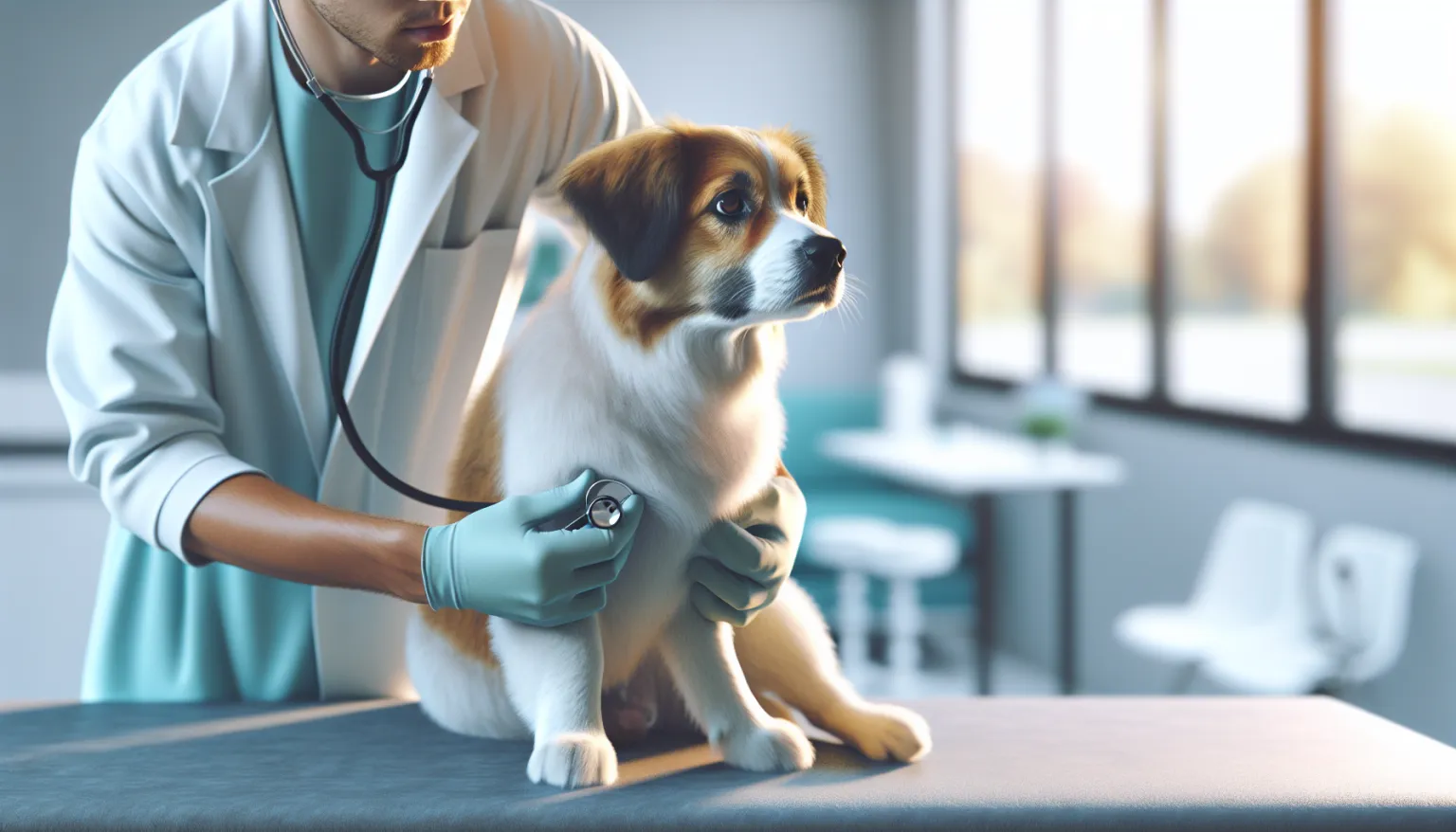
Step 1: Have your veterinarian assess airway function by age 6 months. If stenotic nares or elongated soft palate are identified, discuss surgical correction timing. Early intervention (ideally at spay/neuter age) produces the best long-term airway outcomes.
Step 2: Maintain lean body condition from day one. Target body condition score 4 to 5 on the 9-point scale. Use Feeding Guide for Small Breeds as your caloric framework. Measured meals only. Treats capped at 10% of daily calories. Monthly weighing. In a 10-pound Chug, even one excess pound represents 10% of body weight — enough to measurably worsen airway obstruction.
Dental Protocol
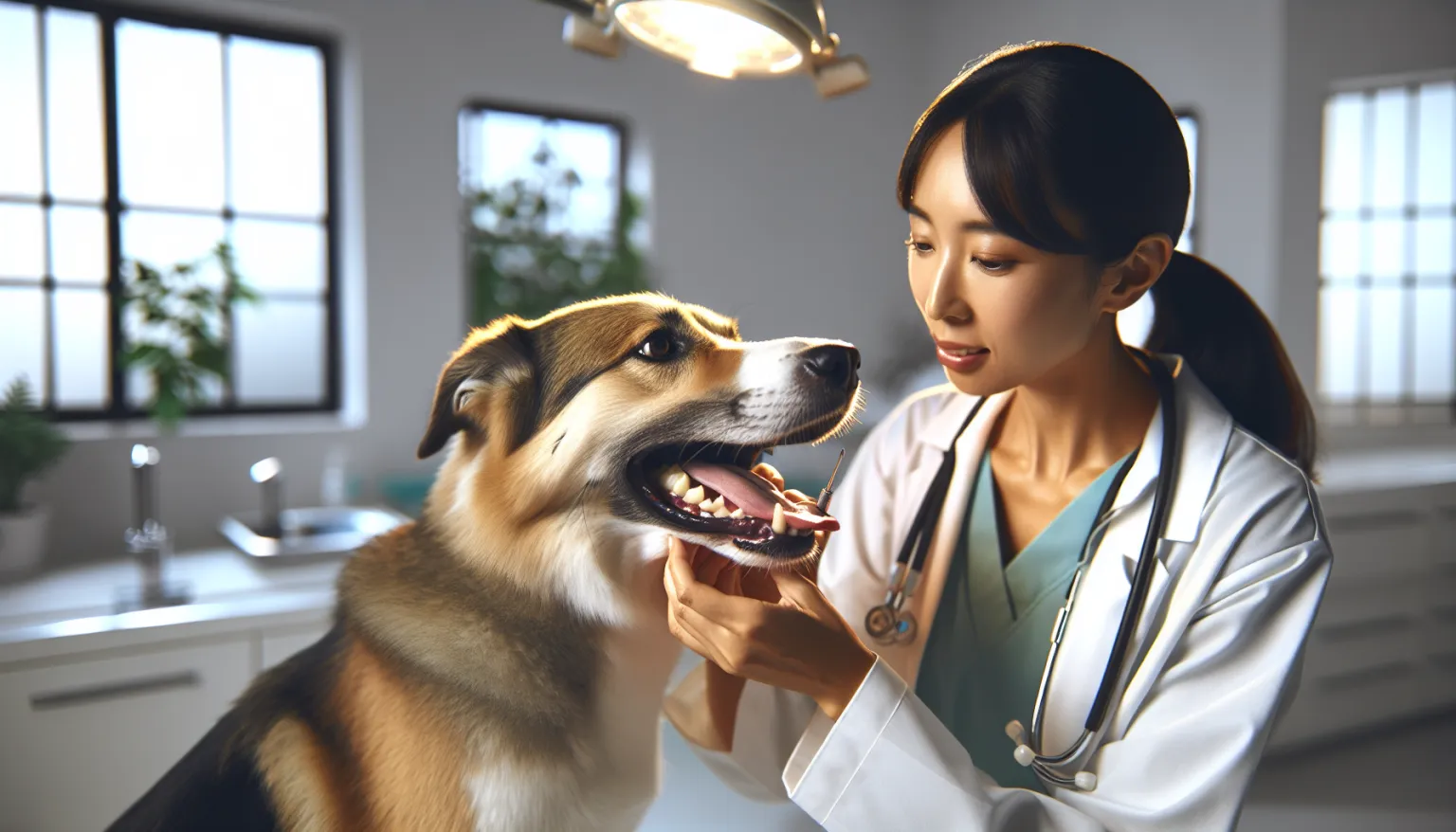
Daily tooth brushing starting in puppyhood. Dental chews for supplemental cleaning. Professional cleanings under anesthesia as recommended — annually for most Chugs. The anesthetic risk for brachycephalic dogs makes dental procedures somewhat higher-risk, which is precisely why preventing the need for extensive dental work through daily home care is so important.
Dental Health Nutrition Protocol provides additional dietary strategies.
Eye Protection
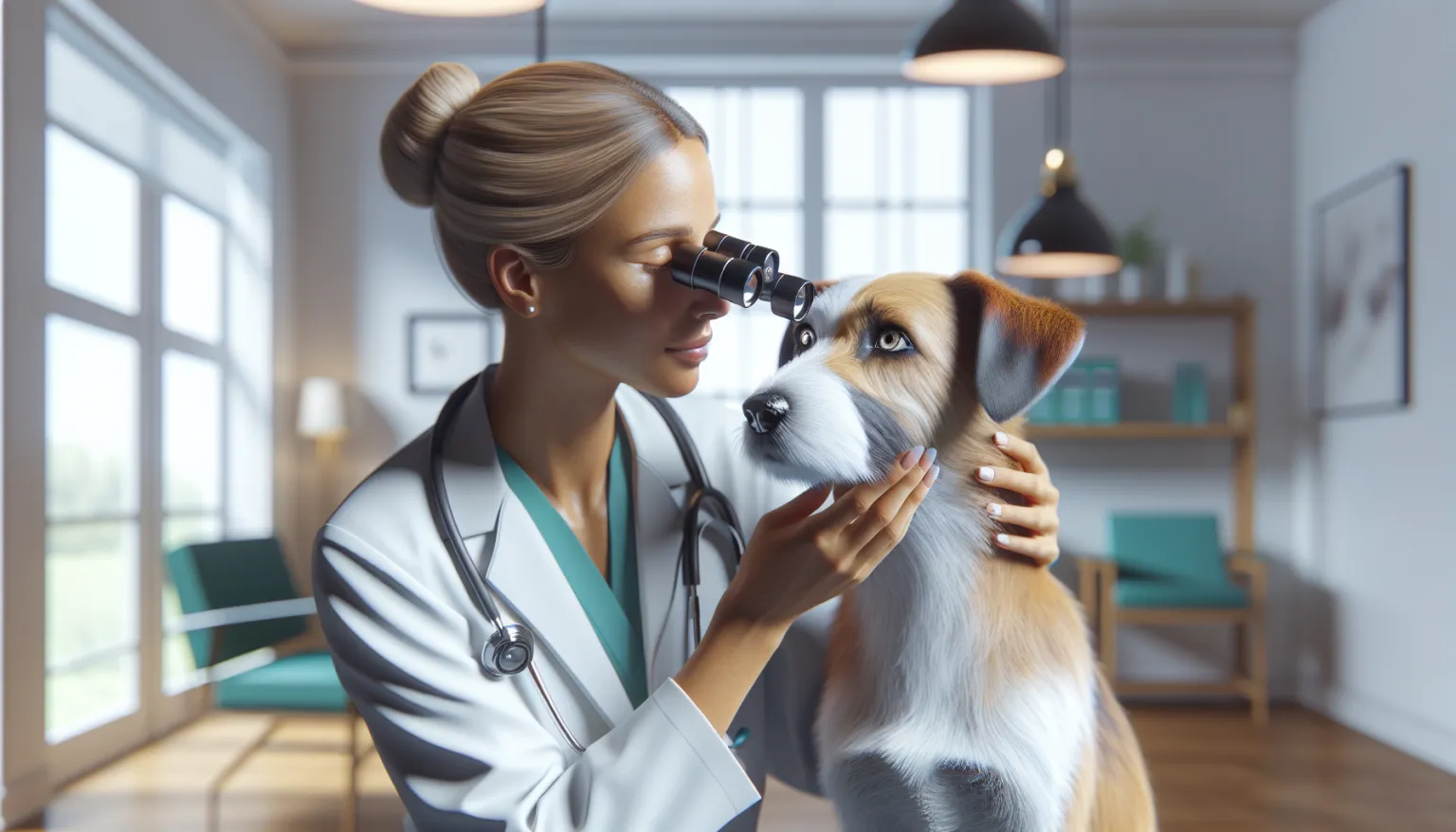
- Annual ophthalmologic exams to monitor for breed-related eye conditions
- Avoid situations where eye trauma is likely
- Seek immediate care for squinting, redness, cloudy discharge, or visible third eyelid
- If your Chug has prominent eyes, discuss prophylactic eye care (artificial tears, protective measures) with your veterinarian
Seizure Awareness
Know what a seizure looks like: sudden collapse, rigidity, paddling limbs, loss of consciousness. Time the episode and record video if possible. A single seizure warrants veterinary evaluation including bloodwork and neurological examination. Recurrent seizures may indicate idiopathic epilepsy or, in a Pug cross, potentially PDE — early MRI and cerebrospinal fluid analysis can help differentiate.
Nutrition Strategy
The Chug’s caloric needs are moderate for a small dog — approximately 300 to 500 calories daily depending on weight and activity level. The challenge is not quantity but discipline: both parent breeds gain weight easily, and excess weight directly compromises the brachycephalic airway.
Feed a high-quality, complete small-breed formula with named animal protein as the first ingredient. Omega-3 supplementation supports skin and coat health. Avoid free-feeding. If your Chug seems perpetually hungry, use puzzle feeders and divide daily rations into three meals to manage the behavioral component without adding calories.
Exercise Programming
Exercise capacity in the Chug depends entirely on airway function. If your dog has minimal brachycephalic anatomy, 30 to 40 minutes of daily activity is appropriate. If airway compromise is present, sessions should be shorter and lower-intensity.
- Short, multiple walks: two to three 10 to 15 minute sessions rather than one long walk
- Indoor play: appropriate for temperature extremes and provides controlled intensity
- Gentle training exercises: mental stimulation without respiratory demand
- Avoid: exercise in heat (above 75F/24C for brachycephalic Chugs), sustained high-intensity play, activities requiring prolonged panting
Monitor breathing during all exercise. If your dog stops, sits, or lies down during a walk, this is not laziness — it is a dog that has reached its respiratory limit. Respect it immediately.
Preventive Screening Timeline
- Puppy to 12 months: Airway assessment, patellar evaluation, initial eye exam, baseline bloodwork, dental assessment. Discuss surgical airway correction if indicated.
- 1 to 5 years: Annual wellness exam, ophthalmologic exam, dental cleaning, cardiac auscultation. Monitor weight meticulously.
- 6 to 9 years: Annual bloodwork, urinalysis. Continue annual eye exams. Cancer awareness (monthly mass checks).
- 10 to 12 years: Twice-yearly exams. Senior blood panel, cardiac reassessment, cognitive and mobility assessment.
- 13+ years: Geriatric monitoring. Pain management, quality-of-life scoring, comfort care planning.
Breed-Specific Research
- Cardiovascular Screening Cadence for Small-Breed Dogs: cardiac monitoring for small breeds.
- Eye Health Screening Frequency by Breed: ophthalmologic schedule for eye-vulnerable breeds.
- Senior Dog Screening Protocol: What to Test and When: comprehensive senior screening.
Condition-Specific Monitoring Triggers
Act on these signals:
- Brachycephalic Syndrome: Loud snoring, noisy breathing at rest, cyanosis (blue gums) during exercise, heat intolerance, gasping during sleep.
- Obesity: Ribs no longer easily palpable, loss of waist tuck, any upward weight trend.
- Dental Disease: Bad breath, red or swollen gums, difficulty chewing, facial swelling.
- Eye Conditions: Squinting, redness, cloudiness, excessive tearing, visible third eyelid.
- Luxating Patella: Intermittent skipping on a hind leg, sudden three-legged gait.
- Seizures/Epilepsy: Any seizure event, staring episodes, sudden confusion, head pressing.
12-Month Longevity Execution Plan
Quarter 1: Airway and Weight Baseline
- Complete airway assessment — document breathing quality at rest, during exercise, and during sleep
- Record starting weight and body condition score
- Begin daily dental care protocol
- Complete comprehensive eye exam and baseline bloodwork
Quarter 2: Weight Discipline
- Monthly weight checks — any upward trend requires immediate caloric adjustment
- Audit dental care compliance
- Report any new respiratory symptoms, eye changes, or neurological episodes
- Establish exercise routine matched to airway capacity
Quarter 3: Midyear Review
- Review six-month data: weight trajectory, respiratory status, dental health
- Schedule professional dental cleaning if indicated
- Repeat eye exam if initial screening showed concerns
- Reassess exercise protocol for seasonal temperature changes
Quarter 4: Annual Synthesis
- Build next year’s screening schedule
- Professional dental cleaning if not done in Q3
- Review all health data and adjust protocols
- Discuss any surgical interventions warranted for airway or dental health
When to Seek Emergency Care
Do not wait:
- Cyanosis (blue gums) from respiratory distress
- Heatstroke: excessive panting, drooling, collapse, rectal temperature above 104F (40C)
- Eye proptosis (eye displaced from socket) — cover with moist gauze and go immediately
- Any seizure lasting more than 5 minutes or clusters of multiple seizures
- Corneal ulcer signs: sudden squinting, tearing, cloudy eye
- Hypoglycemic episode in puppies: weakness, trembling, seizure
Home Tracking Dashboard
Monitor monthly:
- Weight and body condition score
- Respiratory quality: snoring level, exercise tolerance, breathing patterns during sleep
- Dental health: breath quality, gum condition, eating comfort
- Eye appearance: clarity, prominence, discharge patterns
- Gait quality — any skipping, stiffness, or limping
- Energy level and heat tolerance
- Behavioral baseline — any sudden changes, confusion, or neurological signs
Frequently Asked Questions
How long do Chugs live? Most Chugs live 10 to 14 years. This is a significant improvement over the purebred Pug (median 7.7 years in UK data) due to the Chihuahua’s longevity genetics and potential muzzle lengthening from the cross. Airway management and weight control are the two factors most likely to determine whether your Chug reaches the upper end of this range.
Will my Chug have breathing problems? It depends on how much brachycephalic anatomy was inherited from the Pug parent. Some Chugs have near-normal muzzle length and minimal airway issues. Others retain enough Pug skull compression to experience significant breathing difficulty. Have your veterinarian assess airway function early — do not accept snoring and snorting as normal.
Is my Chug overweight or is that just how they look? Use body condition scoring rather than appearance. At optimal weight, ribs should be easily palpable without excess fat covering, and there should be a visible waist tuck. Both parent breeds tend to look “round,” but that does not mean excess weight is harmless. In a brachycephalic cross, even modest obesity worsens airway obstruction.
Can I walk my Chug in summer? With caution. If your Chug has brachycephalic airway compromise, exercise in temperatures above 75F (24C) requires extreme care. Walk during early morning or late evening, carry water, and watch for signs of overheating. If your dog stops or lies down during a walk, stop immediately — this is a respiratory limit, not stubbornness.
Should I worry about seizures? Both parent breeds carry elevated seizure risk. The Pug is also susceptible to Pug dog encephalitis, a breed-specific inflammatory brain condition. Any seizure episode — even a single one — warrants full veterinary evaluation including bloodwork and neurological exam. Many dogs with epilepsy live full lifespans with appropriate management.
How important is dental care for a Chug? Critically important. Both parent breeds have among the highest dental disease rates in dogs. Daily brushing is the standard. Professional cleanings are typically needed annually. The complication for brachycephalic dogs is that dental procedures require anesthesia, which carries somewhat higher risk — making prevention through daily home care even more important.
References
[1] Prevalence of inherited disorders among mixed-breed and purebred dogs (Bellumori et al., JAVMA, 2013) [2] Brachycephalic obstructive airway syndrome in dogs (Liu et al., Veterinary Record, 2015) [3] Life span and mortality of Pugs in the UK (O’Neill et al., Scientific Reports, 2022) [4] Life expectancy, mortality, and longevity in companion dogs (Scientific Reports, 2024) [5] Orthopedic Foundation for Animals (OFA) [6] Merck Veterinary Manual [7] AAHA Canine Life Stage Guidelines
This content is for informational purposes only and does not constitute veterinary advice. Always consult a licensed veterinarian for decisions about your dog’s health, diagnosis, and treatment.
Related reads
Related Reading
Continue exploring