The Longest-Lived Cross You Can Find
Among popular designer breeds, the Cockapoo holds a quiet distinction: its lifespan range of 13-17 years is among the widest and highest of any crossbreed. This is not an accident. Both parent breeds — the Cocker Spaniel and the Miniature Poodle or Toy Poodle — are naturally long-lived for their size, and the first-generation cross benefits from genuine heterosis for many breed-specific genetic conditions.
The Cockapoo is also one of the oldest intentional crossbreeds, with breeding programs dating to the 1960s in the United States. That decades-long breeding history means more data exists on health outcomes than for most designer breeds. The picture that emerges is a generally robust small dog with specific vulnerabilities that respond well to proactive management.
Reaching the upper end of that 13-17 year range is achievable. It requires understanding where the risks concentrate and building prevention habits early, because in a small dog with this kind of longevity potential, the habits you establish at age 2 are still paying dividends at age 14.
What Hybrid Vigor Actually Means for Your Cockapoo
First-generation Cockapoos benefit from crossing two genetically distinct purebred populations. A 2013 study in the Journal of the American Veterinary Medical Association confirmed that mixed-breed dogs had lower prevalence of 10 out of 24 genetic disorders compared to purebreds, particularly for conditions driven by simple recessive inheritance patterns.
For the Cockapoo, this translates into potentially lower rates of breed-specific conditions that are deeply entrenched in individual parent breed lines. However, conditions that both Cocker Spaniels and Poodles share — including ear infections, progressive retinal atrophy, and certain orthopedic issues — receive no heterosis benefit, because the same genetic vulnerabilities come from both sides.
Multigenerational Cockapoo breeding reduces heterosis as the gene pool narrows. If your Cockapoo comes from Cockapoo-to-Cockapoo or Cockapoo-to-Poodle crosses, expect the health profile to resemble a population average rather than benefiting from first-cross vigor.
The Cocker Spaniel Side: Ears, Eyes, and Metabolic Traps
The American Cocker Spaniel contributes the Cockapoo’s warmth, expressiveness, and enthusiastic personality. It also contributes several well-documented health vulnerabilities.
The Ear Problem
Cocker Spaniels have the longest ears of any sporting breed, and those ears create an enclosed, warm, moist environment inside the ear canal that bacteria and yeast thrive in. Add the Poodle’s ear canal hair, and you have a Cockapoo that is essentially engineered for chronic ear infections.
This is not a nuisance problem. Recurrent otitis leads to structural ear canal changes, chronic pain, hearing loss, and repeated courses of antibiotics that can drive resistance. Weekly ear cleaning with a veterinary-recommended solution is a medical intervention, not grooming — and it should be treated with the same consistency as feeding.
Eye Disease From Both Sides
Cocker Spaniels carry elevated risk for cataracts, glaucoma, cherry eye, and progressive retinal atrophy. Poodles independently carry PRA risk and cataract predisposition. When both parent breeds contribute eye disease vulnerability, the offspring inherits a compounded risk profile.
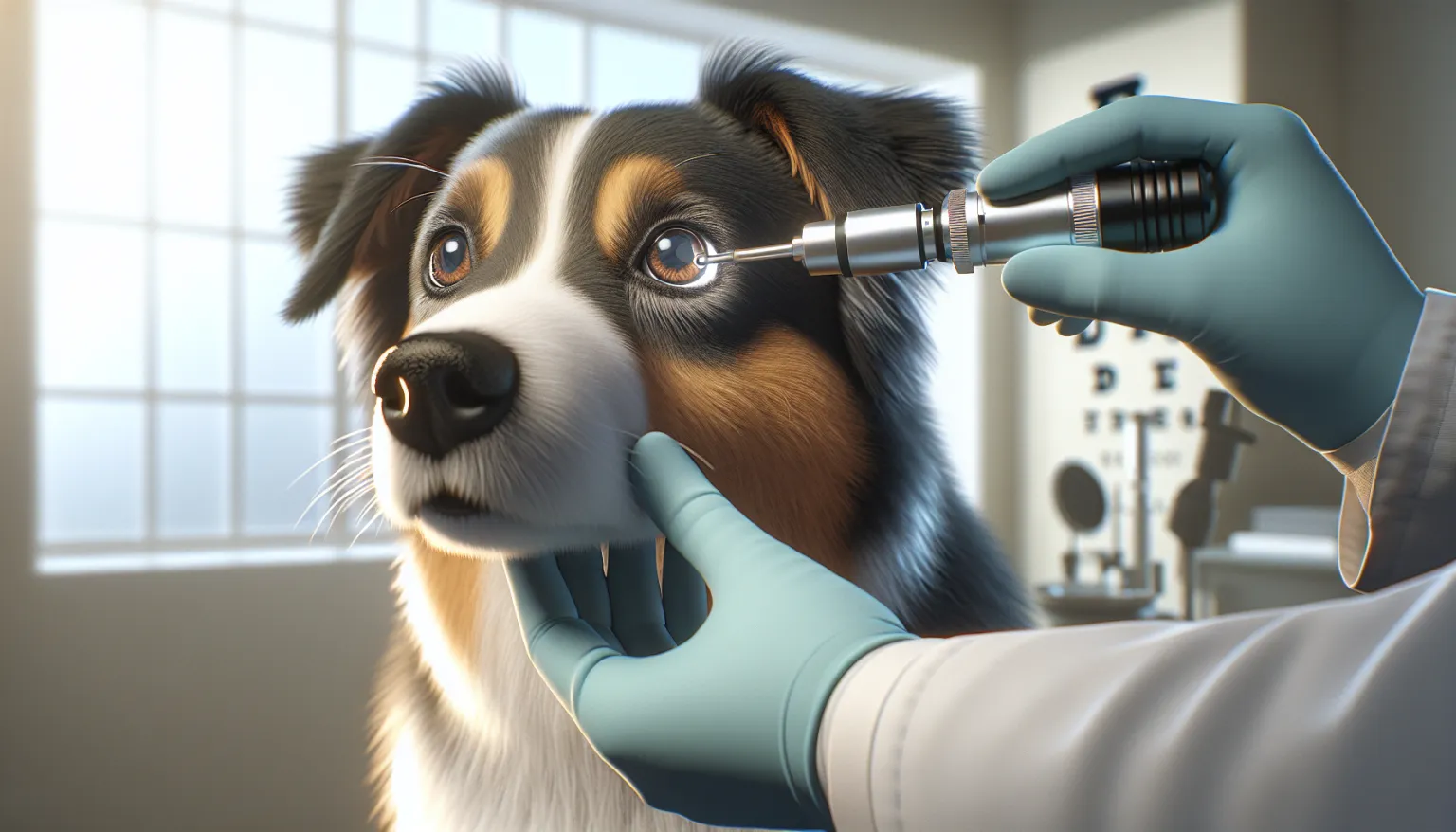
Progressive retinal atrophy (PRA) causes gradual vision loss beginning with night blindness. Responsible breeders test for prcd-PRA before crossing. If your Cockapoo’s breeding background is unknown, ophthalmologic evaluation by age 3-4 is a reasonable precaution, with follow-up exams at least every two years.
Cataracts can develop at any age in predisposed dogs. Early detection through routine eye exams preserves the option for surgical intervention when cataracts progress to the point of significantly affecting vision and quality of life.
Metabolic Tendencies
Cocker Spaniels are prone to weight gain and hypothyroidism — a condition where the thyroid gland underproduces hormones, leading to weight gain, lethargy, skin changes, and coat thinning. Hypothyroidism typically develops in middle age and is treatable with daily medication, but it needs to be detected to be treated.
If your Cockapoo starts gaining weight despite consistent feeding, becomes less energetic, or develops unexplained skin and coat changes in midlife, thyroid screening (T4 panel) should be part of the diagnostic workup. Do not assume weight gain in a middle-aged dog is simply “aging.”
The Poodle Contribution: Intelligence, Longevity, and Shared Vulnerabilities
Poodles bring intelligence, trainability, coat characteristics, and a genetic predisposition for longevity. Miniature Poodles average 14-16 years, providing the genetic foundation for the Cockapoo’s impressive lifespan potential.
Poodle-origin concerns relevant to Cockapoos include:
- Luxating patella: common in Miniature and Toy Poodles, making this a double-loaded risk since Cocker Spaniels also carry predisposition
- Atopic dermatitis: environmental allergies that can drive chronic skin inflammation
- Sebaceous adenitis: a progressive skin condition more common in Standard Poodles but occasionally seen in smaller varieties
- Addison’s disease: hypoadrenocorticism, which can cause vague symptoms that are easy to miss
Knee Health: A Priority for This Size
Luxating patella affects small and toy breeds at elevated rates, and the Cockapoo inherits this vulnerability from both parent lines. The condition ranges from grade I (intermittent, self-correcting) to grade IV (permanently displaced).
The most important thing you can do is keep your Cockapoo lean. At 12-25 lbs, excess weight places disproportionate stress on the stifle joint. Monthly weight checks, measured feeding, and maintaining a body condition score of 4-5 on the 9-point scale protect knee function throughout life.
Watch for the telltale signs: intermittent skipping on a hind leg, sudden holding up of a leg that resolves within steps, or reluctance to jump. Have patellar stability evaluated at every routine vet visit.
Skin and Coat as Health Indicators
Atopic dermatitis from the Poodle side and general skin sensitivity from the Cocker side mean many Cockapoos deal with environmental allergies. The Cockapoo’s coat — ranging from loose waves to tight curls — requires regular grooming to prevent matting that traps allergens and moisture against the skin.
Brush thoroughly every 2-3 days. Schedule professional grooming every 5-7 weeks. Treat persistent scratching, paw licking, or recurrent hot spots as signals for allergen investigation, not just grooming problems.
Hip Dysplasia in a Smaller Frame
Hip dysplasia is less commonly associated with small breeds, but Cocker Spaniels have a documented prevalence that exceeds many people’s expectations. OFA data shows American Cocker Spaniels with hip dysplasia rates higher than several large-breed dogs. The Poodle cross does not eliminate this risk.
For Cockapoos at the larger end of the weight range (20-25 lbs), hip evaluation is worth including in the baseline screening panel. Lean body condition and appropriate exercise protect joint health regardless of initial hip conformation.
Nutrition for a Long-Lived Small Breed
Cockapoos need precise caloric management throughout their long lives. At 12-25 lbs, small caloric excesses accumulate into clinically significant weight gain faster than owners expect.
Use Feeding Guide for Small Breeds as your framework. Key principles:
- Measured meals with a consistent feeding schedule
- Treats limited to 10% of daily caloric intake
- Monthly body condition scoring with rib palpation
- Immediate dietary adjustment when body condition score exceeds 5/9
Omega-3 Fish Oil for Dogs supports both skin health and anti-inflammatory pathways relevant to joint and eye conditions. For dogs with thyroid or metabolic concerns, work with your vet to ensure the nutrition plan supports rather than complicates management.
Exercise Across 13-17 Years
Cockapoos are energetic, playful dogs that benefit from 45-60 minutes of daily activity. Both parent breeds were originally sporting or working dogs, and the Cockapoo retains that desire for engagement and physical activity well into senior years.
Mix walking, play, training, and mental enrichment. Swimming is an excellent low-impact option if your Cockapoo enjoys water — but always dry ears thoroughly afterward. Adjust intensity and duration as your dog ages, but maintain daily activity even in the senior years. The loss of conditioning that comes from inactivity accelerates decline faster than age alone.
Preventive Screening Schedule
- Puppy to 2 years: Patellar evaluation, baseline eye exam, ear care routine establishment. Begin dental hygiene. Socialization and handling tolerance training for lifelong veterinary cooperation.
- 3 to 7 years: Annual wellness with eye exam, patellar check, cardiac auscultation, dental assessment. Maintain grooming and ear care protocols. Add thyroid screening at midlife (age 5-6).
- 8 to 11 years: Comprehensive bloodwork including thyroid panel. Increase eye exam frequency. Monitor for arthritis development. Senior dental evaluation and cleaning schedule.
- 12+ years: Twice-yearly exams. Senior metabolic panel, mobility assessment, cognitive evaluation, pain scoring, and updated dental and cardiac monitoring.
Breed-Specific Research
- Dental Disease in Dogs: Oral Health and Longevity: oral health protocols for small-breed longevity management.
- Blood Pressure Monitoring in Dogs: The Silent Risk Most Owners Miss: cardiac screening and early detection approaches.
- Senior Dog Screening Protocol: What to Test and When: structured screening for dogs with 13+ year life expectancy.
Condition-Specific Monitoring Triggers
- Luxating Patella: Intermittent hind-limb skipping, reluctance to jump, stiffness after rest.
- Progressive Retinal Atrophy: Reduced confidence in dim lighting, bumping into objects, dilated pupils.
- Ear Infections: Head shaking, ear odor, dark discharge, scratching at ears, or head tilt.
- Cataracts: Cloudiness in the lens, reduced vision confidence, difficulty tracking objects.
- Hip Dysplasia: Difficulty rising, bunny-hopping gait, reluctance to climb or exercise.
- Atopic Dermatitis: Seasonal or persistent itching, paw licking, face rubbing, recurrent skin infections.
- Hypothyroidism: Unexplained weight gain, lethargy, coat thinning, cold intolerance, or skin changes in midlife.
12-Month Longevity Execution Plan
Quarter 1: Baselines
- Record weight, body condition score, patellar stability, and eye exam results
- Establish daily ear cleaning protocol and dental hygiene routine
- Set feeding framework with measured meals and explicit treat accounting
- Complete baseline bloodwork and cardiac auscultation
Quarter 2: Habit Reinforcement
- Audit compliance with ear care, dental care, and feeding protocols
- Compare weight and gait quality against Q1 baselines
- Report any persistent scratching, eye changes, or behavioral shifts
- Schedule outstanding genetic or ophthalmologic testing
Quarter 3: Midyear Assessment
- Evaluate the effectiveness of your prevention habits over six months
- Reassess eye health and patellar stability
- Adjust exercise and grooming protocols for seasonal factors
- Add thyroid screening if your dog is age 5+
Quarter 4: Annual Review
- Full-year data synthesis into next year’s screening calendar
- Complete senior bloodwork if age-appropriate
- Year-end eye exam, dental assessment, and cardiac evaluation
- Refine escalation criteria based on observed patterns
When to Seek Emergency Care
- Sudden vision loss or acute eye pain (squinting, tearing, cloudiness)
- Collapse, fainting, or acute lethargy
- Seizure activity lasting more than 5 minutes
- Complete food refusal for 24+ hours with unusual behavior
- Severe respiratory distress or blue gum color
- Sudden, severe lameness or inability to bear weight
Home Tracking Dashboard
Monitor monthly:
- Weight and body condition score
- Ear health: odor, discharge, head-shaking frequency
- Eye clarity: any cloudiness, tearing, or behavior suggesting vision changes
- Gait quality: skipping, limping, or reluctance to jump
- Coat and skin condition: scratching, hot spots, hair thinning
- Energy level and exercise tolerance
- Sleep quality and behavioral consistency
Frequently Asked Questions
Why do Cockapoos live so long? Both parent breeds are naturally long-lived for their size, and the first-generation cross benefits from hybrid vigor. Small body size confers biological advantages: lower metabolic rate per unit mass, reduced oxidative stress, and slower cellular aging.
Are ear infections a guaranteed problem? Not guaranteed, but highly probable without consistent prevention. Both parent breeds contribute ear anatomy that promotes infection. Weekly ear cleaning and post-swim ear drying prevent the majority of episodes.
When should eye screening start? Baseline ophthalmologic exam by age 3-4, with follow-ups at least every two years. Both parent breeds carry PRA and cataract risk, making this a double-loaded vulnerability that benefits from early and ongoing monitoring.
Should I worry about hypothyroidism? Monitor for it, especially after age 5. The Cocker Spaniel side carries elevated hypothyroidism risk. If your Cockapoo gains weight despite consistent feeding, shows decreased energy, or develops coat changes, request a thyroid panel.
What is the single best longevity habit for this breed? Consistent ear care is arguably the highest-return daily habit, because it prevents the chronic infection cycle that erodes quality of life across many years. Weight management is the close second, protecting joints, metabolism, and cardiovascular health simultaneously.
Is hip dysplasia really a concern in a small dog? Yes, for Cockapoos at the larger end of the weight range. Cocker Spaniels have a higher hip dysplasia prevalence than many owners expect. Lean body condition and appropriate exercise reduce risk and slow progression.
How much exercise does a Cockapoo need? Most thrive on 45-60 minutes of daily activity, mixing walking, play, and mental enrichment. Both parent breeds were sporting dogs, and the Cockapoo retains meaningful exercise needs throughout life — including the senior years, when maintained activity protects against accelerated decline.
References
[1] Prevalence of inherited disorders among mixed-breed and purebred dogs (Bellumori et al., JAVMA, 2013) [2] Life expectancy, mortality, and longevity in companion dogs (Scientific Reports, 2024) [3] Orthopedic Foundation for Animals (OFA) [4] Merck Veterinary Manual [5] AAHA Canine Life Stage Guidelines [6] AKC Cocker Spaniel Breed Information
This content is for informational purposes only and does not constitute veterinary advice. Always consult a licensed veterinarian for decisions about your dog’s health, diagnosis, and treatment.
Related reads
Related Reading
Continue exploring