Where the Harrier Stands in the Longevity Landscape
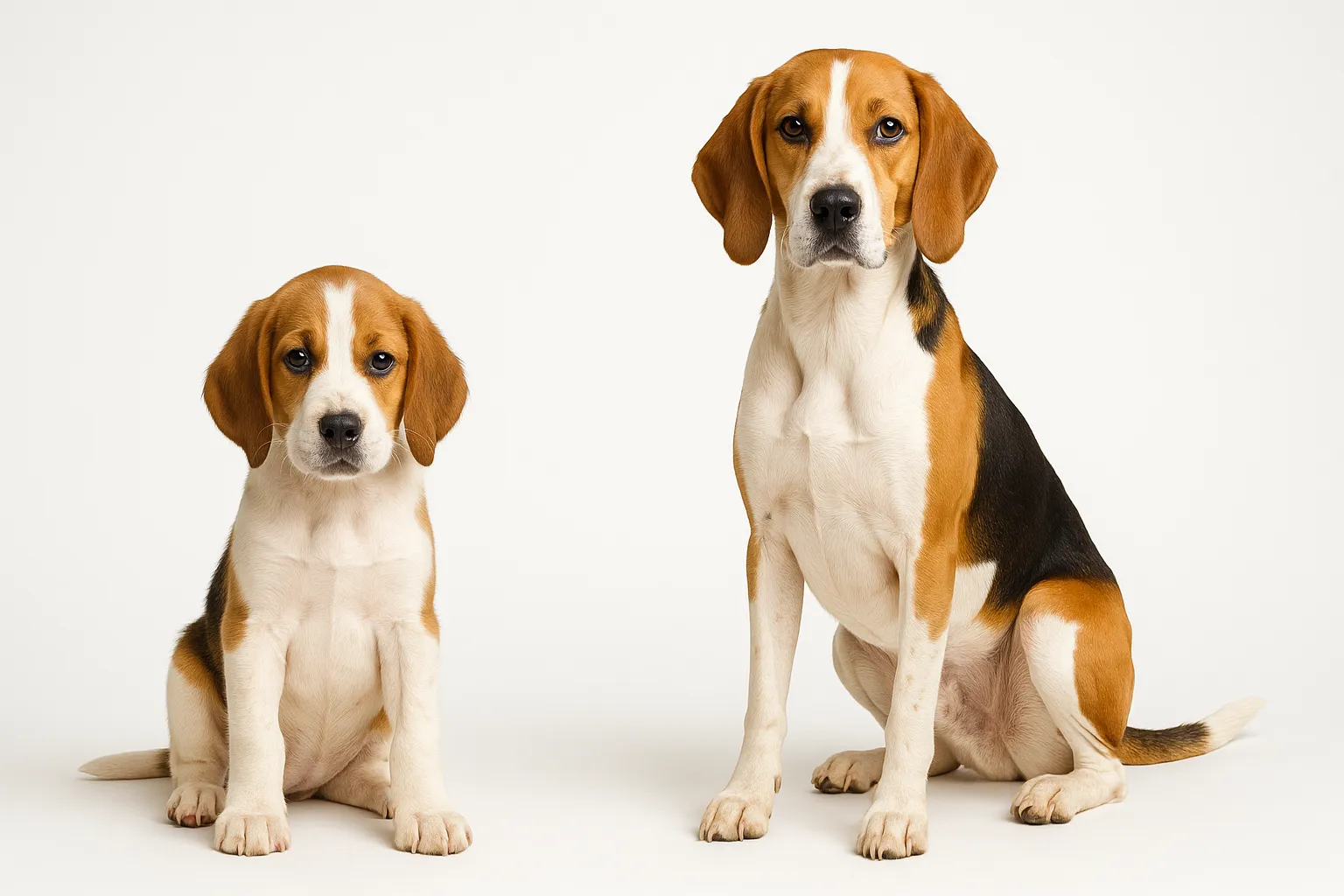
Think of the Harrier as a larger, faster Beagle — a medium-sized English pack hound developed for hunting hare at a pace that lets mounted or running hunters follow along. Harriers share many of the same health characteristics as their smaller cousins: long lifespan for a medium working hound, hip dysplasia susceptibility, and persistent ear troubles.
Most Harriers live 12-15 years, reflecting the general robustness of pack hunting hound genetics. The breed is rare in the United States, which limits breed-specific research but also preserves reasonable genetic diversity.
No severe high-penetrance single-gene disorders dominate the health profile. The biggest management challenges are moderate hip dysplasia risk, ear infections driven by classic hound ear anatomy, and hypothyroidism in middle age.
Breed History and How It Shapes Modern Health
The Harrier’s origins extend back to 13th-century England, making it one of the oldest scent hound breeds in the British Isles. These dogs were specifically developed to hunt hare in packs — a pursuit demanding sustained endurance over rolling countryside for hours at a time. Unlike the faster foxhound, the Harrier was bred to maintain a pace that human hunters on foot could follow, which selected for stamina over speed.
This breeding history has direct implications for modern health management. Centuries of selection for endurance running created a cardiovascular system and musculoskeletal framework optimized for sustained moderate-intensity work. The joints, tendons, and ligaments in a Harrier are built for miles of daily movement — which means a sedentary household Harrier is using its body in ways it was never designed for. The resulting mismatch drives the breed’s two most common management problems: obesity from insufficient exercise and accelerated joint disease from carrying excess weight on frames built for lean endurance work.
Pack breeding also shaped the Harrier’s social brain. These dogs were never kenneled individually — they lived, worked, ate, and rested as a pack. That deep social wiring means isolation is not merely uncomfortable for a Harrier; it represents a fundamental environmental mismatch that drives chronic stress, behavioral deterioration, and potentially immune suppression. Understanding this history reframes “separation anxiety” in Harriers not as a behavioral problem but as a predictable consequence of breed-environment mismatch.
The breed’s relative rarity in modern breeding programs has preserved reasonable genetic diversity compared to more popular breeds with tighter bottlenecks. However, small breeding populations carry their own risk — limited gene pool means individual carrier dogs have outsized influence on population health.
The Health Conditions That Define This Breed
Hip Dysplasia
Hip dysplasia appears in Harriers at moderate rates typical for medium pack hounds. OFA data places the breed in a risk category similar to Beagles. The condition begins with abnormal hip joint development and progresses into chronic arthritis, pain, and mobility loss.
An OFA hip evaluation at 24 months gives you a structural baseline to work from. Lean body condition and omega-3 supplementation support joint health over the long term. Weight control alone can reduce hip dysplasia severity by up to 50% — the most impactful modifiable factor for this breed’s primary orthopedic concern.
Early signs are subtle in a stoic hound breed: slight reluctance to jump, mild stiffness after prolonged rest, or a barely perceptible shift in gait symmetry after exercise. Do not wait for obvious lameness.
See the Hip Dysplasia guide for full prevention and management detail.
Ear Infections (Otitis Externa)
Those long hound ears create a warm, enclosed environment perfect for otitis externa. The anatomy is the problem — pendulous ears trap moisture, block airflow, and create ideal conditions for bacterial and yeast overgrowth. Weekly inspection and cleaning prevent most infections. Always clean ears after water exposure.
Recurrent infections warrant culture-guided treatment to target the specific bacteria or yeast involved, rather than empiric antibiotic cycling that risks resistance. Chronic otitis can progress to middle ear involvement (otitis media), which is significantly more difficult and expensive to treat.
Signs to watch for: head shaking, ear scratching, odor from the ear canal, dark discharge, and redness or swelling of the ear flap interior. Any of these warrant veterinary evaluation within 2-3 days.
See the Ear Infections (Otitis Externa) guide for full prevention and management detail.
Hypothyroidism
Hypothyroidism occurs in Harriers at rates similar to related hound breeds. The condition involves inadequate thyroid hormone production, typically due to autoimmune thyroiditis or idiopathic thyroid atrophy.
Annual T4/TSH panels from age 4-5 catch it early. Free T4 by equilibrium dialysis provides the most accurate assessment when screening results are borderline. Watch for weight gain despite unchanged food intake, coat changes (thinning, dullness, delayed regrowth after clipping), lethargy, cold intolerance, and a characteristic “tragic” facial expression caused by myxedema.
Daily levothyroxine effectively manages the condition once diagnosed. The ongoing burden is minimal — periodic dose adjustments based on follow-up bloodwork every 6-12 months.
See the Hypothyroidism guide for full prevention and management detail. For monitoring frameworks, see Canine Hypothyroidism Longevity Management and Thyroid Screening Protocol for Dogs.
Dental Disease
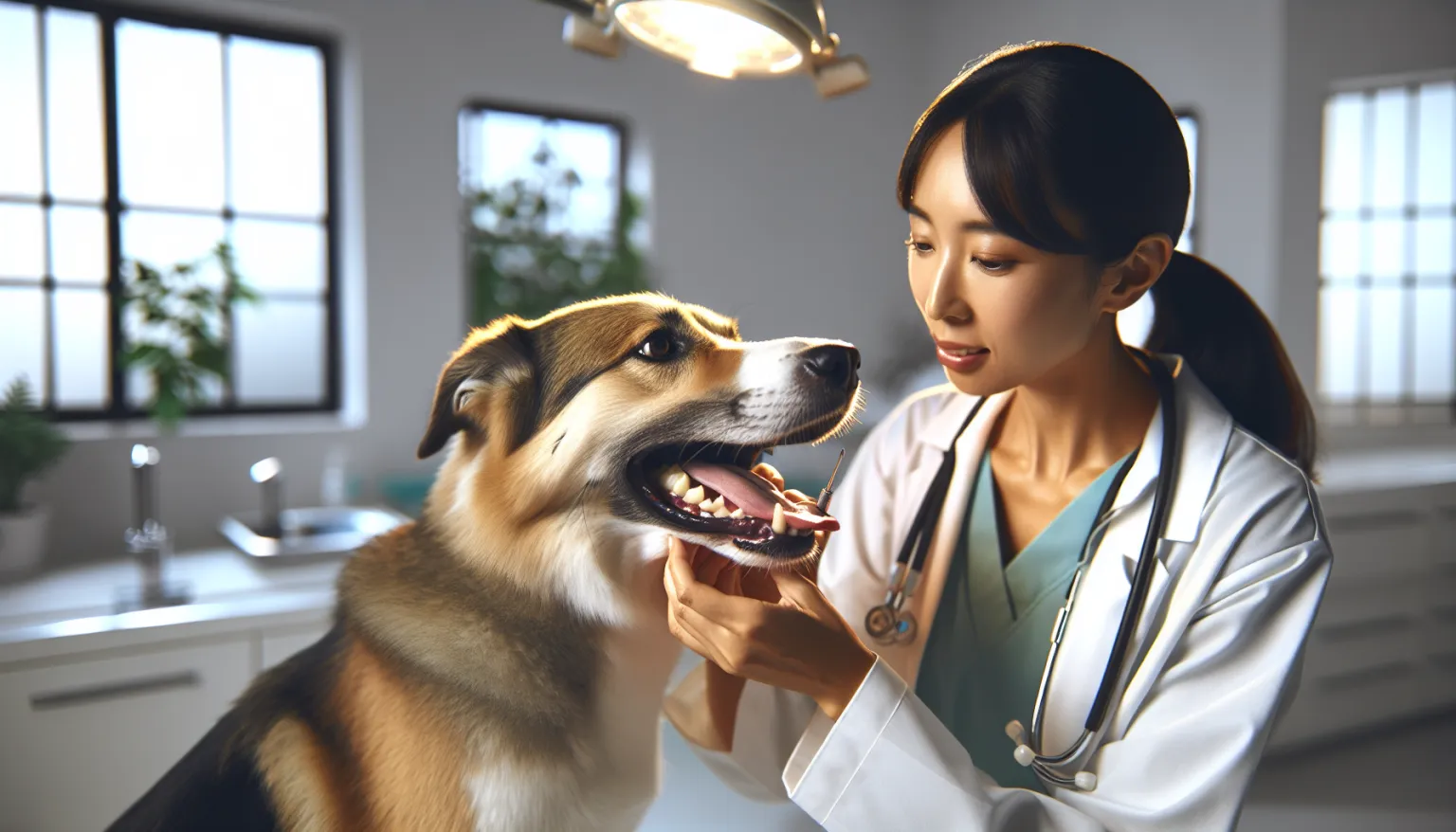
Dental disease is a commonly underappreciated health concern in Harriers, as in most hound breeds. Periodontal disease drives systemic inflammation and is associated with cardiac, renal, and hepatic disease progression. Annual professional dental assessments and a home dental care routine (brushing 3-4 times weekly) provide the best prevention.
See the Dental Disease guide for full detail and Dental Disease and Longevity in Dogs for the evidence linking oral health to lifespan.
Obesity
Obesity is arguably the single most preventable longevity threat in Harriers. Pack hounds evolved to consume large meals opportunistically and store energy efficiently — survival traits in a hunting context that become liabilities in a household environment with consistent food access and limited exercise. Even moderate excess weight (10-15% above ideal) accelerates hip dysplasia, increases cancer risk, and shortens lifespan by an estimated 1.8 years based on the Purina Lifetime Study data.
See the Obesity guide and Canine Obesity and Lifespan Evidence for the full evidence base.
What Actually Moves the Needle
Pack Breed Management
Harriers were bred to work in packs, and that social wiring runs deep. These are highly social dogs that do best with canine companionship or substantial human interaction. Isolation and lack of social contact trigger anxiety and behavioral issues. Providing appropriate social outlets — whether canine companions, regular human engagement, or actual pack hunting — reduces behavioral stress load and supports cognitive health over the long haul.
Research from the Dog Aging Project demonstrates that dogs with higher social engagement show fewer signs of cognitive decline. For a pack-bred hound like the Harrier, social enrichment is not optional — it is a core longevity intervention. See Social Enrichment and Dog Longevity.
Ear and Weight Routine
The two most consistent ongoing management priorities for Harriers are ear care and body weight. Weekly ear cleaning and post-water drying, plus measured feeding and regular exercise. These simple, consistent practices prevent the two most likely progressive conditions — chronic ear disease and obesity-accelerated joint disease — that erode quality of life in middle and senior Harriers.
Hound Activity Management
Harriers have endurance-oriented activity needs, not sprint-oriented ones. Long walks, hiking, and scent-tracking activities meet both physical and mental exercise requirements. During skeletal maturation, avoid forcing high-impact exercise (jumping, hard-surface running) to protect developing joints.
Exercise Protocols by Life Stage
Puppy (0-14 months)
Harrier puppies are energetic and enthusiastic, but their growing skeleton needs protection. Follow the “5 minutes per month of age” guideline for structured walks on hard surfaces. Supplement with free play on soft ground, supervised socialization with appropriate-sized dogs, and short scent-training games that engage the nose without stressing joints.
Avoid repetitive high-impact activities — jumping, stair running, and hard-surface sprinting — until growth plates close around 12-14 months. See Puppy Nutrition for Longevity for growth-phase feeding guidance.
Adult (14 months - 9 years)
Adult Harriers need 60-90 minutes of daily exercise, with emphasis on endurance activities rather than intense bursts. The ideal exercise mix includes long walks or hikes (30-60 minutes), scent work and tracking exercises (engages the breed’s primary cognitive drive), off-leash running in secure areas, and swimming (excellent low-impact cardiovascular work).
These are pursuit athletes — they thrive on movement that lets them use their nose while covering ground. Structured scent trails, tracking exercises, and field activities meet both physical and mental needs simultaneously. See Exercise Protocols by Breed Size.
Senior (9+ years)
Transition gradually, not abruptly. Watch for increased post-exercise recovery time and morning stiffness as signals to modify. Maintain daily walks but reduce distance and pace as needed. Swimming remains excellent low-impact exercise throughout the senior years. Add nose work and puzzle activities to maintain cognitive engagement as physical capacity declines. See Age-Appropriate Exercise Transitions.
Breed-Specific Genetic Testing Recommendations
Given the Harrier’s relatively clean genetic profile, testing priorities focus on orthopedic evaluation and general health screening rather than single-gene disorders:
- OFA hip evaluation at 24 months — the primary orthopedic screen for the breed
- PennHIP evaluation — provides a more precise predictive index for hip dysplasia development, particularly useful for breeding decisions
- CAER eye examination — screens for heritable eye conditions including progressive retinal atrophy and cataracts
- Thyroid panel — baseline at age 3-4, then annually, to detect autoimmune thyroiditis before clinical hypothyroidism develops
- Cardiac auscultation — annual screening for congenital or acquired cardiac disease
Match your genetic panel to your breed’s documented risks and build a monitoring playbook around the results. One-time testing without follow-through is just expensive curiosity. Testing has the most value when it changes what gets measured this quarter. See Genetic Testing for Dogs: Clinical ROI.
Nutrition Guidance for Harriers
Macronutrient Framework
Harriers do well on complete medium-breed adult diets. Target 25-30% protein from quality animal sources to support lean muscle mass, and 10-15% fat. Pack hounds evolved for efficient calorie utilization — which means they need fewer calories than their size and activity level might suggest, particularly in household settings.
Breed-Specific Nutritional Priorities
- Caloric management: This is the single most important nutritional consideration. Harriers tend toward weight gain in sedentary household settings. Measure all food (including treats) and adjust portions based on monthly body condition scoring. Free-feeding is strongly discouraged. See Weight Management Feeding Protocol.
- Joint support: Given hip dysplasia risk, omega-3 fatty acids (EPA and DHA from fish oil) are a baseline recommendation dosed at 50-100mg combined EPA/DHA per kg body weight. See Omega-3 Fish Oil for Dogs.
- Dental health nutrition: Dental chews and textured foods that promote mechanical cleaning support oral health between professional cleanings. See Dental Health Nutrition Protocol for Dogs.
- Feeding frequency: Feed twice daily with measured portions. Avoid single large meals.
See Feeding Guide for Medium Breeds for the complete framework.
Supplement Recommendations with Reasoning
-
Omega-3 fish oil — Primary supplement for joint support, anti-inflammatory protection, and coat health. The breed’s hip dysplasia risk makes this the highest-return daily supplement. See Omega-3 Fish Oil for Dogs.
-
Glucosamine/chondroitin — Cartilage support for dogs with documented or at-risk hip dysplasia. Modest evidence but excellent safety profile. See Glucosamine Chondroitin for Dogs.
-
Probiotics — Supports gut health and immune function. Particularly relevant for hound breeds with robust appetites and potential dietary indiscretion. See Probiotics for Dogs.
-
CoQ10 — Supports mitochondrial function and cardiovascular health as dogs age. See CoQ10 for Dogs.
See Evaluating Longevity Supplement Claims for Dogs for how to assess supplement evidence critically.
Environmental Considerations
Climate Tolerance
Harriers have a short, dense double coat that provides moderate cold weather protection. They tolerate temperatures from approximately 25F (-4C) to 85F (29C) for moderate activity. In hot weather, limit exercise to cooler hours and provide shade and water access. The breed’s endurance-oriented metabolism generates significant body heat during exercise, which can become dangerous in warm conditions. See Heat Stress Risk Management for Dogs.
Living Space
Harriers are not apartment dogs. They need a securely fenced yard — minimum 5-foot fence, as these athletic hounds can clear lower barriers when motivated by a scent trail. The breed’s tracking instinct means they will follow a scent over, under, or through inadequate fencing. Secure containment is a direct longevity factor, as escape-related injuries and traffic encounters represent significant non-disease mortality risk.
Indoor environments should be moderately spacious. Harriers are active indoor dogs that pace and explore, particularly when under-exercised.
Noise Considerations
Harriers have a musical baying voice that carries significant distance. In dense residential environments, this can create neighbor conflicts. Managing vocalization through adequate exercise, social engagement, and scent enrichment is both a behavioral and practical consideration.
Mental Health and Enrichment Needs
Harriers are scent-driven problem solvers. Their cognitive needs center on olfactory engagement rather than the task-based work that herding breeds require.
Structured Enrichment Protocol
- Scent work: The highest-value mental enrichment for this breed. Hide treats, use scent trails in the yard, or participate in organized nosework classes and trials.
- Social interaction: Daily interaction with other dogs or extensive human companionship. Harriers housed alone without adequate social contact develop stress behaviors.
- Puzzle feeders: Scatter-feed or use puzzle toys to extend meal engagement and activate foraging behavior.
- Novel environments: Regular exposure to new hiking trails, parks, and scent-rich environments maintains cognitive engagement.
- Tracking exercises: Formal or informal tracking work that engages the breed’s primary cognitive drive.
See Environmental Enrichment for Cognitive Health and Cognitive Reserve in Dogs.
Senior Care Transition Timeline
Age 8-9: Pre-Senior Assessment
Establish senior baselines. Add comprehensive bloodwork (CBC, chemistry panel, urinalysis, thyroid panel). Record gait video for future comparison. Increase body condition monitoring frequency. This is the window where subtle endocrine, orthopedic, and metabolic changes first become detectable.
Age 9-10: Early Senior Adjustments
Shift to twice-yearly veterinary visits. Modify exercise intensity — maintain daily walks but reduce high-impact components. Introduce joint supplements if not already in place. Monitor for cognitive changes: disorientation, altered sleep-wake cycles, or decreased social engagement.
Age 11-12: Active Senior Management
Senior bloodwork every 6 months. Dietary adjustment to senior formulation with enhanced protein quality. Physical therapy or hydrotherapy for dogs with mobility changes. Begin Canine Cognitive Decline Early Action Plan protocols if cognitive drift is observed.
Age 13+: Geriatric Comfort and Quality of Life
Focus on comfort and quality of life maintenance. Quarterly veterinary assessments. Home environment modifications — ramps, non-slip surfaces, raised food bowls. Regular quality of life scoring. See Geriatric Dog Care Guide and How to Assess Dog Quality of Life.
The Three Things That Matter Most
The actions most likely to extend your Harrier’s healthy years:
- OFA hip evaluation at 24 months — moderate hip dysplasia prevalence similar to Beagles
- Weekly ear cleaning given hound ear anatomy and infection susceptibility
- Annual thyroid panel starting at age 4 given hypothyroidism occurrence in hound breeds
Use these priorities to structure your veterinary conversations and home monitoring routine. The condition guides — Hip Dysplasia, Ear Infections, Hypothyroidism — provide the clinical detail behind each recommendation.
Evidence-Based Longevity Priorities
Body Composition and Muscle Maintenance
The relationship between body condition and lifespan in Harrier dogs is direct: lean dogs live longer with fewer chronic diseases, and the data is unambiguous. Body composition stability directly predicts orthopedic longevity and cardiovascular reserve. These are pursuit athletes that need sustained lean mass to keep joints healthy and cardiovascular efficiency high.
The Purina Lifetime Study demonstrated that lean dogs lived 1.8 years longer than overweight counterparts. For a Harrier predisposed to hip dysplasia and obesity, this finding is directly actionable. Target BCS 4-5 on the 9-point scale. See Body Composition Tracking in Dogs.
Condition-Focused Prevention Stack
The highest-return prevention targets for Harriers are Hip Dysplasia, Ear Infections, and Hypothyroidism. Secondary targets include Obesity, Dental Disease, and Eye Conditions. Acting at the first credible signal, rather than waiting for certainty, is what separates dogs who maintain function from those who lose it.
Behavior, Stress Load, and Recovery
Household consistency matters more than most Harrier owners realize. Irregular schedules and insufficient scent work often present as behavior drift or recovery problems before physical decline becomes visible. See Stress and Dog Longevity.
Preventive Screening Cadence
Use planned veterinary reassessment intervals, then tighten cadence when trend logs show drift in orthopedic function or gait quality. Early intervention windows are where most healthspan gains happen.
Breed-Specific Research
Use these evidence deep dives to add mechanism-level context to your Harrier longevity plan:
- Annual Wellness Testing Protocol For Dogs: wellness monitoring framework including thyroid panel timing for hound breeds
- Exercise Protocols By Breed Size: exercise management for medium endurance-oriented hound breeds
- Canine Obesity And Lifespan Evidence: weight management evidence for hound breeds prone to weight gain in sedentary settings
- Dental Disease and Longevity in Dogs: oral health evidence relevant to hound breed longevity
- Social Enrichment and Dog Longevity: social engagement evidence for pack-bred hounds
Comparison with Similar Breeds
Harrier vs. Beagle
The most common comparison, and the most relevant. Beagles (12-15 years) share the same English pack hound lineage and similar health profiles. Harriers are larger (45-60 lbs vs. 20-30 lbs), requiring more exercise and food. Both share hip dysplasia risk, ear infection susceptibility, and obesity tendency. Harriers generally need more vigorous daily exercise than Beagles and do less well in apartment settings. Both breeds benefit enormously from canine companionship given their pack breeding history. See the Beagle Longevity Guide for detailed comparison.
Harrier vs. English Foxhound
English Foxhounds are larger (60-75 lbs) and were bred for faster-paced mounted fox hunting rather than the on-foot hare hunting that shaped the Harrier. Both are robust pack hounds with similar health profiles, but Foxhounds need even more exercise and are rarer in companion settings. The Harrier is somewhat more adaptable to household life while still requiring significant daily exercise.
Harrier vs. Basset Hound
Both are English pack hounds, but the comparison ends at heritage. Basset Hounds have a dramatically different build (short legs, heavy bone, lower back) that creates a different orthopedic risk profile centered on intervertebral disc disease and more severe joint load issues. Harriers are athletically built and require significantly more exercise. Bassets have higher ear infection rates due to even more extreme ear anatomy.
Breeding History & Health Implications
Harriers were bred for tracking endurance, pursuit, and scent-driven work. That legacy shapes the practical risk profile you need to manage today.
- Their structural load patterns call for proactive orthopedic surveillance with monitoring frequency calibrated to actual risk, not just annual wellness defaults.
- Prioritize surveillance around Hip Dysplasia, Ear Infections, and Obesity.
- When you see the same subtle finding twice — a slight limp, a missed meal, a slower recovery — treat it as a signal, not a coincidence. Tighten your monitoring before it compounds.
- Prevention strategies that never get updated become prevention rituals. Revisit yours regularly and adjust based on what the data actually shows.
Use breeding history to build the initial watchlist. Use your dog’s own health trends to decide when surveillance becomes intervention.
Your Veterinary Screening Roadmap
- Puppy to 2 years: OFA hip evaluation at 24 months, establish ear care routine, puppy vaccination series, growth monitoring with body condition scoring
- 3-7 years: Annual thyroid panel from age 4, monthly ear care with weekly inspections, annual wellness panel with CBC and chemistry, body condition monitoring monthly, annual dental assessment
- 8+ years: Senior panel annually (transition to every 6 months after age 10), orthopedic assessment with gait video comparison, ear monitoring, cognitive screening, dental evaluation
The Feeding Plan That Matters
Harriers do well on complete medium-breed adult diets. Pack hounds tend toward weight gain in sedentary household settings, so measured portions and regular activity prevent obesity. Omega-3 supplementation supports joint health. Feed twice daily.
- Feeding Guide Medium Breeds
- Omega 3 Fish Oil For Dogs
- Glucosamine Chondroitin for Dogs
- Weight Management Feeding Protocol
What the Future Can Hold
Harriers are healthy, long-lived working hounds with a clean genetic health profile. The breed does not carry the devastating single-gene disorders that shorten life in some other breeds. With consistent ear care, weight management, hip screening, and thyroid monitoring, most Harriers comfortably reach the upper end of their 12-15 year range.
The breed’s rarity, while limiting research data, has also preserved genetic diversity that supports overall health robustness. Harrier owners who maintain the lean, active lifestyle the breed was designed for — rather than treating these dogs as sedentary companions — will see the longevity benefits of centuries of pack-bred resilience.
12-Month Longevity Execution Plan
Quarter 1: Baseline and Risk Mapping
- Build your baseline data set — weight, body condition score, gait assessment, and a sleep and appetite log for the first two weeks
- Establish ear care routine with weekly cleaning schedule
- Review prevention priorities with your veterinarian
- Confirm feeding consistency and caloric accounting
Quarter 2: Adherence and Early Drift Control
- Audit plan adherence — especially ear care routine and portion control
- Watch for subtle changes in any health marker and shorten your monitoring interval when something starts trending
- Escalate appetite, weight, gait, or ear health changes early
- Compare body condition against Q1 baseline
Quarter 3: Midyear Reassessment
- Reassess condition prevention efficacy
- Revalidate screening cadence against age and trend data
- Refresh exercise protocols for seasonal changes
- Review supplement stack and adjust based on findings
Quarter 4: Senior-Readiness Update
- Set next year’s veterinary calendar based on what this year’s monitoring actually revealed, not what you expected to find
- Update escalation triggers for pain, weight, and ear disease
- Document next-cycle priorities
- Complete annual comprehensive bloodwork and dental assessment
Most-Missed Early Drift Pattern
Healthspan erosion in Harriers typically begins with subtle shifts that owners normalize:
- Hind-limb stiffness after rest related to Hip Dysplasia that gets attributed to “sleeping funny”
- Mild ear odor dismissed as normal that actually signals Ear Infections building
- Gradual weight gain and exercise intolerance that mark the drift toward Obesity and secondary joint stress
- Subtle coat thinning and unexplained lethargy signaling Hypothyroidism onset
- Reluctance to eat hard food or dropping food, indicating Dental Disease progression
Treat any week-long departure from established baselines as a call to investigate, not a call to wait. Early reassessment preserves options that delay eliminates.
Additional Health Risks to Monitor
Based on breed predisposition data, Harrier owners should also be aware of:
Frequently Asked Questions
How long do Harriers live?
Harriers typically live 12-15 years, which is favorable for a medium-sized hound breed. Their clean genetic health profile and pack-bred robustness support longevity when paired with consistent preventive care. The key management priorities are ear care, weight control through measured feeding and daily exercise, OFA hip evaluation at 24 months, and annual thyroid monitoring from age 4. Dogs receiving this level of preventive care routinely reach the upper end of the range.
Are Harriers rare?
Yes — Harriers are among the rarest AKC-recognized breeds in the United States, with annual registrations consistently among the lowest of any AKC breed. The breed is somewhat more common in the United Kingdom, where pack Harrier hunting still occurs. This rarity means finding a reputable breeder requires patience and research — the Harrier Club of America is the primary referral resource. The upside of rarity is that the breed has avoided the intensive breeding pressure that has compromised health in more popular breeds.
What is the difference between a Harrier and a Beagle?
Harriers are larger than Beagles (45-60 lbs versus 20-30 lbs), with a taller, more athletic build bred for hunting hare at a faster pace than the Beagle’s rabbit-hunting specialty. Harriers require more vigorous daily exercise and more living space than Beagles. Both share the English pack hound lineage, similar health profiles (hip dysplasia, ear infections, obesity tendency), and strong scent drive. Harriers are less commonly kept as household pets and are generally less adaptable to apartment or low-activity lifestyles.
Are Harriers good family dogs?
Harriers are friendly, active dogs that do well with families who can provide daily vigorous exercise — at least 60-90 minutes — and ideally canine companionship or extensive human social interaction. They are social, gentle, and good with children when properly socialized. However, they are not suitable for sedentary households, apartments, or families unable to commit to daily exercise and consistent ear care. Their baying voice and exercise needs make them a better fit for suburban or rural homes with secure fencing.
Do Harriers bark a lot?
Harriers have a musical baying voice used during hunting that carries considerable distance. In household settings, they can be vocal when under-exercised, left alone for extended periods, or when they detect interesting scents. Adequate daily exercise, social engagement, and scent enrichment significantly reduce problem vocalization. Some baying is inherent to the breed and cannot be trained out entirely — prospective owners should have neighbors tolerant of hound vocalizations or sufficient property buffer.
Can Harriers live with cats?
Harriers have a strong prey drive bred for pursuing game. Coexistence with cats requires careful introduction, ideally when the Harrier is a young puppy. Even with successful socialization, supervision is recommended, and outdoor cats may trigger chase behavior. Some individual Harriers can coexist peacefully with household cats, but it is never guaranteed with a scent hound bred for pursuit.
How much exercise does a Harrier need?
Adult Harriers need 60-90 minutes of daily exercise, with emphasis on endurance activities — long walks, hikes, swimming, and scent work. They are not sprinters but steady movers built for hours of sustained effort. Without adequate daily exercise, Harriers gain weight rapidly and develop behavioral problems including excessive vocalization, destructive behavior, and escape attempts. Regular off-leash running in secure areas and organized scent work provide ideal outlets for this breed’s physical and mental needs.
References
[1] Harrier Club of America health resources. harrierclubofamerica.com. [2] OFA health statistics by breed. ofa.org. [3] WSAVA global nutrition guidelines. wsava.org. [4] Pack hound history: Beebe BF. American Sporting Dogs. 1959. [5] Hypothyroidism in dogs: Mooney CT. Vet Clin North Am Small Anim Pract. 2011;41(1):19-35. [6] Effects of Diet Restriction on Life Span and Age-Related Changes in Dogs. Kealy RD et al. JAVMA. 2002;220(9):1315-1320. [7] Dog Aging Project findings. dogagingproject.org. [8] Canine hip dysplasia: a review. Fries CL, Remedios AM. Can Vet J. 1995;36(8):494-502. [9] AKC breed standards. akc.org.
Related reads
Related Reading
Continue exploring