Where the Italian Greyhound Sits on the Longevity Curve
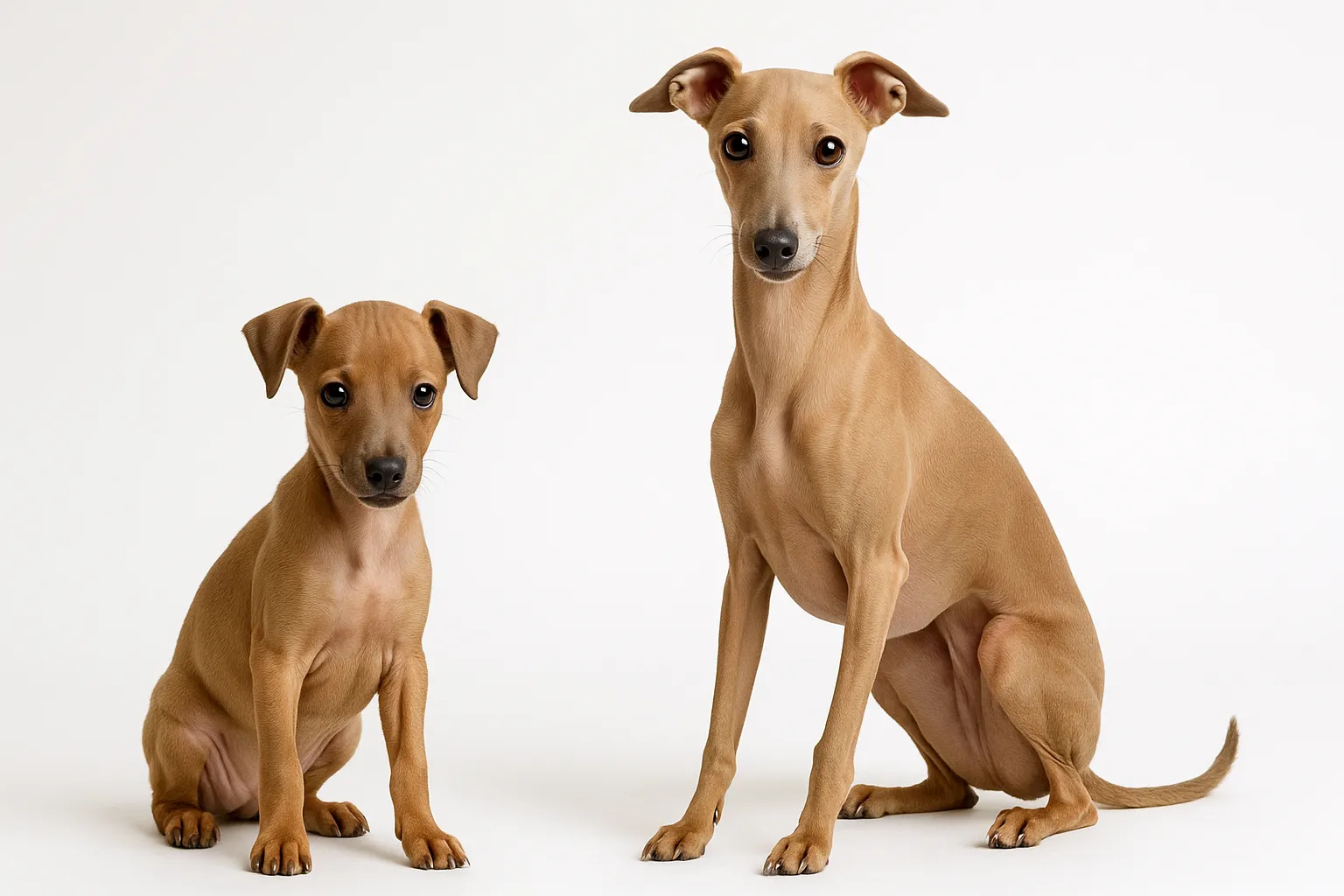
Italian Greyhounds are built to last. With many individuals reaching 14-15 years and some exceeding 16, they rank among the longest-lived of all dog breeds. Their lean, athletic build, sighthound metabolism, and relatively broad genetic diversity for a toy breed all contribute to that remarkable longevity.
But longevity potential and realized longevity are not the same thing. The breed’s delicate bone structure creates significant fracture risk — a single bad jump can cause a complete leg break. Dental disease is nearly universal without active prevention and contributes to systemic inflammatory burden that quietly accelerates aging. Patellar luxation is common. Epilepsy occurs at above-average rates.
The good news: every one of these risks responds to proactive management.
Health Risks Worth Knowing
Luxating Patella
Patellar luxation is common in Italian Greyhounds, a consequence of their slender build and hind limb conformation. Most IGs with grade 1-2 luxation manage well through weight control and exercise modification. Higher grades may need surgical correction to prevent progressive joint damage.
Even small amounts of excess weight disproportionately stress the patella in a 7-14 lb dog. Lean body condition is non-negotiable.
See the Luxating Patella guide for full prevention and management detail.
Dental Disease
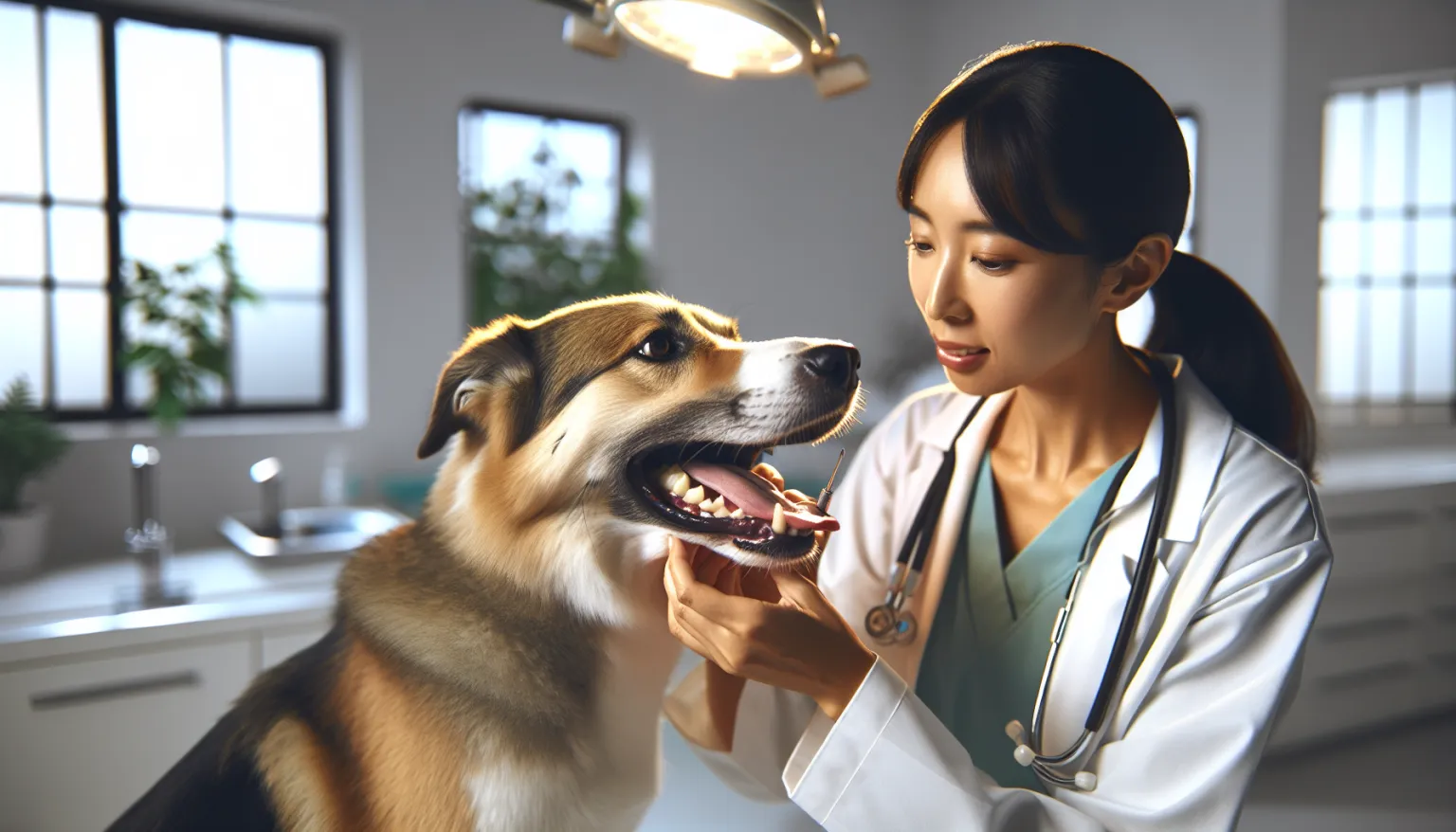
Italian Greyhounds have extreme dental disease susceptibility. Their small jaws, crowded teeth, and breed-specific oral microbiome create a perfect storm for periodontal disease — and without active prevention, nearly all IGs develop it.
Daily tooth brushing with veterinary toothpaste, combined with annual professional cleaning under anesthesia, is the evidence-based standard. One critical note: IGs share sighthound anesthesia sensitivity. Confirm your veterinarian uses sighthound-appropriate protocols before any procedure.
See the Dental Disease guide for full prevention and management detail.
Epilepsy
Idiopathic epilepsy occurs at above-average rates in Italian Greyhounds, typically presenting in young to middle-aged dogs. Single brief seizures under 2 minutes are managed with monitoring. Cluster seizures or status epilepticus require emergency treatment.
The reassuring finding: dogs with well-controlled epilepsy on appropriate medications achieve normal lifespans.
See the Epilepsy guide for full prevention and management detail.
Skin Allergies
Italian Greyhounds have sensitive, thin skin that offers minimal barrier protection against environmental allergens. Their near-absent coat makes them more exposed than most breeds. Regular bathing with gentle shampoos, targeted allergen management, and omega-3 supplementation help control the inflammatory burden.
See the Skin Allergies guide for full prevention and management detail.
What the Evidence Says About Living Longer
Fracture Prevention Infrastructure
Leg fractures are the leading acute health crisis in Italian Greyhounds, and prevention is almost entirely an environmental problem. Provide ramps or steps to every piece of furniture the IG uses. Avoid unsupervised play with larger dogs. Supervise children’s interactions carefully. Never allow jumping from heights greater than 18-24 inches.
Fracture repair in IGs is complex and expensive, with elevated complication risk due to thin cortical bone. A set of ramps costs a fraction of a single orthopedic surgery. Prevention is not just more effective — it is dramatically less costly.
Sighthound-Safe Anesthesia
Like their larger Greyhound relatives, Italian Greyhounds metabolize anesthetic agents differently due to low body fat and specific drug metabolism pathways. Any procedure requiring anesthesia — including dental cleanings — demands sighthound-appropriate protocols.
Inform your veterinarian of the breed’s sensitivity at every visit. Do not assume familiarity. Confirm the protocol before each procedure.
Dental Disease Prevention Starting in Puppyhood
Dental disease prevention in Italian Greyhounds must start early. Adult dogs that have never experienced dental home care are significantly harder to manage. Introduce tooth brushing at 8-12 weeks using a small finger brush and species-appropriate toothpaste. Daily brushing is the gold standard.
Annual professional dental cleaning is non-negotiable for this breed. Dental disease contributes to systemic inflammation, bacteremia, and organ stress — all of which erode the exceptional longevity potential this breed carries.
Priority Actions for a Longer Life
Start here — these are the highest-impact moves for Italian Greyhound longevity:
- Fracture prevention is critical — provide ramps, discourage jumping from height, supervise play
- Daily dental care from puppyhood — dental disease is nearly universal without prevention
- Annual patellar and ophthalmic evaluation from age 2
Anchor your next vet conversation to these targets and recalibrate every quarter. For prevention and management details by condition, use Luxating Patella, Dental Disease, Seizures Epilepsy.
Evidence-Based Longevity Priorities
Body Composition and Muscle Maintenance
Optimal body condition in Italian Greyhounds extends healthspan by reducing cumulative disease load across multiple systems. Lean mass retention becomes critical around middle age, when metabolic rate begins slowing. In a dog this small, even modest weight gains create outsized metabolic and cardiac burden. A pound matters.
Condition-Focused Prevention Stack
Build your prevention strategy around Luxating Patella, Dental Disease, Seizures Epilepsy. These are the conditions where early detection and sustained intervention most reliably extend healthy years.
Behavior, Stress Load, and Recovery
Italian Greyhound owners see better long-term outcomes when household routines are stable and stress exposure is actively controlled. These companion dogs are highly sensitive to schedule disruption and social inconsistency — changes that may seem minor to you can register as significant for them.
Preventive Screening Cadence
Use planned veterinary reassessment intervals and tighten the schedule when trend logs show drift in orthopedic function or gait quality. The biggest healthspan gains come from catching changes during the early intervention window, not after problems become obvious.
Breed-Specific Research
Use these evidence deep dives to add mechanism-level context to your Italian Greyhound longevity plan:
- Dental Disease And Longevity In Dogs: evidence on dental disease systemic impact — especially relevant for this high-risk breed
- Muscle And Mobility Longevity Protocol: mobility and muscle maintenance relevant to patellar and fracture risk management
- Senior Dog Screening Protocol: annual wellness testing framework for long-lived toy breeds
Genetic Testing: When It Matters
Genetic testing in Italian Greyhounds delivers the most value when results connect to monitoring cadence and practical action — not as standalone predictions. Work with your veterinarian to identify breed-relevant genetic panels.
- Target your testing to the conditions this breed actually gets. Then track findings over time — a genetic predisposition only matters when clinical evidence starts to confirm it.
- Your first monitoring protocols should target Luxating Patella and Dental Disease. The goal is results that change behavior — not just data that sits in a file.
- A running health log that combines lab work, clinical notes, and your daily observations gives your vet a clearer picture in five minutes than a full workup without history.
- Life-stage transitions are natural checkpoints for updating your monitoring plan. What mattered at two years old may be less relevant at eight, and new priorities will have emerged.
Testing is only as good as the decisions it drives. If nothing changes after you get the results, the test was premature or unnecessary.
Breeding History & Health Implications
The Italian Greyhound was bred for companionship, resulting in compact anatomy and heightened social sensitivity. That legacy creates a breed-specific risk profile that benefits from structured prevention.
- Compact skeletal structure and toy anatomy require tighter orthopedic monitoring cadence across adulthood.
- Let the breed’s history guide your watch list. The conditions most worth proactive monitoring are Luxating Patella, Dental Disease, Seizures Epilepsy.
- The owner who notices “something is slightly off for the third time this month” catches problems earlier than the one waiting for an obvious crisis.
- Course-correct regularly. The point of ongoing monitoring is not to confirm the original plan — it is to improve it as your dog’s health picture becomes clearer.
Start with what the breed’s history predicts. Adjust based on what your Italian Greyhound’s body actually shows over time.
When to Screen, Test, and Reassess
- Puppy to 1 year: dental baseline, patellar assessment, fracture risk environment assessment
- 2 to 6 years: annual dental exam and professional cleaning, patellar and ophthalmic evaluation, neurologic assessment if seizure history
- 7+ years: biannual exams, thyroid panel, senior bloodwork, continued dental management
Nutritional Priorities for Healthspan
Italian Greyhounds need measured portions that prevent obesity. Even a pound or two over ideal weight disproportionately stresses their fine skeletal structure. Dental-supporting nutrition — dental chews sized for small dogs, dental additives, appropriate kibble texture — should be part of daily care. Omega-3 supplementation supports skin health and reduces allergic inflammation.
Your Long-Term Health Trajectory
Italian Greyhounds carry exceptional longevity potential when their specific vulnerabilities are actively managed. Fracture prevention through environment modification, aggressive dental management, and monitoring for neurologic and orthopedic conditions allows this breed to achieve 14-16 or more years. Their lean, athletic build and efficient metabolism support healthy aging — provided dental health is maintained as the foundation.
Most-Missed Early Drift Pattern
Long-term decline in Italian Greyhounds often begins with changes that owners normalize too quickly:
- An occasional skipping step on one hind leg related to Luxating Patella that seems too minor to mention at the vet
- A gradual shift toward softer food mistaken for pickiness, when the real driver is Dental Disease causing oral pain
- Intermittent episodes tied to Seizures Epilepsy that seem too brief to worry about
If something has been different for a full week, stop assuming it will self-correct. Persistent drift in any baseline marker is a reason to act.
Frequently Asked Questions
Do Italian Greyhounds break bones easily?
Yes — their fine bone structure means that jumping from furniture, rough play, or landing badly can cause complete fractures. Provide ramps to furniture, supervise play, and restrict jumping from heights above 18-24 inches.
Do Italian Greyhounds need special dental care?
Yes — dental disease is nearly universal without active prevention. Daily tooth brushing from puppyhood plus annual professional dental cleaning under anesthesia (using sighthound-appropriate protocols) is the standard of care for this breed.
Are Italian Greyhounds prone to seizures?
Above-average rates of idiopathic epilepsy are documented in IGs. First seizures warrant veterinary evaluation within 24 hours; seizures lasting more than 5 minutes or cluster seizures are emergencies.
How cold-sensitive are Italian Greyhounds?
Extremely — the breed has minimal body fat and a single-layer coat with no undercoat. Below 50°F, most IGs need a coat or sweater. Below 35-40°F, outdoor time should be limited. Hypothermia is a real risk in cold climates.
What is the average lifespan of an Italian Greyhound?
14-15 years with good care. Many well-managed IGs live 15-17 years, making them among the longest-lived of all dog breeds.
References
[1] OFA orthopedic and eye statistics. ofa.org. [2] Italian Greyhound Club of America health information. italiangreyhound.org. [3] Merck Veterinary Manual: Small Animal Dentistry. merckvetmanual.com. [4] Couto CG. Greyhound physiology and anesthesia considerations. Vet Clin North Am. 1992. [5] WSAVA small animal dental guidelines. wsava.org.
Related reads
Related Reading
Continue exploring