A Tiny Dog With Serious Longevity Potential
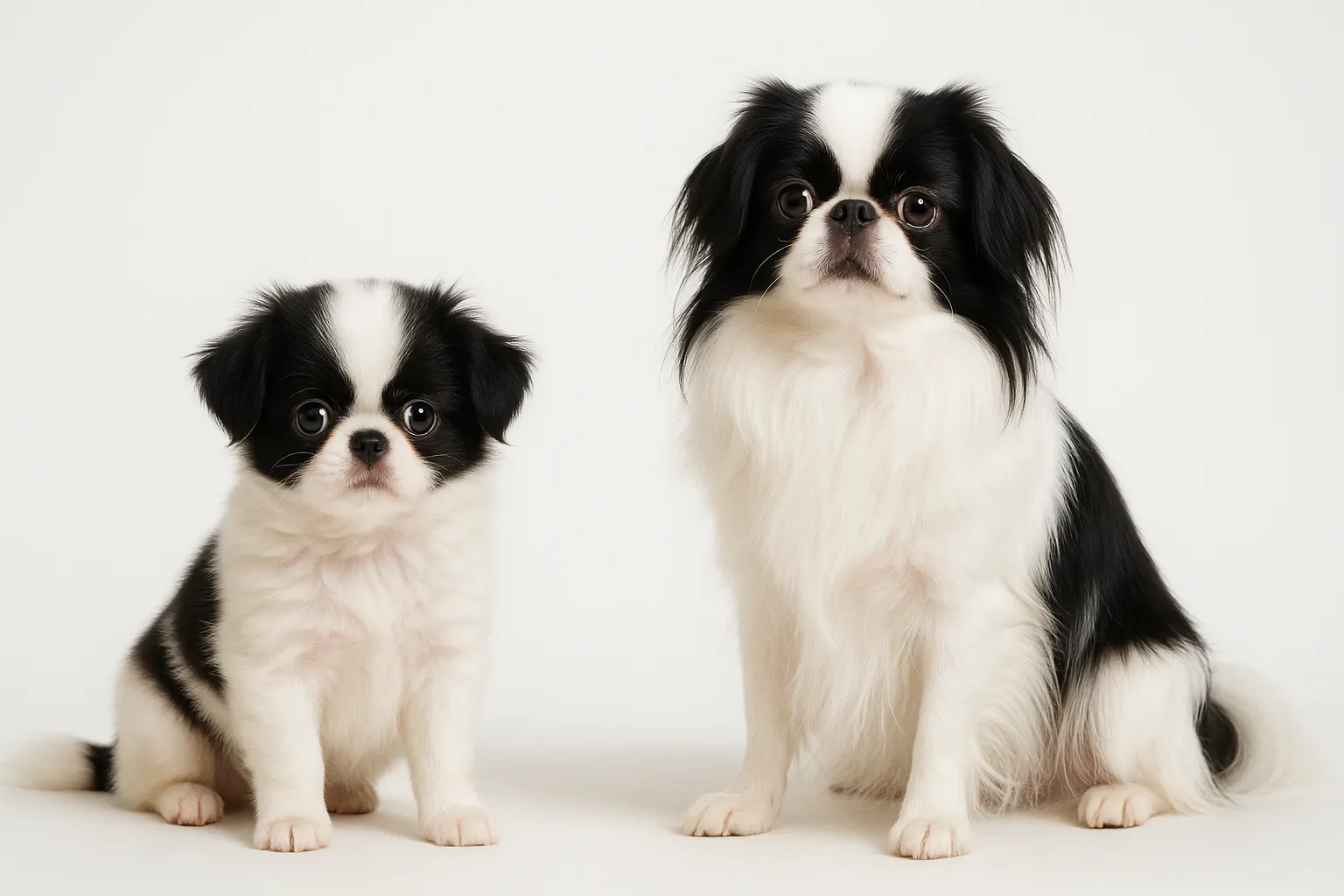
The Japanese Chin is unlike any other toy breed. Part dog, part cat — at least in personality. They groom their faces with their paws, perch on elevated furniture to survey their domain, and observe the world with quiet intensity rather than yapping at it. At 7-11 lbs with a flat face and large, wide-set eyes, they live 10-12 years.
That distinctive charm comes with a specific medical profile. Brachycephalic airway syndrome limits their heat tolerance and complicates anesthesia. Mitral valve disease requires cardiac monitoring from age 1. Their prominent eyes are vulnerable to corneal injury. And GM2 gangliosidosis — a fatal neurological storage disease — has been documented in the breed, making DNA testing important for breeders.
The combination of flat-faced anatomy and small toy breed cardiac risk means Japanese Chin require more active health management than their calm demeanor might suggest.
The Conditions to Watch For
Brachycephalic Airway Syndrome
Brachycephalic airway syndrome — elongated soft palate, stenotic nares, and sometimes abnormal turbinate development — affects Japanese Chin to varying degrees. You may notice noisy breathing, exercise intolerance, heat sensitivity, gagging, or disrupted sleep.
Surgical correction of the soft palate and nares improves quality of life significantly when performed before secondary airway changes develop. Brachycephalic anatomy also creates specialized anesthesia risk that demands experienced protocols.
See the Brachycephalic Airway Syndrome guide for full prevention and management detail.
Mitral Valve Disease
Mitral valve disease is the primary cardiac concern in Japanese Chin. Annual auscultation from age 1 tracks murmur development. When a murmur is detected, echocardiography stages the disease.
ACVIM 2019 staging guidelines direct treatment decisions — Stage B2 dogs with cardiomegaly benefit from pimobendan before clinical heart failure develops. Starting treatment at the right stage meaningfully extends quality of life.
See the Mitral Valve Disease guide for full prevention and management detail.
Neurological Disease
Epilepsy and neurological dysfunction are documented in Japanese Chin. Beyond idiopathic epilepsy, the breed carries risk for GM2 gangliosidosis — a lysosomal storage disease causing progressive neurological decline starting in early adulthood. GM2 is untreatable and fatal.
DNA testing for the specific mutation, when available, is essential for responsible breeding. Any dog showing progressive neurological signs — ataxia, cognitive decline, vision changes — requires urgent neurological evaluation.
See the Neurological Disease guide for full prevention and management detail.
What the Evidence Says About Living Longer
Heat Management for a Flat-Faced Breed
Japanese Chin are significantly heat-intolerant. Their compressed airway cannot cool incoming air efficiently, which means summer exercise should only occur in early morning or evening when temperatures are below 75 degrees F. Air conditioning is a health requirement for this breed, not a luxury.
Never leave a Japanese Chin in a parked vehicle at any outdoor temperature above 60 degrees F. Signs of heat distress — frantic panting, bright red gums, drooling, loss of coordination — require immediate cooling with cool water (not ice) and urgent veterinary attention. Air travel is not recommended for brachycephalic breeds.
Cat-Like Behavior and Enrichment
The Japanese Chin’s cat-like personality is not a quirky description — it is a genuine behavioral pattern. They wash their faces with their paws, perch on elevated furniture, and display a quiet, observant intelligence that differs fundamentally from most toy breeds.
They respond well to gentle positive training but are not high-drive performance dogs. Interactive puzzle toys, window perches, and calm play suit their temperament. They thrive in quiet households with respectful handling. Chaotic, high-energy homes are poor matches for this breed.
Prominent Eye Protection
Those large, prominent eyes are beautiful but vulnerable. Reduced blink reflexes — typical of brachycephalic breeds — create elevated corneal ulcer risk from minor trauma, dust, and dry eye conditions.
Check both eyes daily for redness, squinting, discharge, or cloudiness. Any eye abnormality in a brachycephalic breed warrants prompt evaluation. Corneal ulcers can progress to perforation rapidly in dogs with shallow orbital anatomy. Avoid situations where your dog can be struck in the face by branches, toys, or children’s hands.
The Prevention Plan That Pays Off
For most Japanese Chin owners, these are the actions that will matter most:
- Annual cardiac auscultation from age 1 — mitral valve disease is the primary cardiac concern in small Asian toy breeds
- Brachycephalic airway evaluation and management — flat face creates airway, heat tolerance, and anesthesia risks
- Annual CAER eye exam — cataracts and corneal issues common in prominent-eyed flat-faced breeds
These priorities drive the highest return on your preventive care investment. Revisit them seasonally and let your vet know you are tracking these specifically. Use Brachycephalic Syndrome, Mitral Valve Disease, Seizures Epilepsy as your reference.
Evidence-Based Longevity Priorities
Body Composition and Muscle Maintenance
Optimal body condition in Japanese Chin extends healthspan by reducing disease load across multiple systems. In a toy breed, even small fat deposits disproportionately affect metabolic efficiency and cardiac workload. A few extra ounces on a 7-11 lb dog creates outsized burden on an already compromised airway and a heart under progressive valvular stress.
Condition-Focused Prevention Stack
The conditions that most threaten longevity and quality of life — Brachycephalic Syndrome, Mitral Valve Disease, Seizures Epilepsy — are also the ones most responsive to early, sustained prevention. Start here.
Behavior, Stress Load, and Recovery
Unpredictable routines in Japanese Chin often surface first as anxiety behaviors, sleep disruption, or appetite changes. These quiet dogs communicate stress subtly. Deliberate household rhythm protects both cognitive and physical resilience over the long term.
Preventive Screening Cadence
Use planned veterinary reassessment intervals and tighten the schedule when trend logs show drift in respiratory function, cardiac status, or gait quality. The biggest healthspan gains come from catching changes during the early intervention window.
Breed-Specific Research
Use these evidence deep dives to add mechanism-level context to your Japanese Chin longevity plan:
- Senior Dog Screening Protocol: monitoring framework for a small brachycephalic toy breed
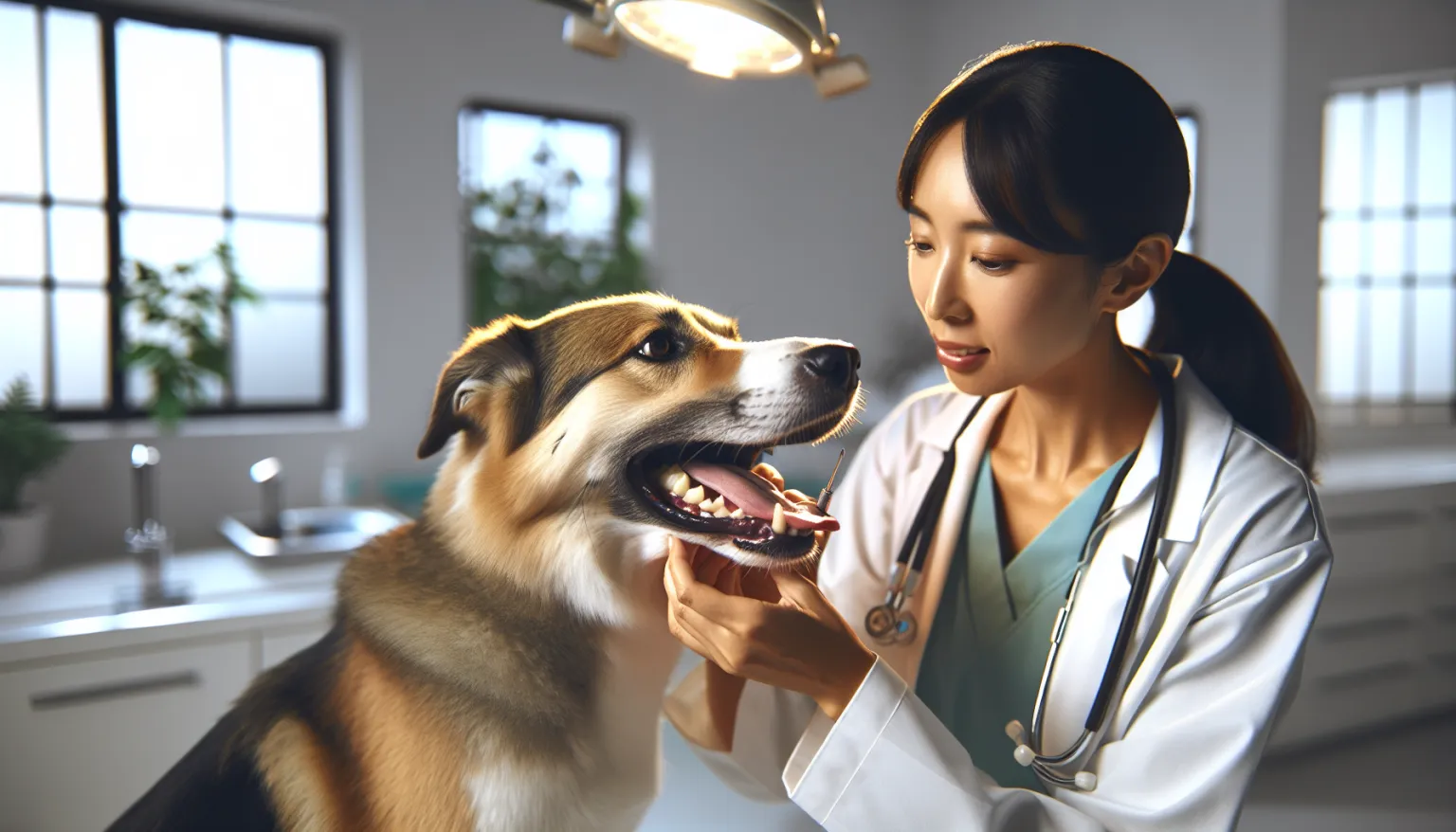
- Dental Disease And Longevity In Dogs: dental care in a brachycephalic toy breed with compressed jaw anatomy
- Genetic Testing For Dogs Clinical Roi: GM2 gangliosidosis and cardiac genetic considerations in Japanese Chin
Using DNA Data to Guide Prevention
Genetic testing in Japanese Chin delivers the most value when results directly change what gets measured, how often, and what triggers escalation. Consider CERF eye exam or PRA gene testing to detect heritable eye disease, and GM2 gangliosidosis testing when available.
- Target your testing to the conditions this breed actually gets. Then track findings over time — a genetic predisposition only matters when clinical evidence starts to confirm it.
- Anchor your initial monitoring to Brachycephalic Syndrome and Mitral Valve Disease. Testing matters when it changes what you measure, how often, and what triggers escalation.
- Consolidate genetic panel results, bloodwork trends, and your own notes into a single timeline. The connection between a genetic predisposition and an emerging clinical finding only becomes obvious when you can see both at once.
- Circle back to your genetic data after spay/neuter, at the adult-to-senior transition, and anytime a pattern emerges — weight creeping up, stamina dropping, or behavior shifting without obvious cause.
Measure to decide, not to collect. If a result does not change your monitoring cadence or intervention threshold, question whether you needed it.
Breeding History & Health Implications
The Japanese Chin was bred for centuries as an aristocratic companion — selected for compact anatomy, quiet temperament, and social sensitivity. That legacy produced a uniquely charming breed, but also one with airway anatomy that requires active heat management and respiratory monitoring throughout life.
- Brachycephalic anatomy and cardiac aging patterns require sustained surveillance intensity from early adulthood through the senior years.
- Focus your risk surveillance on Brachycephalic Syndrome, Mitral Valve Disease, Seizures Epilepsy — these are the conditions where this breed’s ancestry creates the most actionable risk profile.
- Small, recurring changes are easier to dismiss than dramatic ones, but they are often more important. A pattern of minor drift is your earliest warning that something is shifting.
- Review your prevention plan at least quarterly. A plan that was right six months ago may no longer match your Japanese Chin’s current trajectory.
Start with what the breed’s history predicts. Adjust based on what your Japanese Chin’s body actually shows over time.
Age-Based Monitoring Milestones
- Puppy: brachycephalic airway evaluation, GM2 DNA testing if available
- 1-2 years: annual cardiac auscultation, CAER exam, OFA patella evaluation
- 3-7 years: annual cardiac auscultation, CAER annual, dental care
- 8+ years: cardiac monitoring every 6 months, senior panel, cognitive monitoring
Fuel for the Long Run
Japanese Chin need quality toy-breed adult food in strictly measured portions. Lean body condition is not optional — obesity worsens brachycephalic airway obstruction and increases cardiac load in a breed already prone to mitral valve disease.
Elevated food bowls reduce aerophagia. Dental care is critical given the breed’s compressed jaw anatomy. Omega-3 supplementation supports coat and skin health.
How the Pieces Connect
Japanese Chin with brachycephalic airway management, consistent cardiac monitoring, GM2 genetic awareness, and appropriate quiet-lifestyle management can achieve quality lifespans of 11-12 years. Their flat-faced anatomy demands more active management than many toy breeds, but the payoff — more comfortable breathing, earlier cardiac intervention, and better heat safety — is substantial.
Most-Missed Early Drift Pattern
Healthspan erosion in Japanese Chin typically begins with subtle shifts that owners normalize:
- Increasing snoring or noisy breathing during sleep related to Brachycephalic Syndrome that gets dismissed as “just how they sound”
- Intermittent exercise intolerance or coughing tied to early Mitral Valve Disease that seems too mild to investigate
- Brief, subtle episodes tied to Seizures Epilepsy that appear minor and resolve on their own
If baseline function drifts for 7-10 days, treat it as a prevention failure signal and reassess early.
Additional Health Risks to Monitor
Based on breed predisposition data, Japanese Chin owners should also be aware of:
Frequently Asked Questions
How long do Japanese Chin live?
Japanese Chin typically live 10-12 years. Brachycephalic airway management, annual cardiac monitoring, and lean body condition are the primary longevity investments.
Why are Japanese Chin described as cat-like?
Japanese Chin groom themselves with their paws, perch on elevated furniture, and tend to be quietly observant — behaviors more associated with cats than dogs. This distinctive temperament reflects centuries of selective breeding for aristocratic companionship rather than working or sporting function.
Are Japanese Chin brachycephalic?
Yes — Japanese Chin are a brachycephalic breed with a flat face, shortened muzzle, and associated airway concerns. Their flat face creates heat intolerance, breathing difficulties, and anesthesia risks that require veterinary awareness.
Are Japanese Chin good apartment dogs?
Japanese Chin are excellent apartment dogs given their small size, quiet nature, and low exercise requirements. Their heat sensitivity means air conditioning is important in warm climates.
What is GM2 gangliosidosis in Japanese Chin?
GM2 gangliosidosis is a lysosomal storage disease that causes progressive neurological decline starting in early adulthood. It is untreatable and fatal. DNA testing when available allows breeders to avoid producing affected litters through responsible pairing decisions.
References
[1] Japanese Chin Club of America. japanesechinclubofamerica.org. [2] GM2 gangliosidosis in Japanese Chin: Cummings JF et al. Acta Neuropathol. 1992. [3] Brachycephalic syndrome: Packer RMA et al. PLOS ONE. 2015. [4] AKC breed information. akc.org. [5] Commodore Perry Japan expedition records: National Archives.
Related reads
Related Reading
Continue exploring