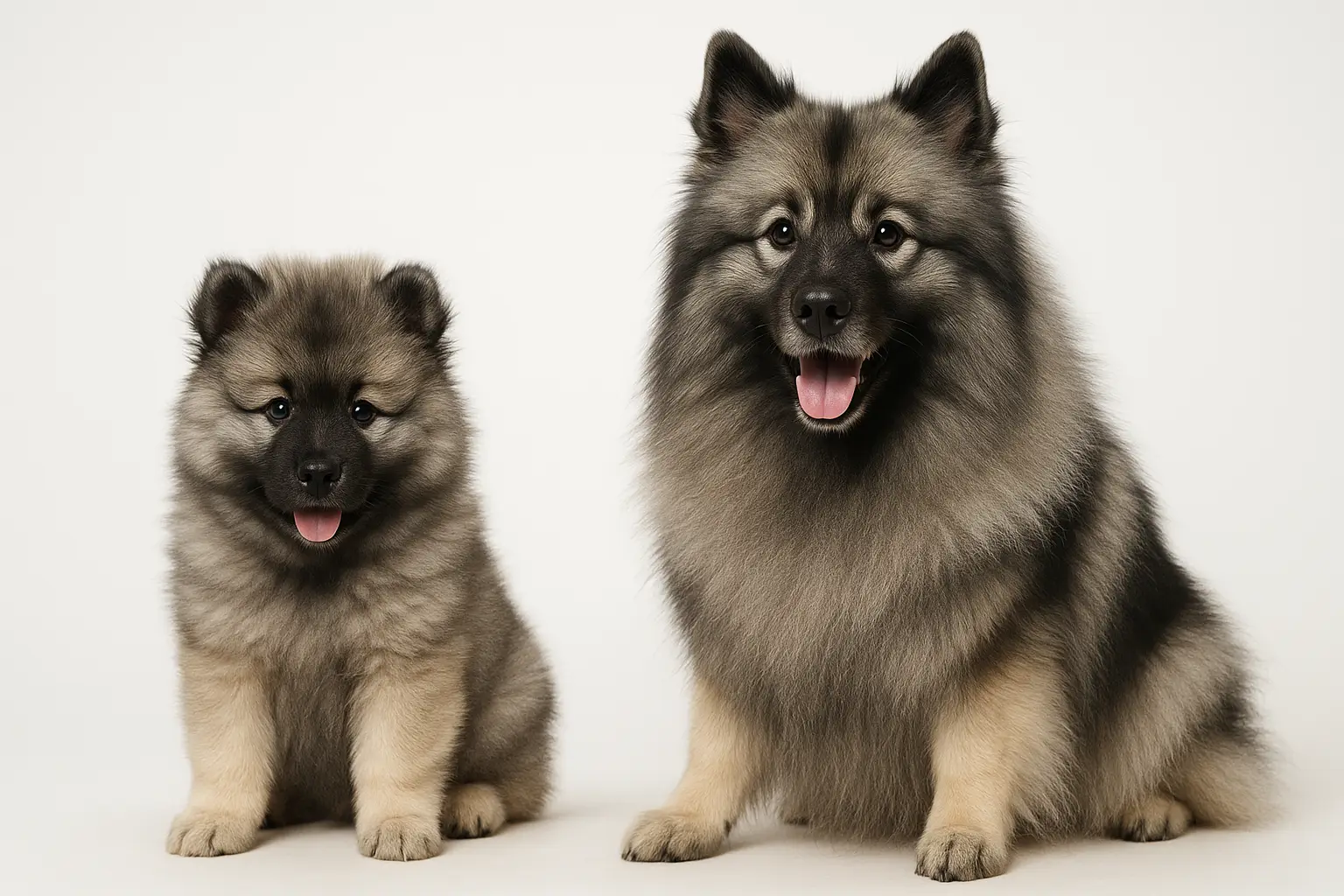
A Dutch Barge Dog Built for Function — Not Fashion
Keeshonden are among the healthier medium breeds, with typical lifespans of 12-15 years. Their Dutch heritage as barge dogs — compact, functional, without extreme conformation — produced a robust dog built for real work rather than appearance. Many individuals reach the upper end of that range with attentive care.
That practical heritage does not make them risk-free. Congenital pulmonic stenosis is the primary cardiac concern, detectable in puppyhood through cardiac auscultation. Autoimmune thyroiditis progresses to hypothyroidism in some dogs and requires annual monitoring. Epilepsy, when present, typically allows a normal lifespan with medication management.
Where This Breed Is Most Vulnerable
Congenital Heart Disease (Pulmonic Stenosis)
Keeshonden have one of the highest rates of pulmonic stenosis of any breed. This congenital narrowing of the pulmonic valve restricts blood flow from the right ventricle to the lungs. Mild cases may never need intervention. Moderate to severe cases may require balloon valvuloplasty to prevent cardiac failure.
The practical implication: cardiac auscultation at every puppy visit is essential, and any detected murmur warrants specialist evaluation. OFA cardiac certification should be standard for all breeding animals.
See the Congenital Heart Disease (Pulmonic Stenosis) guide for full prevention and management detail.
Autoimmune Thyroiditis / Hypothyroidism
Keeshonden develop autoimmune thyroiditis at elevated rates, which can progress to clinical hypothyroidism. Watch for weight gain, lethargy, coat changes, or skin issues — these gradual shifts are easy to attribute to aging when thyroid disease is the actual driver.
Annual thyroid panels (T4, free T4, TSH, thyroglobulin antibodies) from age 3 provide the most complete picture. Levothyroxine treatment is effective, safe, and inexpensive once properly dosed.
See the Autoimmune Thyroiditis / Hypothyroidism guide for full prevention and management detail.
Epilepsy
Idiopathic epilepsy occurs at above-average rates in Keeshonden, typically presenting in young adults between ages 1 and 5. The genetic basis is complex and not fully mapped. Most epileptic Keeshonden achieve good seizure control with anticonvulsant therapy — phenobarbital and potassium bromide are commonly used, with levetiracetam as an alternative.
See the Epilepsy guide for full prevention and management detail.
Hip Dysplasia
Hip dysplasia affects a minority of Keeshonden but warrants OFA evaluation for breeding animals. Lean body condition throughout life remains the most effective modifiable prevention factor.
See the Hip Dysplasia guide for full prevention and management detail.
Longevity Interventions That Have Data Behind Them
Cardiac Screening From the Puppy Stage
Pulmonic stenosis in Keeshonden ranges from subclinical (no treatment needed) to severe (requiring balloon valvuloplasty). The difference between these outcomes depends heavily on early detection.
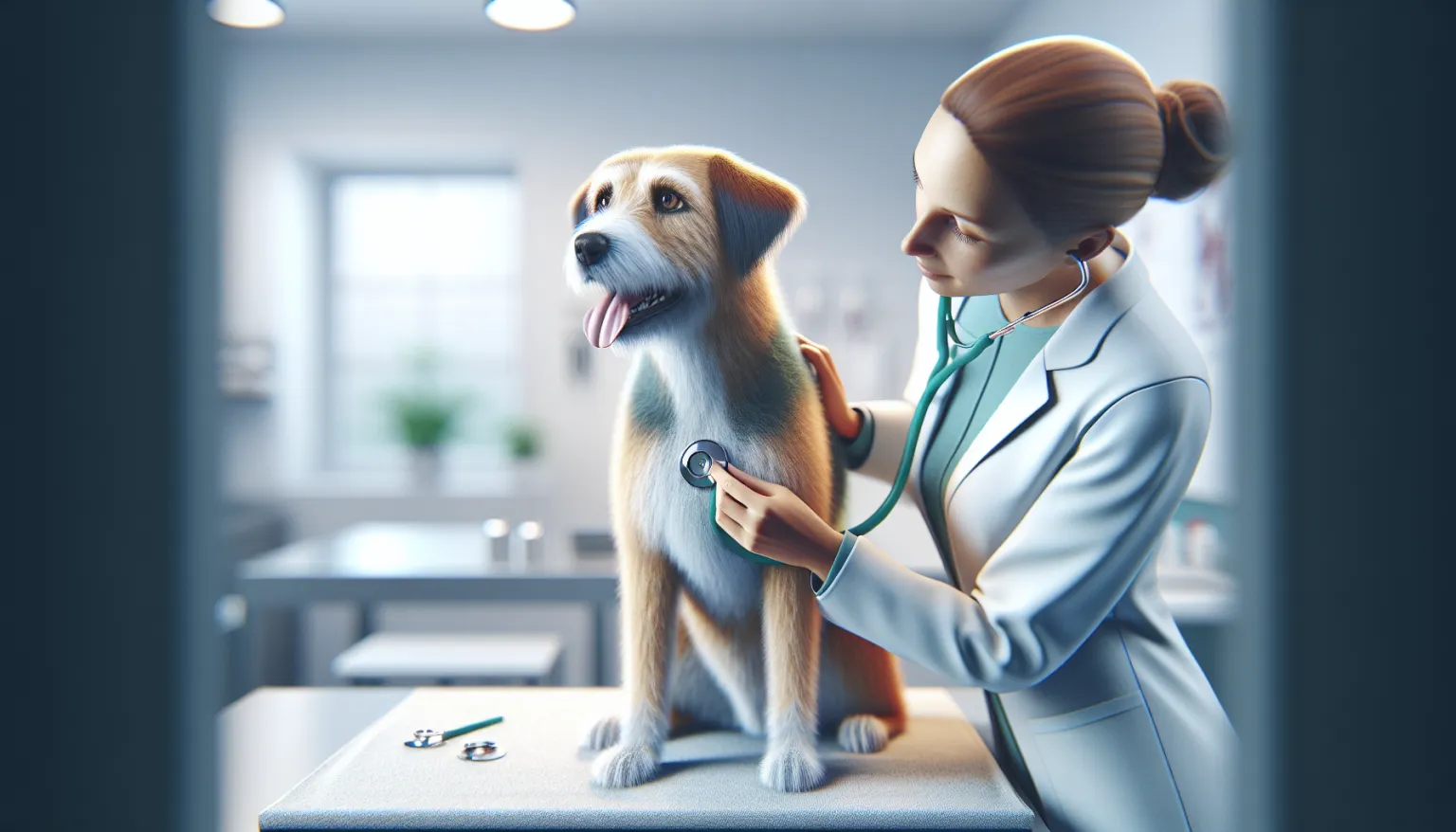
All Keeshond puppies should have cardiac auscultation at every wellness visit. Any detected murmur warrants specialist referral for echocardiographic grading. Dogs with severe stenosis treated with balloon dilation can live normal lifespans. Left untreated, severe stenosis can cause right-sided heart failure. Breeding animals should have OFA cardiac certification from a veterinary cardiologist.
Thyroid Screening Protocol
Autoimmune thyroiditis progresses slowly, and the signs creep in gradually — easy to miss if you are not looking for them. Thyroid panels should be part of the annual wellness routine from age 3 onward.
A full panel including thyroglobulin antibodies (not just T4 and TSH) gives the most complete picture. Antibody-positive dogs may not yet be clinically hypothyroid, but they carry elevated risk of future progression. Monitoring them more frequently allows treatment to begin before significant metabolic effects accumulate.
Coat and Grooming for Skin Health
The Keeshond’s dense double coat provides excellent environmental protection but can trap moisture and heat, creating conditions for skin infections and hot spots when grooming lapses. Brush 2-3 times weekly, and daily during seasonal shedding, to prevent matting and catch skin lesions early.
Do not shave the double coat. Shaving disrupts natural insulation and UV protection and often produces abnormal regrowth in double-coated breeds. The coat protects from heat as well as cold.
The Longevity Priorities That Move the Needle
If you focus on three things for your Keeshond, make it these:
- Cardiac auscultation at every puppy visit — congenital heart defects occur in this breed
- Annual thyroid panel from age 3 — autoimmune thyroiditis is prevalent in Keeshonden
- Epilepsy monitoring in young adults — the breed has documented epilepsy predisposition
Make these the backbone of your Keeshond’s preventive care calendar. Each quarter, assess whether you are on track or need to escalate. Detailed protocols live in Heart Disease, Hypothyroidism, Hip Dysplasia .
Evidence-Based Longevity Priorities
Body Composition and Muscle Maintenance
Body composition control in Keeshonden predicts long-term function more reliably than almost any other single factor. Their dense coat can mask weight gain, making palpation-based body condition scoring more reliable than visual assessment alone. Stay ahead of metabolic drift by checking body condition monthly with your hands, not just your eyes.
Condition-Focused Prevention Stack
The greatest healthspan gains come from focusing prevention on Heart Disease, Hypothyroidism, Hip Dysplasia. The gap between early and late intervention is where outcomes diverge most sharply. Act on the first signs, not the obvious ones.
Behavior, Stress Load, and Recovery
Keeshonden maintain better stability when household routines, activity levels, and recovery windows are deliberately structured. As a breed developed for close human companionship on Dutch barges, they are sensitive to household disruption. Consistency tailored to individual temperament produces the best outcomes.
Preventive Screening Cadence
Proactive screening on a set schedule catches subtle drift long before a crisis-driven vet visit would. The dogs who do best are the ones whose owners detect changes while they are still early and reversible.
Breed-Specific Research
Use these evidence deep dives to add mechanism-level context to your Keeshond longevity plan:
- Cardiovascular Screening Cadence For Small Breed Dogs: cardiac screening framework adaptable for Keeshond pulmonic stenosis monitoring
- Senior Dog Screening Protocol: annual wellness framework for multi-system Keeshond health management
- Seizure Medication Monitoring For Dogs: anticonvulsant therapy monitoring relevant for epileptic Keeshonden
From Genetic Data to Monitoring Decisions
Genetic testing in Keeshonden delivers the most value when results connect to monitoring cadence and practical action — not as standalone predictions. Consider hip and elbow scoring (OFA or PennHIP) to quantify orthopedic risk, and baseline echocardiography to establish cardiac structure and function.
- A well-chosen initial panel gives you a risk map. Follow-up assessments at regular intervals tell you which risks are materializing and which remain theoretical.
- Your first monitoring protocols should target Heart Disease and Hypothyroidism. The goal is results that change behavior — not just data that sits in a file.
- Document weight, energy level, appetite patterns, and any changes you notice between vet visits. When combined with clinical data, home observations often reveal the earliest signs of drift.
- Genetic results mean different things at different ages. What looked like a low-risk finding at two years old may deserve closer monitoring by age seven when the clinical picture has changed.
The point of testing is not the result — it is what you do differently because of it.
Breeding History & Health Implications
The Keeshond’s heritage as a Dutch barge dog — a working companion selected for robustness, alertness, and close human partnership — created a breed with relatively balanced structure. But that does not eliminate risk.
- Congenital cardiac defects and thyroid aging patterns require a surveillance rhythm that intensifies with age rather than waiting for clinical signs.
- Let the breed’s history guide your watch list. The conditions most worth proactive monitoring are Heart Disease, Hypothyroidism, Hip Dysplasia.
- When you see the same subtle finding twice — a slight limp, a missed meal, a slower recovery — treat it as a signal, not a coincidence. Tighten your monitoring before it compounds.
- Anchor your prevention plan to the latest data, not the original risk assessment. What your Keeshond needed at two years old and what they need at eight are different conversations.
Breeding history narrows the search. Serial monitoring data makes the call.
The Screening Calendar That Matters
- Puppy: cardiac auscultation at every visit; specialist referral if murmur detected; OFA cardiac certification at 12 months for breeding animals
- 2 to 5 years: annual thyroid panel including thyroglobulin antibodies; neurologic assessment if any seizure history
- 6+ years: biannual exams, senior bloodwork, thyroid panel, continued cardiac monitoring if disease history
Fuel for the Long Run
Keeshonden benefit from high-quality complete diets with calorie control to prevent obesity. Their thick coat masks weight gain — body condition scoring by palpation is essential, not optional.
Dogs with thyroid disease need caloric management to prevent weight gain during the pre-diagnosis period, when metabolic rate drops before treatment begins. Omega-3 supplementation supports coat health and reduces inflammatory burden.
Putting It All Together
Keeshonden are capable of excellent 12-15 year lifespans when their specific vulnerabilities — congenital heart disease, thyroid disease, and epilepsy — are detected and managed proactively. The breed’s robust working-dog constitution supports healthy aging, and every one of their primary conditions responds well to appropriate veterinary care. Early cardiac and thyroid screening delivers the highest return on investment.
Most-Missed Early Drift Pattern
Long-term decline in Keeshonden often starts with changes that owners normalize too quickly:
- A slightly elevated resting respiratory rate related to Heart Disease that gets attributed to warmth or excitement
- Lethargy masked as breed temperament or aging that actually signals Hypothyroidism progression
- Gradual hindlimb changes — visible lameness or muscle wasting — that indicate Hip Dysplasia progression
Treat any week-long departure from established baselines as a call to investigate, not a call to wait. Early reassessment preserves options that delay eliminates.
Frequently Asked Questions
What is pulmonic stenosis and is it dangerous?
Pulmonic stenosis is a narrowing of the pulmonic valve that restricts blood flow from the right ventricle to the lungs. Mild cases require no treatment. Moderate to severe cases may need balloon valvuloplasty to prevent progression to heart failure. Cardiac specialist evaluation grades severity and guides treatment decisions.
Do all Keeshonden develop thyroid disease?
No. Autoimmune thyroiditis affects a subset — not all — of Keeshonden, and not all affected dogs progress to clinical hypothyroidism. Annual monitoring allows early detection and treatment before significant metabolic effects accumulate.
What triggers epilepsy in Keeshonden?
Idiopathic epilepsy in Keeshonden has a genetic component. Triggers for individual seizures include excitement, sleep-wake transitions, and stress — but seizures can also occur without obvious trigger. Medication reduces frequency and severity.
Should I shave my Keeshond in summer to keep them cool?
No. The double coat provides insulation from heat as well as cold. Shaving can permanently damage the coat regrowth pattern. Provide shade, cool water, and air conditioning instead.
How do I tell if my Keeshond has a heart murmur?
Murmurs are detected by stethoscope auscultation — you cannot detect them at home. This is why every puppy wellness visit should include cardiac auscultation. Grade the murmur with a specialist if detected to determine whether intervention is needed.
References
[1] Patterson DF et al. Hereditary cardiovascular malformations in the dog. J Hered. 1981. [2] Nachreiner RF et al. Prevalence of autoimmune thyroiditis in dogs. Am J Vet Res. 2002. [3] OFA cardiac and thyroid statistics. ofa.org. [4] Keeshond Club of America health data. keeshond.org. [5] Merck Veterinary Manual: Pulmonic Stenosis. merckvetmanual.com.
Related reads
Related Reading
Continue exploring