One of the Rarest Dogs Alive — And One of the Longest-Lived
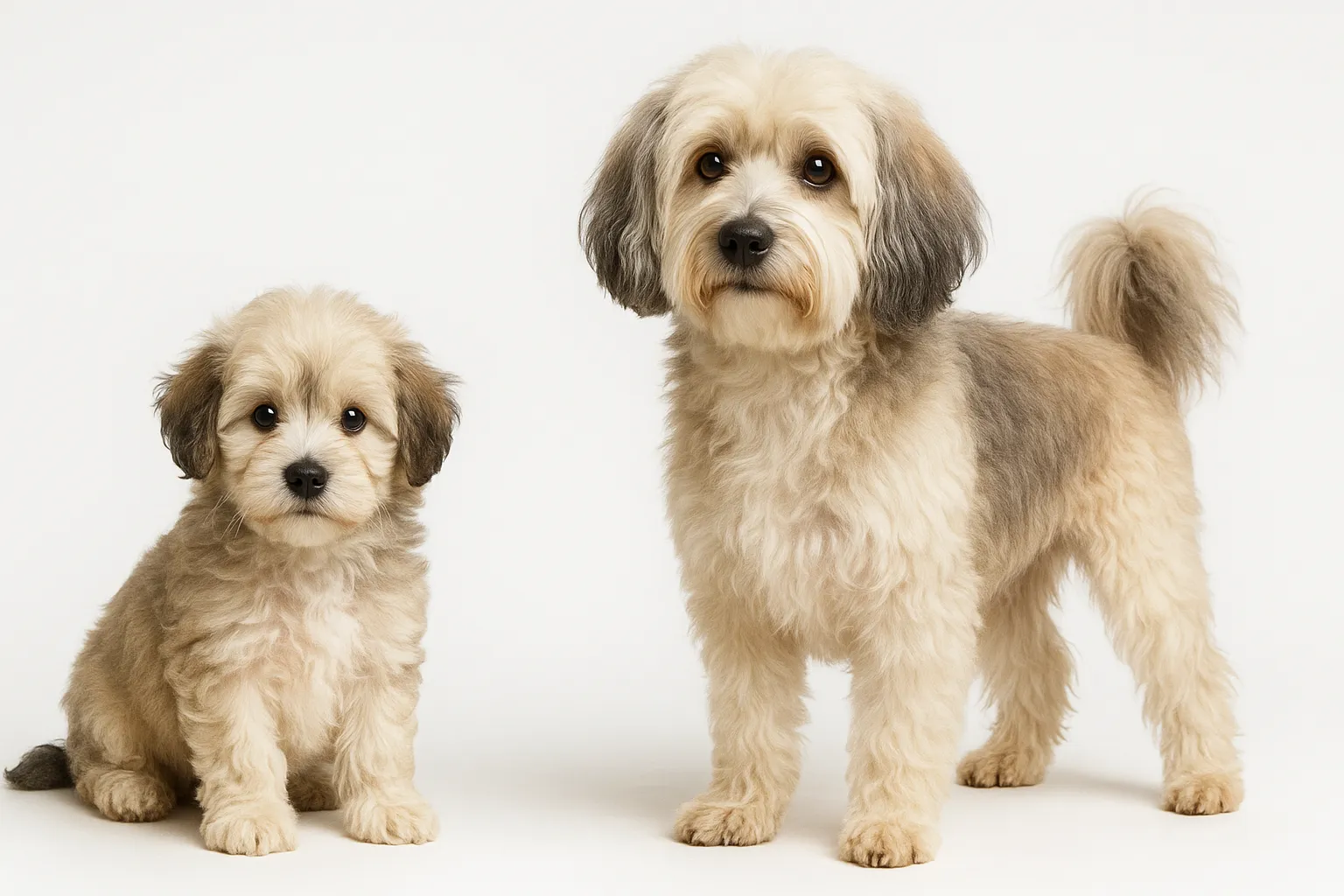
The Lowchen (Little Lion Dog) is among the rarest and oldest companion breeds in existence, depicted in European art and tapestries dating to the 15th century. At 15-18 lbs with a flowing coat traditionally trimmed in a lion-like pattern, these dogs are elegant, cheerful, and remarkably long-lived at 13-15 years.
Their rarity is the defining context for health management. At their lowest point in the 1970s, only 65 Lowchen were known worldwide. The breed has recovered, but the gene pool remains extremely small. That makes comprehensive health testing of all breeding stock not just recommended but critical for the breed’s future. Primary health concerns are luxating patella, progressive retinal atrophy, and hip dysplasia — a manageable profile for owners who test and monitor.
The Health Conditions That Define This Breed
Luxating Patella
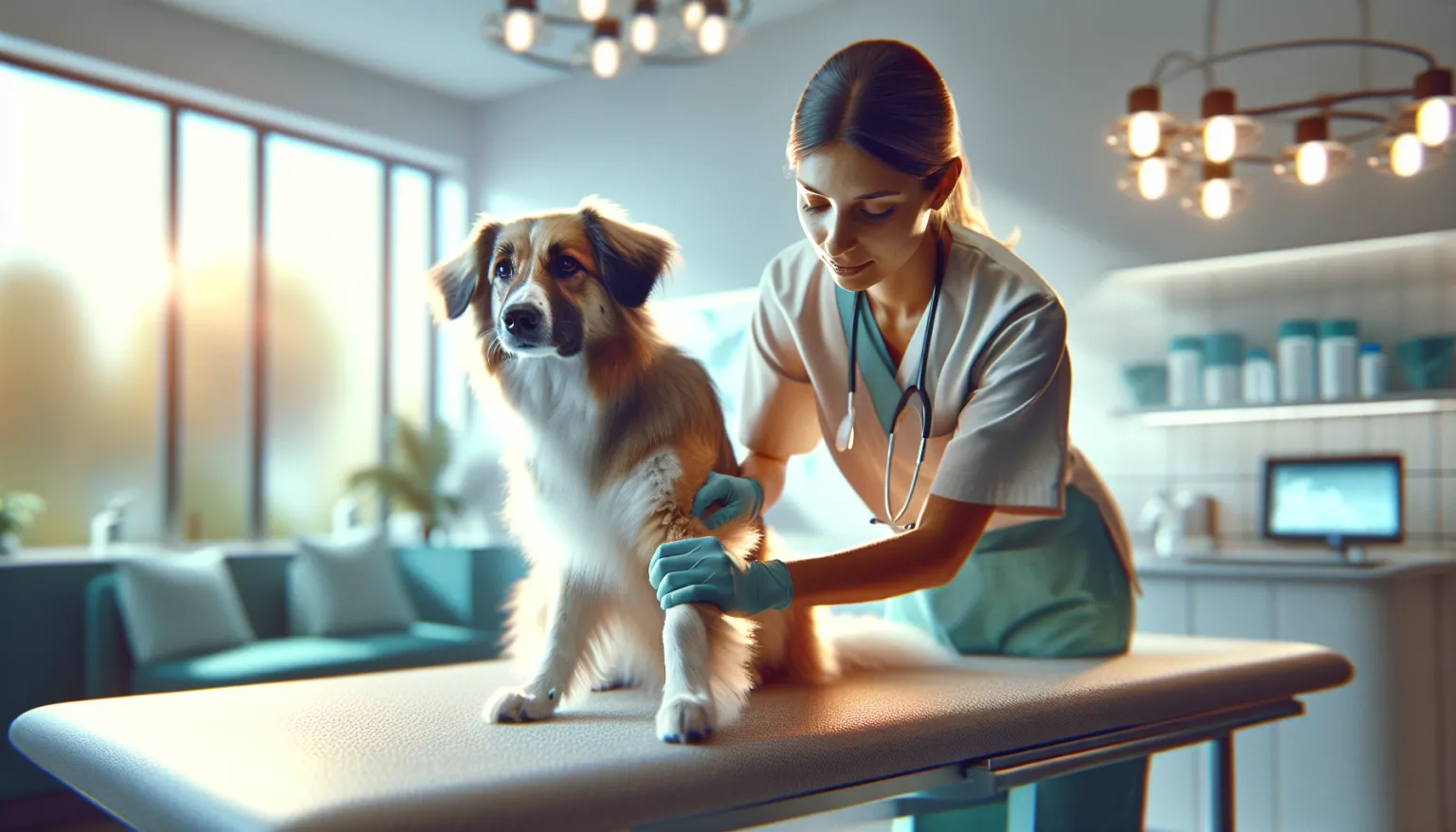
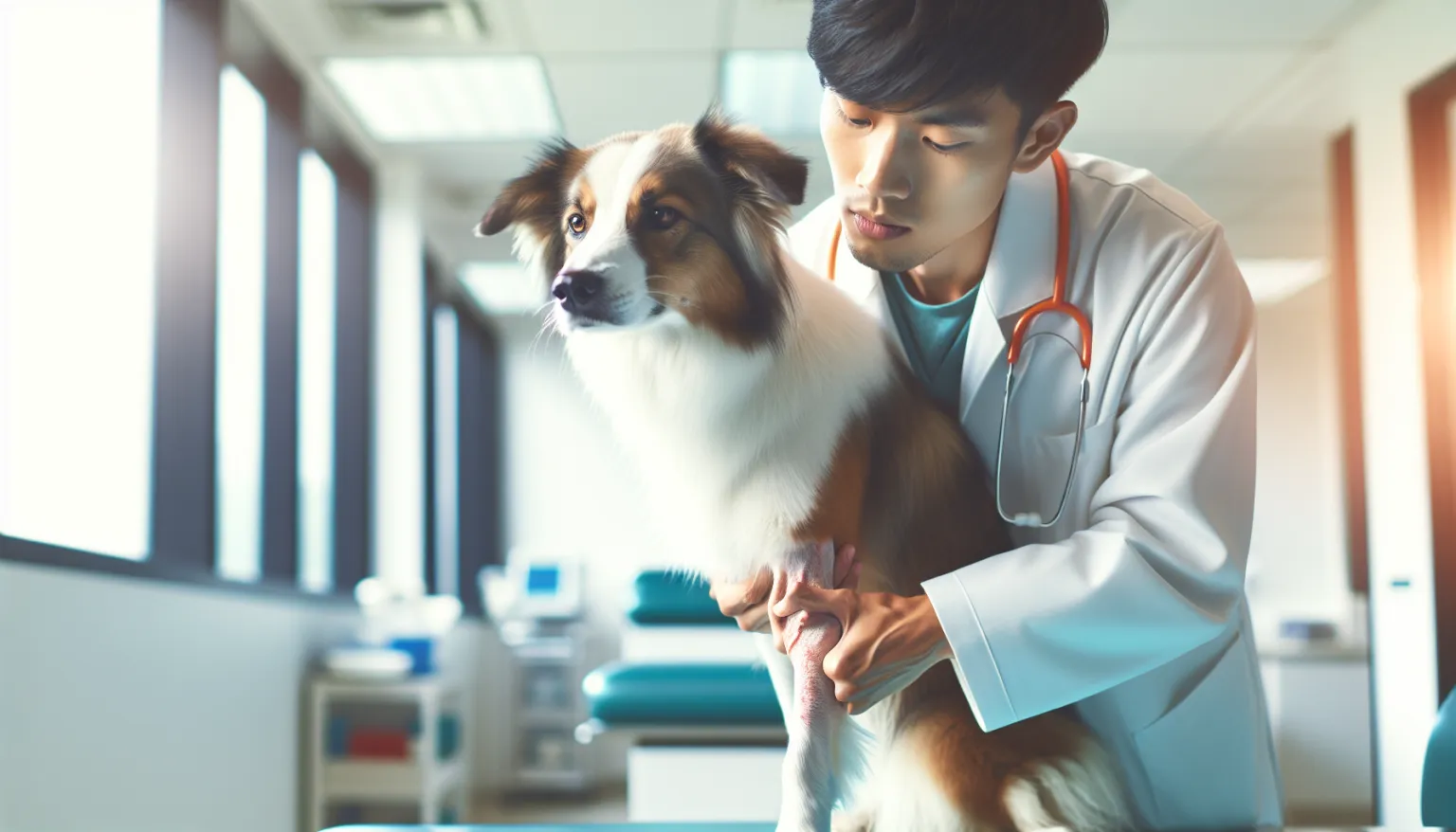
Luxating patella is the primary orthopedic concern. OFA patella evaluation at 12 months establishes baseline grade and laterality. Grade I-II luxation often stays manageable with lean body condition and muscle conditioning. Grade III-IV causing intermittent lameness or bunny-hopping gait typically benefits from surgical correction. Joint supplementation from age 3-4 supports long-term joint health.
See the Luxating Patella guide for full prevention and management detail.
Hip Dysplasia
Hip dysplasia occurs in Lowchen at rates that warrant breeding attention. OFA hip evaluation at 24 months provides structural assessment for all breeding dogs. Given the breed’s tiny gene pool, each breeding decision carries outsized impact on breed-wide health. Responsible breeders screen all stock and track OFA data.
See the Hip Dysplasia guide for full prevention and management detail.
Progressive Retinal Atrophy
PRA is documented in Lowchen and requires ongoing surveillance. Annual CAER exams monitor for clinical signs. DNA testing for prcd-PRA and other mutations may be available for some lines. PRA causes progressive bilateral vision loss beginning with night blindness. Annual CAER registration of all breeding dogs tracks breed prevalence — essential data for a breed this small.
See the Progressive Retinal Atrophy guide for full prevention and management detail.
Longevity Interventions That Have Data Behind Them
Why Health Testing Matters More in Rare Breeds
Lowchen are among the rarest AKC-recognized breeds. Their extremely small gene pool means that each breeding pair’s health test results carry outsized impact on the breed’s collective health. Before purchasing a Lowchen puppy, request comprehensive documentation: OFA patella and hip evaluations, CAER exams, and any available DNA testing results from both parents. The Lowchen Club of America and international breeders maintain health registries. A breeder not participating in breed health programs represents a significant red flag.
The Lion Clip — History and Practical Care
The Lowchen’s traditional “lion” clip — hindquarters and rear legs clipped short while the front half keeps its long, flowing coat — began as a functional style. The clipped hindquarters slipped easily under blankets, while the long front coat provided warmth, creating a small living foot warmer. Today the lion clip is a show-ring standard, though pet owners may prefer a full natural coat or a modified utility trim. Either way, the long coat requires daily brushing to prevent tangles and professional grooming every 6-8 weeks. Clean the ear canals regularly to prevent otitis.
Planning for a Long Senior Phase
A Lowchen that reaches 12 has a reasonable expectation of 3+ more years ahead. Senior care planning should begin at age 9: biannual wellness visits, annual dental cleaning, cognitive function tracking, and pain assessment for orthopedic conditions. Dogs in this lifespan range may develop age-related lens cloudiness (nuclear sclerosis, not cataracts), hearing reduction, and cognitive changes — all manageable with appropriate environmental adaptation. Long-lived dogs benefit proportionally more from every health investment made in early and middle adulthood.
Start Here: Your Top Longevity Targets
The actions most likely to extend your Lowchen’s healthy years:
- OFA patella evaluation — luxating patella is the primary orthopedic concern in this small companion breed
- Annual CAER eye exam — progressive retinal atrophy documented in Lowchen
- OFA hip evaluation at 24 months — hip dysplasia documented in the breed
These are the monitoring anchors for your Lowchen. Revisit them at every wellness visit and update your approach when screening results shift the picture. Reference Luxating Patella, Hip Dysplasia, Eye Conditions for evidence-based management.
Evidence-Based Longevity Priorities
Body Composition and Muscle Maintenance
Weight stability and muscle quality form the foundation of orthopedic health and metabolic longevity in Lowchen. As a small breed, lean mass retention becomes critical around middle age when metabolic rate slows. Their compact anatomy means small weight gains create outsized metabolic and cardiac burden — a half-pound matters in a 16-lb dog.
Condition-Focused Prevention Stack
The highest-return prevention targets for Lowchen are Luxating Patella, Hip Dysplasia, and Eye Conditions. Starting treatment early — before clinical signs become entrenched — is the single most reliable way to preserve quality of life.
Behavior, Stress Load, and Recovery
Keeping daily schedules consistent and arousal controlled prevents the chronic stress patterns that erode healthspan in sensitive toy breeds. Lowchen bond deeply with their families and respond to household disruption more strongly than their cheerful demeanor might suggest.
Preventive Screening Cadence
Set routine veterinary review checkpoints and escalate frequency when orthopedic function and gait quality show early drift. Prevention windows close quickly once symptoms become obvious — especially for progressive conditions like PRA.
Breed-Specific Research
Use these evidence deep dives to add mechanism-level context to your Lowchen longevity plan:
- Genetic Testing For Dogs Clinical Roi: comprehensive health testing in a rare breed with small gene pool
- Senior Dog Screening Protocol: extended senior monitoring for a breed that commonly lives 13-15 years
- Dental Disease And Longevity In Dogs: dental care across a long small-breed lifespan
Genetic Testing: When It Matters
Genetic testing in Lowchen should drive monitoring strategy, not replace it. Use results to tighten surveillance windows and calibrate intervention thresholds. Consider hip and elbow scoring (OFA or PennHIP) to quantify orthopedic risk and CERF eye exam or PRA gene testing to detect heritable eye disease as part of the initial risk assessment.
- Match your initial testing to the breed’s established vulnerabilities. One round of results tells you where to look; repeated clinical assessment tells you what is actually happening.
- Build your initial monitoring playbook around Luxating Patella and Hip Dysplasia, so that every test result feeds into a specific follow-up action.
- Build a single health file — genetic results, vet notes, weight trends, and your own observations — so that every appointment starts with context instead of from scratch.
- Circle back to your genetic data after spay/neuter, at the adult-to-senior transition, and anytime a pattern emerges — weight creeping up, stamina dropping, or behavior shifting without obvious cause.
Good testing leads to better questions, not just more data. Let results sharpen your focus rather than broaden your anxiety.
What Breeding History Means for Your Dog
The Lowchen was bred for companionship — a role that selected for compact anatomy, social sensitivity, and a temperament calibrated to human household life. That history shapes a dog with structural load patterns that benefit from proactive orthopedic surveillance, even though the Lowchen is not a working breed by modern standards.
- Direct your monitoring attention first to Luxating Patella, Hip Dysplasia, Eye Conditions — these are the risks that the breed’s working history and health data identify as most likely.
- The owner who notices “something is slightly off for the third time this month” catches problems earlier than the one waiting for an obvious crisis.
- The best prevention plan is a living document. Adjust it whenever new data arrives, whenever a life stage changes, and whenever something surprises you.
The breed’s past shapes the risk landscape. Your Lowchen’s present — measured in real data, not assumptions — shapes the response.
Your Veterinary Screening Roadmap
- Puppy: Baseline exam, socialization
- 1 year: OFA patella evaluation, CAER exam, prcd-PRA DNA testing
- 2-9 years: OFA hip evaluation, annual CAER exam, annual wellness bloodwork
- 10+ years: Biannual senior panel, dental care, cognitive monitoring
What and How to Feed
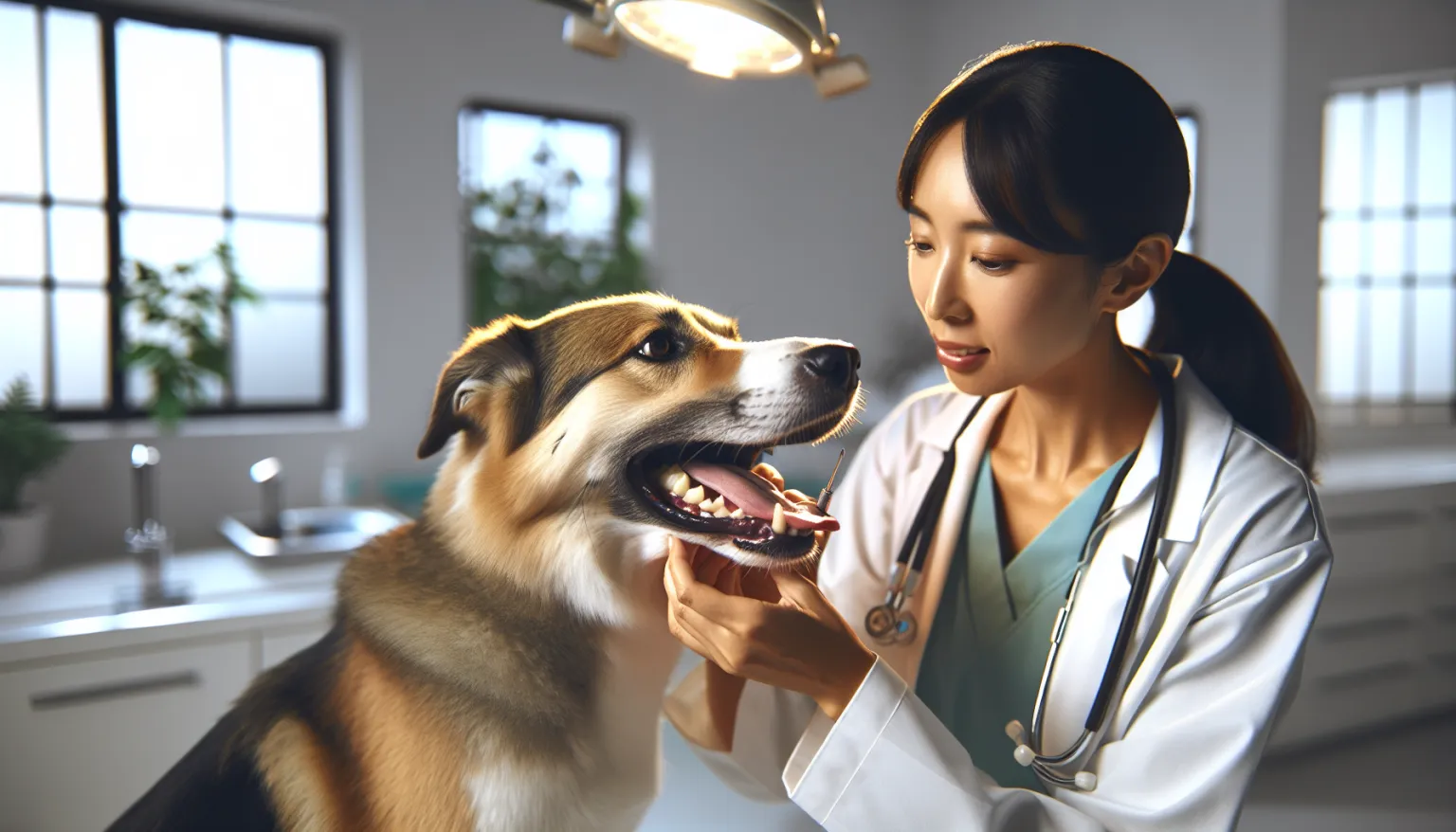
Lowchen do well on quality small-breed adult food in measured portions. Lean body condition supports patella and hip joint health across their long lifespan. Omega-3 supplementation supports coat, skin, and joint health. Dental chews and regular brushing complement a breed prone to periodontal disease.
What the Future Can Hold
Lowchen with comprehensive OFA screening, annual CAER surveillance, and appropriate companion dog enrichment can achieve excellent longevity of 13-15 years. Their rare status makes responsible breeding decisions especially critical — every healthy generation strengthens the breed’s long-term genetic health. For owners fortunate enough to find one, the Lowchen offers a remarkably long partnership with a genuinely ancient breed.
The Drift Pattern Most Owners Miss
Early disease progression in Lowchen usually presents as low-grade changes that owners attribute to normal aging:
- Occasional skipping step on one hind leg related to Luxating Patella that gets dismissed as a one-time event
- Bunny-hopping gait or reluctance to jump that masks Hip Dysplasia progression before it becomes constant
- Gradual drift toward Eye Conditions signs that become harder to reverse: visible cloudiness, chronic redness, or navigation difficulty
If baseline function is drifting for 7-10 days, treat it as a prevention failure signal and reassess early.
Additional Health Risks to Monitor
Based on breed predisposition data, Lowchen owners should also be aware of:
Frequently Asked Questions
How long do Lowchen live?
Lowchen typically live 13-15 years. OFA patella and hip evaluations, annual CAER eye exams, and lean body condition are the primary longevity investments.
How rare are Lowchen?
Lowchen are among the rarest AKC-recognized breeds with very limited annual registrations. At their nadir in the 1970s, only 65 individuals were known worldwide. Despite recovery, they remain a genuinely rare breed globally.
Why is the Lowchen called the Little Lion Dog?
The Lowchen’s traditional lion clip — hindquarters clipped short, front left long — creates a lion-like silhouette. The German name “Lowchen” means “little lion.” The traditional clip was also functional, allowing the warm-bodied dog to serve as a foot warmer.
Are Lowchen hypoallergenic?
Lowchen are sometimes described as low-shedding and occasionally recommended for allergy sufferers. Their long, flowing coat sheds minimally but requires regular grooming. No dog breed is truly hypoallergenic.
Are Lowchen good family dogs?
Lowchen are cheerful, adaptable, and affectionate — good family companions for a range of household types including apartment living. They are active and playful but do not have extreme exercise demands. Their rare status means finding a reputable breeder may require significant waiting time.
References
[1] Lowchen Club of America. thelowchenclubofamerica.org. [2] OFA health statistics. ofa.org. [3] AKC breed information. akc.org. [4] Lowchen historical art documentation: 15th-century European tapestry and painting records. [5] Guinness World Records 1973: rarest dog breed designation for Lowchen.
Related Reading
Continue exploring