Intelligence That Demands a Different Kind of Care
The Mini Aussiedoodle inherits cognitive drive from two of the sharpest breeds in existence. The Australian Shepherd is a working dog bred to manage livestock across rugged terrain, making thousands of independent decisions daily. The Miniature Poodle consistently ranks among the top three most intelligent breeds in behavioral testing. Combine them in a 15 to 35 pound package and you get a dog whose brain needs as much management as its body.
This matters for longevity because understimulated, high-intelligence dogs develop stress behaviors — compulsive licking, destructive chewing, anxiety — that erode quality of life and can mask or trigger genuine health problems. The longevity plan for a Mini Aussiedoodle must include cognitive care alongside the physical screening protocols.
But the most critical health consideration for this cross has nothing to do with intelligence. It is a pharmacogenomic time bomb inherited from the Australian Shepherd: the MDR1 gene mutation.
MDR1: The Medication Risk You Cannot Afford to Ignore
The MDR1 (multi-drug resistance 1) gene encodes a protein called P-glycoprotein that functions as a gatekeeper at the blood-brain barrier. When this gene is mutated, certain common medications — including ivermectin (found in many heartworm preventives), loperamide (Imodium), and several anesthetic agents — can cross into the brain at toxic concentrations.
Approximately 50% of Australian Shepherds carry at least one copy of the MDR1 mutation. In dogs homozygous for the mutation (two copies), exposure to affected drugs can cause tremors, seizures, blindness, coma, and death.
For your Mini Aussiedoodle, this means one thing must happen before any other health intervention: MDR1 testing. A simple cheek swab sent to Washington State University’s Veterinary Clinical Pharmacology Lab provides definitive results. Every veterinarian who treats your dog needs the result in the medical record, including emergency clinics.
This is not a condition you monitor for. It is a genetic status you determine once and plan around permanently.
Medications Requiring Caution in MDR1-Affected Dogs
- Ivermectin (some heartworm preventives — milbemycin-based alternatives exist)
- Loperamide (Imodium)
- Acepromazine (common sedative)
- Butorphanol (pain medication)
- Several chemotherapy agents (vincristine, doxorubicin)
Your veterinarian can select safe alternatives for every scenario, but only if they know the MDR1 status before prescribing.
The Australian Shepherd Inheritance
Beyond MDR1, the Australian Shepherd contributes several health considerations to the Mini Aussiedoodle.
Epilepsy
Seizures and epilepsy are documented at elevated rates in Australian Shepherds. Idiopathic epilepsy — seizures without an identifiable structural cause — typically manifests between ages 1 and 5. The condition is believed to have a genetic component, though the specific genes involved have not been fully mapped.
If your Mini Aussiedoodle experiences a seizure, the first episode requires full veterinary workup: bloodwork, neurological examination, and potentially advanced imaging. Many dogs with idiopathic epilepsy live full lifespans with appropriate anticonvulsant management, but the medication choices must account for MDR1 status.
Hip Dysplasia
Australian Shepherds show approximately 6% hip dysplasia prevalence per OFA data — lower than many breeds but still present. Combined with hip dysplasia risk from the Poodle line (smaller, but documented), the Mini Aussiedoodle warrants baseline hip evaluation in early adulthood.
Eye Conditions
Australian Shepherds carry risk for multiple hereditary eye conditions, including Collie eye anomaly, cataracts, and iris coloboma. The Poodle side adds progressive retinal atrophy (PRA) risk. This dual-sided eye vulnerability makes annual ophthalmologic screening particularly important for the Mini Aussiedoodle.
The Miniature Poodle Inheritance
The Miniature Poodle contributes longevity genetics (14 to 16 year average lifespan), low-shedding coat characteristics, and additional health considerations.
Luxating patella affects approximately 4 to 6% of Miniature Poodles per OFA data. In a Mini Aussiedoodle, this condition manifests as intermittent skipping on a hind leg — the kneecap slips out of its groove and then returns. Mild cases may only need monitoring; severe or progressive cases require surgical correction.
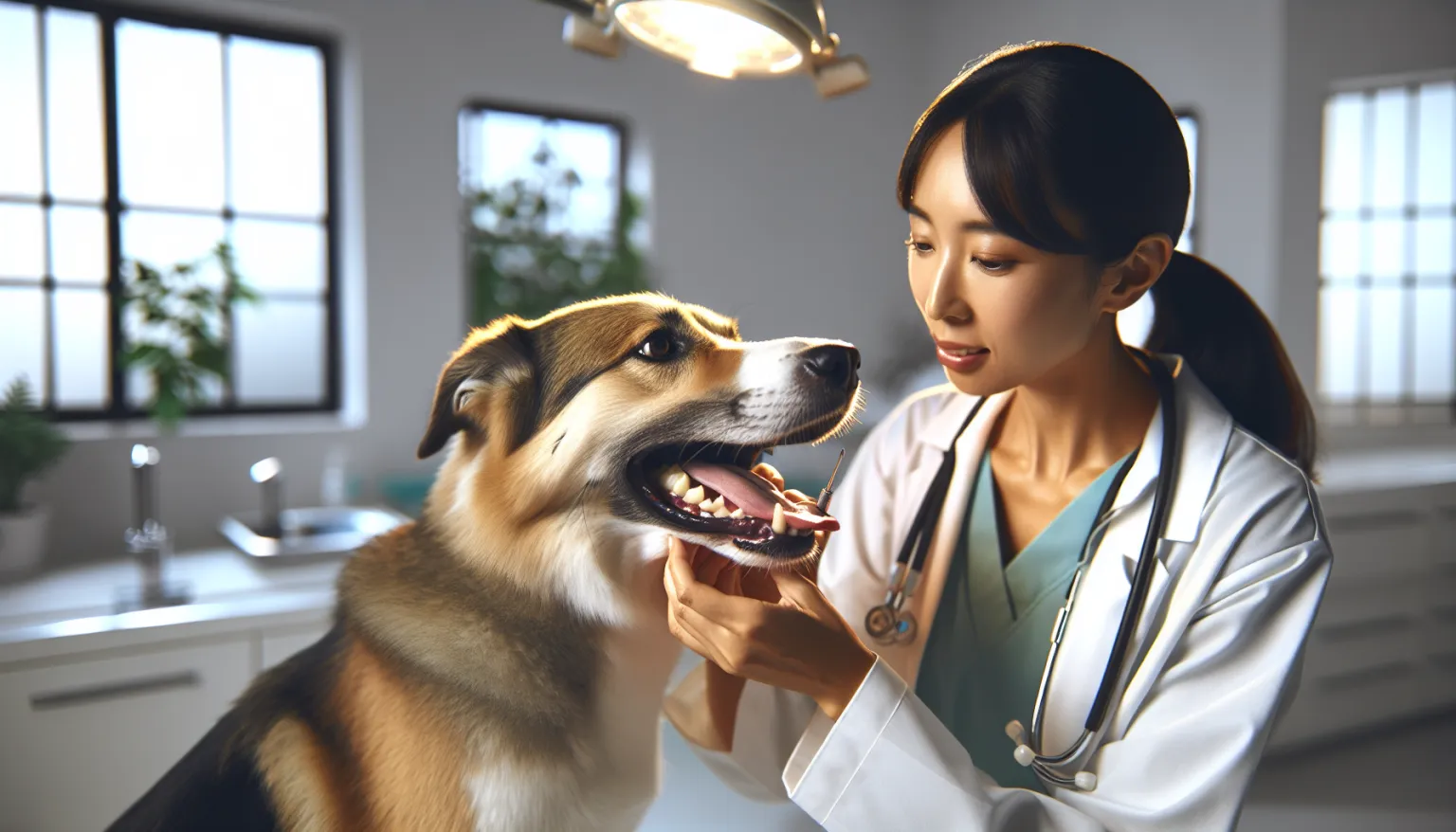
Dental disease is more prevalent in smaller dogs. The Miniature Poodle’s influence on jaw size can lead to crowded teeth that accelerate tartar buildup and periodontal disease. Daily brushing starting in puppyhood is the most effective prevention.
The Poodle also contributes to progressive retinal atrophy risk, compounding the eye concerns from the Australian Shepherd side.
Hybrid Vigor Considerations
A 2013 JAVMA study found purebreds were significantly more likely to develop 10 of 24 genetic disorders compared to mixed breeds. For the Mini Aussiedoodle, first-generation crosses between health-tested parents may benefit from heterosis for recessive single-gene conditions.
However, MDR1 status is a dominant mutation — a single copy is enough to cause drug sensitivity. Heterosis does not protect against it. And polygenic conditions like hip dysplasia and epilepsy showed no significant reduction in mixed breeds in the same study. Hybrid vigor helps, but it does not replace genetic testing or proactive screening.
Managing the Priority Conditions
Cognitive and Behavioral Health
A bored Mini Aussiedoodle is a stressed Mini Aussiedoodle. These dogs need 30 to 60 minutes of structured mental engagement daily in addition to physical exercise. Training sessions, puzzle toys, scent work, and novel experiences prevent the anxiety and compulsive behaviors that develop when cognitive drive has no outlet.
Chronic stress elevates cortisol, which drives inflammation, suppresses immune function, and accelerates aging. Cognitive care is not a luxury — it is a longevity intervention.
Seizure Preparedness
Know what a seizure looks like: sudden collapse, rigidity, paddling limbs, loss of consciousness, possible loss of bladder or bowel control. Most seizures last 30 to 90 seconds.
What to do: keep your dog safe from injury (away from stairs, sharp objects), do not put anything in the mouth, time the seizure, and record video if possible. Any seizure lasting more than 5 minutes or clusters of multiple seizures require immediate emergency care.
If your dog is diagnosed with idiopathic epilepsy, medication management can be highly effective. Work with a veterinary neurologist to select anticonvulsants compatible with your dog’s MDR1 status.
Orthopedic Monitoring
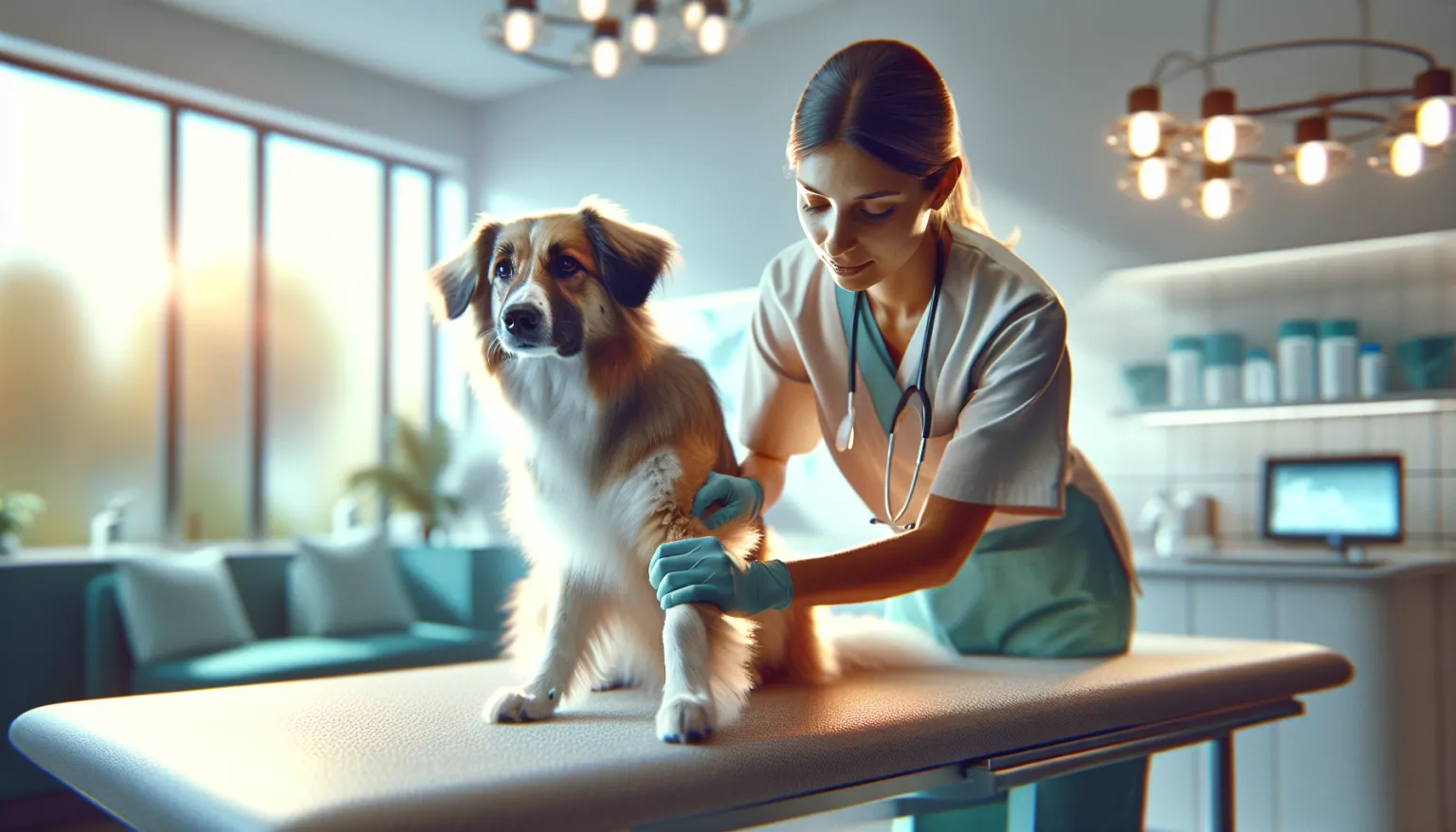
Monitor for both hip dysplasia (stiffness after rest, reluctance to climb, bunny-hopping gait) and luxating patella (intermittent skipping, sudden three-legged gait). Controlled exercise during the first 12 months protects developing joints. Swimming is the ideal lifetime exercise — it builds muscle and cardiovascular fitness with zero joint impact.
Eye Health Protocol
Given dual-sided eye risk, annual comprehensive ophthalmologic examinations should begin at age 1 and continue throughout life. This is not standard for most breeds at that age, but the combination of Australian Shepherd and Poodle eye genetics warrants earlier and more frequent screening.
Nutrition Strategy
Use Feeding Guide for Small Breeds for Mini Aussiedoodles under 25 pounds and Feeding Guide for Medium Breeds for those in the 25 to 35 pound range. Omega-3 supplementation supports coat health and may reduce inflammatory load.
If your dog takes anticonvulsant medication, discuss potential nutrient interactions with your veterinarian. Some seizure medications alter liver metabolism in ways that affect nutrient absorption.
Target body condition score of 4 to 5 on the 9-point scale. Maintain lean body weight to protect joints and reduce the metabolic burden that accelerates aging.
Exercise Programming
Mini Aussiedoodles need 60+ minutes of daily activity — more than many small dogs. The Australian Shepherd heritage creates a dog that wants to work, and physical exercise alone is insufficient. The ideal daily routine includes:
- 30 to 45 minutes of physical exercise (walking, swimming, structured play)
- 20 to 30 minutes of cognitive work (training, puzzle feeders, scent games, new environments)
- Sufficient downtime and sleep (overexercised Aussie-crosses become wired, not tired)
Avoid repetitive high-impact activities in dogs under 12 months. Teach a reliable “off switch” — these dogs can struggle to self-regulate arousal without structured rest.
Preventive Screening Timeline
- Before first vet visit: MDR1 genetic testing (cheek swab). Results go in every medical record.
- Puppy to 12 months: Growth monitoring, patellar evaluation, initial eye exam, controlled exercise only.
- 1 to 4 years: Annual wellness exam, comprehensive ophthalmologic exam, cardiac auscultation, dental assessment. Monitor for first seizure episode.
- 5 to 8 years: Annual bloodwork, joint assessment, cancer awareness. Continue annual eye exams.
- 9 to 12 years: Twice-yearly exams. Senior blood panel, urinalysis, mobility evaluation.
- 13+ years: Geriatric monitoring. Cognitive decline assessment, pain management review, quality-of-life scoring.
Breed-Specific Research
- Arthritis Pain Stack for Dogs: Mobility-First Framework: joint-protective protocols for orthopedic-risk breeds.
- Senior Dog Screening Protocol: What to Test and When: comprehensive screening for aging dogs.
- Eye Health Screening Frequency by Breed: ophthalmologic schedule for breeds with hereditary eye conditions.
Condition-Specific Monitoring Triggers
These signals require veterinary evaluation:
- MDR1 Drug Sensitivity: Any adverse reaction to medication — tremors, disorientation, excessive sedation, or seizures after taking medication.
- Seizures/Epilepsy: Any seizure event, behavioral changes (sudden confusion, staring episodes), or cluster seizures.
- Hip Dysplasia: Bunny-hopping gait, reluctance to climb stairs, stiffness after rest.
- Luxating Patella: Intermittent skipping on a hind leg, sudden leg-lifting that resolves on its own.
- Progressive Retinal Atrophy: Bumping into objects in dim light, dilated pupils, reluctance to navigate unfamiliar spaces.
- Dental Disease: Bad breath, red or bleeding gums, difficulty chewing, dropping food.
12-Month Longevity Execution Plan
Quarter 1: Genetic Baseline
- Complete MDR1 testing and distribute results to all veterinary providers
- Record starting weight, body condition score, and gait quality with video
- Establish feeding protocol and cognitive enrichment routine
- Complete baseline bloodwork, patellar evaluation, and comprehensive eye exam
Quarter 2: Monitoring and Adjustment
- Audit Q1 adherence: feeding, exercise, cognitive enrichment
- Compare weight and gait against Q1 baselines
- Report any behavioral changes, skin issues, or suspicious episodes
- Verify MDR1-safe heartworm prevention is in place
Quarter 3: Midyear Assessment
- Review six-month health trajectory: weight, coat condition, behavioral stability
- Adjust exercise and enrichment for seasonal conditions
- Repeat eye exam if initial screening showed any concerns
- Dental health check
Quarter 4: Annual Review
- Build next year’s screening schedule from full-year data
- Run senior bloodwork if your dog is 5 or older
- Complete mobility assessment: gait symmetry, joint range of motion
- Review seizure log (if applicable) and medication efficacy with neurologist
When to Seek Emergency Care
Do not delay on any of the following:
- Any seizure lasting more than 5 minutes or clusters of multiple seizures
- Adverse medication reaction: tremors, severe sedation, disorientation, collapse
- Sudden weakness, pale gums, or abdominal distension
- Sudden vision loss or eye pain
- Respiratory distress or sustained resting respiratory rate above 40 breaths per minute
- Collapse during or after exercise
Home Tracking Dashboard
Monitor monthly:
- Weight and body condition score
- Behavioral baseline: energy level, anxiety markers, cognitive engagement
- Gait quality — any stiffness, skipping, or reluctance to move
- Eye clarity and light responsiveness
- Skin and coat condition, ear health
- Dental health — breath, gum color, chewing comfort
- Seizure log (if applicable): frequency, duration, recovery time, triggers
Frequently Asked Questions
What is MDR1 and why is it critical for my Mini Aussiedoodle? MDR1 is a gene mutation that impairs the blood-brain barrier’s ability to exclude certain drugs. Approximately 50% of Australian Shepherds carry this mutation. Without testing, common medications — including some heartworm preventives and sedatives — can cause seizures, coma, or death. A simple cheek swab test provides definitive results. Test before any medication or anesthetic procedure.
Are Mini Aussiedoodles prone to seizures? They carry elevated risk from the Australian Shepherd side. Idiopathic epilepsy in Aussies typically manifests between ages 1 and 5. Not every Mini Aussiedoodle will develop seizures, but awareness and preparedness are essential. Most dogs with epilepsy live full lifespans with appropriate anticonvulsant management.
How much mental stimulation does a Mini Aussiedoodle need? More than most small breeds. Plan for 20 to 30 minutes of structured cognitive work daily — training sessions, puzzle toys, scent games, or novel environments — in addition to 30 to 45 minutes of physical exercise. Insufficient mental engagement leads to stress behaviors that erode health and quality of life.
Can my Mini Aussiedoodle take Imodium for an upset stomach? Not without knowing their MDR1 status. Loperamide (Imodium) is one of the drugs that can cause severe toxicity in MDR1-affected dogs. Never give any medication without first consulting your veterinarian and ensuring it is safe for your dog’s specific MDR1 genotype.
How long do Mini Aussiedoodles live? Most live 12 to 16 years with appropriate care. The smaller body size provides a longevity advantage over standard Aussiedoodles. MDR1-safe medication management, seizure preparedness, weight control, and consistent screening are the pillars of achieving the upper end of this range.
Should I get eye exams even if my dog seems to see fine? Yes. Both parent breeds carry hereditary eye conditions, some of which progress gradually before symptoms become apparent. Annual comprehensive ophthalmologic exams starting at age 1 allow early detection and management. By the time behavioral signs of vision loss appear, the condition is often advanced.
References
[1] Prevalence of inherited disorders among mixed-breed and purebred dogs (Bellumori et al., JAVMA, 2013) [2] Washington State University Veterinary Clinical Pharmacology Laboratory — MDR1 Testing [3] Effects of Diet Restriction on Life Span and Age-Related Changes in Dogs (Kealy et al., 2002) [4] Life expectancy, mortality, and longevity in companion dogs (Scientific Reports, 2024) [5] Orthopedic Foundation for Animals (OFA) [6] Merck Veterinary Manual [7] AAHA Canine Life Stage Guidelines
This content is for informational purposes only and does not constitute veterinary advice. Always consult a licensed veterinarian for decisions about your dog’s health, diagnosis, and treatment.
Related reads
Related Reading
Continue exploring