Four to Eight Pounds of Concentrated Consequence
The Morkie is a cross between the Maltese and the Yorkshire Terrier — two of the most popular toy breeds in the world. Both parents are companion dogs refined over centuries for apartment living, lap warmth, and emotional attachment. The Morkie inherits all of that, along with a body size where the margin between health and illness is measured in fractions of ounces.
At 4-8 lbs, this is a dog where everything is amplified. A half-pound weight gain is a 10% increase in body mass. A low-grade dental infection creates systemic inflammation that a larger body could absorb but a Morkie cannot. A medication dosing error of a few milligrams can cross from therapeutic to toxic. The Morkie’s longevity potential of 12-16 years is genuine — both parent breeds routinely reach the upper teens — but realizing that potential requires a level of precision that larger-dog owners rarely need to think about.
This guide is organized around that reality: in a dog this small, prevention is not just helpful. It is the difference between a 12-year life and a 16-year life.
Hybrid Vigor at the Smallest Scale
First-generation Morkie crosses benefit from heterosis for conditions driven by simple recessive inheritance. Crossing the Maltese and Yorkshire Terrier gene pools increases genetic diversity and can reduce the incidence of breed-specific recessive disorders.
However, the conditions most relevant to Morkie health are either shared by both parent breeds or are structural consequences of toy-breed anatomy. Dental disease, luxating patella, tracheal collapse, and toy-breed hypoglycemia are not resolved by crossing — they are inherent to the body size and jaw/knee/airway anatomy that both parents contribute.
Portosystemic shunt — a congenital liver vascular anomaly — is notably elevated in both Maltese and Yorkshire Terriers, making this a condition where the cross receives double genetic loading rather than heterosis benefit.
Dental Disease: The Defining Health Challenge
Both the Maltese and the Yorkshire Terrier are among the breeds most severely affected by dental disease. The Morkie inherits miniature jaws with crowded, sometimes misaligned teeth that trap food particles and bacteria in spaces that are nearly impossible to clean without daily intervention.
The progression is predictable: plaque becomes tarite, tartar drives gingivitis, gingivitis progresses to periodontal disease, periodontal disease causes bone loss, tooth mobility, chronic pain, and bacterial seeding into the bloodstream. In a 4-8 lb dog, that bacterial load reaches the heart and kidneys without the buffering capacity that a larger body provides.
Studies consistently show that dogs with significant periodontal disease have measurably shorter lifespans than dogs with well-maintained oral health. In the Morkie, this connection is not theoretical — it is one of the primary mechanisms by which preventable disease shortens life.
The Dental Protocol
- Daily tooth brushing. Every day. Not every other day, not when you remember. The plaque cycle in toy breed mouths is fast enough that skipping even a few days allows meaningful buildup. Use a small, soft-bristled brush and veterinary enzymatic toothpaste.
- Professional cleanings. Follow your vet’s recommended schedule, which may be annually or more frequently depending on your dog’s individual progression rate.
- Do not avoid dental procedures due to anesthesia concerns. Modern anesthetic protocols are safe for toy breeds when properly managed. The risk of untreated dental disease far exceeds the risk of a well-planned dental cleaning. Discuss pre-anesthetic blood work and monitoring protocols with your vet.
- Monitor at home. Check for bad breath, reluctance to chew, dropping food, red or bleeding gums, facial swelling, or one-sided chewing. Any of these signals warrants examination.
Portosystemic Shunt: The Hidden Liver Condition
Portosystemic shunt (PSS) is a congenital vascular anomaly where blood from the gastrointestinal tract bypasses the liver through an abnormal blood vessel, preventing the liver from filtering toxins. Both Maltese and Yorkshire Terriers have among the highest PSS prevalence of any breed, making this a serious double-loaded concern for Morkies.
PSS symptoms can be subtle and intermittent, particularly in dogs with partial shunts:
- Poor growth or failure to thrive in puppyhood
- Behavioral oddities after eating (disorientation, head pressing, circling, staring into space)
- Excessive drooling or vomiting
- Urinary tract signs (frequent urination, blood in urine from ammonium urate crystals)
- Seizure-like episodes, especially after meals
Many dogs with PSS are underdiagnosed because the symptoms are episodic and can be mistaken for behavioral quirks or other conditions. If your Morkie puppy is unusually small for its age, shows strange behavior after meals, or seems neurologically “off” intermittently, request bile acid testing — a simple blood test that screens for liver shunting.
Early diagnosis dramatically improves outcomes. Some shunts can be surgically corrected. Others are managed medically with dietary protein restriction and medications to reduce ammonia production. Untreated shunts can lead to progressive neurological decline, liver failure, and significantly shortened lifespan.
Luxating Patella: Double-Loaded Risk
Both parent breeds carry elevated luxating patella risk, making this a condition where the Morkie receives no heterosis benefit. In a 4-8 lb dog, the biomechanics are particularly unforgiving — even slight patellar instability creates disproportionate functional impact.
Weight control is the highest-impact intervention. Every quarter-pound matters. Lean body condition reduces mechanical stress on the stifle joint and slows the progression from grade I (intermittent, self-correcting) to higher grades where surgical intervention becomes necessary.
Signs to watch for: intermittent hind-leg skipping, sudden holding up of one leg that resolves within a few steps, or reluctance to jump. Have patellar stability evaluated at every routine veterinary visit.
Tracheal Collapse: Protecting the Airway
Tracheal collapse is common in toy breeds, and the Morkie inherits risk from both parent lines. The cartilage rings that hold the trachea open can weaken over time, causing the airway to flatten during breathing.
The signature sound is a dry, goose-honk cough — typically triggered by excitement, pulling against a collar, drinking water, or temperature changes. Management is straightforward:
- Harness, never collar. A collar compresses the trachea directly. A well-fitted harness distributes pressure across the chest. This is a permanent, non-negotiable equipment change.
- Weight management. Excess body weight increases pressure on the airway from above.
- Minimize irritants. Smoke, strong fragrances, dust, and extreme cold can trigger coughing episodes.
- Medical management. Cough suppressants, bronchodilators, and anti-inflammatory medications can manage symptoms. Severe cases may require tracheal stenting.
Cataracts and Eye Health
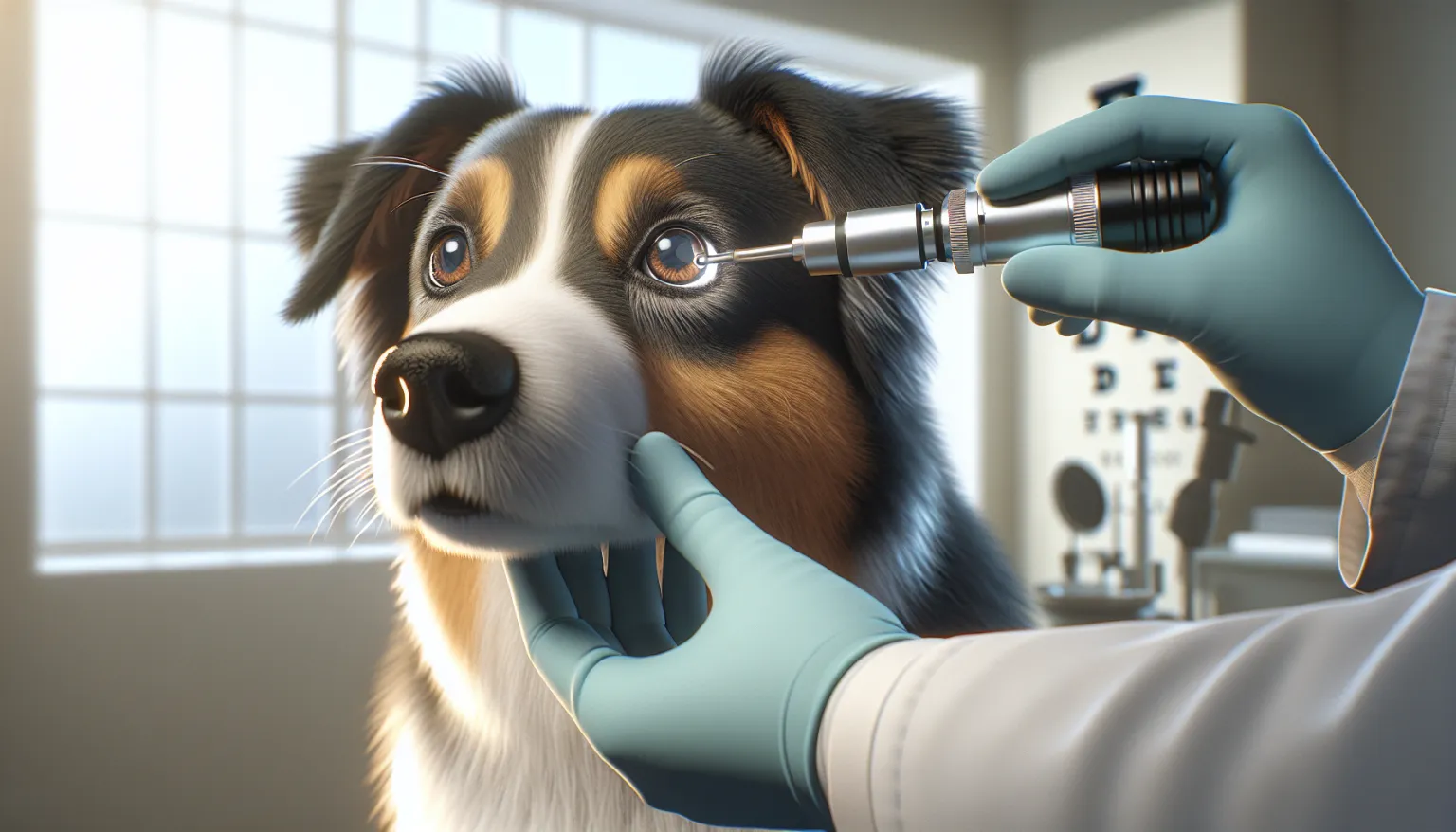
Yorkshire Terriers carry elevated cataract risk, and the Maltese contributes susceptibility to tear staining and corneal issues. The Morkie may develop hereditary cataracts at any age, from juvenile onset to senior-stage progression.
Annual eye exams allow early detection while surgical intervention (phacoemulsification) remains an option. Watch for cloudiness in the lens, reduced visual confidence, bumping into objects, or reluctance to navigate dim environments.
Feeding a 4-8 lb Dog With Precision
In a Morkie, caloric math is ruthless. At 6 lbs, a single biscuit treat can represent 15-20% of the entire daily calorie budget. Two extra treats per day for a week can drive a quarter-pound gain — which at this body weight represents a 4% increase in body mass.
Toy-breed puppies and small adults are also vulnerable to hypoglycemia (low blood sugar), particularly during periods of stress, illness, or missed meals. Regular, small, measured meals prevent dangerous blood sugar drops while keeping overall caloric intake controlled.
Use Feeding Guide for Toy Breeds as your framework. Weigh meals on a kitchen scale if possible — measuring cups are insufficiently precise at these portion sizes. Monthly weigh-ins on a scale sensitive to quarter-pound or smaller increments catch drift before it compounds.
For dental health support through nutrition, discuss Dental Health Nutrition Protocol for Dogs with your veterinarian.
Exercise Within Safe Boundaries
Morkies are surprisingly playful and energetic for their size. Most thrive on 20-30 minutes of daily activity — shorter sessions than larger breeds, but no less important for maintaining muscle tone, joint health, and mental engagement.
Safe activities:
- Short walks on flat, even surfaces
- Indoor play with appropriately sized toys
- Training sessions (mental enrichment counts as exercise)
- Gentle fetch in enclosed, safe spaces
Activities to avoid or modify:
- Jumping on and off furniture (use pet stairs or ramps)
- Rough play with significantly larger dogs
- Extended outdoor exposure in extreme cold (toy breeds lose body heat rapidly)
- Any activity that creates tracheal pressure through a collar
Preventive Screening Timeline
- Puppy to 1 year: Bile acid testing to screen for portosystemic shunt. Patellar evaluation. Dental assessment and introduction of daily brushing. Harness fitting. Hypoglycemia awareness.
- 2 to 6 years: Annual wellness exams with dental staging, patellar check, cardiac auscultation, and eye exam. Maintain grooming, dental, and weight protocols.
- 7 to 10 years: Add comprehensive bloodwork. Increase dental cleaning frequency. Monitor for tracheal collapse progression. Senior eye exam for cataracts.
- 11+ years: Twice-yearly exams. Senior metabolic panel, dental assessment, mobility evaluation, cardiac monitoring, and cognitive function check.
Breed-Specific Research
- Dental Disease in Dogs: Oral Health and Longevity: oral health protocols for toy-breed longevity.
- Blood Pressure Monitoring in Dogs: The Silent Risk Most Owners Miss: cardiac monitoring for small-breed dogs.
- Senior Dog Screening Protocol: What to Test and When: screening framework for long-lived toy breeds.
Condition-Specific Monitoring Triggers
- Dental Disease: Bad breath, reluctance to chew, bleeding gums, dropping food, facial swelling, one-sided chewing.
- Luxating Patella: Intermittent hind-leg skipping, sudden leg-holding, reluctance to jump, stiffness after rest.
- Tracheal Collapse: Dry honking cough, especially triggered by excitement, collar pressure, drinking, or temperature changes.
- Portosystemic Shunt: Strange behavior after eating (disorientation, staring, circling), poor growth, excessive drooling, urinary signs. Request bile acid testing if symptoms appear.
- Cataracts: Lens cloudiness, reduced visual confidence, reluctance in dim environments.
12-Month Longevity Execution Plan
Quarter 1: Foundation and Screening
- Bile acid testing if not previously completed (especially in dogs under 2 years)
- Record weight, dental status, and patellar stability
- Establish daily tooth brushing as a non-negotiable habit
- Fit a harness and permanently retire the collar for leash use
- Set feeding protocol with kitchen-scale measured meals
Quarter 2: Consistency Building
- Audit dental care, feeding, and grooming compliance
- Compare weight and dental status against Q1 baselines
- Report any coughing, lameness, or behavioral changes to your vet
- Evaluate and reinforce household feeding rules — no rogue treat-givers
Quarter 3: Midyear Check
- Veterinary assessment of dental health, patellar stability, and airway status
- Reassess coughing frequency and triggers if tracheal symptoms are present
- Adjust activity levels for seasonal changes
- Review weight trend and correct any drift immediately
Quarter 4: Annual Synthesis
- Complete year of data reviewed with your vet
- Senior bloodwork if age-appropriate
- Updated dental cleaning schedule
- Plan next year’s screening calendar with specific dates and triggers
When to Seek Emergency Care
- Seizure-like activity, especially after eating (possible hepatic encephalopathy from portosystemic shunt)
- Severe respiratory distress, blue or purple tongue, or collapse
- Hypoglycemic episode: weakness, trembling, disorientation, or loss of consciousness
- Complete food refusal for more than 12-18 hours in a toy breed (hypoglycemia risk is real)
- Sudden inability to bear weight or visible distress
- Sustained honking cough with labored breathing (advanced tracheal collapse)
Home Tracking Dashboard
Monitor monthly:
- Weight on a gram-accurate or quarter-pound-increment scale
- Dental comfort: willingness to chew, breath quality, gum appearance
- Coughing patterns: frequency, triggers, duration
- Gait quality: skipping, limping, reluctance to jump
- Appetite and food tolerance — particularly any post-meal behavioral changes
- Energy level and playfulness compared to personal baseline
- Eye clarity and visual confidence
Frequently Asked Questions
Why is dental disease so dangerous in Morkies? Both parent breeds have miniature, crowded jaws where plaque accumulates rapidly. In a 4-8 lb body, the systemic inflammation from untreated dental disease reaches organs with minimal buffering capacity. Dental disease is the single most common preventable cause of shortened lifespan in toy breeds.
What is portosystemic shunt and should I test for it? A portosystemic shunt is a congenital liver vascular anomaly where blood bypasses the liver. Both Maltese and Yorkshire Terriers have elevated PSS rates. Bile acid testing is a simple blood test that screens for the condition. Test any Morkie puppy that is unusually small, shows strange behavior after meals, or seems neurologically “off.”
Should I ever use a collar on my Morkie? Only for identification tags, never for leash attachment. A well-fitted harness protects the trachea from compression. This is a permanent equipment choice, not a temporary precaution.
How do I prevent hypoglycemia? Feed regular, scheduled meals — typically 3-4 small meals per day for puppies, 2-3 for adults. Never let a toy-breed puppy or small adult go more than 6-8 hours without eating. If your dog refuses food for more than 12 hours, contact your vet.
Is a half-pound of weight gain really that significant? In a 5 lb dog, a half-pound gain is a 10% increase in body mass. That is equivalent to a 150 lb person gaining 15 lbs. It meaningfully increases stress on knees, the airway, and the cardiovascular system. Monthly weigh-ins catch this drift early.
Can portosystemic shunt be cured? Some extrahepatic shunts can be surgically corrected with excellent long-term outcomes. Intrahepatic shunts and complex cases may require lifelong medical management. Early diagnosis significantly improves prognosis regardless of treatment path.
How much exercise does a Morkie need? 20-30 minutes of daily activity, divided into short sessions. Prioritize flat-surface walks, gentle play, and mental enrichment through training. Avoid high-impact activities, rough play with larger dogs, and any activity that involves jumping from height.
References
[1] Life expectancy, mortality, and longevity in companion dogs (Scientific Reports, 2024) [2] Prevalence of inherited disorders among mixed-breed and purebred dogs (Bellumori et al., JAVMA, 2013) [3] AKC Maltese Breed Information [4] AKC Yorkshire Terrier Breed Information [5] Merck Veterinary Manual [6] AAHA Canine Life Stage Guidelines
This content is for informational purposes only and does not constitute veterinary advice. Always consult a licensed veterinarian for decisions about your dog’s health, diagnosis, and treatment.
Related reads
Related Reading
Continue exploring