The Most Anatomically Strange Dog Alive — With a Gut to Match
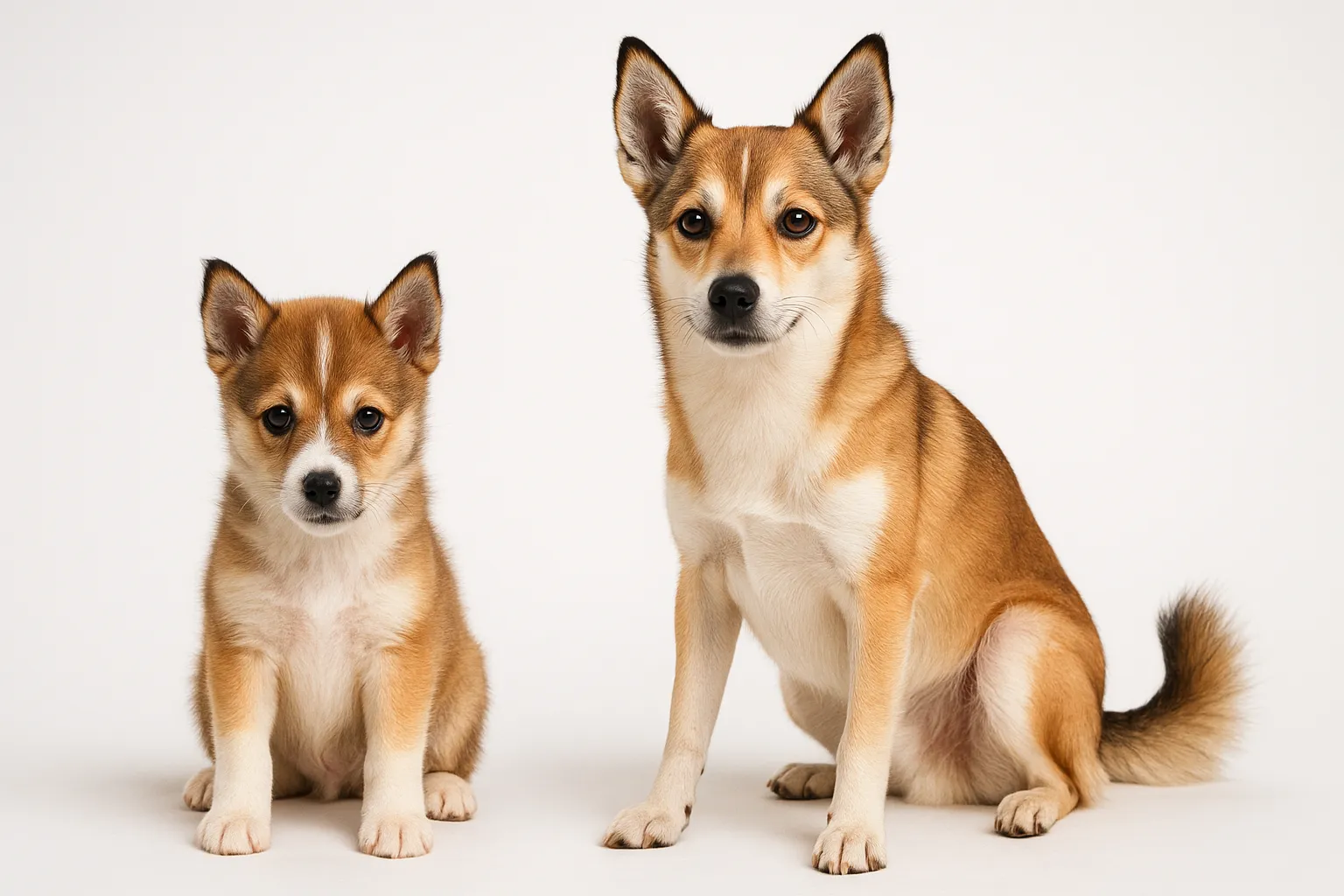
No other dog breed comes close to the Norwegian Lundehund’s anatomical strangeness. Six functional toes on each foot. Joints so flexible the head can bend backward to touch the spine. Ear canals that fold shut on command. This small Spitz-type dog evolved on the remote Norwegian island of Vaeroy to hunt puffins from rocky cliff face burrows, and every unusual feature served that purpose.
The breed is ancient and rare — nearly driven to extinction twice. Lifespans of 12-14 years are typical. But the defining health challenge is not structural. It is gastrointestinal. Lundehund Syndrome — a breed-specific inflammatory bowel disease and protein-losing enteropathy — affects virtually every Lundehund to some degree.
The syndrome encompasses the breed’s GI disease complex: lymphangiectasia, IBD, and protein-losing enteropathy. It causes malabsorption, low blood protein levels, abdominal fluid accumulation, and weight loss.
Some Lundehunds carry subclinical disease detectable only through blood protein levels. Others develop overt clinical disease requiring intensive management. The unusual anatomy, by contrast, causes no health problems at all.
What This Breed Is Most Likely to Face
Protein-Losing Enteropathy
Protein-losing enteropathy (PLE) — the loss of protein through the GI tract — is a core component of Lundehund Syndrome. Affected dogs develop dangerously low blood protein, leading to fluid accumulation in the abdomen, chest, and limbs.
Annual serum albumin, total protein, and B12 levels track disease progression. Management includes a low-fat prescription diet, B12 injections for deficient dogs, prednisolone for active inflammation, and close protein level monitoring.
See the Protein-Losing Enteropathy guide for full prevention and management detail.
Inflammatory Bowel Disease
Inflammatory bowel disease is part of the Lundehund Syndrome complex. Affected dogs show chronic vomiting, diarrhea, weight loss, and poor coat quality. Intestinal biopsy provides the definitive characterization of inflammatory cell type.
First-line treatment is dietary management with highly digestible, low-fat food. Immunosuppressive therapy is added in refractory cases. Regular fecal examination rules out concurrent parasitic contribution to GI signs.
See the Inflammatory Bowel Disease guide for full prevention and management detail.
Weight Management
Weight management in Norwegian Lundehunds requires monitoring in both directions — a paradox unique to this breed. Lundehund Syndrome causes weight loss and muscle wasting in actively affected dogs, while dogs with subclinical or controlled disease gain weight easily.
Monthly body condition scoring and muscle mass assessment catch both directions of change early. Regular weight checks let you adjust dietary caloric content before problems compound.
See the Weight Management guide for full prevention and management detail.
Strategies With Research Support
Living with Lundehund Syndrome
Lundehund Syndrome is considered an inherent characteristic of the breed. Virtually all Lundehunds carry some degree of GI disease. The goal is management, not cure.
The key elements: (1) Annual albumin, total protein, and B12 measurement — your baseline for tracking disease severity. (2) A low-fat, highly digestible diet — this reduces lymphatic load and GI inflammation. (3) B12 supplementation for dogs with documented deficiency, since most affected dogs absorb B12 poorly. (4) Prednisolone or budesonide for active inflammatory IBD. (5) Sildenafil or other interventions for dogs with significant lymphangiectasia. (6) A close partnership with an internal medicine specialist experienced with this syndrome. That last point matters enormously. General IBD protocols are not sufficient here.
Extraordinary Anatomy, Zero Health Burden
The Lundehund’s anatomy is genuinely extraordinary. Six functional toes on each foot provided grip on cliff faces. The ability to splay front legs flat to each side, like a cat, and bend the head backward to touch the back allowed navigation of narrow puffin burrows. Ear canals that close shut protected against water and debris during entry.
None of these features causes health problems. They are functional adaptations to extreme working conditions. Owners should expect and understand these characteristics rather than worry about them.
Connect with the Rare Breed Community
Fewer than 2,000 Norwegian Lundehunds exist worldwide. North American numbers are even more limited. Connecting with the Norwegian Lundehund Association of America and international breed clubs is especially valuable for this breed.
Specialists familiar with Lundehund Syndrome have developed management protocols that outperform general IBD care. Case documentation through breed health registries helps develop management knowledge for future dogs. For a breed this rare, every well-documented case contributes to the collective understanding.
Your Highest-Return Health Investments
Start here — these are the highest-impact moves for Norwegian Lundehund longevity:
- Monitor for Lundehund Syndrome — a breed-specific inflammatory bowel and protein-losing enteropathy that affects most Lundehunds to some degree
- Annual serum B12 and folic acid levels — nutrient malabsorption from Lundehund Syndrome reduces B vitamin status
- Probiotic and low-fat dietary management — GI disease management is the primary quality-of-life intervention
These priorities drive the highest return on your preventive care investment. Revisit them seasonally and let your vet know you are tracking these specifically. Use Protein Losing Enteropathy, Inflammatory Bowel Disease, Obesity as your reference.
Evidence-Based Longevity Priorities
Body Condition Cuts Both Ways
For Norwegian Lundehund longevity, lean body composition is not optional — it is the foundation on which every other health intervention depends. But unlike most breeds, “optimal” here means vigilance against both weight loss and weight gain. Lean mass retention becomes critical around middle age when metabolic rate slows, and consistent monitoring prevents drift in either direction.
Focus Prevention on the GI Foundation
Build your prevention strategy around Protein Losing Enteropathy, Inflammatory Bowel Disease, Obesity. These are the conditions where early detection and sustained intervention most reliably extend healthy years.
Structure Supports Stability
Norwegian Lundehunds maintain better health when household routines, activity levels, and recovery windows are deliberately structured. Consistency tailored to each dog’s temperament and disease status makes a measurable difference.
Screen Proactively for GI Drift
Use planned veterinary reassessment intervals, then tighten cadence when trend logs show drift in serum proteins, B12 levels, or metabolic stability. Early intervention windows are where most healthspan gains happen.
Breed-Specific Research
Use these evidence deep dives to add mechanism-level context to your Norwegian Lundehund longevity plan:
- Annual Wellness Testing Protocol For Dogs: serum protein and B12 monitoring protocol for Lundehund Syndrome surveillance
- Senior Dog Screening Protocol: monitoring framework for a small breed with complex GI disease burden
- Genetic Testing For Dogs Clinical Roi: genetic research status for Lundehund Syndrome and rare breed health considerations
From Genetic Data to Monitoring Decisions
For Norwegian Lundehunds, the practical value of genetic testing comes from linking results to monitoring cadence and owner execution rather than treating test data as predictive certainty. Consider CERF eye exam or PRA gene testing to detect heritable eye disease as part of the initial risk assessment.
- Use a breed-appropriate genetic panel as your foundation, but remember that genetic risk is not the same as clinical disease. Serial veterinary observations bridge that gap.
- Connect your first monitoring protocol to Protein Losing Enteropathy and Inflammatory Bowel Disease — these are the conditions where test results should directly change what you do next.
- Build a single health file — genetic results, vet notes, weight trends, and your own observations — so that every appointment starts with context instead of from scratch.
- The value of genetic testing compounds over time. Each veterinary visit adds context that makes the original results more — not less — relevant to current decisions.
Testing has the most value when it changes what you measure this quarter.
Breeding History & Health Implications
The Lundehund’s history is unlike any other breed’s. Developed for puffin hunting on sheer coastal cliffs, the breed faced two near-extinction events that bottlenecked genetic diversity to an extreme degree. Modern Lundehunds all descend from a tiny founder population. That history creates a unique risk profile centered on GI disease rather than structural concerns.
- GI disease management requires screening cadence matched to the pace at which these conditions typically progress in this breed.
- Prioritize surveillance based on breed heritage — Protein Losing Enteropathy, Inflammatory Bowel Disease, Obesity are the highest-probability targets that history and data both point to.
- The biggest threat to your Norwegian Lundehund’s healthspan is normalizing gradual decline. Any persistent change in mobility, appetite, energy, or recovery time is a data point, not an inevitability.
- The best prevention plan is a living document. Adjust it whenever new data arrives, whenever a life stage changes, and whenever something surprises you.
What the breed was built for tells you where to look. What your dog’s trend data shows tells you when to move.
Preventive Care Timeline
- Puppy: baseline GI health assessment, diet established
- 1-2 years: annual albumin, total protein, B12, folic acid; CAER exam
- 3+ years: annual serum protein and vitamin panel, fecal exam, weight monitoring
- 8+ years: biannual senior panel with GI monitoring, nutritional assessment
Diet and Feeding Strategy
Norwegian Lundehunds require specialized dietary management. A low-fat, highly digestible diet — commercial or prescription — forms the foundation for Lundehund Syndrome management. Avoid high-fat foods that exacerbate lymphangiectasia. B12 supplementation is required for dogs with documented deficiency. Regular small meals (3x daily) reduce GI load, and close monitoring of body condition and muscle mass guides caloric adjustments.
Your Long-Term Health Trajectory
Norwegian Lundehunds with proactive Lundehund Syndrome monitoring, appropriate low-fat dietary management, B12 supplementation, and specialty veterinary partnership can achieve their 12-14 year lifespan with managed quality of life. The key word is “partnership.” Breed-specific expertise is essential — general IBD management protocols fall short for this unique condition, and owners who invest in specialist care see meaningfully better outcomes.
Most-Missed Early Drift Pattern
Long-term decline in Norwegian Lundehunds often starts as small changes that owners normalize too quickly:
- A mild early sign tied to Protein Losing Enteropathy that appears intermittently
- A mild early sign tied to Inflammatory Bowel Disease that appears intermittently
- Gradual drift toward Obesity signs that become harder to reverse: exercise intolerance, joint stress, and secondary disease acceleration
If baseline function is drifting for 7-10 days, treat it as a prevention failure signal and reassess early.
Additional Health Risks to Monitor
Based on breed predisposition data, Norwegian Lundehund owners should also be aware of:
Frequently Asked Questions
How long do Norwegian Lundehunds live?
Norwegian Lundehunds typically live 12-14 years. Lundehund Syndrome management (annual protein and B12 monitoring, low-fat diet) and specialty veterinary partnership are the primary longevity investments.
What is Lundehund Syndrome?
Lundehund Syndrome is a collective term for the breed’s GI disease complex — including lymphangiectasia, inflammatory bowel disease, and protein-losing enteropathy. It is thought to affect all Lundehunds to varying degrees. Management with low-fat diet, B12 supplementation, and immunosuppressive therapy for active inflammation is the treatment approach.
Why do Norwegian Lundehunds have six toes?
The Lundehund’s six functional toes on each foot — polydactyly — provided additional grip on steep, rocky cliff faces during puffin hunting. This functional adaptation allowed them to navigate terrain impossible for dogs with normal foot anatomy.
Are Norwegian Lundehunds rare?
Norwegian Lundehunds are rare — with fewer than 2,000 individuals worldwide. The breed was reduced to just 6 individuals by a distemper epidemic in the 1960s; modern Lundehunds are all descended from this tiny founder population.
Are Norwegian Lundehunds good family dogs?
Lundehunds are playful, curious, and affectionate with their family. Their extraordinary anatomy is not a physical limitation. Their GI health management requirements mean owners must be committed to ongoing dietary monitoring and veterinary partnership. They are better suited for experienced, prepared owners.
References
[1] Norwegian Lundehund Association of America. lundehund.com. [2] Lundehund Syndrome: Berghoff N et al. J Vet Intern Med. 2007. [3] Protein-losing enteropathy in Lundehunds: Kolbjornsen O et al. J Comp Pathol. 1994. [4] AKC breed information. akc.org. [5] Vaeroy island puffin hunting history: Norwegian cultural archives.
Related reads
Related Reading
Continue exploring