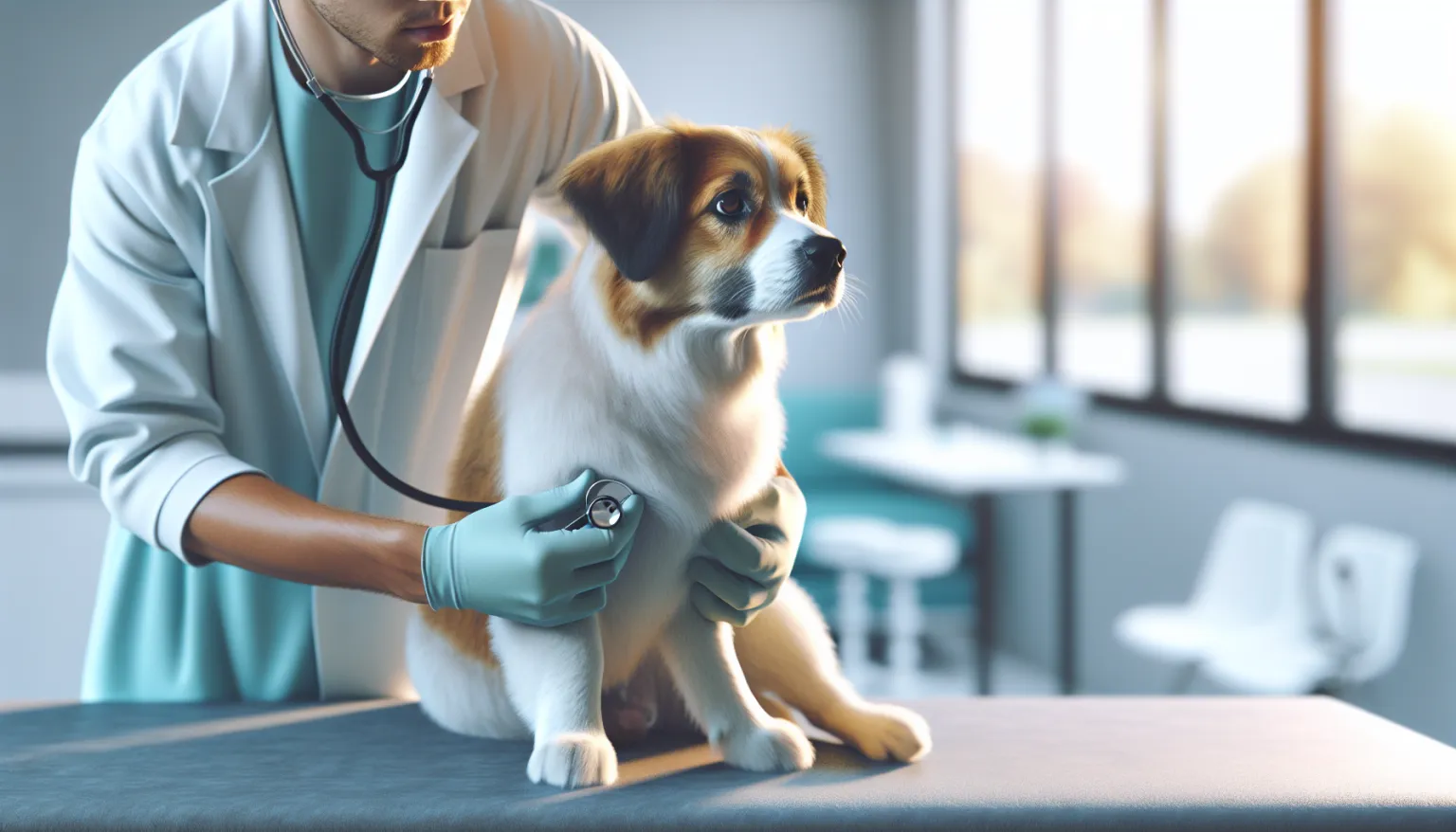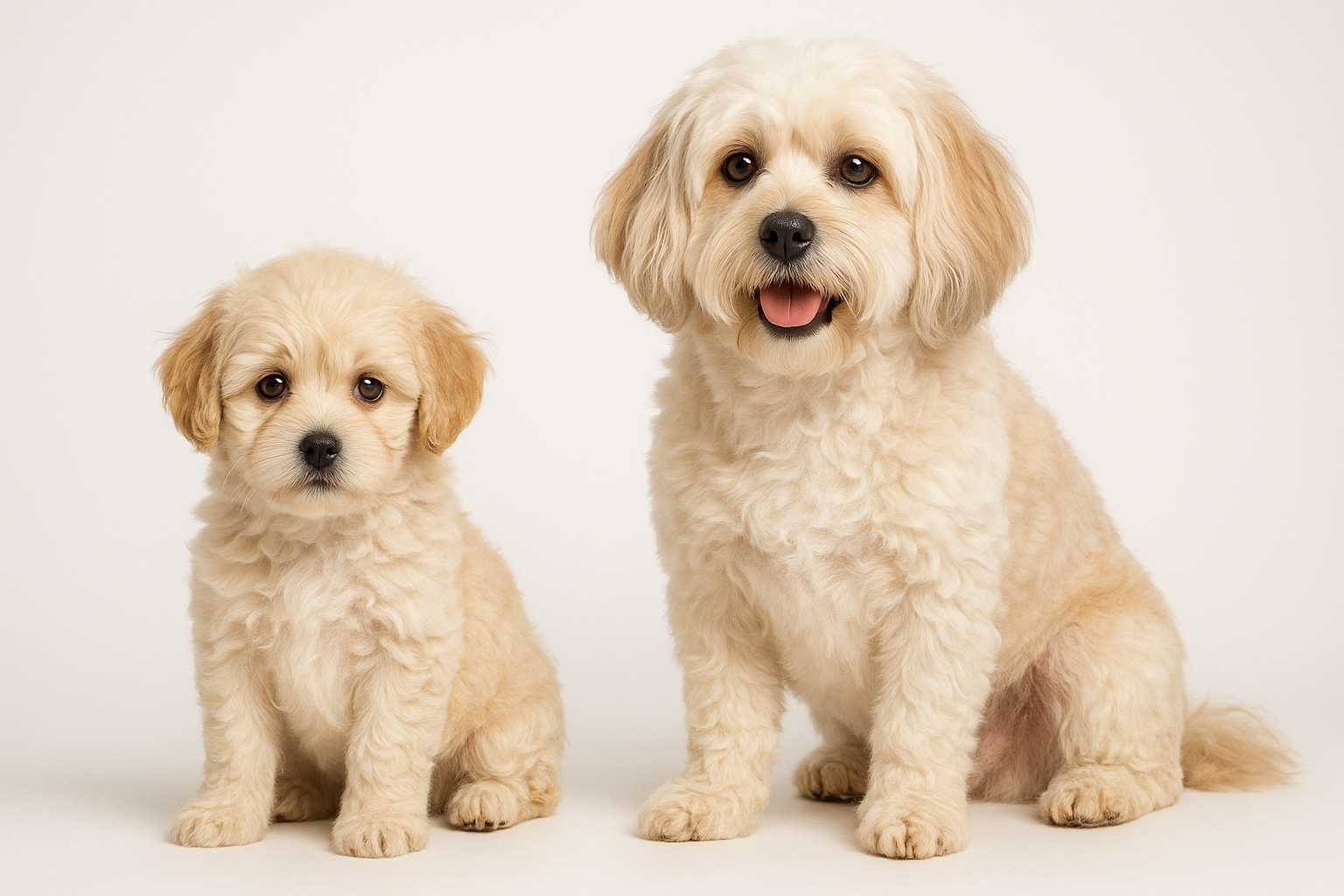
One of the Original Designer Dogs
The Peekapoo holds a quiet claim to history: it is one of the earliest intentional crossbreeds, dating back to the 1950s and 1960s — decades before “designer dog” became a marketing term. The cross pairs the Pekingese, an ancient Chinese companion breed, with the Poodle (typically Toy or Miniature), prized for intelligence and coat characteristics. The result is a 4-to-20-pound companion with a 12-to-15-year lifespan and a temperament that blends the Pekingese’s regal composure with the Poodle’s trainable curiosity.
That heritage also introduces a clinical complexity that most toy-breed crosses do not carry: brachycephalic anatomy. The Pekingese has one of the most compressed facial structures in dogdom, and that flat-face inheritance can persist in Peekapoo offspring — bringing airway, dental, and ocular challenges that require specific, proactive management.
Hybrid Vigor With a Brachycephalic Caveat
Crossing the Pekingese with the Poodle creates genuine heterosis benefit. The Poodle’s moderate muzzle length can partially mitigate the Pekingese’s extreme brachycephaly, potentially producing offspring with longer nasal passages and less compromised airways. This is one of the clearer examples of hybrid vigor providing a functionally meaningful anatomical improvement.
However, the degree of muzzle elongation is variable and unpredictable. Some Peekapoos inherit near-normal airway geometry. Others are born with significantly shortened muzzles and all the associated respiratory compromise. You cannot assume your specific Peekapoo escaped brachycephalic challenges — you have to evaluate.
Where hybrid vigor helps less: dental disease (both breeds carry high risk), eye conditions (both breeds are predisposed), and intervertebral disc disease (the Pekingese’s chondrodystrophic body type can transmit IVDD risk).
Risk Profile: What This Cross Brings Together
Brachycephalic Syndrome: The Airway Question
Brachycephalic syndrome encompasses stenotic nares (narrowed nostrils), an elongated soft palate, everted laryngeal saccules, and hypoplastic trachea — individually or in combination. In Peekapoos that inherit significant facial compression from the Pekingese parent, these anatomical features restrict airflow and create chronic breathing difficulty.
Signs include noisy breathing at rest, exercise intolerance, snoring disproportionate to body size, gagging or retching, and heat intolerance. Severity varies enormously between individuals. A veterinary assessment of airway anatomy early in life — ideally during the spay/neuter procedure when the dog is already under anesthesia — clarifies the degree of compromise and whether corrective surgery is indicated.
Dogs with moderate to severe brachycephalic syndrome benefit from nares widening and soft palate resection, procedures with high success rates when performed before secondary airway changes develop.
Dental Disease: Compressed Jaws, Concentrated Risk
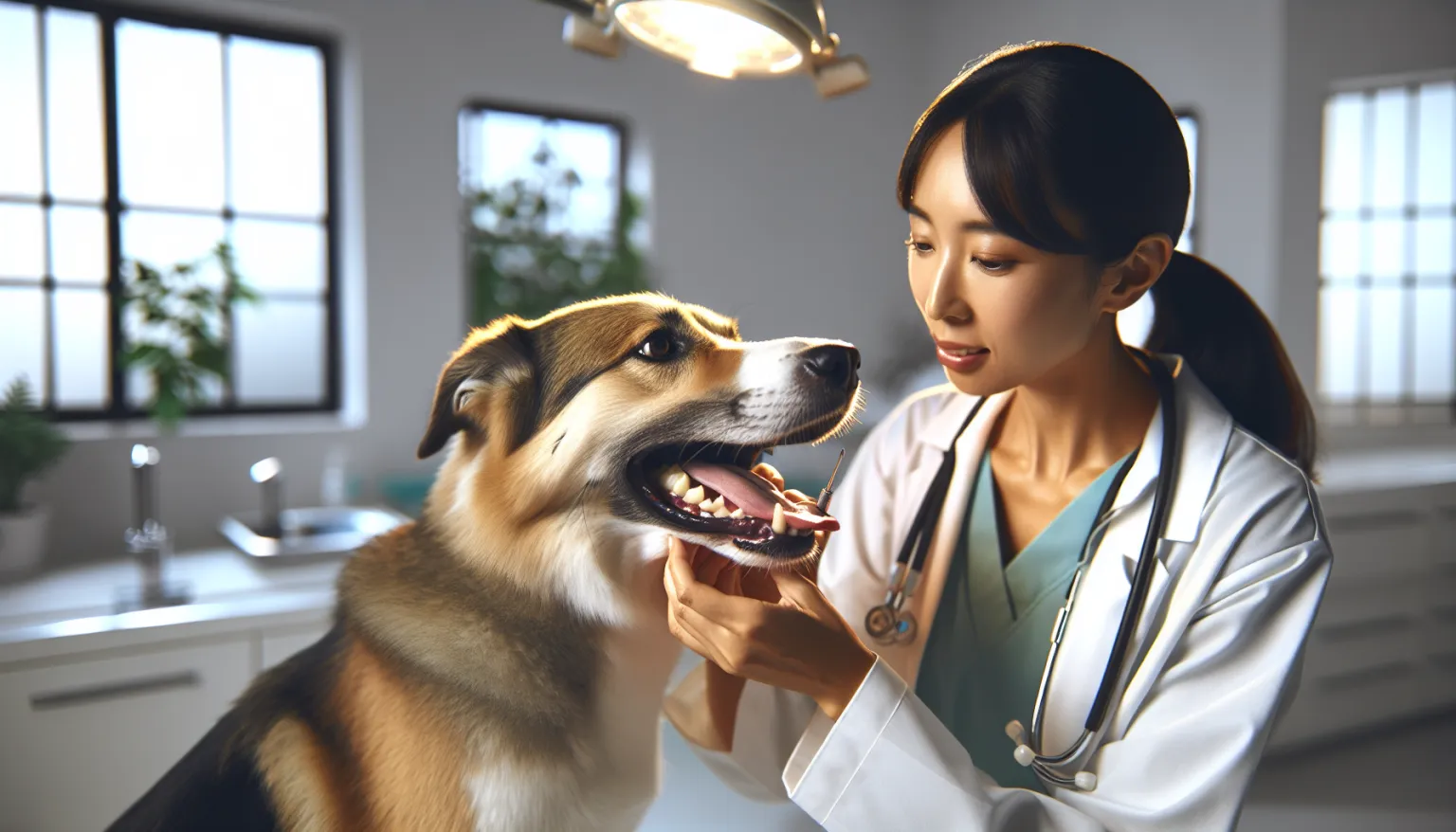
The Pekingese’s compressed facial skeleton creates severely crowded dental arches. Even Peekapoos with somewhat longer muzzles may inherit this overcrowding, which traps food, accelerates plaque formation, and drives dental disease progression faster than in breeds with normal jaw length.
Daily brushing is non-negotiable. Professional dental cleanings should follow a veterinarian-determined schedule — and in Peekapoos with significant brachycephaly, anesthesia planning for dental procedures requires additional airway management protocols.
Progressive Retinal Atrophy and Eye Conditions
Both the Pekingese and the Poodle carry elevated risk for progressive retinal atrophy (PRA) and other eye conditions. The Pekingese adds breed-specific vulnerabilities: proptosis (traumatic displacement of the eye from the socket due to shallow orbits), chronic corneal exposure from prominent eyes, and pigmentary keratitis.
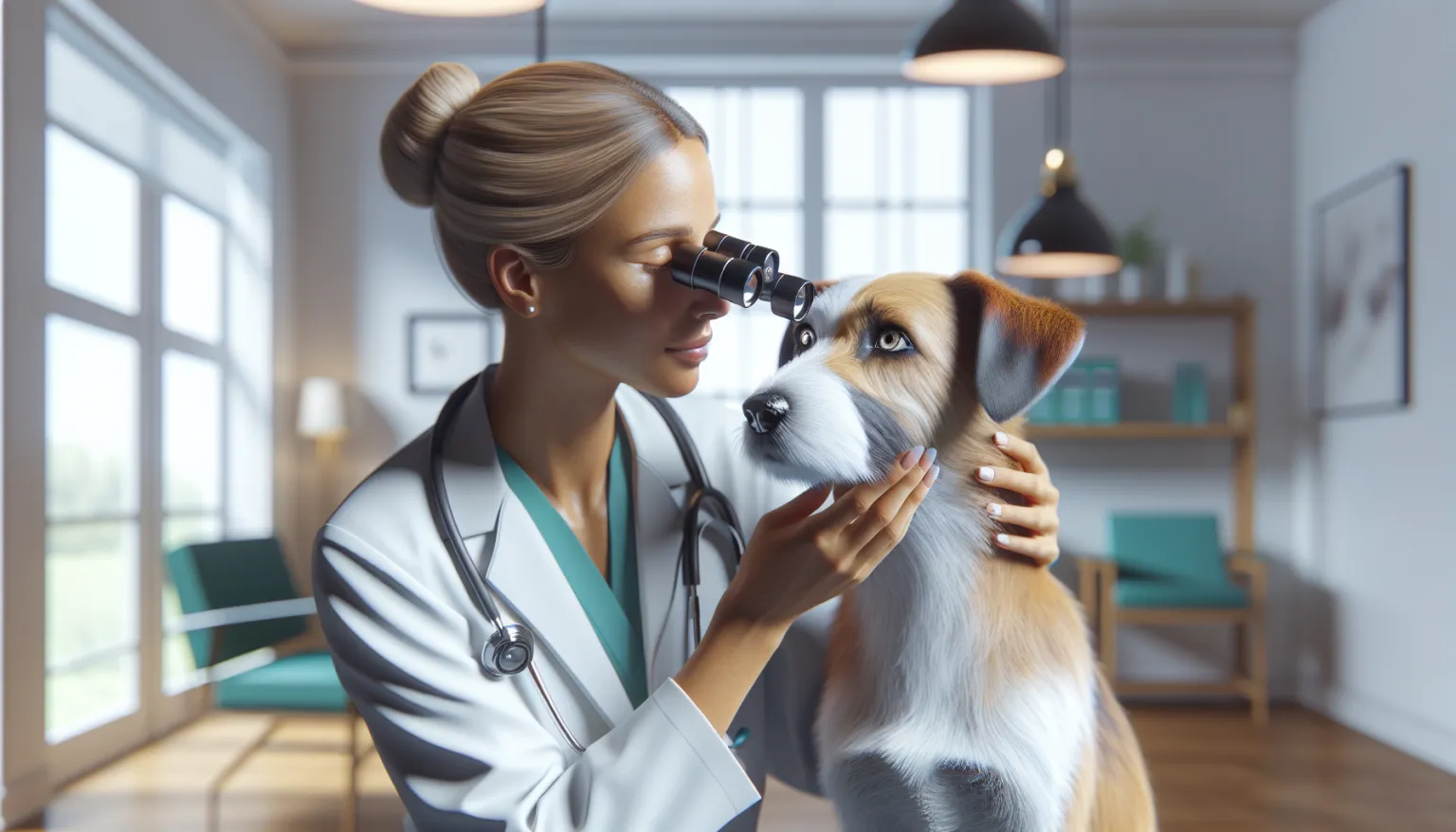
Annual ophthalmic evaluation — including fundoscopy for retinal health and slit-lamp examination for corneal integrity — should begin in puppyhood and continue throughout life. PRA genetic testing clarifies inherited risk status.
Luxating Patella: The Small-Dog Knee
Luxating patella is common across toy and small breeds, and both parent lines carry this predisposition. Regular orthopedic palpation at wellness exams allows grading and trend tracking. Surgical correction is typically recommended for Grade III and IV luxation to prevent secondary joint damage.
Intervertebral Disc Disease: The Spinal Risk
The Pekingese is a chondrodystrophic breed — its long body and short legs reflect a specific type of cartilage development that also affects the spinal discs. Intervertebral disc disease (IVDD) occurs when these discs degenerate and herniate, compressing the spinal cord. Peekapoos can inherit this body type and the associated spinal risk.
Prevention focuses on avoiding activities that stress the spine: jumping on and off furniture, running up and down stairs, and rough play that involves twisting motions. Ramps for furniture access and controlled exercise reduce mechanical stress on vulnerable discs.
Five-Point Longevity Plan
- Airway assessment early in life — evaluate brachycephalic anatomy and pursue corrective surgery if indicated.
- Daily dental care — brushing plus professional cleanings with appropriate anesthesia protocols.
- Annual ophthalmic exams — fundoscopy, corneal evaluation, and PRA genetic testing.
- Spinal protection protocol — ramps, no jumping, controlled exercise.
- Increased screening frequency after age 9 — semiannual exams with airway, dental, ophthalmic, and orthopedic review.
Evidence-Based Longevity Priorities
Breathing Efficiency as a Longevity Multiplier
A Peekapoo that breathes efficiently exercises more, thermoregulates better, sleeps more restfully, and handles stress with greater physiological resilience. Corrective airway surgery in dogs with moderate to severe brachycephalic syndrome is one of the highest-return longevity investments available — not cosmetic, but functional.
Research on brachycephalic airway surgery outcomes shows significant improvement in quality-of-life scores, exercise tolerance, and sleep quality post-operatively. Early intervention, before secondary laryngeal changes develop, produces the best outcomes.
Weight Management in a Brachycephalic Body
Excess weight in a brachycephalic dog amplifies every airway compromise. Fat deposits around the pharynx further restrict airflow. Increased body mass raises oxygen demand while the compromised airway limits supply. The combination creates a vicious cycle that accelerates respiratory decompensation.
Keep your Peekapoo lean. Monthly weigh-ins with strict calorie accounting are essential.
Protecting the Spine
IVDD prevention in chondrodystrophic breeds is straightforward in principle and challenging in practice. The key is eliminating repetitive impact on the spine before disc degeneration advances to herniation. Ramps, controlled exercise, and avoiding games that encourage jumping and twisting are the primary tools.
Eye Health Across the Lifespan
With both parent breeds contributing eye disease risk, ophthalmic surveillance in the Peekapoo is not optional screening — it is core preventive care. Vision preservation directly affects quality of life, activity level, and the owner’s ability to maintain enrichment and exercise routines that support overall longevity.
Breed-Specific Research
- Brachycephalic Airway Surgery Outcomes: evidence on corrective surgery timing and effectiveness.
- Heat Stress and Brachycephalic Breeds: thermoregulation management for flat-faced dogs.
- Dental Disease in Dogs: Oral Health and Longevity: oral care protocols for breeds with compressed dental arches.
- Eye Health Screening Frequency by Breed: ophthalmic screening timelines for high-risk breeds.
- Senior Dog Screening Protocol: What to Test and When: comprehensive age-appropriate screening guidelines.
Genetic Testing: Clarifying Inherited Risk
Genetic testing in a Peekapoo serves two critical functions: clarifying the degree of brachycephalic inheritance (which physical examination does more directly) and identifying specific disease gene variants from both parent lines.
- PRA gene testing identifies affected and carrier status, directly informing ophthalmic screening intensity.
- IVDD-associated markers, while less definitive than for single-gene disorders, can support spinal risk assessment.
- Anchor initial monitoring to Brachycephalic Syndrome and Eye Conditions. These are the conditions where your Peekapoo’s specific phenotype most directly determines management.
- Combine genetic data with clinical findings over years. A test result that seemed reassuring at age 1 may need reinterpretation as clinical trends emerge.
How Parent Breed Heritage Shapes Risk
The Pekingese contributes its imperial bearing, brachycephalic anatomy, chondrodystrophic body type, and prominent eyes. The Poodle adds intelligence, a potentially healthier muzzle length, and its own set of eye and knee predispositions. The resulting combination is a dog whose health trajectory depends heavily on how much brachycephalic anatomy it inherited.
- Prioritize surveillance on Brachycephalic Syndrome, Dental Disease, Eye Conditions, and IVDD.
- The Poodle’s muzzle contribution may reduce — but does not guarantee elimination of — airway compromise.
- When a mild concern surfaces more than once, treat it as a signal for earlier screening rather than extended observation.
Life-Stage Monitoring Timeline
- Puppy to 2 years: Airway assessment (ideally under anesthesia during spay/neuter), dental baseline, first ophthalmic exam, patellar evaluation, and body-type assessment for IVDD risk.
- 3 to 8 years: Annual wellness labs, dental exam, ophthalmic screening, patellar palpation, spinal palpation, and weight management review.
- 9+ years: Semiannual exams with airway reassessment, dental evaluation, ophthalmic review, orthopedic and neurological assessment.
What to Track at Home Every Month
- Weight and body condition score
- Breathing quality — at rest, during light exercise, and during sleep
- Snoring intensity and frequency (increasing snoring can indicate progressive airway narrowing)
- Eye health — discharge, squinting, cloudiness, corneal surface changes
- Gait quality — skipping, stiffness, back sensitivity
- Oral comfort — chewing behavior, breath quality, gum appearance
- Activity level and willingness to exercise (declining tolerance may signal airway or pain issues)
Condition-Specific Monitoring Triggers
- Brachycephalic Syndrome: Track breathing noise at rest, exercise intolerance, and snoring severity. Escalate for cyanosis, collapse, or breathing distress in warm weather.
- Dental Disease: Track breath quality, chewing changes, and gum inflammation. Escalate for oral bleeding, dropped food, or facial swelling.
- Progressive Retinal Atrophy: Track night vision confidence and pupil response. Escalate for rapid changes in visual behavior.
- Luxating Patella: Watch for intermittent skipping or three-legging. Escalate if frequency increases or weight-bearing is compromised.
- IVDD: Monitor for back pain, reluctance to jump, yelping when picked up, or hind-limb weakness. Sudden loss of hind-limb function is an emergency.
- Eye Conditions: Track discharge, squinting, and eye prominence. Escalate for any sign of proptosis (eye displacement), corneal ulceration, or sudden vision loss.
12-Month Longevity Execution Plan
Quarter 1: Baseline and Risk Mapping
- Document baseline airway status, dental condition, ophthalmic findings, patellar grade, and spinal assessment
- Agree with your vet on a monitoring schedule calibrated to your Peekapoo’s specific brachycephalic status
- Standardize feeding: measured meals, treats within 10% of daily calories, one protocol for all caregivers
- Install ramps for furniture if IVDD risk is assessed as elevated
Quarter 2: Adherence and Early Drift Control
- Review Q1 compliance and close gaps
- Tighten observation on any metric that shifted — breathing quality, gait, weight, or visual behavior
- Adjust calorie intake if weight trend indicates drift
- Report new respiratory, spinal, or visual symptoms promptly
Quarter 3: Midyear Reassessment
- Evaluate six months of data and recalibrate the prevention approach
- Update screening cadence based on emerging clinical findings
- Review heat management plan before summer months (brachycephalic dogs are at high risk for heat stress)
- Repeat ophthalmic exam if PRA or corneal risk is elevated
Quarter 4: Senior-Readiness Update
- Build next year’s monitoring plan from twelve months of trend data
- Update urgent vet-visit triggers based on patterns observed this year
- Schedule year-end dental assessment with appropriate anesthesia planning
- If approaching age 8-9, discuss transition to semiannual screening cadence
- Reassess airway status and confirm management plan remains appropriate
When to Seek Same-Day Veterinary Care
- Severe respiratory distress, cyanotic (blue) gums, or collapse — especially in warm weather
- Sudden hind-limb weakness or paralysis (possible acute IVDD episode)
- Eye trauma, proptosis, or sudden vision loss
- Complete food refusal combined with lethargy or unusual hiding
- Labored breathing at rest that does not resolve with cooling and calm
- Loss of consciousness, even briefly, or resting respiratory rate sustained above 40 breaths per minute
Longevity Outlook: Managing Complexity With Consistency
A Peekapoo at 14 who breathes comfortably at rest, walks without hesitation, sees well enough to navigate familiar spaces, and eats with enthusiasm — that dog represents a triumph of proactive management over a genuinely complex risk profile. Every corrective surgery performed at the right time, every dental cleaning that prevented systemic inflammation, every ramp that saved a disc from one more impact, every eye exam that caught a problem while it was still treatable — these are the accumulated decisions that separate a Peekapoo who thrives in senior years from one who struggles.
This cross asks more of its owners than simpler mixes. The payoff — a loyal, dignified, surprisingly hardy companion for 12 to 15 years — is worth the investment.
Diet and Feeding Strategy
Use Feeding Guide for Small Breeds as your baseline framework. For Peekapoos under 10 pounds, Feeding Guide for Toy Breeds may be more appropriate. Gram-scale portioning prevents calorie creep, which is especially critical in brachycephalic dogs where excess weight directly compromises breathing.
For dogs with IVDD risk, maintaining lean body condition reduces spinal load. Omega-3 Fish Oil for Dogs may support anti-inflammatory processes when veterinarian-guided.
Frequently Asked Questions
How do I know if my Peekapoo has brachycephalic syndrome? Listen to your dog’s breathing at rest. Noisy breathing, snoring out of proportion to body size, snorting during excitement, and exercise intolerance beyond what you would expect for a small dog are all indicators. A veterinary airway assessment under sedation provides definitive evaluation.
Can brachycephalic airway surgery help my Peekapoo? Yes, in dogs with moderate to severe airway compromise. Nares widening and soft palate resection are well-established procedures with high success rates, especially when performed before secondary laryngeal changes develop. Most dogs show significant improvement in breathing quality, exercise tolerance, and sleep.
Are Peekapoos prone to back problems? Peekapoos that inherit the Pekingese’s chondrodystrophic body type — long body, short legs — carry elevated IVDD risk. Ramps for furniture, avoiding jumping, and controlled exercise are the primary prevention strategies. Sudden back pain or hind-limb weakness warrants emergency veterinary evaluation.
How often should a Peekapoo have eye exams? Annual ophthalmic evaluations starting in puppyhood. Both parent breeds carry significant eye disease risk, including PRA, cataracts, and corneal conditions. More frequent screening after age 7-8 or sooner if any abnormality is detected.
Is the Peekapoo a good choice for warm climates? Peekapoos with significant brachycephalic anatomy are at elevated risk for heat stress because compromised airways limit their ability to thermoregulate through panting. If you live in a warm climate, plan for indoor cooling, limit outdoor activity during peak heat, and learn the signs of heat exhaustion.
What is the most important thing I can do for my Peekapoo’s health? Assess and address airway status early. Everything else — exercise capacity, stress tolerance, thermoregulation, sleep quality — improves when a brachycephalic dog can breathe efficiently. This single evaluation and potential intervention has the greatest downstream impact on quality of life and longevity.
References
[1] AKC Pekingese Breed Information [2] AKC Poodle (Toy) Breed Information [3] Life expectancy, mortality, and longevity in companion dogs (Scientific Reports, 2024) [4] AAHA Canine Life Stage Guidelines [5] OFA CHIC Program [6] Merck Veterinary Manual [7] WSAVA Global Nutrition Guidelines [8] Effects of Diet Restriction on Life Span and Age-Related Changes in Dogs (Kealy et al., 2002)
This content is for informational purposes only and does not constitute veterinary advice. Always consult a licensed veterinarian for diagnosis, treatment, and care decisions specific to your dog.
Related reads
Related Reading
Continue exploring