The Most Genetically Unlikely Dog You Can Own
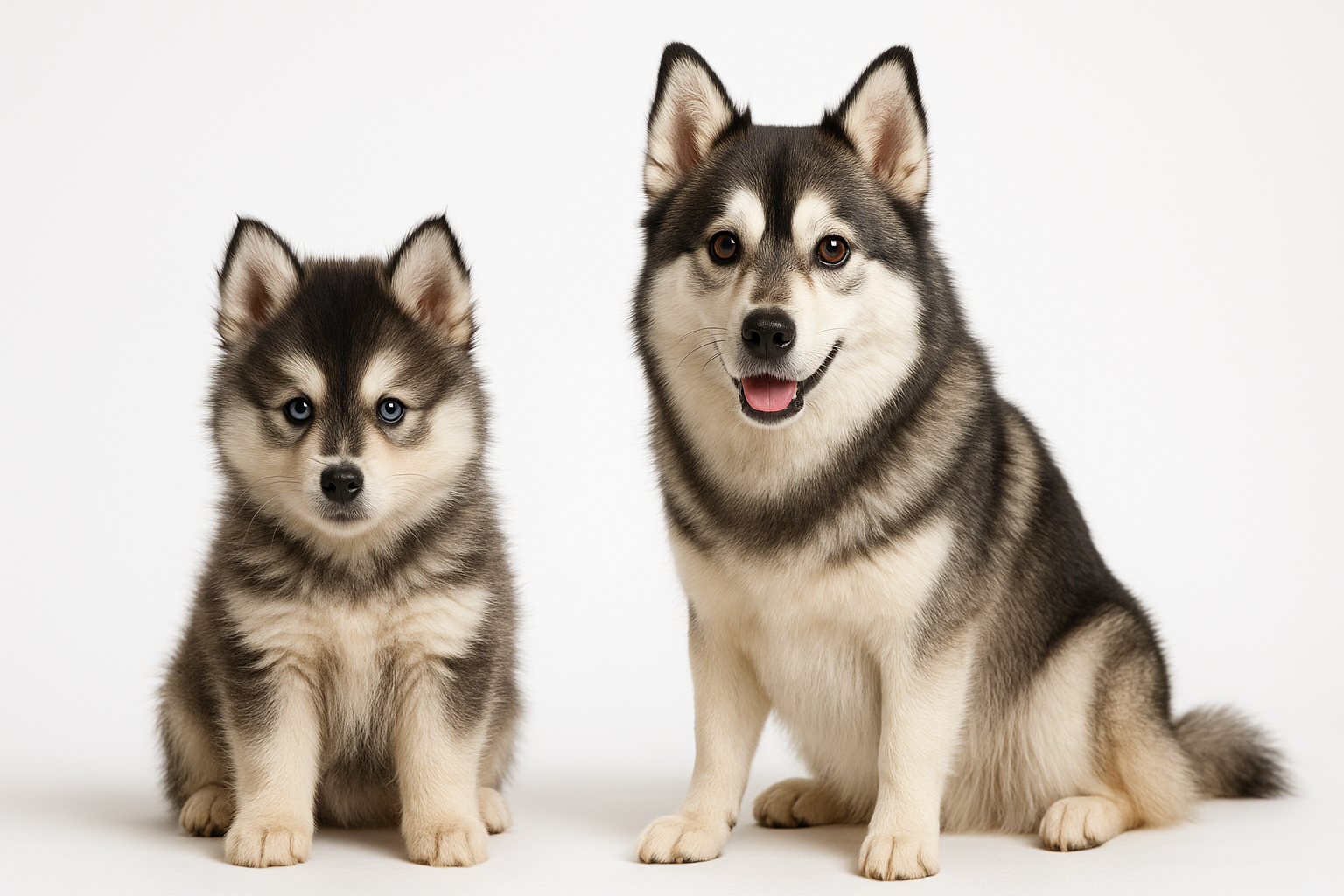
The Pomsky exists because breeders looked at a 5 lb Pomeranian and an 50 lb Siberian Husky and decided to bridge the gap. The result is a 15 to 30 lb dog that carries the Husky’s striking appearance and working-dog intensity inside a medium-sized body built on Pomeranian structural proportions. It is a cross that produces beautiful dogs and genuinely unusual health considerations — because the two parent breeds occupy almost entirely different health risk profiles.
The Pomeranian is a toy breed with a 12 to 16 year lifespan shaped primarily by dental disease, luxating patella, and tracheal vulnerability. The Siberian Husky is a large working breed with a 12 to 14 year lifespan influenced by hip dysplasia, eye conditions (including cataracts, corneal dystrophy, and progressive retinal atrophy), and the autoimmune skin conditions common in northern breeds. The Pomsky inherits from both ends of this spectrum, creating a dog that can present with toy-breed structural vulnerabilities and large-breed orthopedic risks simultaneously.
At 15 to 30 lbs, the Pomsky falls into the medium-size longevity range where body size alone predicts 12 to 15 years. The dogs who reach the upper end are the ones whose owners recognized early that this cross requires screening protocols from both parent breed categories — not just one — and who provided the physical and mental exercise that this surprisingly high-drive dog demands.
Hybrid Vigor: Bridging Two Distant Gene Pools
First-generation Pomskies benefit from pronounced heterosis — the genetic advantage of crossing two breeds that share virtually no recent ancestry. The Pomeranian descends from Germanic spitz dogs bred down to toy size over centuries. The Siberian Husky traces to ancient Chukchi sled dogs bred for endurance in extreme cold. This genetic distance maximizes hybrid vigor, potentially reducing the incidence of breed-specific recessive conditions from either line [2][4].
However, the size disparity between parent breeds creates its own set of questions. Pomsky skeletal proportions can vary significantly — some inherit the Pomeranian’s compact frame, others lean toward the Husky’s leggy build, and many fall somewhere between. This unpredictability means orthopedic screening needs to account for both small-breed patellar instability and large-breed hip joint concerns. Hybrid vigor moderates many risks but does not resolve structural uncertainty.
Breed-Specific Risk Profile
Luxating Patella
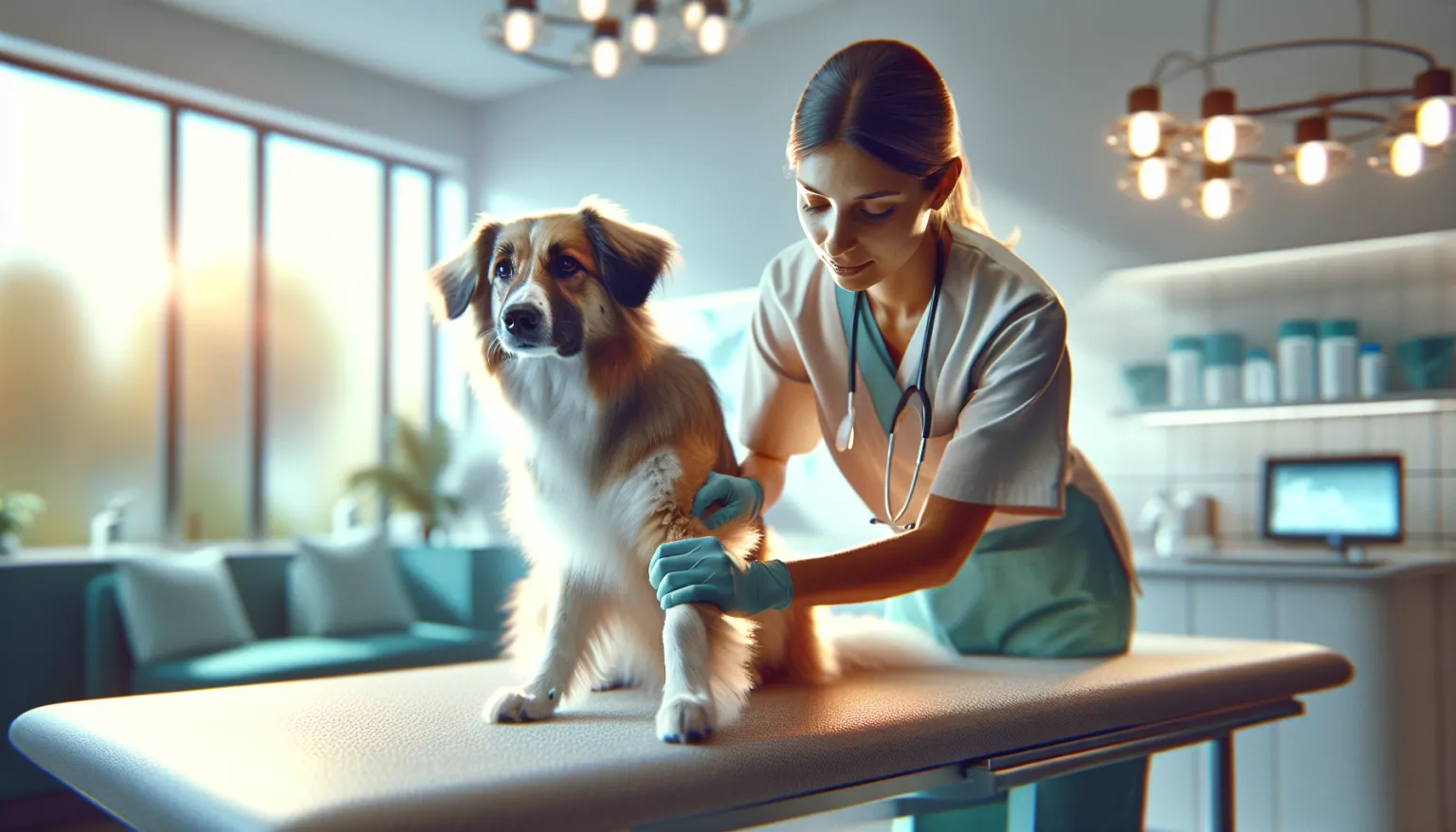
The Pomeranian carries one of the highest breed-specific rates of luxating patella in the toy group, and this patellar instability can appear in Pomsky offspring regardless of their larger body size. The kneecap intermittently slides out of its femoral groove, causing skip-stepping, intermittent rear leg lameness, and progressive cartilage erosion. In a 15 to 30 lb dog, patellar luxation creates more mechanical stress than in a 5 lb Pomeranian. OFA patellar evaluation by 12 months establishes baseline grade.
Hip Dysplasia
From the Husky side, hip dysplasia enters the Pomsky’s risk profile. The OFA database shows Siberian Huskies at roughly 2 to 3% dysplastic — lower than many large breeds, but non-trivial when the condition appears in a medium-sized dog built on variable proportions [3]. Early radiographic screening by 12 to 24 months establishes structural baseline. Watch for bunny-hopping gait, reluctance to climb stairs, and stiffness after rest.
Eye Conditions
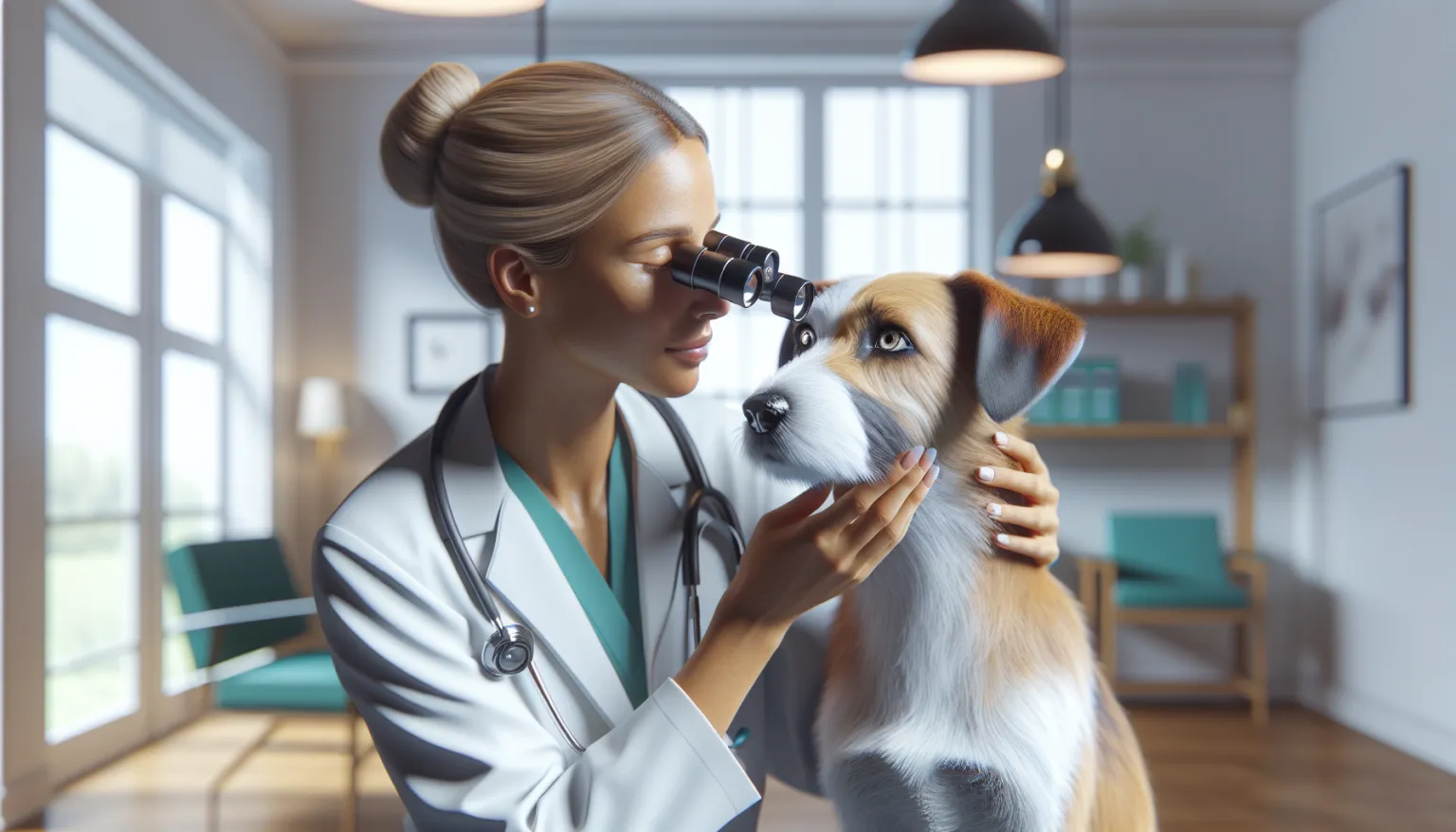
Siberian Huskies carry one of the broadest eye disease risk profiles in the canine world — cataracts, corneal dystrophy, progressive retinal atrophy, and glaucoma all appear at elevated rates. Pomeranians add distichiasis and tear duct abnormalities. Pomskies inherit variable combinations of these eye conditions. The Siberian Husky Club of America recommends annual CERF (now OFA Eye) exams, and this recommendation extends to their crosses. Annual ophthalmologic evaluation is the minimum standard for a Pomsky.
Dental Disease
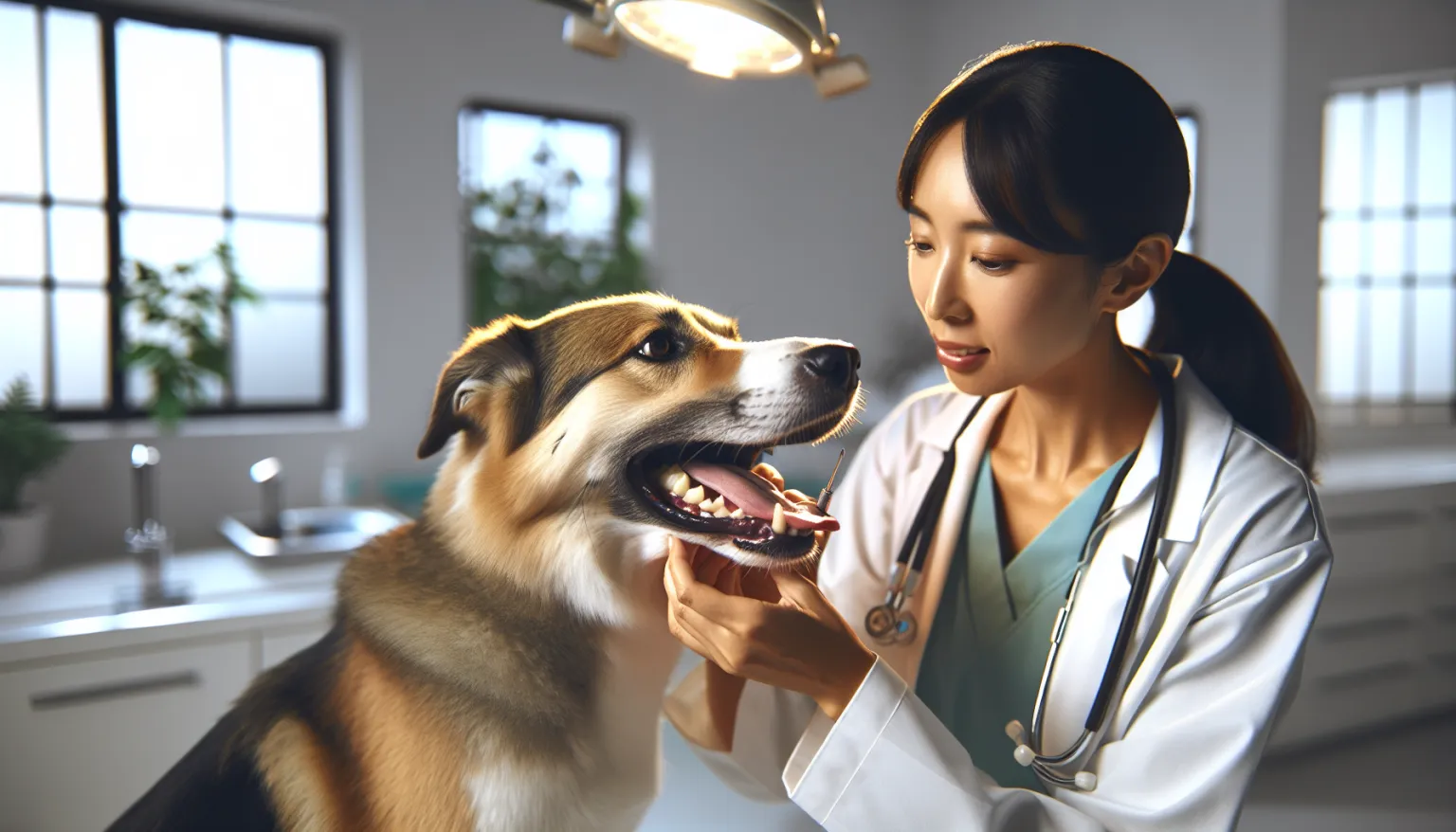
The Pomeranian’s small jaw and crowded dentition predispose to dental disease that can carry into Pomsky offspring, particularly those on the smaller end of the size range. Even at 15 to 20 lbs, a Pomsky with Pomeranian-influenced jaw structure may have tooth crowding that accelerates tartar buildup and periodontal disease. By age 3, the majority of small to medium dogs show radiographic periodontal changes [3][5]. Daily brushing is the baseline standard.
Skin Allergies
Siberian Huskies have elevated rates of autoimmune and allergic skin conditions, including zinc-responsive dermatosis, follicular dysplasia, and skin allergies. The Pomsky’s dense double coat — inherited from both parent breeds — can trap moisture and allergens against the skin, creating conditions favorable for dermatitis. Persistent scratching, paw licking, bilateral coat thinning, or recurrent hot spots warrant systematic allergy workup rather than repeated symptomatic treatment.
Tracheal Collapse
From the Pomeranian side, tracheal collapse risk enters the picture. Smaller Pomskies — those closer to 15 lbs — are at higher risk than larger individuals, but the predisposition exists across the size range. The cartilage rings supporting the trachea weaken progressively, causing honking cough, exercise intolerance, and respiratory distress during excitement or heat. Use a harness exclusively for leash activities.
The Longevity Priorities That Move the Needle
For most Pomsky owners, these actions deliver the greatest return on health investment:
- Screen for both small-breed and large-breed orthopedic conditions — patellar evaluation and hip radiographs provide complementary structural baselines
- Maintain dental health and schedule annual ophthalmologic exams — eye disease from the Husky side is the most consequential heritable risk
- Provide sufficient physical and mental exercise — this is a high-drive cross that does not thrive as a sedentary companion
Dual orthopedic screening, eye health vigilance, and appropriate exercise are the three pillars of Pomsky longevity [2][7][8].
Evidence-Based Longevity Priorities
Body Composition and Structural Management
Pomskies vary significantly in build, which makes body condition scoring more important than target weight numbers. A 20 lb Pomsky with Husky proportions looks and feels different from a 20 lb Pomsky with Pomeranian frame. Use the standard body condition assessment (ribs palpable without pressing, visible waist tuck, abdominal tuck) and adjust feeding to maintain that condition regardless of what the scale reads. The Purina Lifetime Study demonstrated 1.8 additional years in lean-fed dogs [8].
Condition-Focused Prevention Stack
Luxating patella, hip dysplasia, eye conditions, and dental disease represent the highest-yield screening targets. Build your veterinary calendar around annual patellar and hip assessment, annual ophthalmologic exam, and dental evaluation at every visit. The unusual dual-size risk profile means screening protocols from both toy and medium/large breed categories should be integrated.
Exercise and Cognitive Load
Pomskies inherit the Husky’s working drive and the Pomeranian’s alertness in a medium-sized body. Insufficient exercise and mental stimulation create chronic stress that drives cortisol elevation, inflammatory burden, and behavioral deterioration [4]. Structured exercise (60 to 90 minutes daily for adults), novel problem-solving tasks, and controlled social exposure protect against the stress-driven aging that affects understimulated working-line crosses.
Preventive Screening Cadence
Set routine veterinary checkpoints and escalate frequency when orthopedic, ophthalmologic, or dental parameters show early drift. The Husky-inherited eye disease risks justify annual specialist exams — not just general veterinary checks.
Breed-Specific Research
Use these evidence deep dives to add mechanism-level context to your Pomsky longevity plan:
- Eye Health Screening Frequency by Breed: ophthalmologic screening guidelines for breeds carrying cataracts, PRA, and corneal dystrophy risk.
- Joint Screening Protocol by Breed: orthopedic screening timelines for breeds with hip and patellar concerns.
- Dental Disease and Longevity in Dogs: the mechanism linking oral infection to systemic disease and practical prevention protocols.
Genetic Testing: When It Matters
Genetic testing in Pomskies delivers the most value when it clarifies which parent breed risks are present in your individual dog — because the variability in this cross is wider than in most.
- OFA Eye (CERF) exam annually — the Husky eye disease spectrum is too broad and too serious to skip.
- PRA panel determines whether progressive retinal atrophy risk is present from either parent line.
- Hip radiographs and patellar evaluation by 12 to 24 months establish orthopedic baselines from both parent breed perspectives.
- Build your monitoring playbook around Eye Conditions and Luxating Patella, so that every test result feeds into a specific follow-up action.
- Track everything in one place: test results, exam findings, medication changes, and what you notice at home.
Every genetic or diagnostic result should answer one question: what do I do differently starting now?
Breeding History and Health Implications
The Pomsky is one of the most recent designer crosses, with the first documented litters appearing around 2012. The cross pairs two spitz-type breeds with dramatically different working histories — the Pomeranian was bred down from larger sled dogs to become a toy companion, while the Siberian Husky retained its original working capacity as an endurance sled dog. Both share double coats, pointed ears, and spitz temperament, but their health risk profiles barely overlap.
- Direct your monitoring attention first to Eye Conditions, Luxating Patella, Dental Disease — these are the risks that the combined parent breed health data identifies as most probable.
- Treat repeat low-grade drift as a signal to tighten cadence early, not as background noise.
- Static prevention plans decay in value. The most effective owners treat their Pomsky’s health plan as something that evolves with every vet visit and every home observation.
Breeding history narrows the search. Serial monitoring data makes the call.
Age-Based Monitoring Milestones
- Puppy to 2 years: baseline ophthalmologic exam, patellar evaluation, hip screening, establish daily dental care routine, calibrate exercise program.
- 3 to 8 years: annual ophthalmologic and orthopedic exams, dental assessment with professional cleanings on schedule, skin and coat evaluation.
- 9+ years: semi-annual veterinary visits, trend-based management for eyes and joints, cognitive assessment, senior bloodwork panel.
Longevity Outlook: A Cross That Rewards Active Ownership
The Pomsky has the genetic foundation for a long, active life. Hybrid vigor from crossing two genetically distant breeds, medium body size that avoids both giant-breed lifespan compression and toy-breed structural fragility, and a temperament built for engagement all point toward 13 to 15 years for well-managed dogs.
The Pomskies who reach the upper end are the ones whose owners embraced the complexity of this cross rather than treating it as a simple designer dog. Annual eye exams caught early cataracts before vision was compromised. Dual orthopedic screening identified whether the hips or the kneecaps needed closer watching. Dental care started in puppyhood rather than middle age. And — critically — the dog received enough exercise and mental stimulation to prevent the chronic stress that accelerates aging in working-line crosses kept in low-stimulation environments.
Most-Missed Early Drift Pattern
Long-term decline in Pomskies often starts as small changes that owners normalize too quickly:
- Subtle navigational hesitation or reluctance to catch treats in dim light, signaling early Eye Conditions that are progressing silently
- Intermittent rear leg skipping attributed to excitement, actually representing Luxating Patella episodes damaging cartilage with each occurrence
- Persistent scratching or bilateral coat changes dismissed as seasonal shedding, actually indicating Skin Allergies requiring systematic workup
If baseline function has drifted for 7 to 10 days, treat it as a prevention failure signal and reassess early.
Condition-Specific Monitoring Triggers
The difference between early detection and late diagnosis often comes down to recognizing these patterns:
- Luxating Patella: Skip-stepping, intermittent rear limb lameness, sudden yelping during direction changes, or reluctance to jump. Track frequency — increasing episodes indicate progression.
- Hip Dysplasia: Bunny-hopping gait, reluctance to rise from rest, stiffness after exercise, or asymmetric hindquarter muscle development.
- Eye Conditions: Cloudiness, navigational hesitation, reluctance to catch thrown objects, excessive tearing, or squinting. The Husky eye disease spectrum is broad — annual specialist exams are the safety net.
- Dental Disease: Halitosis, gum redness, chewing on one side, dropped food, or face rubbing after eating.
- Skin Allergies: Persistent paw licking, ventral skin redness, recurrent ear infections, bilateral coat thinning, or seasonal pattern escalation.
- Tracheal Collapse: Honking cough triggered by excitement, leash pressure, or drinking water. More likely in smaller Pomskies.
12-Month Longevity Execution Plan
Use this quarterly framework to keep prevention proactive instead of reactive:
Quarter 1: Baseline and Risk Mapping
- Record starting weight and body condition score, complete ophthalmologic exam, patellar evaluation, and hip screening
- Review the breed-specific risk profile with your veterinarian and set screening dates for the highest-priority conditions
- Eliminate feeding variability: one person measures meals, treats count toward daily calories, portions calibrated to ideal body condition
- Establish daily dental care routine and calibrate exercise program to match your Pomsky’s drive level
Quarter 2: Adherence and Early Drift Control
- Audit your first-quarter execution: where did the plan hold, and where did consistency break down?
- If any tracked metric is drifting from baseline, increase monitoring frequency immediately
- Treat changes in vision confidence, gait symmetry, skin condition, or exercise tolerance as signals worth investigating
- Reassess calorie intake against weight trend and adjust if drift is detected
Quarter 3: Midyear Reassessment
- Reassess which prevention strategies delivered measurable results and which need recalibration
- Match screening frequency to actual risk signals — eye exams may need to tighten if early changes were detected
- Modify exercise routines based on seasonal factors, current orthopedic status, and heat tolerance
- Schedule professional dental cleaning if tartar accumulation has progressed
Quarter 4: Senior-Readiness Update
- Design year-two plan based on year-one findings
- Tighten the criteria that prompt a vet call using breed-specific patterns observed over the year
- Document lessons learned and translate into specific next-year commitments
- Confirm ophthalmologic status and update eye screening frequency based on findings
- Reassess orthopedic baseline and plan next year’s hip and patellar evaluation schedule
When to Escalate Fast
The following changes require urgent veterinary assessment:
- Sudden appetite loss lasting more than 24 hours, especially with lethargy or withdrawal
- Sudden vision changes — bumping into objects, reluctance to navigate stairs, or pupil abnormalities
- Sudden onset of labored breathing, collapse, or neurologic signs like circling, head tilt, or seizure activity
- Persistent GI distress: repeated vomiting, straining without production, or abdominal pain posturing
- Dramatic overnight change in how your dog moves, rests, or interacts with the household
- Cyanosis during coughing episodes in smaller Pomskies with tracheal concerns
Home Tracking Dashboard
A monthly review of these markers gives you the earliest possible signal that something is shifting:
- Body weight trend and body-condition score
- Vision confidence — ability to catch treats, navigate in dim light, track moving objects
- Gait symmetry and willingness to engage in normal activity
- Dental comfort — willingness to chew, breath quality, gum color
- Skin and coat quality — texture changes, thinning, chronic irritation, seasonal patterns
- Exercise tolerance and recovery patterns
- Condition-specific drift markers tied to eye conditions, luxating patella, skin allergies
Fuel for the Long Run
Pomsky nutrition should balance the higher caloric demands of an active, high-drive cross with the precise portion control needed to maintain lean condition. Use Feeding Guide for Medium Breeds as the baseline framework, then layer targeted adjustments from Omega-3 Fish Oil for Dogs when skin, coat, or inflammatory targets are explicit.
Long-term outcomes improve when feeding is matched to actual activity level rather than breed weight charts, and when seasonal exercise changes trigger corresponding caloric adjustments.
Frequently Asked Questions
Are Pomskies healthier than purebred Pomeranians or Huskies? First-generation Pomskies benefit from significant hybrid vigor due to the genetic distance between parent breeds. This can reduce the incidence of breed-specific recessive conditions. However, conditions that appear in both parent lines — dental disease, certain eye conditions — persist. The cross also creates unique screening challenges because toy-breed and large-breed risk profiles must both be addressed.
How much exercise does a Pomsky need? Most adult Pomskies require 60 to 90 minutes of daily exercise combining walking, running, and mental stimulation. The Husky parentage contributes working-dog drive that does not diminish in a medium-sized body. Insufficient exercise creates chronic stress that contributes to inflammatory burden and behavioral problems over time. Adjust intensity based on orthopedic screening results.
Do Pomskies need annual eye exams? Yes. The Siberian Husky carries one of the broadest heritable eye disease profiles in the canine world — cataracts, corneal dystrophy, progressive retinal atrophy, and glaucoma all appear at elevated rates. Annual ophthalmologic exams by a veterinary ophthalmologist are the minimum standard. General wellness exams do not substitute for specialist eye evaluation.
At what age should I screen for hip dysplasia in a Pomsky? Hip radiographs by 12 to 24 months establish structural baseline. If your Pomsky shows bunny-hopping gait, reluctance to rise, or asymmetric hindquarter development before that age, earlier screening is warranted. PennHIP evaluation can be performed as early as 16 weeks in some protocols.
Can a Pomsky live in an apartment? Physically, yes — their medium size fits apartment living. But the Husky drive requires committed daily exercise and mental engagement. A Pomsky in an apartment with a dedicated owner who provides 60 to 90 minutes of daily activity and structured mental enrichment can thrive. A Pomsky left alone in an apartment with minimal stimulation will develop behavioral and stress-related health problems.
What is the most important health screening for a Pomsky puppy? Ophthalmologic exam and orthopedic screening (both patellar evaluation and hip assessment) in the first 12 to 24 months. The eye exam catches heritable conditions before vision loss occurs, and the dual orthopedic screen addresses risk from both parent breed size categories. Add dental radiographs by age 2 to 3 to assess periodontal status.
References
[1] Pomeranian Health Information — AKC [2] Life expectancy, mortality, and longevity in companion dogs (Scientific Reports, 2024) [3] OFA CHIC Program [4] Dog Aging Project [5] AAHA Canine Life Stage Guidelines [6] Merck Veterinary Manual [7] WSAVA Global Nutrition Guidelines [8] Effects of Diet Restriction on Life Span and Age-Related Changes in Dogs (Kealy et al., 2002)
This content is for informational purposes only and does not constitute veterinary advice. Always consult a licensed veterinarian for decisions about your dog’s health care.
Related reads
Related Reading
Continue exploring