Nine Pounds of Nerve — With One Inherited Eye Condition That Demands a DNA Test
Nine pounds of muscle and nerve, willing to go underground after a fox. The Russell Terrier earned separate AKC recognition in 2012, distinct from the Parson Russell Terrier by its shorter, longer body. Both trace back to Reverend John Russell’s original foxing terrier lines. Lifespans of 12-14 years are typical, and the overall health profile is robust for a small working terrier.
The catch is a shared genetic vulnerability: primary lens luxation (PLL), caused by the ADAMTS17 gene mutation, is the most significant inherited disease in both Russell and Parson Russell Terriers. Luxating patella is the primary orthopedic concern, and epilepsy occurs in the breed. DNA testing for PLL is not optional — it is essential.
Where This Breed Is Most Vulnerable
Primary Lens Luxation
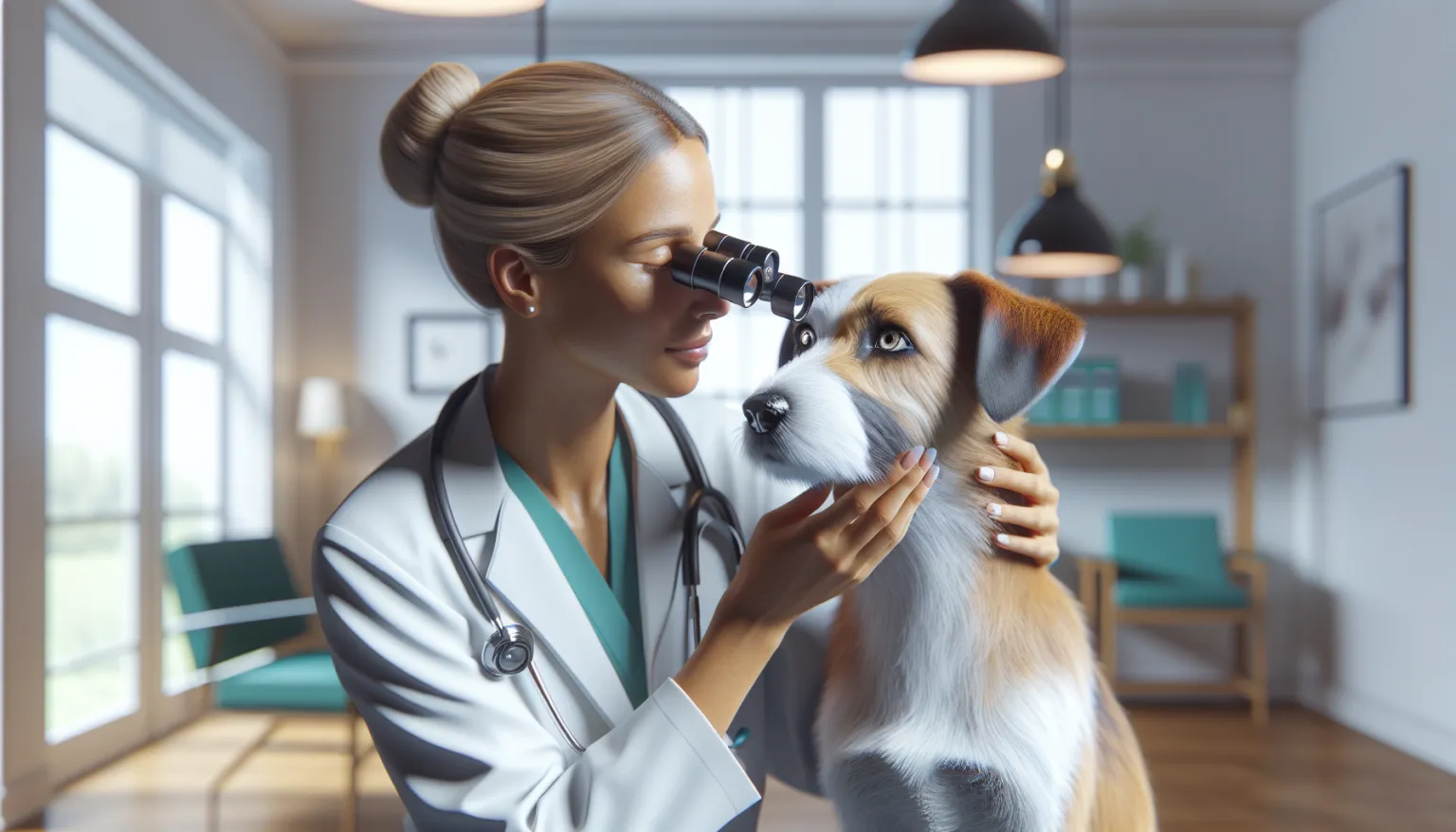
Primary lens luxation is a serious inherited eye condition identical to that documented in Parson Russell Terriers. When the lens subluxates or dislocates, secondary glaucoma and potential blindness follow. DNA testing identifies clear, carrier, and affected dogs. Annual CAER exams provide clinical surveillance on top of genetic screening. If acute anterior lens luxation occurs, it is a same-day ophthalmological emergency — immediate intervention determines whether the eye is saved.
See the Primary Lens Luxation guide for full prevention and management detail.
Luxating Patella
Luxating patella is the primary orthopedic concern in Russell Terriers. An OFA patella evaluation at 12 months detects grade and laterality. Grades I-II are often managed conservatively with weight control and monitoring. Grades III-IV causing lameness typically benefit from surgical correction. Keeping your Russell lean throughout life is the single most important modifier of patellar health.
See the Luxating Patella guide for full prevention and management detail.
Epilepsy
Epilepsy is documented in Russell Terriers, consistent with related terrier breeds. Two or more unprovoked seizures warrant a full neurological evaluation. Anticonvulsant therapy with drug level monitoring every 6 months manages idiopathic epilepsy effectively. The Russell Terrier Club of America tracks breed health data to support ongoing genetic research.
See the Epilepsy guide for full prevention and management detail.
Evidence-Based Ways to Extend Healthspan
PLL DNA Testing Before Purchase
Primary lens luxation is the single most critical inherited disease risk in this breed. Before purchasing a puppy, request PLL DNA testing certificates for both parents — specifically the ADAMTS17 mutation test available from OFA, Embark, and breed-specific labs. Clear-to-clear pairings produce no affected offspring. Carrier-to-clear pairings produce no affected puppies but 50% carriers. Carrier-to-carrier pairings produce 25% affected offspring. Knowing parental test results tells you exactly where your puppy stands.
Small Package, High Engine
Do not let the size fool you. Russell Terriers were selectively bred for sustained hunting performance — bolting fox from earths and keeping pace with mounted hunts across varied terrain. At 9 lbs, they have athletic demands that dwarf most small companion breeds. Plan on 45-60 minutes of vigorous daily exercise plus meaningful mental engagement through nose work, earthdog trials, agility, or structured play. A bored Russell Terrier becomes an inventively destructive one. Their size says toy. Their drive says working dog.
Coat Variety Management
Russell Terriers come in three coat types: smooth, broken (semi-rough), and rough. Smooth coats need minimal grooming but shed visibly. Broken and rough coats require regular brushing and periodic stripping or trimming to maintain skin health. Brush all three types weekly. Check ears regularly and clean them to prevent otitis in this active working terrier. Coat type does not affect health or temperament.
Where to Focus Your Prevention Effort
For most Russell Terrier owners, these are the actions that will matter most:
- DNA testing for primary lens luxation (PLL) — same risk as Parson Russell Terriers from shared ancestry
- OFA patella evaluation — luxating patella is the primary orthopedic concern
- Annual CAER eye exam — multiple inherited eye conditions documented in terrier lines
These are the monitoring anchors for your Russell Terrier. Revisit them at every wellness visit and update your approach when screening results shift the picture. Reference Eye Conditions, Luxating Patella, Seizures Epilepsy for evidence-based management.
Evidence-Based Longevity Priorities
Body Composition and Muscle Maintenance
Weight management in a Russell Terrier is not about aesthetics. It is about reducing the systemic inflammation and mechanical stress that shorten lifespan across every organ system. Lean mass retention becomes especially critical around middle age when metabolic rate starts to slow. These terriers burn through calories fast, which means calorie governance must be precise to avoid gradual drift in the wrong direction.
Condition-Focused Prevention Stack
The greatest healthspan gains come from focusing prevention on Eye Conditions, Luxating Patella, Seizures Epilepsy. The cost of early action is almost always lower than the cost of delay — in treatment complexity, in quality of life, and in total lifespan.
Behavior, Stress Load, and Recovery
Keeping workload, arousal, and rest deliberately structured prevents the cumulative stress load that accelerates aging in high-drive terrier breeds. A Russell that never fully winds down is a Russell whose body never fully recovers.
Preventive Screening Cadence
Schedule veterinary reassessment intervals by age band and trend changes, then tighten cadence when logs show drift in orthopedic function or gait quality. Early intervention windows are where most healthspan gains live.
Breed-Specific Research
Use these evidence deep dives to add mechanism-level context to your Russell Terrier longevity plan:
- Genetic Testing For Dogs Clinical Roi: PLL genetic testing decision-making in Russell Terriers
- Exercise Prescription By Life Stage: exercise management for a high-energy small working terrier
- Senior Dog Screening Protocol: monitoring framework for a small working terrier with 12-14 year lifespan
How to Use Genetic Panel Results
Genetic testing should drive monitoring strategy, not replace it. Use results to tighten surveillance windows and calibrate intervention thresholds. Consider hip and elbow scoring (OFA or PennHIP) for orthopedic risk and a CERF eye exam or PRA gene test for heritable eye disease as part of the initial risk assessment.
- Match your initial testing to the breed’s established vulnerabilities. One round of results tells you where to look; repeated clinical assessment tells you what is actually happening.
- Tie your first monitoring plan to Eye Conditions and Luxating Patella so test results translate into practical follow-through.
- Consolidate everything — genetic results, lab work, exam notes, and what you observe at home — into a single document your vet can review in minutes.
- Circle back to your genetic data after spay/neuter, at the adult-to-senior transition, and anytime a pattern emerges — weight creeping up, stamina dropping, or behavior shifting without obvious cause.
Testing without follow-through is just data collection. Every panel result should connect to a monitoring action with a timeline.
Breeding History & Health Implications
The Russell Terrier was bred for high-intensity prey drive, tenacity, and a reactive temperament that served it well underground. That history directly informs today’s health risks and prevention strategy.
- The breed’s structural design produces specific orthopedic vulnerabilities that benefit most from early detection and ongoing surveillance.
- Prioritize surveillance around Eye Conditions, Luxating Patella, Seizures Epilepsy based on history-informed risk triage.
- The owner who notices “something is slightly off for the third time this month” catches problems earlier than the one waiting for an obvious crisis.
- The best prevention plan is a living document. Adjust it whenever new data arrives, whenever a life stage changes, and whenever something surprises you.
Let history guide what to watch first. Let trend data confirm what to change next.
Your Veterinary Screening Roadmap
- Puppy: PLL DNA testing, baseline exam, socialization
- 1 year: CAER exam, OFA patella evaluation, wellness baseline
- 2-8 years: annual CAER exam, wellness bloodwork every 2 years
- 9+ years: biannual senior panel, eye monitoring, dental care
What and How to Feed
Russell Terriers do well on quality small-breed adult food in measured portions. At 9-15 lbs, even small weight gains are proportionally significant — lean body condition supports patella health and overall longevity. Omega-3 supplementation benefits joint and coat health.
Putting It All Together
Russell Terriers with PLL DNA testing, annual CAER surveillance, patella evaluation, and adequate high-energy enrichment are well-positioned to reach their 12-14 year longevity potential. Their compact size and terrier heritage support strong functional health throughout the lifespan. The breed rewards owners who match its intensity with structure.
Most-Missed Early Drift Pattern
Early disease progression in a Russell Terrier usually shows up as low-grade changes that owners chalk up to normal aging:
- Occasional squinting or mild discharge related to Eye Conditions that gets dismissed as nothing
- Subtle compensation patterns masking Luxating Patella progression: intermittent limping that self-corrects within minutes
- A mild early sign tied to Seizures Epilepsy that appears intermittently and then vanishes
If baseline function has been drifting for 7-10 days, treat it as a prevention failure signal and reassess early.
Additional Health Risks to Monitor
Based on breed predisposition data, Russell Terrier owners should also be aware of:
Frequently Asked Questions
How long do Russell Terriers live?
Russell Terriers typically live 12-14 years. PLL DNA testing, annual CAER eye surveillance, and patella evaluation are the primary longevity investments.
What is the difference between Russell Terrier and Parson Russell Terrier?
Russell Terriers are shorter-legged and more rectangular in body outline. Parson Russell Terriers are taller and squarer, built to follow horses. Both share common ancestry from Reverend John Russell’s foxing terriers and have similar health profiles.
Are Russell Terriers the same as Jack Russell Terriers?
The Russell Terrier is the AKC-recognized shorter-legged version. “Jack Russell Terrier” is used informally and by non-AKC registries for dogs of similar origin but varying body types. The Russell Terrier (AKC) has a more specific breed standard than the loosely defined “Jack Russell” term.
Are Russell Terriers good family dogs?
Russell Terriers are energetic, affectionate, and entertaining family dogs for active owners. Their prey drive requires careful management around small animals. They are generally good with children but require supervision given their energy and terrier independence.
Do Russell Terriers shed?
Smooth-coated Russell Terriers shed noticeably year-round. Broken and rough-coated varieties shed less visibly but still require regular grooming. None of the coat types are non-shedding.
References
[1] Russell Terrier Club of America. russellterrierclub.org. [2] PLL genetics in Russell Terrier lines: Farias FH et al. J Hered. 2010. [3] OFA health statistics. ofa.org. [4] AKC breed information. akc.org. [5] Russell Terrier breed separation history: AKC records 2012.
Related reads
Related Reading
Continue exploring