Five Millennia Old — and Still Running
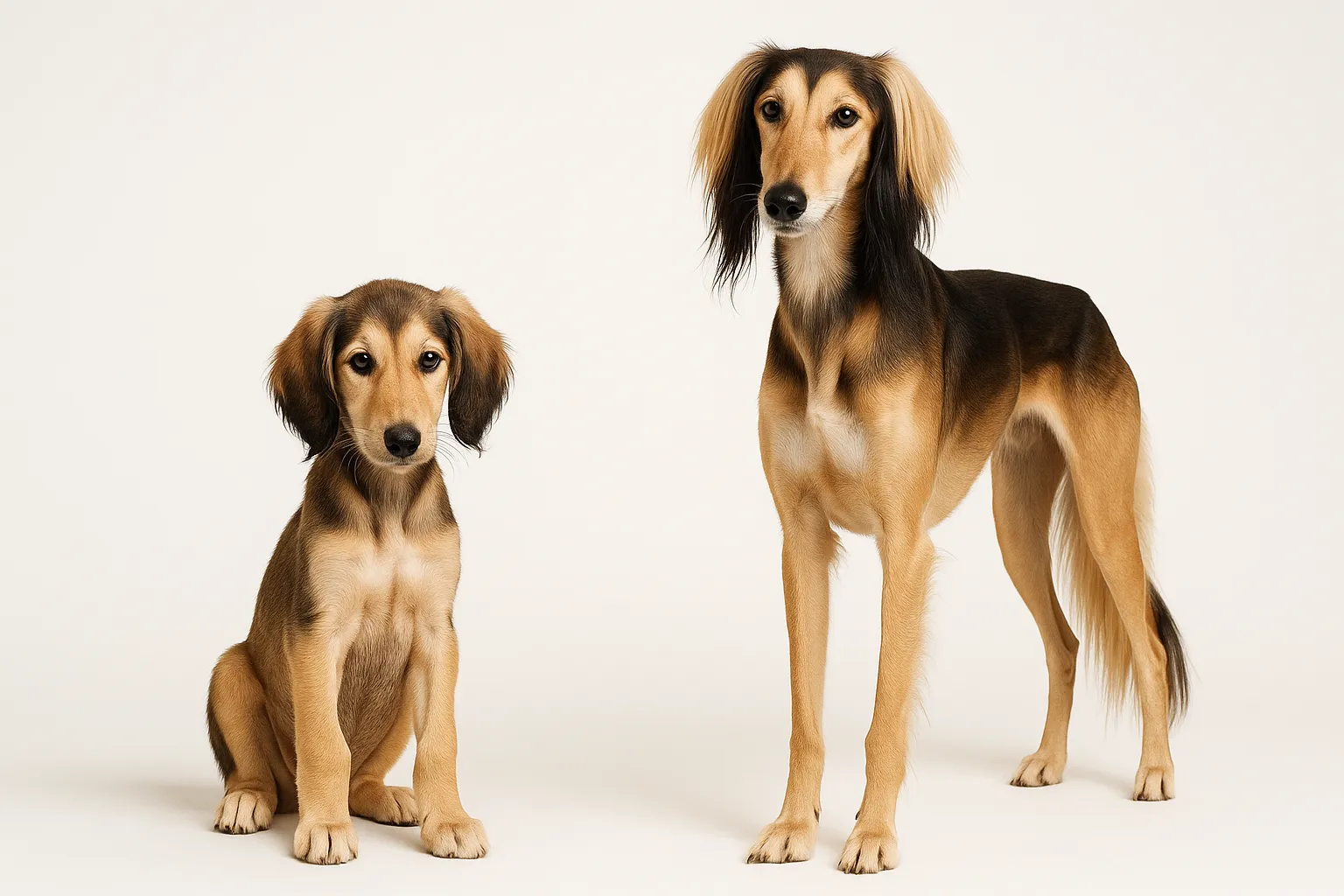
Five thousand years of breeding, and the Saluki still looks like it belongs on a pharaoh’s tomb wall. This is one of the oldest recognized dog breeds, appearing in ancient Egyptian artwork dating back five millennia. Developed for coursing gazelle, hare, and fox across desert terrain, the Saluki is lean, long-limbed, and built for explosive speed. Lifespans of 12-14 years are typical.
The breed’s ancient genetic heritage from desert populations supports good genetic diversity and generally sound health. But cardiac disease — particularly dilated cardiomyopathy and cardiac arrhythmias — demands monitoring from middle age.
Cancer contributes significantly to mortality in breed health surveys. And like all sighthounds, the Saluki’s very low body fat creates anesthesia sensitivity and hypothermia risk during procedures.
What This Breed Is Most Likely to Face
Cardiac Disease
Dilated cardiomyopathy and cardiac arrhythmias occur in Salukis at rates that warrant proactive monitoring rather than a wait-and-see approach. Annual cardiac auscultation beginning at age 5 catches murmurs or rhythm abnormalities before clinical signs develop.
Echocardiography and Holter monitoring provide definitive assessment for dogs with suspected cardiac disease. The Saluki Club of America tracks cardiac health data to support ongoing research.
See the Cardiac Disease guide for full prevention and management detail.
Cancer
Cancer is a significant cause of mortality in Salukis, with hemangiosarcoma and lymphoma among the reported types. Starting at age 6-7, annual surveillance including lymph node palpation, abdominal ultrasound, and chest radiographs provides early detection opportunity. Prompt evaluation of any unexplained weight loss, lethargy, or abdominal swelling is warranted.
See the Cancer guide for full prevention and management detail.
Hip Dysplasia
Hip dysplasia occurs in Salukis despite their lean, athletic build. An OFA hip evaluation at 24 months establishes a structural baseline. Because the breed’s coursing function depends on hip integrity, dysplasia affects athletic longevity directly. Lean body condition and appropriate exercise during skeletal development reduce clinical severity.
See the Hip Dysplasia guide for full prevention and management detail.
Practical Longevity Strategies
Sighthound Anesthesia and Cold Sensitivity
Salukis carry extremely low body fat — physiologically normal for a desert coursing hound — but this creates two management considerations that every owner should understand. First, they are sensitive to anesthesia. Barbiturate-based drugs and standard protocols carry higher risk in sighthounds. Any veterinarian managing a Saluki under general anesthesia should be experienced with sighthound-specific protocols. Second, Salukis are cold-sensitive despite their desert heritage. Minimal body fat and a thin coat mean temperatures below 50 degrees F call for a dog coat or indoor management. Warm bedding matters year-round.
Desert Coursing Heritage and Exercise
Salukis are among the fastest dog breeds, reaching speeds over 40 mph. That speed demands safe outlet: securely fenced areas for free running, lure coursing, and fast CAT. These are not dogs to exercise off-leash in open areas. Their stamina is moderate compared to other sighthounds — they are sprinters, not marathoners. Daily exercise should blend brief high-speed running sessions with moderate walking.
Ancient Breed, Sensitive Temperament
Salukis are emotionally responsive and deeply attuned to their owners. They can be reserved with strangers and profoundly affected by harsh training or loud household dynamics. Gentle, consistent positive reinforcement from puppyhood builds confident adult behavior. They do not tolerate repetitive drilling. The contrast is striking: quiet and gentle indoors, explosive outdoors. Both sides are the real dog.
Where to Focus Your Prevention Effort
The actions most likely to extend your Saluki’s healthy years:
- Annual cardiac auscultation from age 5 — dilated cardiomyopathy and arrhythmias are documented in Salukis
- Sighthound anesthesia protocol — Salukis require modified anesthesia due to low body fat
- Cancer surveillance from age 7 — cancer is a significant mortality cause in the breed
Use these priorities to structure your veterinary conversations and home monitoring routine. The condition guides — Heart Disease, Cancer, Hip Dysplasia — provide the clinical detail behind each recommendation.
Evidence-Based Longevity Priorities
Body Composition and Muscle Maintenance
The relationship between body condition and lifespan in Saluki dogs is direct: lean dogs live longer with fewer chronic diseases, and the data is unambiguous. Body composition stability directly predicts orthopedic longevity and cardiovascular reserve. These pursuit athletes need sustained lean mass to preserve both joint function and cardiovascular efficiency throughout their lives.
Condition-Focused Prevention Stack
Target your prevention plan at Heart Disease, Cancer, Hip Dysplasia — the conditions where proactive monitoring and early response yield the highest return on invested time and resources.
Behavior, Stress Load, and Recovery
Daily routine quality directly affects how a Saluki ages. Predictable activity patterns, adequate scent enrichment, and protected rest windows help these sensitive athletes maintain cognitive and physical function longer than chaotic environments allow.
Preventive Screening Cadence
Schedule veterinary reassessment intervals by age band and trend changes, then tighten cadence when logs show drift in orthopedic function or gait quality. Early intervention windows are where most healthspan gains live.
Breed-Specific Research
Use these evidence deep dives to add mechanism-level context to your Saluki longevity plan:
- Dilated Cardiomyopathy Screening In Dogs: cardiac screening and DCM management relevant for Salukis
- Cancer Screening In Dogs What Helps: cancer surveillance for a breed with elevated hemangiosarcoma risk
- Heat Stress Risk Management For Dogs: thermoregulation management for a thin-coated sighthound in variable climates
From Genetic Data to Monitoring Decisions
Genetic testing should drive monitoring strategy, not replace it. Use results to tighten surveillance windows and calibrate intervention thresholds. Consider hip and elbow scoring (OFA or PennHIP) for orthopedic risk and breed-specific cancer panel or tumor marker surveillance when available as part of the initial risk assessment.
- Run a breed-relevant panel and convert the findings into a concrete monitoring timeline. Results that do not change your screening calendar were not worth running.
- Tie your first monitoring plan to Heart Disease and Cancer so test results translate into practical follow-through.
- Your Saluki’s health story unfolds across years, not appointments. A continuous record linking genetic data, lab trends, and daily observations makes each veterinary conversation more productive.
- Genetic results mean different things at different ages. What looked like a low-risk finding at two years old may deserve closer monitoring by age seven when the clinical picture has changed.
Testing earns its cost when results directly alter your monitoring plan, screening intervals, or intervention decisions.
Breeding History & Health Implications
The Saluki was bred for pursuit speed and coursing endurance across open desert. That heritage directly informs today’s health risks and prevention strategy.
- Structural load patterns and cancer susceptibility both demand monitoring frequency calibrated to actual risk, not just annual wellness defaults.
- Prioritize surveillance around Heart Disease, Cancer, Hip Dysplasia based on history-informed risk triage.
- When you see the same subtle finding twice — a slight limp, a missed meal, a slower recovery — treat it as a signal, not a coincidence. Tighten your monitoring before it compounds.
- Prevention strategies that never get updated become prevention rituals. Revisit yours regularly and adjust based on what the data actually shows.
Let history guide what to watch first. Let trend data confirm what to change next.
The Screening Calendar That Matters
- Puppy to 2 years: OFA hip evaluation, CAER exam, anesthesia documentation
- 3-5 years: annual wellness bloodwork, CAER exam every 2 years
- 6+ years: annual cardiac auscultation, cancer surveillance, senior panel, cognitive monitoring
Diet and Feeding Strategy
Salukis should maintain lean sighthound body condition — visible ribs are appropriate and healthy for this breed. Use quality large-breed adult food sized to activity level. Omega-3 supplementation supports coat and cardiovascular health. Avoid overfeeding. Even moderate obesity is visually obvious in a sighthound and significantly stresses the cardiovascular system and joints.
What a Well-Managed Life Looks Like
Salukis with sighthound-appropriate veterinary care, cardiac monitoring from middle age, and safe high-speed exercise management can live healthy, elegant lives well into the 13-14 year range. Their ancient genetic heritage supports strong longevity potential when breed-specific requirements are consistently met. Five thousand years of selection produced a remarkably sound animal — the least owners can do is give it the monitoring it deserves.
Most-Missed Early Drift Pattern
Early disease progression in a Saluki usually shows up as low-grade changes that owners attribute to normal aging:
- A slightly elevated resting respiratory rate related to Heart Disease that gets dismissed as nothing
- Subtle compensation patterns masking Cancer progression: gradual weight loss that blends with normal aging
- Gradual drift toward Hip Dysplasia signs that become harder to reverse: visible lameness and muscle wasting in the hindquarters
If baseline function has been drifting for 7-10 days, treat it as a prevention failure signal and reassess early.
Additional Health Risks to Monitor
Based on breed predisposition data, Saluki owners should also be aware of:
Frequently Asked Questions
How long do Salukis live?
Salukis typically live 12-14 years. Cardiac monitoring from age 5, sighthound anesthesia protocol awareness, and cancer surveillance are the primary longevity investments.
Are Salukis fast?
Salukis are among the fastest dog breeds, with speeds documented over 40 mph. They were bred for explosive speed to course gazelle over desert terrain. That speed requires safely fenced running areas — off-leash in open spaces is not safe for this breed.
Are Salukis good family dogs?
Salukis are gentle and affectionate with their family but tend to be reserved with strangers. They are quiet and calm indoors but require daily vigorous exercise. Their sensitive temperament thrives in calm, patient households.
Do Salukis like cold weather?
No. Salukis are cold-sensitive due to their thin coat and minimal body fat. Temperatures below 50 degrees F require a dog coat outdoors. Warm bedding is important year-round. Their desert origin makes them heat-tolerant but cold-intolerant.
Are Salukis hard to train?
Salukis are intelligent but independent — they will not perform repetitively for its own sake. Positive reinforcement with interesting rewards works better than drilling. Recall off-leash is unreliable due to prey drive, so always use securely fenced areas for free running.
References
[1] Saluki Club of America. salukiclub.org. [2] Cardiac disease in Salukis: breed health survey data. [3] Ancient dog breed genetics: Parker HG et al. Science. 2004. [4] OFA health statistics. ofa.org. [5] AKC breed information. akc.org.
Related reads
Related Reading
Continue exploring