Fewer Than 100 Puppies a Year — and a Concentrated Set of Health Risks
Fewer than 100 Sealyham Terrier puppies are registered in the US each year, making this compact, all-white Welsh terrier one of the rarest breeds alive. Bred on the Sealyham estate in Pembrokeshire to hunt alongside Otterhounds, these low-set, sturdy dogs carry 12-14 years of life expectancy typical for their size.
Their primary vulnerabilities center on the eyes and skin. Hereditary lens luxation, retinal dysplasia, and cataract all appear at elevated rates. The dense white coat, if not properly maintained, creates a warm, moist environment where bacterial and yeast infections thrive.
Where This Breed Is Most Vulnerable
Hereditary Eye Conditions
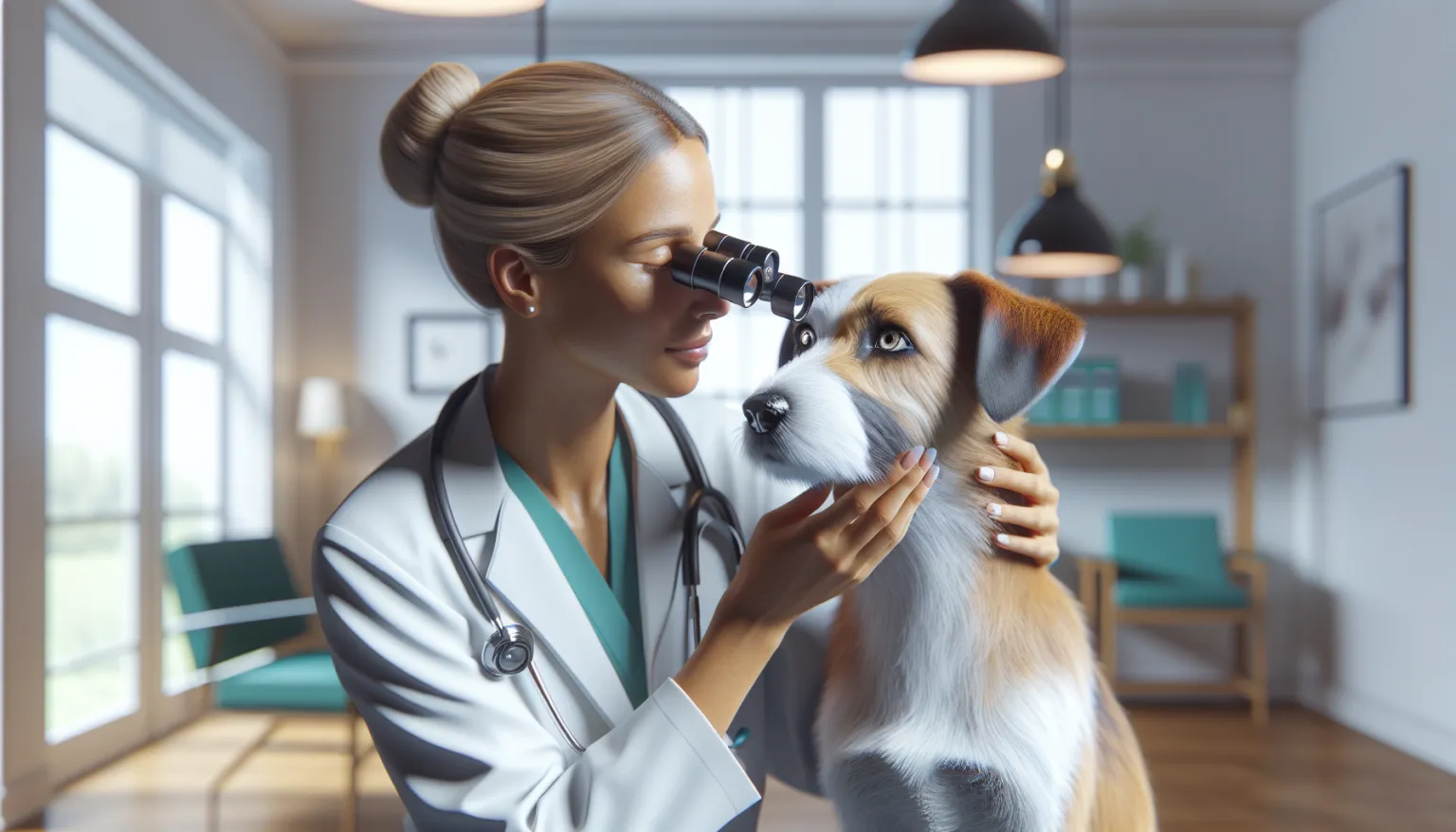
Sealyham Terriers face a serious constellation of inherited eye diseases. Primary lens luxation (PLL), retinal dysplasia, and hereditary cataract all appear at documented elevated rates. Annual CAER exams (ACVO eye exams) are the frontline monitoring tool.
PLL deserves special attention. When a lens dislocates, it can trigger acute glaucoma — an ophthalmic emergency. DNA testing for PLL is available and should be standard for all breeding dogs. Any sudden eye pain, cloudiness, or tearing in a Sealyham warrants same-day veterinary evaluation. There is no safe window to wait.
See the Hereditary Eye Conditions guide for full prevention and management detail.
Skin and Coat Conditions
That beautiful dense white double coat is also a liability. It traps moisture against the skin, creating ideal conditions for bacterial and yeast dermatitis to take hold. Thorough drying after every bath, regular brushing, and deliberate skin inspection during grooming sessions catch problems before they escalate.
Seasonal allergic dermatitis also occurs in the breed. Watch for pruritus (itching), skin redness, and ear infections — these often spike in response to environmental allergens.
See the Skin and Coat Conditions guide for full prevention and management detail.
Hip Dysplasia
The Sealyham’s low-set, stocky build puts structural stress on the hips. Hip dysplasia occurs at elevated rates for a small terrier. OFA hip evaluation at 24 months establishes a structural baseline. From there, weight management is the single most effective ongoing intervention for joint health.
See the Hip Dysplasia guide for full prevention and management detail.
Evidence-Based Ways to Extend Healthspan
Eye Health Monitoring
Annual CAER eye exams are non-negotiable for Sealyham Terriers throughout life. PLL carries the risk of acute glaucoma, so every owner should know the warning signs: sudden squinting, tearing, a cloudy eye, visible pain. These are same-day emergencies.
PLL DNA testing identifies carrier and affected status permanently. Require it from any responsible breeder. At home, routine observation — checking for clear eyes, no tearing or squinting — complements the annual professional exam.
Rare Breed Veterinary Partnership
Many veterinarians will go their entire career without seeing a Sealyham. That limited experience can mean breed-specific nuances get missed. Building relationships with a veterinary dermatologist and ophthalmologist who can consult on Sealyham-specific concerns makes a measurable difference.
Bring current breed health literature to first appointments. The Sealyham breed club provides evidence-based, breed-specific health guidance that gives your veterinary team a head start.
Coat and Skin Maintenance
The Sealyham’s dense white coat needs brushing 2-3 times weekly and professional grooming every 6-8 weeks. During and after bathing, thorough drying is critical — moisture trapped at skin level under the dense coat promotes bacterial and yeast infections.
Clean the beard and facial furnishings after eating to prevent staining and bacterial growth. For white coat staining, use appropriate canine whitening shampoos. Human bleaching products are not safe for dogs.
Where to Focus Your Prevention Effort
For most Sealyham Terrier owners, these are the actions that will matter most:
- Annual CAER eye exam — Sealyhams have documented rates of primary lens luxation, retinal dysplasia, and hereditary eye conditions
- Monthly skin and ear inspection — the dense white coat and drop ears require active maintenance
- OFA hip evaluation at 24 months — hip dysplasia is documented in this stocky breed
Center your next vet conversation on these priorities and adjust the plan quarterly based on what the data shows. See Eye Conditions, Skin Allergies, Hip Dysplasia for condition-specific guidance.
Evidence-Based Longevity Priorities
Body Composition and Muscle Maintenance
For Sealyham Terrier longevity, lean body composition is not optional — it is the foundation on which every other health intervention depends. Lean mass retention becomes critical around middle age, when metabolic rate begins to slow. Terriers burn energy at a high rate, which means calorie management must be precise to prevent gradual weight drift.
Condition-Focused Prevention Stack
For Sealyham Terriers, the highest-return prevention investments target Eye Conditions, Skin Allergies, and Hip Dysplasia. The cost of early action is almost always lower than the cost of delay — in treatment complexity, in quality of life, and in total lifespan.
Behavior, Stress Load, and Recovery
Inconsistent schedules and uncontrolled arousal tend to surface first as behavior volatility, sleep fragmentation, or slower recovery in this breed. A controlled daily rhythm protects both neurologic and physical stability.
Preventive Screening Cadence
Plan your vet visits before you need them, then compress the interval when your data shows something shifting. Early detection windows close faster than most owners expect.
Breed-Specific Research
Use these evidence deep dives to add mechanism-level context to your Sealyham Terrier longevity plan:
- Genetic Testing For Dogs Clinical Roi: PLL DNA testing decisions for Sealyham Terrier owners and breeders
- Senior Dog Screening Protocol: senior care for a rare breed requiring sustained proactive management
- Canine Obesity And Lifespan Evidence: weight management for a low-set stocky breed with orthopedic vulnerability
How to Use Genetic Panel Results
For Sealyham Terriers, genetic testing delivers the most value when results directly change what you monitor, how often, and what triggers escalation. Consider a CERF eye exam or PRA gene testing to detect heritable eye disease as part of the initial risk assessment.
- Select a genetic panel matched to your Sealyham Terrier’s known risk profile. The results tell you where to look harder, not what will happen.
- Focus your first monitoring protocols on Intervertebral Disc Disease Ivdd and Dental Disease — the conditions where early data most directly shapes the intervention timeline.
- Keep a running health log — test results, clinical findings, home observations. Patterns that matter only emerge when you connect data points across months and years.
- The right monitoring cadence at two years old is wrong at nine. Recalibrate at every life-stage transition and whenever you see sustained drift in energy, appetite, or mobility.
Testing is only as good as the decisions it drives. If nothing changes after you get the results, the test was premature or unnecessary.
Breeding History & Health Implications
The Sealyham was bred for high-intensity prey drive and tenacity underground — traits that selected for a stocky, low-set frame and reactive temperament. That legacy shapes the modern dog’s risk profile in concrete ways.
- Structural and temperament characteristics inherited from working lines require a surveillance rhythm that intensifies with age rather than waiting for clinical signs.
- The breed’s history-informed risk profile highlights Intervertebral Disc Disease Ivdd, Dental Disease, Progressive Retinal Atrophy Pra as the conditions warranting the closest ongoing attention.
- The changes that matter most in your Sealyham Terrier are the ones that arrive slowly enough to feel normal. If you find yourself saying “he’s just getting older,” challenge that assumption with data.
- Review and adjust your Sealyham Terrier’s longevity plan every quarter. The right focus at age two is not the right focus at age eight — let age, weight trends, and vet findings guide the updates.
Breed history defines the risk landscape. Your dog’s actual health data determines the response timeline.
Your Veterinary Screening Roadmap
- Puppy to 2 years: PLL DNA testing, CAER exam, OFA at 24 months, skin care routine
- 3-8 years: annual CAER exam, coat and skin assessment, dental cleaning
- 9+ years: senior panel every 6 months, eye monitoring, mobility assessment
What and How to Feed
Sealyhams gain weight easily thanks to their stocky build and moderate activity level. Strict measured portions of quality small-breed adult food are essential. Omega-3 supplementation supports both coat health and joint function. Skip high-calorie treats — the propensity for weight gain in this breed makes treat discipline a real longevity lever.
Putting It All Together
Sealyham Terriers with annual eye exams, PLL DNA clearance from breeders, and lean body condition management are well-positioned for healthy lives in the 12-14 year range. As an endangered breed, each healthy Sealyham carries conservation value that extends well beyond the individual dog.
Most-Missed Early Drift Pattern
Healthspan erosion in Sealyhams typically begins with subtle shifts that are easy to dismiss:
- Intermittent signs tied to Intervertebral Disc Disease Ivdd — a hesitation to jump, a momentary stiffness that resolves
- Subtle compensation patterns that mask Dental Disease progression: a preference shift toward softer food mistaken for pickiness
- Intermittent early signs of Progressive Retinal Atrophy Pra — bumping into objects in dim light, hesitation in unfamiliar spaces
If baseline function is drifting for 7-10 days, treat it as a prevention failure signal and reassess early.
Additional Health Risks to Monitor
Based on breed predisposition data, Sealyham Terrier owners should also be aware of:
Frequently Asked Questions
How long do Sealyham Terriers live?
Sealyham Terriers typically live 12-14 years. Annual eye exams and weight management are the most impactful longevity investments for this breed.
Why are Sealyham Terriers so rare?
Sealyham Terriers were extremely fashionable in the early 20th century but declined sharply after World War II as dog ownership preferences shifted toward more active, family-oriented breeds. Today fewer than 100 puppies are registered annually in the US, making the Sealyham one of the rarest AKC breeds.
Do Sealyham Terriers have eye problems?
Yes — Sealyhams have documented rates of primary lens luxation (PLL), retinal dysplasia, and hereditary cataract. Annual CAER eye exams and PLL DNA testing from responsible breeders are essential.
Are Sealyham Terriers good for apartment living?
Yes — Sealyhams are compact, relatively calm for a terrier, and do well in apartments with regular daily walks. They need mental stimulation but have moderate exercise requirements compared to more athletic terrier breeds.
What makes Sealyham Terriers unique?
Sealyhams are one of very few all-white, short-legged, stocky terriers — bred specifically to work with hounds underground. Their rarity, loyal temperament, and calm-for-a-terrier character make them distinctive. Their celebrity ownership history in early Hollywood adds to their storied character.
References
[1] American Sealyham Terrier Club health resources. sealyham.org. [2] Primary lens luxation genetics: Sargan DR et al. Mamm Genome. 2007. [3] OFA health statistics by breed. ofa.org. [4] AKC breed standards and history. akc.org. [5] WSAVA nutrition guidelines. wsava.org.
Related reads
Related Reading
Continue exploring