The Sharpest Mind in the Smallest Package — For Up to 16 Years
A 5-pound Toy Poodle can learn a new trick faster than most dogs four times its size. That cognitive intensity is not a coincidence — it reflects a breed whose nervous system was refined over centuries of demanding work, then compressed into the smallest possible body. And unlike many high-intelligence breeds, Toy Poodles have the lifespan to show it off for a very long time: 13 to 16 years is the typical range, with healthy dogs regularly reaching the upper end.
That combination of brains and longevity creates both opportunity and obligation. A Toy Poodle at 14 can still learn, still engage, still surprise you — but only if you keep chronic disease from quietly eroding the foundation. Dental inflammation, cardiac drift, and metabolic changes accumulate over a long life. In a body this small, the margin between manageable and serious is razor-thin [1][5].
The Five Conditions That Shape Your Toy Poodle’s Future
Dental Disease
Toy breeds carry disproportionate dental risk. Their small jaws crowd teeth together, accelerating tartar buildup and gum inflammation. Watch for halitosis, chewing hesitation, and visible gum redness.
Consistent daily brushing and timely professional cleanings reduce the chronic inflammatory burden that shortens lives [3][5]. This is not optional maintenance for Toy Poodles. It is arguably the single highest-yield prevention habit you can build.
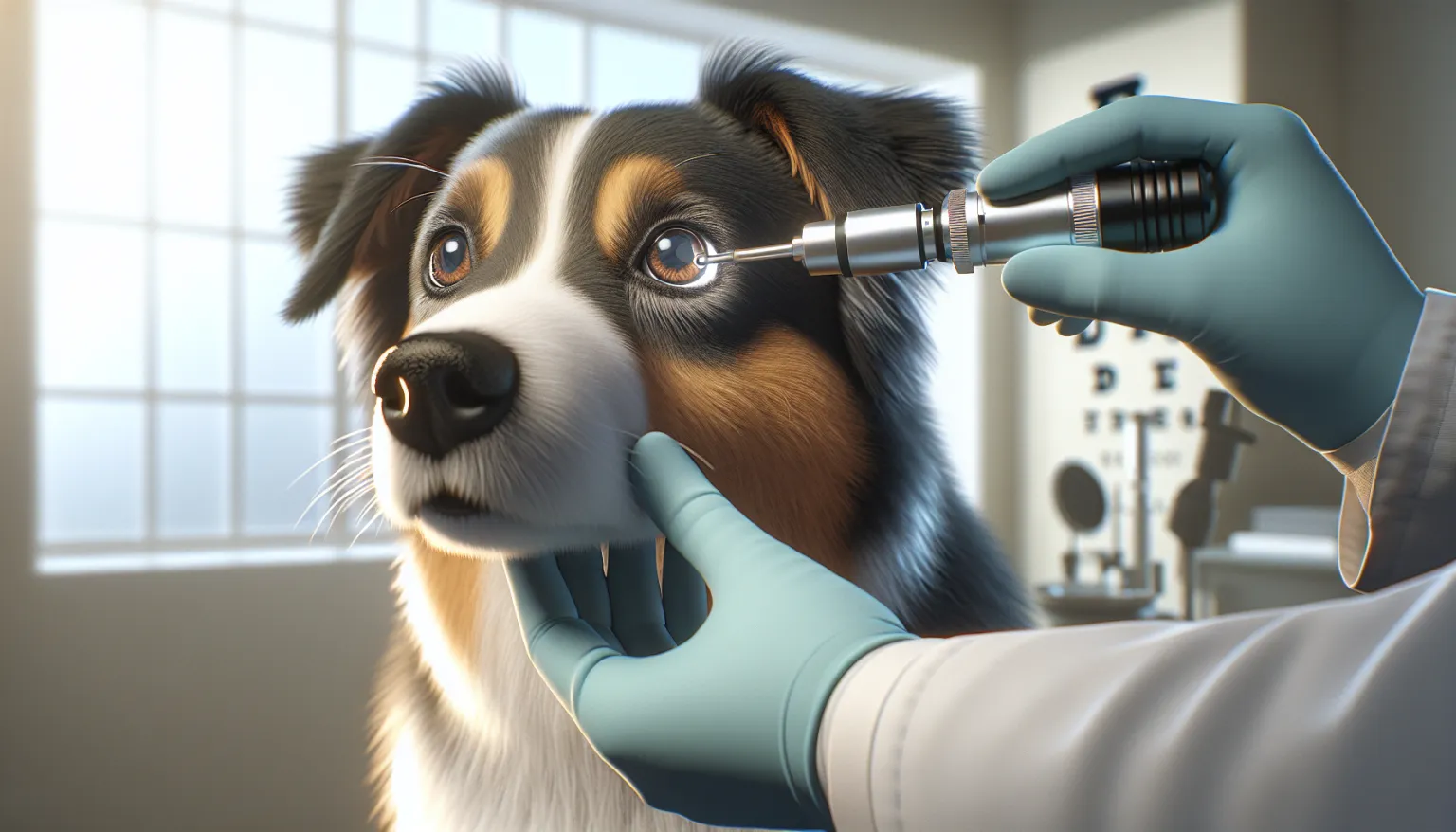
Eye Conditions
Squinting, cloudiness, redness, discharge, or sudden visual changes all warrant prompt evaluation. Toy Poodles are predisposed to progressive retinal atrophy and other heritable eye diseases.
Time matters here. Early detection preserves treatment options that vanish once degeneration advances [3][5].
Heart Disease
Mitral valve disease and other cardiac conditions affect Toy Poodles at higher rates than many breeds. The warning signs are subtle at first: mild exercise intolerance, a soft cough at rest, slightly elevated sleeping respiratory rate.
By the time fainting or fluid accumulation appears, the disease has advanced significantly. Routine cardiac monitoring catches these trends early, when intervention still changes the trajectory [3][5].
Anxiety
Toy Poodles are intelligent, perceptive dogs, and that sensitivity has a flip side. Persistent hypervigilance, difficulty settling, trigger stacking, and stress-driven repetitive behaviors all signal chronic anxiety.
Predictable routines, structured enrichment, and early behavior support reduce the stress load that wears down both mental and physical health over time [3][5].
Hypothyroidism
Weight gain without dietary changes, low energy, coat thinning, and recurrent skin issues point toward thyroid dysfunction. These signs develop gradually, making them easy to attribute to aging.
Endocrine screening catches hypothyroidism when subtle energy or weight drift first appears, before secondary complications set in [3][5].
Three Actions That Move the Needle Most
Not all prevention is equal. For Toy Poodle owners, these three habits deliver the largest return:
- Maintain tight dental hygiene from early adulthood
- Monitor heart and eye health proactively as your dog ages
- Protect muscle mass and cognitive sharpness with daily activity
Long-term outcomes in this breed respond most strongly to three controllable factors: weight trend, mobility maintenance, and prevention timing [2][7][8].
Why Body Composition Matters More in Tiny Dogs
In a 5-pound dog, even a few ounces of excess fat disproportionately affects metabolic efficiency and cardiac workload. Body composition control predicts long-term function more reliably than almost any other single factor for Toy Poodles.
Monthly body-condition scoring keeps you honest. Learn to assess rib coverage and waist definition by touch — your hands tell you more than the scale alone.
Stacking Prevention Where It Counts
Effective prevention for Toy Poodles targets three systems simultaneously: high-frequency oral-health control, early triage of any eye changes, and structured cardiac surveillance tailored to a small body’s limited reserve. These systems are interconnected. Dental inflammation strains the heart. Anxiety disrupts sleep and recovery.
Stress, Sleep, and the Recovery Window
Before physical decline becomes obvious, behavioral drift often signals trouble. Inconsistent schedules, under-stimulation, or unmanaged anxiety manifest as sleep disruption, slower recovery, and behavior changes.
If your Toy Poodle seems off but the vet exam looks clean, look at the daily routine. Structure and predictability are therapeutic for this breed.
Screening That Catches Drift Before Crisis
Crisis-driven vet visits come too late. Routine screening intervals tied to cardiovascular and respiratory parameters catch subtle drift before it compounds into serious disease. Build screening into the calendar, not the crisis response plan.
Breed-Specific Research Worth Reading
Review these science articles when deciding what deserves earlier screening in your Toy Poodle.
- Dental Disease in Dogs: Oral Health and Longevity: adds protocol detail relevant to long-term condition management decisions.
- Senior Dog Screening Protocol: What to Test and When: improves escalation timing decisions for early warning signs.
- Blood Pressure Monitoring in Dogs: The Silent Risk Most Owners Miss: clarifies monitoring tradeoffs for this breed’s key risk pathways.
Bring these to your next vet appointment. Informed owners and veterinarians make better decisions together.
Genetic Testing That Actually Changes What You Do
Genetic testing adds the most value when results directly change what gets measured, how often, and what triggers escalation. For Toy Poodles, consider baseline echocardiography to establish cardiac structure and function and CERF eye exam or PRA gene testing to detect heritable eye disease.
- Use a breed-appropriate genetic panel as your foundation, but remember that genetic risk is not the same as clinical disease. Serial veterinary observations bridge that gap.
- Anchor your initial monitoring to Dental Disease and Eye Conditions. Testing matters when it changes what you measure, how often, and what triggers escalation.
- A running health log that combines lab work, clinical notes, and your daily observations gives your vet a clearer picture in five minutes than a full workup without history.
- Treat each annual exam as a chance to re-read your genetic data against fresh clinical findings. The same panel results carry different weight as your Toy Poodle ages.
A test result that sits in a drawer changes nothing. One that updates your monitoring plan changes everything.
How Breeding History Shapes Modern Health Risks
The Poodle’s history as a versatile working dog, bred across multiple sizes for diverse roles, left a legacy in today’s Toy variety: cardiac aging patterns requiring respiratory rate tracking and murmur reassessment, and temperament sensitivity that benefits from stable routines and arousal management.
- These patterns require tighter monitoring across adulthood, not just in senior years.
- Focus your risk surveillance on Dental Disease, Eye Conditions, Heart Disease — these are the conditions where this breed’s ancestry creates the most actionable risk profile.
- When a mild concern surfaces more than once, the right response is earlier screening — not more watching and waiting.
- Course-correct regularly. The point of ongoing monitoring is not to confirm the original plan — it is to improve it as your dog’s health picture becomes clearer.
Monitoring Schedule by Life Stage
- Puppy to 3 years: Establish a baseline dental routine, weight trend, and behavior profile. This is when habits form for both dog and owner.
- 4 to 8 years: Annual wellness labs, oral health checks, and early heart screening when indicated. Most Toy Poodles are still vigorous here, which makes it easy to skip appointments. Do not.
- 9+ years: Consider twice-yearly exams with blood, urine, mobility, and cognition review. The investment in frequency pays off in early detection.
Longevity Outlook: Precision Habits Over a Long Timeline
A Toy Poodle at 15 who still learns new cues, navigates confidently, and greets each morning with purpose is not a genetic miracle. That dog has an owner who treated daily tooth brushing as non-negotiable, caught the first signs of lens changes early, and responded to a subtle cough trend before it became a cardiac crisis.
The breed’s exceptional lifespan potential means every year of prevention compounds into more quality living than most breeds can offer. But it also means that small lapses compound too. In a dog you will share 13 to 16 years with, the habits you build in year 2 still determine quality of life in year 14.
The Drift Patterns Owners Miss Most Often
Healthspan erosion in Toy Poodles typically begins with shifts so subtle they feel like nothing:
- Mild halitosis or hesitation when chewing hard treats related to Dental Disease, easily dismissed as a passing quirk
- Subtle hesitation in dim light or unfamiliar spaces signaling Eye Conditions progression, often attributed to personality rather than vision loss
- Gradual emergence of Heart Disease signs, nighttime coughing, brief fainting, or fluid accumulation, that become harder to reverse with each passing week
If baseline function drifts for 7 to 10 days, treat it as a prevention failure signal and reassess early. Waiting to see if it resolves is how small problems become big ones.
A Smarter Approach to Dental Procedures
Delaying dental care in tiny dogs increases inflammatory burden and future anesthetic complexity. Prevention-first dentistry means:
- Keep daily brushing as the baseline, not a crisis response
- Schedule professional cleanings based on oral exam staging, not arbitrary timelines
- Pair dental planning with cardiac and renal pre-op screening in older dogs
- Update home pain and chewing monitoring after each dental intervention
For Toy Poodles, staged preventive dentistry consistently outperforms late, high-burden rescue procedures.
Tracking Vision and Heart Health Together
In late-middle age and senior years, small declines in vision and cardiopulmonary reserve often appear together. Reviewing them separately misses the pattern. Track monthly:
- Low-light navigation confidence
- Resting respiratory rate and nighttime cough trend
- Stamina and post-walk recovery time
If two domains drift in parallel, escalate for an integrated workup rather than chasing each symptom independently.
Micro-Weight Drift: When Ounces Matter
In a dog that weighs 5 pounds, a quarter-pound gain represents a 5% increase. That is the equivalent of a 150-pound person gaining 7.5 pounds. Small shifts have outsized metabolic consequences.
- At +2-3% from baseline: Tighten portions and treat accounting immediately
- At +4-5%: Trigger structured calorie recalibration and recheck within 2 to 4 weeks
- If weight drift overlaps with lower stamina or cough trend changes: Escalate medical review
Threshold-based action outperforms visual guesswork in toy breeds. Weigh your dog weekly on a kitchen scale.
Additional Relevant Condition Guides
These additional condition pages are also relevant for this breed profile and prevention planning:
Condition-Specific Monitoring Triggers
Monitoring is only useful if you know what changes should trigger a call to your vet:
- Dental Disease: Track oral pain signs, chewing changes, and breath changes; escalate for oral bleeding, dropped food, or swelling.
- Eye Conditions: Track vision confidence, eye discharge, and redness; escalate for pain signs, squinting, or sudden vision changes.
- Heart Disease: Watch for subtle changes: tiring more easily on walks, restlessness at night, coughing after excitement or exertion. Each individually may seem minor, but the combination is significant.
- Anxiety: Track anxiety triggers, recovery time, and baseline behavior stability; escalate when behavior changes persist or intensify.
- Hypothyroidism: Track appetite, thirst/urination trend, and weight trajectory; escalate for sustained drift over several days.
12-Month Longevity Execution Plan
Use this quarterly framework to keep prevention proactive instead of reactive:
Quarter 1: Baseline and Risk Mapping
- Establish a documented baseline: body weight, gait video, resting respiratory rate, and daily energy patterns
- Have an explicit conversation with your vet about this breed’s top three health risks and what monitoring looks like for each
- Lock down feeding consistency — measured meals, capped treats, and clear household rules about who feeds what and when
- Complete oral exam and dental cleaning to establish clean baseline for monitoring
Quarter 2: Adherence and Early Drift Control
- Check your adherence to the prevention plan from Q1 and close any gaps before they compound
- Flag anything that has shifted since baseline — even minor changes in weight, stamina, or behavior — and check it more frequently
- If you notice shifts in how your dog eats, moves, breathes, or engages with daily life, escalate to your vet rather than normalizing it
- Reassess calorie intake against weight trend and adjust feeding plan if drift is detected
Quarter 3: Midyear Reassessment
- Mid-year reality check: compare where your dog’s health markers are now against the Q1 baseline and adjust the plan accordingly
- Let the data from H1 guide your H2 screening schedule: tighten monitoring where trends are concerning, maintain where stable
- Reassess whether your dog’s exercise routine still matches their current fitness level, joint health, and seasonal tolerance
- Repeat resting respiratory rate trending and cardiac auscultation if murmur or arrhythmia risk is present
Quarter 4: Senior-Readiness Update
- Draft next year’s screening schedule using the trend summaries from all four quarters — every interval should be justified by data
- Make your escalation plan more breed-specific based on this year’s observations — generic warning signs are less useful than ones calibrated to your dog
- Write down the specific actions and screening checkpoints for next year so the plan is concrete, not aspirational
- Schedule year-end dental assessment and plan next professional cleaning interval
- Confirm cardiac status and update monitoring frequency if murmur grade has progressed
When to Seek Same-Day Veterinary Care
Do not wait for a morning appointment if you observe any of the following:
- Complete food refusal combined with unusual stillness, hiding, or reluctance to engage
- Respiratory distress, fainting, or new neurologic symptoms — each of these can deteriorate rapidly without intervention
- Vomiting that continues beyond two or three episodes, signs of belly pain, or any abdominal swelling — especially in deep-chested breeds
- Sudden loss of function: inability to bear weight, visible distress during movement, or refusal to stand
- Any loss of consciousness, even brief, or a resting breathing rate that stays elevated above 40 breaths per minute
This Year’s Priority Actions
These are the prevention priorities that matter most for your Toy Poodle this year right now. Check in with your veterinarian each quarter and update the plan based on real trends, not assumptions.
- Maintain tight dental hygiene from early adulthood
- Monitor heart and eye health as dogs age
- Protect muscle and cognition with daily activity
Home Tracking Dashboard
Track these markers monthly to catch subtle changes before they become urgent:
- Scale weight plus hands-on body-condition evaluation — the number alone is not enough
- Appetite stability, water intake trends, and digestive output — subtle changes here often signal systemic shifts
- How eagerly your dog initiates and sustains their usual activities compared to their personal baseline
- New reluctance to move, changes in how your dog positions themselves at rest, or unexpected sensitivity to touch
- Willingness to engage in usual physical activity and time needed to return to baseline afterward
- Nighttime sleep quality, daytime behavioral stability, and willingness to participate in normal household activity
- Condition-specific early drift markers tied to dental disease, eye conditions, heart disease
What and How to Feed
For Toy Poodles, feeding decisions deliver the highest return when you manage energy demand with measurement discipline. A 5-pound dog has zero margin for eyeballed portions.
Use Feeding Guide for Toy Breeds as the baseline and add Omega-3 Fish Oil for Dogs only when endpoints are explicit and reassessment cadence is pre-defined.
Keep a single intake log and trigger recalibration whenever indicators around Obesity begin drifting.
Frequently Asked Questions
What is the most important feeding behavior for long-term outcomes in Toy Poodle? Strict portion control paired with monthly body-condition recalibration. Measure every meal, log every treat, and adjust based on what you see and feel at rib checks.
How should calorie planning cadence be set in Toy Poodle? Recalibrate whenever workload, life stage, medication profile, or body-condition trend changes. For most Toy Poodles, that means a review at least once per quarter.
Are nutrition supplements enough without measured intake control for Toy Poodle? No. Core portion governance and trend review produce the primary effect size. Supplements add value on top of that foundation, not instead of it.
What risk marker should accelerate nutrition follow-up in Toy Poodle? Escalate when early drift appears in pathways such as Obesity, even if outward behavior still looks acceptable. In a 5-pound dog, subtle weight gain masks significant metabolic change.
What preventable feeding error appears most often in Toy Poodle homes? Duplicate feeding. When multiple household members feed the dog without a central log, calorie intake silently doubles. One feeding chart in one location solves this.
References
[1] AKC Toy Poodle Breed Information [2] Life expectancy, mortality, and longevity in companion dogs (Scientific Reports, 2024) [3] OFA CHIC Program [4] Dog Aging Project [5] AAHA Canine Life Stage Guidelines [6] Merck Veterinary Manual [7] WSAVA Global Nutrition Guidelines [8] Effects of Diet Restriction on Life Span and Age-Related Changes in Dogs (Kealy et al., 2002)
Related reads
Related Reading
Continue exploring