Small Frame, Serious Longevity Potential
The Yorkipoo pairs two of the most popular toy and small-breed lines: the Yorkshire Terrier and the Toy Poodle or Miniature Poodle. At 4-14 lbs, this is a dog that fits in a shoulder bag but carries the genetic inheritance of two breeds with distinct health profiles, well-documented vulnerabilities, and genuine longevity potential.
Yorkshire Terriers regularly live 12-15 years. Toy and Miniature Poodles routinely reach 14-16 years. The Yorkipoo, benefiting from both parent breeds’ small-body-size longevity advantage and potentially from first-generation hybrid vigor, has a realistic lifespan of 12-16 years when well-managed.
But “well-managed” is doing heavy lifting in that sentence. The Yorkipoo’s small body concentrates specific health risks that require a different approach than what works for a 50 lb dog. Dental disease, tracheal vulnerability, and a potentially life-threatening liver condition unique to small breeds all demand attention from the first year of life.
Why Toy-Sized Dogs Can Live So Long
The inverse relationship between body size and lifespan is one of the most robust findings in canine aging research. Small dogs age more slowly at the cellular level than large dogs. Their lower growth rate, reduced oxidative stress per unit of body mass, and slower rate of age-related decline contribute to lifespans that routinely exceed those of giant breeds by 6-8 years.
The 2024 companion dog longevity study in Scientific Reports confirmed this pattern across over 580,000 dogs. Toy breeds occupy the top tier of canine longevity, and the Yorkipoo’s 4-14 lb body places it squarely in that favorable zone.
However, small size creates its own set of vulnerabilities. Proportionally large teeth in small jaws, delicate tracheal cartilage, and congenital liver variations are the trade-offs that accompany the longevity advantage.
The Conditions That Demand Attention
Dental Disease: The Yorkipoo’s Primary Threat
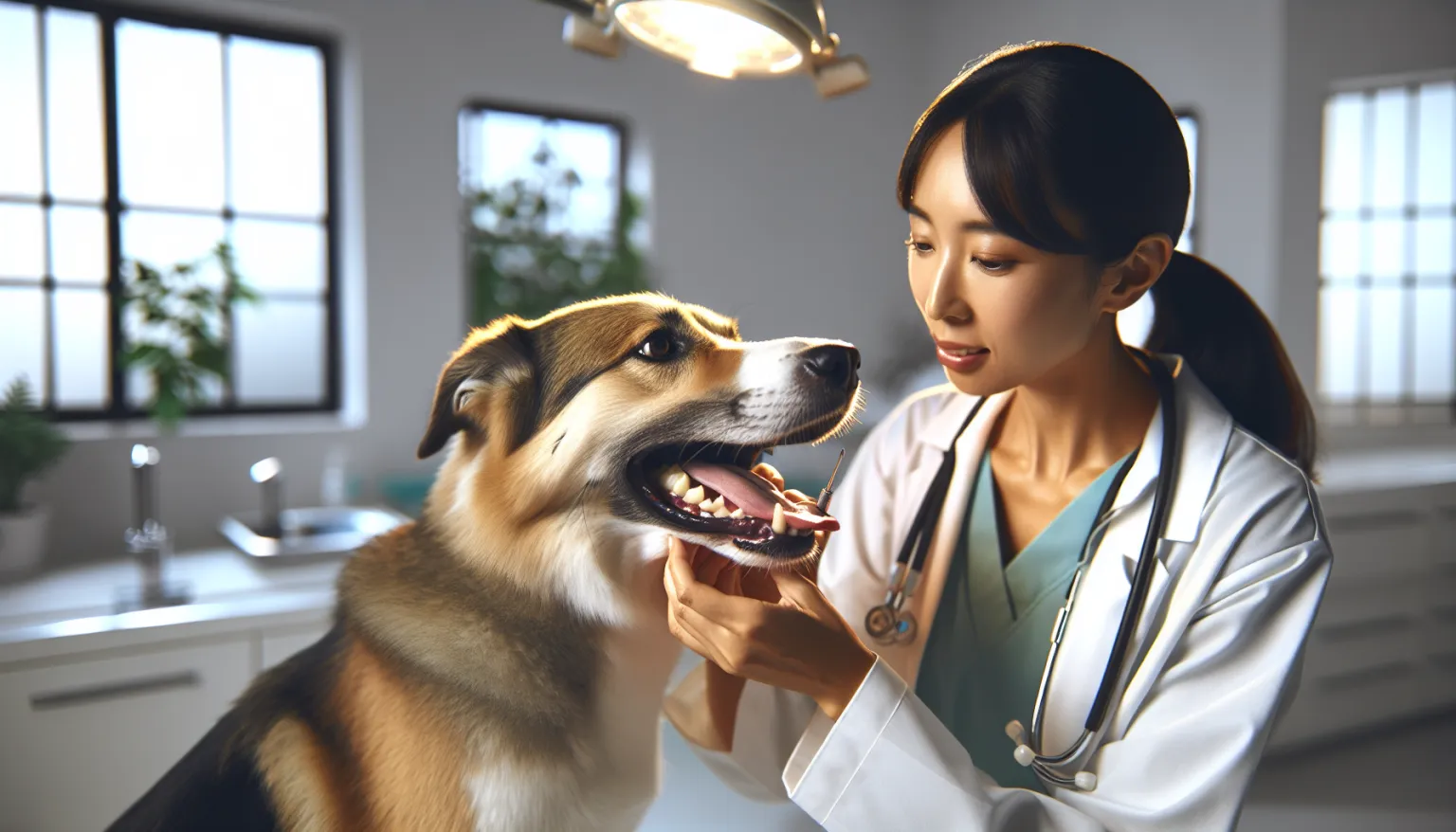
Dental disease is not just a common condition in Yorkipoos. It is arguably the single most impactful threat to their longevity. Both the Yorkshire Terrier and the Toy Poodle rank among the breeds most susceptible to early-onset periodontal disease, and the Yorkipoo inherits this vulnerability from both directions.
The mechanics are straightforward: a Yorkipoo’s jaw is small, but its teeth are proportionally large. Crowding, misalignment, and retained deciduous teeth create areas where food debris and bacteria accumulate rapidly. Without intervention, plaque mineralizes into calculus, gums recede, bone loss occurs, and teeth loosen and fall out. The bacterial load from chronic periodontal infection enters the bloodstream and damages distant organs: the heart, kidneys, and liver.
In a 5 lb dog, the systemic burden of chronic dental infection is proportionally enormous. Studies linking severe periodontal disease to reduced lifespan apply with particular force to toy breeds.
The management protocol is simple in concept but demands daily discipline:
- Daily brushing with enzymatic toothpaste designed for dogs. Every day. Not every few days. Daily.
- Professional dental cleanings under anesthesia, typically annually starting at age 2-3, more frequently if progression is rapid
- Dental-appropriate diet and chews (counting chews toward the daily treat budget)
- Check for retained deciduous teeth during the first year; extraction prevents crowding-related issues
See Dental Disease and Longevity in Dogs and Dental Health Nutrition Protocol for comprehensive strategies.
Tracheal Collapse
Tracheal collapse affects toy and small breeds disproportionately, and both Yorkshire Terriers and small Poodles are on the risk list. The tracheal cartilage rings lose structural rigidity over time, causing the airway to flatten during breathing, particularly during excitement, exertion, or pulling against a collar.
The classic sign is a honking, goose-like cough that intensifies with excitement, drinking water, or pulling on a leash. As the condition progresses, breathing difficulty, exercise intolerance, and episodes of cyanosis (blue-tinged gums) may develop.
Prevention centers on reducing tracheal stress:
- Harness only, no collar. This is non-negotiable for every Yorkipoo from day one. Even a well-fitted collar transmits force to the trachea during the normal pulling that every small dog does.
- Maintain lean body weight. Excess weight increases respiratory demand and compresses the thorax.
- Minimize environmental irritants. Smoke, strong perfumes, and dusty conditions worsen tracheal inflammation.
- Manage excitement. Training to reduce reactive barking and lunging reduces the acute tracheal stress spikes that trigger coughing episodes.
Portosystemic Shunt
Portosystemic shunt (PSS), also called a liver shunt, is a congenital vascular abnormality in which blood bypasses the liver rather than flowing through it for detoxification. The Yorkshire Terrier has one of the highest documented breed-specific prevalences of congenital PSS, and the Yorkipoo inherits this risk.
When blood bypasses the liver, toxins (particularly ammonia from protein digestion) accumulate in the bloodstream and can damage the brain, causing a condition called hepatic encephalopathy. Signs include:
- Failure to thrive in puppies (smaller than expected, poor growth)
- Disorientation, circling, or staring into space (especially after meals)
- Seizures, particularly in young dogs
- Excessive drooling, vomiting, or diarrhea
- Urinary crystals (ammonium biurate) on routine urinalysis
Many portosystemic shunts manifest during the first 1-2 years of life. If your Yorkipoo shows any signs of disorientation after eating, fails to grow at the expected rate, or develops seizures as a young dog, PSS should be on the differential diagnosis list. Bile acid testing (a simple blood test) can screen for liver function abnormalities.
Congenital PSS is often surgically correctable, and many dogs that undergo successful shunt attenuation go on to live normal lifespans. Early detection matters because untreated PSS causes progressive organ damage.
Luxating Patella
Luxating patella is one of the most common orthopedic conditions in toy breeds. Both parent breeds carry predisposition. The kneecap slides out of its groove, causing intermittent rear-limb lameness that the dog often self-corrects within a few strides.
Low-grade luxation (Grade I-II) may need only monitoring and weight management. Higher grades (III-IV) typically require surgical correction to prevent cartilage erosion and secondary arthritis. In a 4-14 lb dog, maintaining lean body condition is the highest-return intervention for protecting small, vulnerable joints.
Progressive Retinal Atrophy
Both parent breeds carry risk for progressive retinal atrophy (PRA). The prcd-PRA mutation is well-documented in Poodle lines, and Yorkshire Terriers carry their own PRA variants. Annual ophthalmic exams starting at age 3, combined with genetic testing if breeding background is unknown, provide comprehensive surveillance.
Skin Allergies
Both parent breeds are predisposed to skin allergies, including environmental atopy and contact dermatitis. The Yorkipoo’s fine, silky coat (from the Yorkie side) or curly coat (from the Poodle side) can trap allergens against sensitive skin. Persistent scratching, face rubbing, and paw licking warrant allergy workup. Skin and Coat Nutrition and Omega-3 supplementation support skin barrier function.
Nutrition for the Tiny Body
At 4-14 lbs, the Yorkipoo has the highest metabolic rate per unit of body weight of any dog size category. This means calorie-dense, nutrient-rich food in precisely controlled portions. Overfeeding by even 10-15 calories daily accumulates measurably on a 6 lb frame.
Use Feeding Guide for Toy Breeds as your primary framework. Measured meals twice or three times daily (smaller, more frequent meals can help manage blood glucose in very small dogs). Treats, including dental chews, should not exceed 10% of daily caloric intake.
Monthly body condition scoring is essential. Target a BCS of 4-5 on the 9-point scale. On a Yorkipoo, even half a pound of excess weight represents a meaningful percentage increase in body mass.
Omega-3 supplementation at approximately 75 mg EPA+DHA per kg of body weight supports skin health, reduces inflammatory signaling, and may provide modest cardiovascular benefit. For dogs with diagnosed PSS, dietary protein management (type and quantity) will be guided by your veterinarian and is critical to preventing hepatic encephalopathy episodes.
Exercise for the Toy Athlete
Yorkipoos are more athletic than their size suggests. Both parent breeds were working dogs (the Yorkie was originally a ratting terrier in textile mills; the Poodle was a water retriever), and the cross inherits genuine energy and drive despite its small frame.
Plan for 30-45 minutes of daily activity:
- Short walks on varied terrain (monitor for fatigue in very small dogs)
- Indoor play sessions with appropriate toys
- Scent work and treat-finding games
- Short training sessions incorporating new tricks
- Puzzle feeders and interactive toys
Always use a harness. Never a collar. The tracheal protection this provides is a daily health intervention, not a preference.
In very small Yorkipoos (under 6 lbs), monitor for hypoglycemia during extended exercise. Signs include trembling, weakness, glassy eyes, and unresponsiveness. Carry a small amount of honey or corn syrup on walks as an emergency glucose source.
Preventive Screening Timeline
- Puppy to 12 months: Check for retained deciduous teeth. Patellar luxation check at each puppy visit. Bile acid testing to screen for portosystemic shunt if any concerning signs. Establish dental care routine.
- 1 to 5 years: Annual wellness exam with patellar palpation, cardiac auscultation, eye exam, dental assessment, and body condition scoring. Baseline bloodwork by age 3. Professional dental cleaning as indicated.
- 5 to 10 years: Continue annual screening with increased attention to tracheal health and cardiac auscultation. Senior bloodwork beginning at age 7. Dental cleaning frequency based on individual progression.
- 10+ years: Twice-yearly exams. Comprehensive senior panel including liver and kidney function. Mobility assessment. Cognitive function screening.
Breed-Specific Research
These resources provide deeper context for Yorkipoo health management:
- Dental Disease and Longevity in Dogs: the evidence connecting oral health to systemic health and lifespan.
- Cardiovascular Screening Cadence for Small Breed Dogs: cardiac surveillance timing for small and toy breeds.
- Senior Dog Screening Protocol: comprehensive screening for aging toy breeds.
Condition-Specific Monitoring Triggers
These signals should prompt veterinary evaluation rather than continued observation:
- Dental Disease: Bad breath, red or bleeding gums, reluctance to eat hard food, pawing at the mouth, loose or discolored teeth.
- Luxating Patella: Skipping steps on a rear leg, intermittent rear-limb lameness, reluctance to jump, audible clicking.
- Progressive Retinal Atrophy: Bumping into objects in dim light, dilated pupils, reluctance to navigate unfamiliar spaces at night.
- Tracheal Collapse: Honking cough triggered by excitement or exertion, labored breathing, blue-tinged gums or tongue.
- Portosystemic Shunt: Disorientation or unusual behavior after meals, failure to grow normally, seizures in a young dog, excessive drooling or vomiting.
- Skin Allergies: Persistent scratching, face rubbing, paw licking, recurrent hot spots, or skin redness.
12-Month Longevity Execution Plan
Quarter 1: Foundation Building
- Verify no retained deciduous teeth; schedule extraction if present
- Document weight, body condition score, dental status, and gait quality
- Complete patellar luxation check
- Establish daily dental care routine (brushing + appropriate chews)
- Switch to harness if still using a collar; set feeding protocol with measured meals
Quarter 2: Early Detection and Compliance
- Compare weight and BCS against Q1 baseline; adjust feeding if drifting
- Audit dental care compliance: is daily brushing happening?
- Monitor for PSS signs: disorientation after meals, stunted growth, excessive drooling
- Track any tracheal cough episodes (frequency, triggers, duration)
Quarter 3: Midyear Systems Review
- Eye health exam: annual ophthalmic evaluation
- Skin and coat assessment: emerging allergy patterns?
- Reassess exercise protocol: adequate for the dog’s energy level? Safe for tracheal health?
- Professional dental cleaning if indicated
Quarter 4: Annual Review and Forward Planning
- Comprehensive wellness exam with full bloodwork (including liver function)
- Year-end patellar and eye assessment
- Review tracheal health: any progression in cough frequency or breathing difficulty?
- Use full-year data to set next year’s screening and management priorities
When to Seek Emergency Care
Do not wait on any of the following:
- Severe breathing difficulty with blue-tinged gums (potential tracheal collapse crisis or cardiac emergency)
- Seizures, especially in a young dog (potential PSS-related hepatic encephalopathy)
- Sudden collapse, weakness, or unresponsiveness
- Hypoglycemic episode: trembling, glassy eyes, inability to stand
- Acute abdominal pain with vomiting
- Sudden complete inability to bear weight on a hind leg
- Complete food refusal lasting more than 12-18 hours in a toy breed (hypoglycemia risk)
Home Tracking Dashboard
Monitor these markers to catch changes early:
- Weight and body condition score (monthly; even small changes matter in a toy breed)
- Dental health: gum color, breath quality, willingness to chew (weekly)
- Tracheal status: coughing frequency, triggers, severity (ongoing)
- Gait quality on both hind legs, especially after rest (monthly)
- Skin condition: scratching frequency, hot spots, coat quality (monthly)
- Eye clarity and navigational confidence (monthly)
- Behavioral markers: energy level, appetite consistency, post-meal behavior (watch for PSS signs)
- Resting respiratory rate during sleep (weekly)
Frequently Asked Questions
How long do Yorkipoos typically live? Yorkipoos average 12-16 years, benefiting from the strong longevity genetics of both the Yorkshire Terrier and the Toy/Miniature Poodle. Reaching the upper end of this range requires diligent dental care, tracheal protection, and weight management throughout life.
What is the most important health intervention for a Yorkipoo? Daily dental care. Both parent breeds carry severe dental disease predisposition, and untreated periodontal disease drives systemic inflammation that damages the heart, kidneys, and liver. In a tiny dog with proportionally large teeth in a small jaw, this is not optional.
Should I use a collar or harness for my Yorkipoo? Always a harness. Both parent breeds carry risk for tracheal collapse, and any collar pressure on the neck accelerates tracheal cartilage weakening. A well-fitted harness distributes force across the chest and shoulders.
What is a portosystemic shunt and should I be worried? A portosystemic shunt is a congenital vascular abnormality where blood bypasses the liver. The Yorkshire Terrier has one of the highest breed-specific prevalences. Signs typically appear in the first 1-2 years and include poor growth, disorientation after meals, and seizures. Bile acid testing can screen for liver dysfunction. Many shunts are surgically correctable with good long-term outcomes.
Why is my Yorkipoo so small compared to others of the same cross? Yorkipoo size varies dramatically depending on whether the Poodle parent was a Toy (4-6 lbs) or Miniature (10-15 lbs), and the size of the Yorkie parent (4-7 lbs). However, if your Yorkipoo is significantly smaller than expected and shows signs like disorientation or poor growth, discuss screening for portosystemic shunt with your veterinarian.
Can Yorkipoos handle cold weather? Most Yorkipoos have limited cold tolerance due to their small body mass and low body fat. In cold weather, use an insulating coat or sweater for outdoor time, and limit exposure duration. Small dogs lose body heat faster than larger dogs, and hypothermia risk is real for a 5 lb dog in winter conditions.
How often should a Yorkipoo have professional dental cleanings? Individual needs vary, but many Yorkipoos benefit from annual cleanings starting at age 2-3. Some with aggressive dental disease progression may need cleanings every 6-8 months. Daily home brushing between cleanings is the most impactful preventive measure.
References
[1] Life expectancy, mortality, and longevity in companion dogs (Scientific Reports, 2024) [2] Prevalence of inherited disorders among mixed-breed and purebred dogs (Bellumori et al., JAVMA, 2013) [3] Effects of Diet Restriction on Life Span and Age-Related Changes in Dogs (Kealy et al., 2002) [4] Congenital Portosystemic Shunts in Dogs (ACVS) [5] Orthopedic Foundation for Animals (OFA) [6] Merck Veterinary Manual [7] AAHA Canine Life Stage Guidelines
This content is for informational purposes only and does not constitute veterinary advice. Always consult a licensed veterinarian for decisions about your dog’s health, diagnosis, and treatment.
Related Reading
Continue exploring