Evidence deep dives for Anal Gland Disease
Pair mechanism-level evidence with practical protocol context before discussing next steps with your veterinarian.
More Than a Nuisance: What Anal Gland Disease Really Is
If your dog is scooting across the floor or obsessively licking their rear end, anal gland disease is one of the most likely causes. The two small sacs located at roughly the 4 and 8 o’clock positions around the anus normally release a small amount of fluid during defecation. When they fail to empty, fluid thickens and accumulates. That is impaction.
Left untreated, impaction progresses to infection (anal sacculitis), and infection can rupture through the skin as an abscess. This escalation from discomfort to open wound can happen over days to weeks. Chronic or recurrent anal gland problems affect a significant number of dogs, especially small breeds and overweight dogs.
Why This Matters Beyond Comfort
Anal gland disease affects longevity primarily through sustained quality-of-life damage. Chronic impaction or infection causes persistent discomfort and an ongoing inflammatory burden. Dogs trapped in repeated infection cycles often receive multiple courses of antibiotics, raising the risk of antimicrobial resistance.
The most effective longevity move is not treating each episode as a standalone event. It is identifying the root cause — whether obesity, insufficient dietary fiber, anatomical factors, or underlying skin and allergy conditions — and addressing it systematically.
Recognizing the Signs Before They Escalate
Behavioral changes often appear before clinical signs become obvious:
- scooting (dragging the bottom along the floor)
- excessive licking or chewing at the base of the tail or anal area
- turning to look at the hindquarters repeatedly
- straining, discomfort, or crying during defecation
- a fishy or unusually strong odor from the rear end
- visible swelling, redness, or a draining wound near the anus (abscess)
Scooting is the most recognized sign, but multiple conditions cause it — tapeworms, allergies, and other perianal problems among them. Have a veterinarian confirm anal gland involvement before assuming it is the source.
Getting the Right Diagnosis
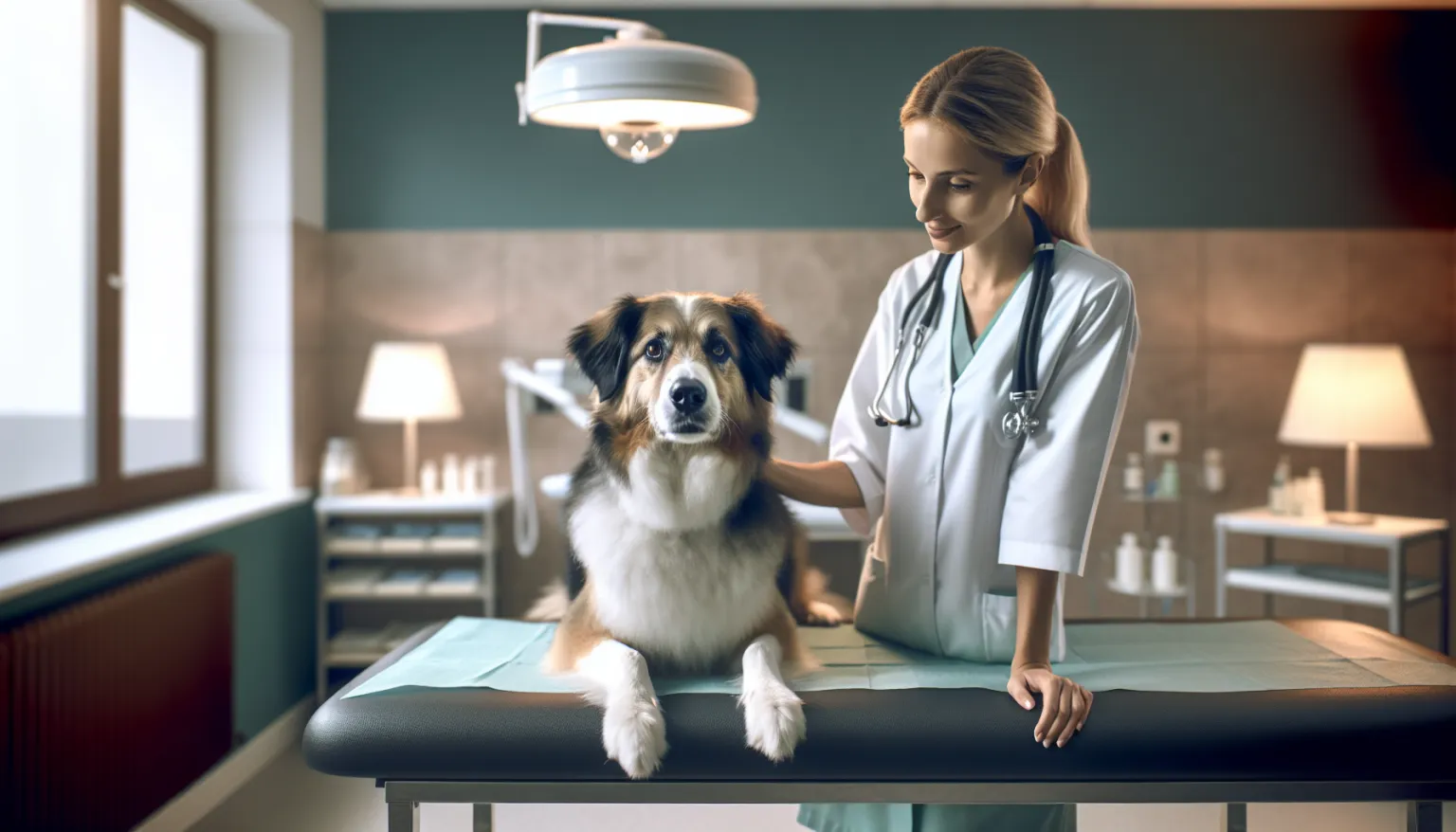
Your veterinarian diagnoses anal gland disease by palpating the sacs through the rectum. Normal contents are liquid to paste-like, tan or yellowish. Impacted glands contain thick, dry, brownish material. Infected glands may contain pus.
For dogs with chronic or recurring problems, a single expression is not enough. A broader workup should include:
- professional palpation to confirm the source (scooting alone does not equal anal glands)
- assessment of both sacs, since one side is often worse than the other
- a full allergy and dietary review to uncover the underlying driver
- culture of infected material when empiric antibiotics fail or resistance is suspected
Recurring impaction is often a symptom of a systemic issue, not a gland-specific problem.
Treatment: From Acute Fix to Long-Term Control
Acute impaction resolves with manual expression. Infection requires antibiotic infusion into the sac, systemic antibiotics, and warm compresses to reduce swelling. An abscess needs flushing and open wound management in addition to antibiotic therapy.
For dogs caught in chronic cycles, the management focus shifts to prevention:
- Weight loss is the single most modifiable risk factor. Obese dogs consistently experience more frequent impaction.
- Increasing dietary fiber produces bulkier stools that naturally press against the glands during defecation.
- Underlying allergic skin disease, if present, should be treated as a parallel condition.
- Home expression is possible but should be learned directly from a veterinary professional. Incorrect or overly frequent expression can damage the glands.
Surgical removal of the anal sacs (sacculectomy) is a last resort for dogs with intractable disease. It carries a risk of fecal incontinence and is reserved for cases that have exhausted conservative options.
12-Week Execution Plan for Durable Control
- Weeks 1-2 (baseline lock-in): Confirm the diagnosis, start a shared household log, and record daily markers including stool quality, scooting frequency, appetite, and activity tolerance.
- Weeks 3-4 (adherence audit): Check whether every caregiver follows the same protocol. Identify friction points — missed fiber supplements, inconsistent feeding — and fix the biggest one.
- Weeks 5-6 (response checkpoint): Compare current trends against baseline. If scooting or expression frequency has not improved, escalate rather than waiting.
- Weeks 7-8 (risk tightening): Define clear thresholds for same-day veterinary contact. Agree on what counts as urgent so no one is guessing during a flare.
- Weeks 9-10 (resilience build): Reinforce the exercise, weight management, and fiber routines your veterinarian has approved. Short-term fixes need to become permanent habits.
- Weeks 11-12 (handoff to maintenance): Document the long-term reassessment cadence, decide which weekly metrics to keep tracking, and schedule the next checkpoint.
The Drift Pattern That Causes Most Relapses
Families tend to react only when signs are severe, but anal gland disease outcomes improve most when you respond at the first sign of drift rather than waiting for full-blown impaction. Missing a narrow window for reassessment can turn a minor setback into a painful, expensive cycle.
The most common process failures:
- Inconsistent household execution. Each caregiver follows a different version of the plan, and tracking data becomes unreliable.
- Over-correcting too fast. Changing diet, fiber, and exercise simultaneously hides what actually helped.
- Skipping the weekly check-in. Teams that review one objective metric per week (expression interval, stool firmness, scooting frequency) catch relapses much earlier.
Durable control comes from reducing daily variance, not from finding one perfect treatment.
How Fiber and Weight Management Change the Equation
Dietary fiber increases stool bulk, which creates more mechanical pressure on the anal sacs during defecation. Canned pumpkin, psyllium husk, and high-fiber commercial diets are commonly recommended. Results vary by individual dog.
Weight management is the most evidence-supported dietary intervention. Dogs that reach and maintain a healthy body weight typically experience significantly fewer anal gland problems. If your dog is overweight and has recurring impaction, a structured weight-loss plan may do more than any other single intervention.
- Pumpkin for Dogs: GI Benefits and Dosing
- Weight Loss Feeding Protocol for Dogs
- Probiotics for Dogs: Strain-Specific Evidence and Use Cases
For evidence context and execution details, review:
- Canine Obesity and Lifespan Evidence
- Senior Dog Screening Protocol
- Elimination Diet Protocol for Dog Allergies
How Often Your Dog Needs Professional Monitoring
Monitoring frequency depends on whether this is a one-time event or a recurring pattern.
- After an acute episode: recheck 1-2 weeks post-treatment to confirm resolution
- Recurrent cases: monthly professional expression during high-frequency periods, paired with dietary and weight interventions
- Long-term: at minimum, an annual anal gland check during routine physical exam
Track the interval between needed expressions. If the gap is shrinking, the underlying driver is not controlled.
When to Seek Same-Day Veterinary Care
Go in immediately for rapidly progressing complications:
- visible perianal swelling that appears suddenly or is expanding rapidly
- fever combined with perianal pain and lethargy (possible abscess)
- a wound or opening near the anus with discharge (ruptured abscess)
- screaming or extreme pain during defecation
Related Condition Pathways
Anal gland disease frequently overlaps with conditions that share causes, complicate treatment, or accelerate recurrence:
- Obesity: excess body fat compresses the anal sacs and increases impaction frequency.
- Skin Allergies: allergic skin disease predisposes to anal gland inflammation and infection.
- Food Allergy: food allergy is an underappreciated driver of chronic anal gland disease in some dogs.
- Inflammatory Bowel Disease: altered stool consistency from IBD affects anal gland emptying mechanics.
Use these resources for context and informed decision-making; confirm all diagnostic and treatment decisions with your veterinarian.
Related Breed Longevity Guides
Small breeds and dogs with breed-specific anal sac anatomy are at highest risk:
- Cocker Spaniel Lifespan & Longevity Guide
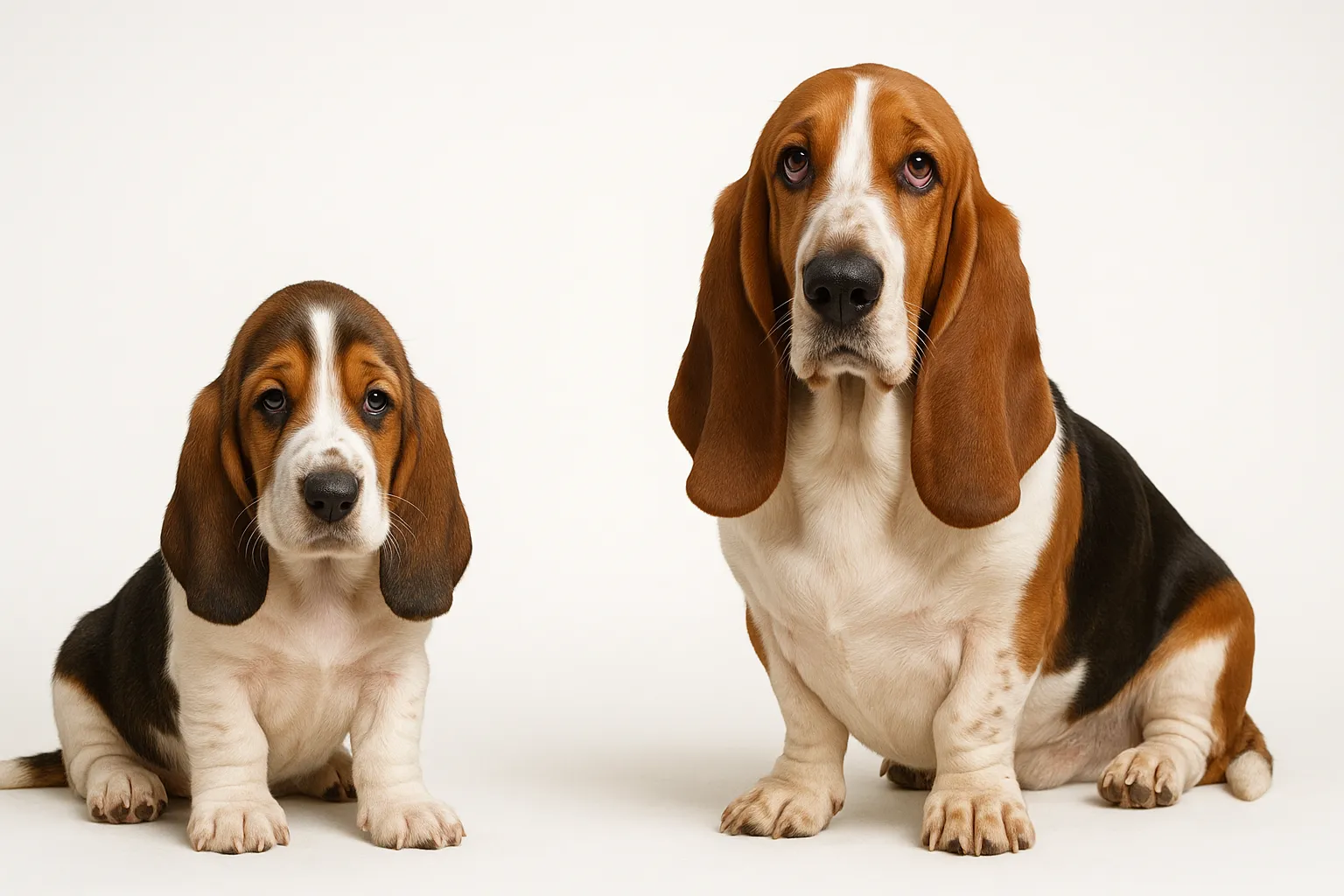
- Basset Hound Lifespan & Longevity Guide
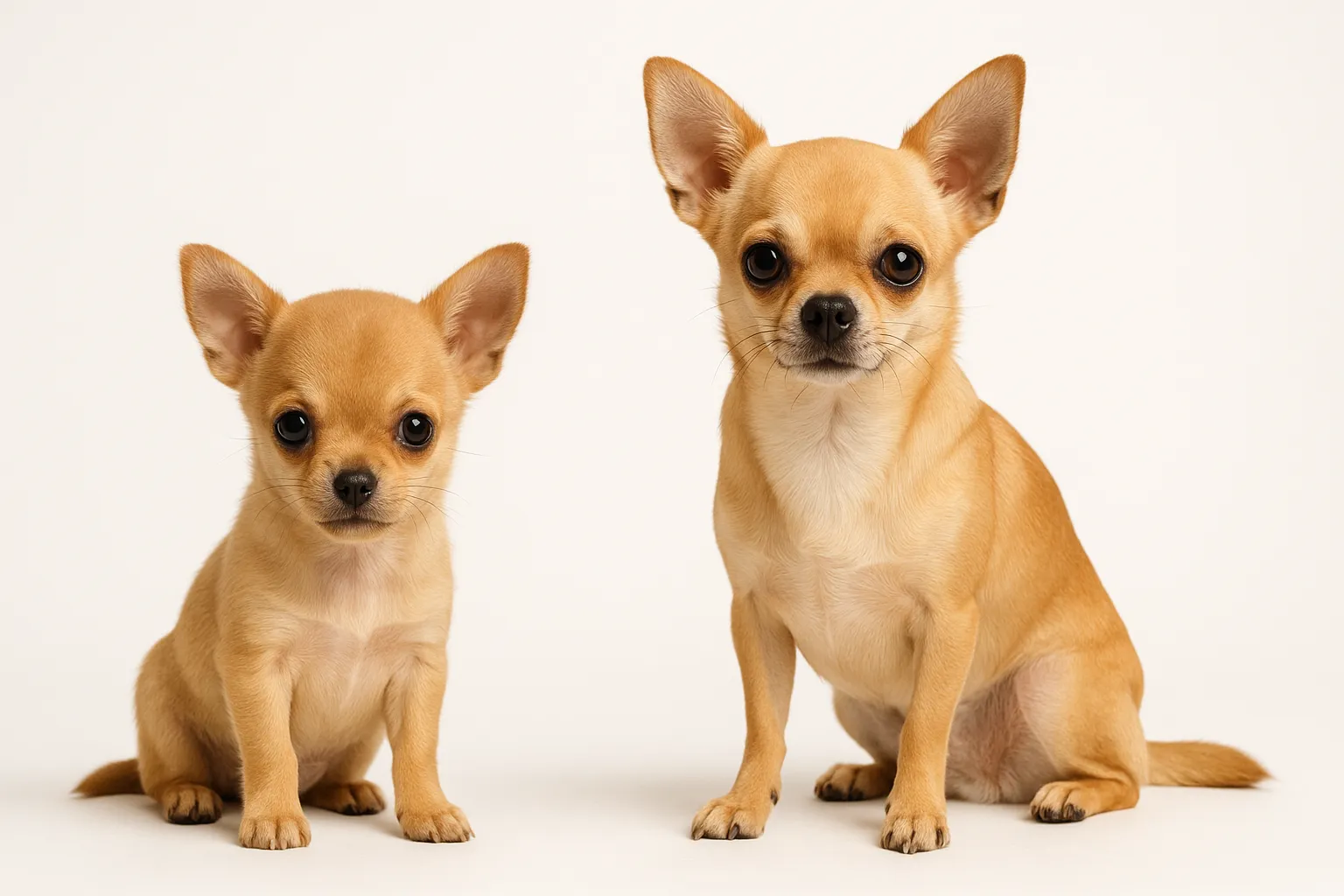
- Chihuahua Lifespan & Longevity Guide
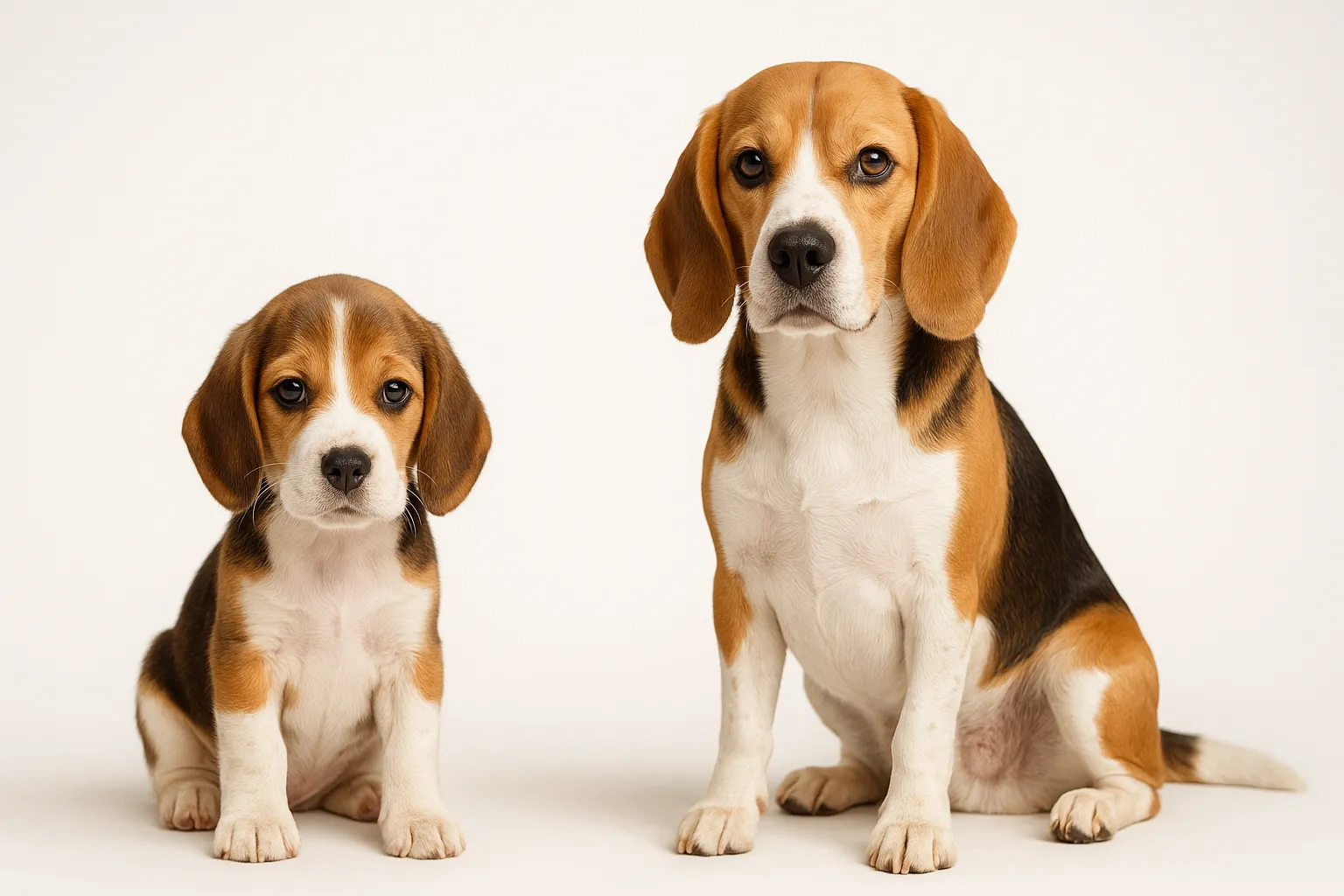
- Beagle Lifespan & Longevity Guide
Any dog with recurrent anal gland problems deserves a root-cause workup, not just repeated manual expression.
Additional Breeds at Elevated Risk
Frequently Asked Questions
Should I express my dog’s anal glands at home?
Only after learning proper technique from your veterinarian. Incorrect or overly frequent expression can damage the glands and worsen the problem. Most healthy dogs with functioning sacs do not need routine expression — only dogs with documented impaction benefit from a preventive schedule.
Can diet really help anal gland problems?
For many dogs, yes. Increased dietary fiber adds stool bulk that mechanically helps express the glands during defecation. Weight loss in obese dogs often dramatically reduces recurrence. Neither intervention works for every dog — anatomical issues may ultimately require surgical management.
Is anal sac removal (sacculectomy) safe?
In experienced hands, the procedure carries low complication rates. However, fecal incontinence is a known risk if the anal sphincter or its nerve supply is damaged. Sacculectomy is reserved for intractable disease that has not responded to conservative management.
Can anal gland abscess be prevented?
Treating impaction promptly before it progresses is the best prevention. Dogs with recurring impactions benefit from scheduled expression visits rather than waiting for visible pain.
Is scooting always a sign of anal gland problems?
No. Scooting can also result from tapeworms, allergic skin disease, perianal fistulas, or simple rectal irritation. A veterinary exam is needed to confirm the cause before assuming anal gland involvement.
Medical Disclaimer
This content is educational and does not replace veterinary diagnosis or treatment. Dogs with perianal swelling, pain, or a draining wound near the anus need prompt professional evaluation.
References
- Pappalardo E et al. Relationship between bacterial colonization of anal sacs and perianalitis in German Shepherd dogs. J Vet Intern Med. 2002.
- Hill’s Pet Nutrition. Anal Sac Disease in Dogs: Diagnosis and Management. hillspet.com.
- WSAVA global nutrition guidelines on dietary fiber. wsava.org.
- Merck Veterinary Manual: Anal Sac Disease. merckvetmanual.com.
- Vail DM, MacEwen EG. Canine anal sac adenocarcinoma. Vet Clin North Am. 1998.
Related reads
Related Reading
Continue exploring