Evidence deep dives for Anal Sac Impaction
Pair mechanism-level evidence with practical protocol context before discussing next steps with your veterinarian.
The Scoot That Tells You Something
Your dog drags their rear end across the carpet, the sidewalk, or your freshly cleaned rug. They turn around frequently to lick or bite at the area under their tail. There may be a faintly fishy smell that gets worse the closer you look. They seem restless, uncomfortable, and preoccupied with their hindquarters.
This is the classic presentation of anal sac impaction, one of the most common reasons small and medium breed dogs visit the veterinarian. While rarely dangerous, anal sac problems cause genuine discomfort and, if left unaddressed, can progress to infection (abscessation) that is both painful and messy.
Dogs have two small glands (anal sacs) located just inside the anus at approximately the 4 o’clock and 8 o’clock positions. Each sac is lined with sebaceous and apocrine glands that produce a pungent, oily secretion. In a healthy dog, this secretion is expressed naturally during defecation as the stool passes over the gland ducts, or during moments of fear or excitement (the origin of the phrase “scared witless,” in canine terms).
When the sacs fail to empty normally, the secretions thicken, the glands become distended, and the dog becomes uncomfortable. This is impaction. If bacteria invade the thickened material, infection develops. If infection progresses untreated, abscess formation and eventual rupture through the skin adjacent to the anus can occur.
Signs and Symptoms
Impaction (the Most Common Stage)
- Scooting (dragging the rear on the ground)
- Excessive licking or biting at the anal area or base of the tail
- Restlessness, difficulty getting comfortable when sitting
- A fishy or pungent odor from the rear
- Turning to look at or sniff the hindquarters frequently
- Straining to defecate (the full glands can cause discomfort during stool passage)
Infection (Sacculitis)
- Increased pain and sensitivity around the anal area
- Swelling adjacent to the anus (visible or palpable)
- Discolored or bloody anal discharge
- Increased licking, sometimes to the point of hair loss and skin irritation around the tail base
- Reluctance to sit
- Decreased appetite in some dogs
Abscess and Rupture
- Hot, red, swollen area adjacent to the anus
- Rupture produces a draining wound with bloody, foul-smelling discharge
- Significant pain
- Possible fever and lethargy
- The dog may cry out when the area is touched
The progression from impaction to abscess can occur over days to weeks. Many owners first notice a problem only when abscess rupture occurs, producing a visible wound and discharge that is impossible to miss.
Why Anal Sacs Become Impacted
Normal anal sac emptying depends on adequate stool consistency and sufficient pressure during defecation. When stools are too soft (lacking the firmness to press against the ducts), too small, or when the duct openings become narrowed, the sacs fail to drain.
Contributing factors:
- Soft or loose stools: Chronic soft stool from dietary sensitivity, colitis, or low-fiber diets reduces the mechanical pressure needed to express the glands
- Obesity: Excess weight changes the anatomy and pressure dynamics around the anus. See obesity
- Anatomical factors: Small breeds have proportionally smaller duct openings. Poor muscle tone around the anus reduces expression efficiency
- Allergies: Skin allergies, atopic dermatitis, and food allergy cause perianal inflammation that can narrow duct openings
- Chronic skin disease: Recurrent perianal inflammation from any cause
- Inactivity: Sedentary dogs may have reduced anal sphincter tone
- Previous infection: Scarring from past anal sac infections can narrow the ducts permanently
Which Breeds Are Most Affected
Small and medium breeds are disproportionately affected:
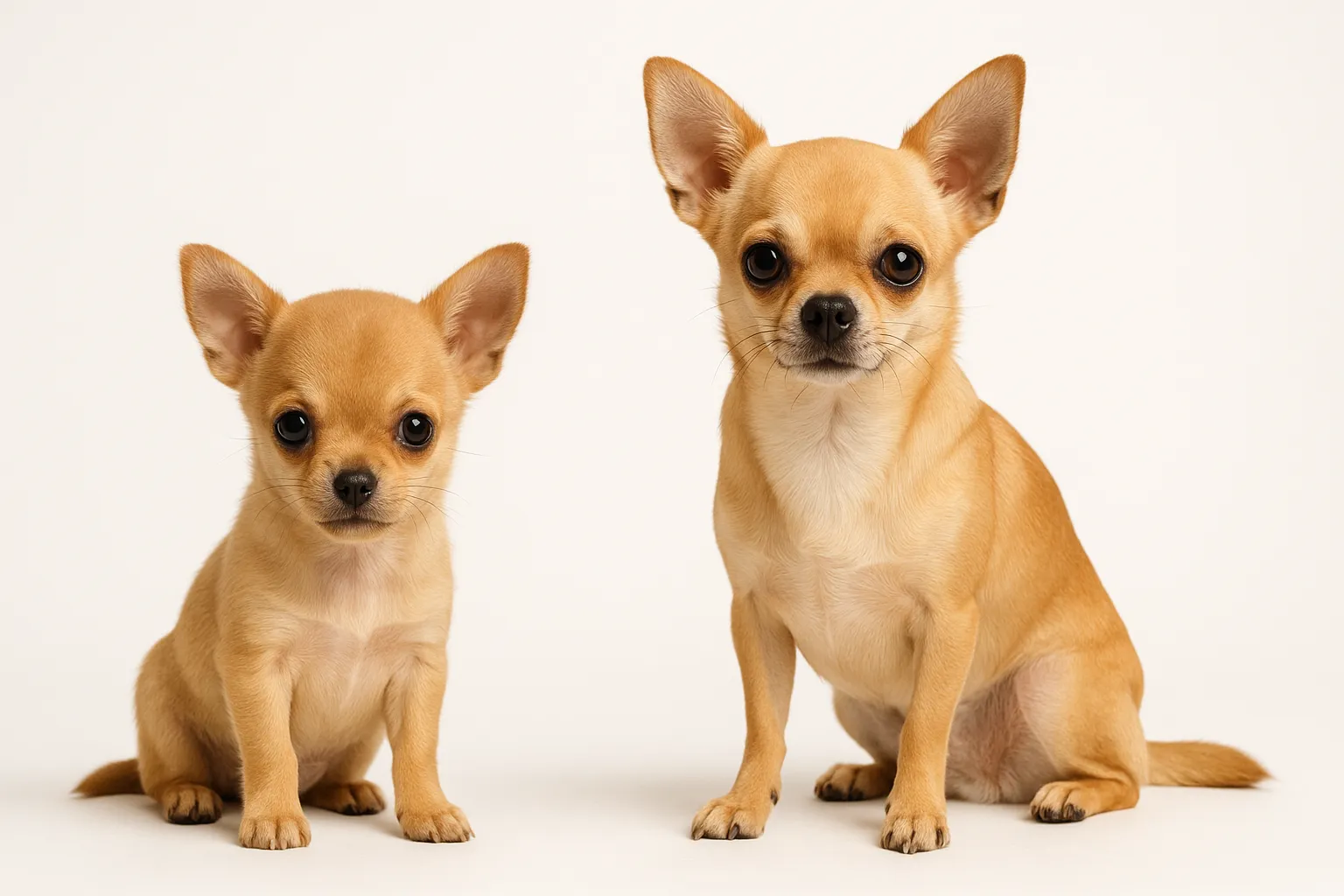
- Chihuahua — small body size, small duct openings
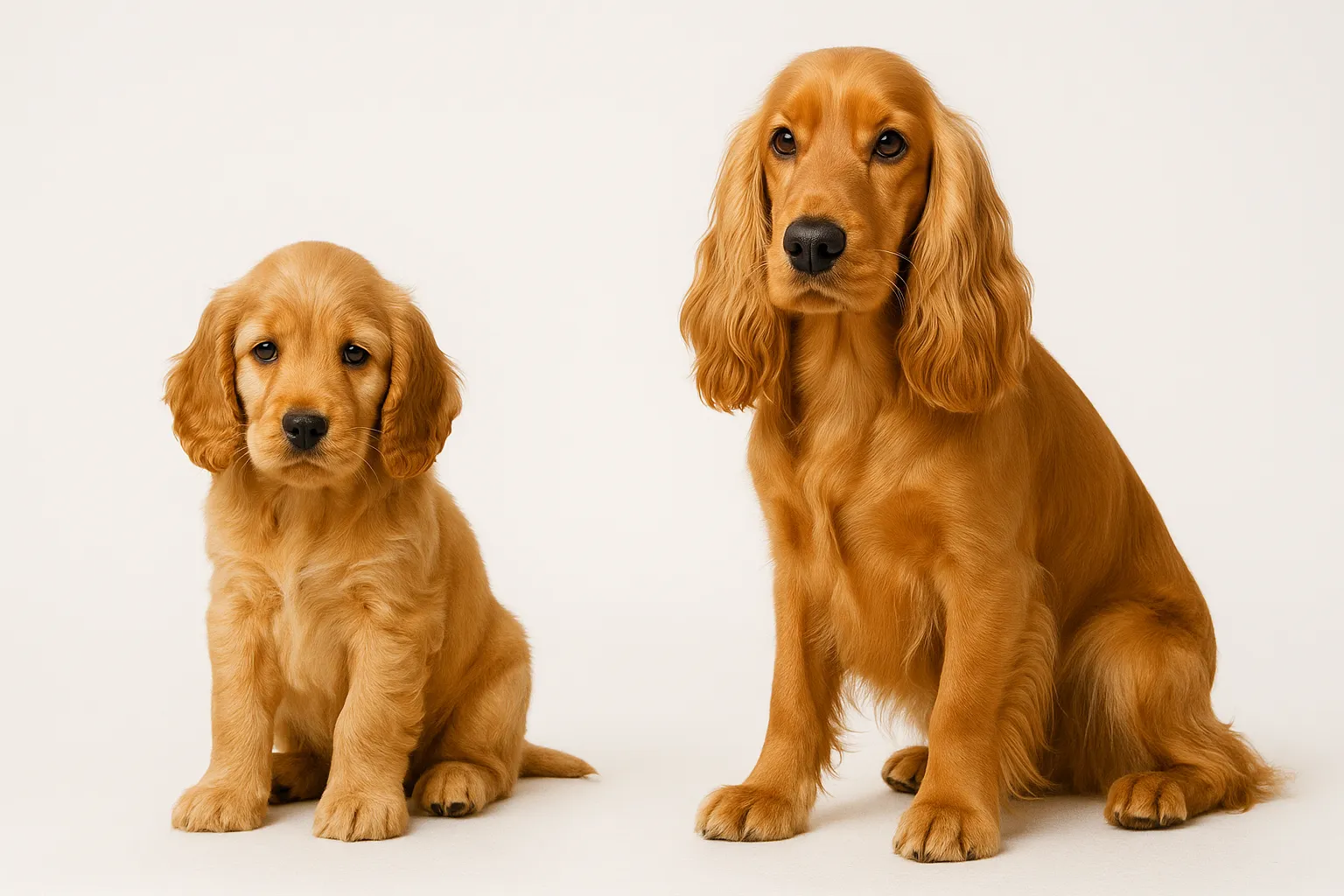
- Cocker Spaniel — high allergy prevalence contributes to perianal inflammation
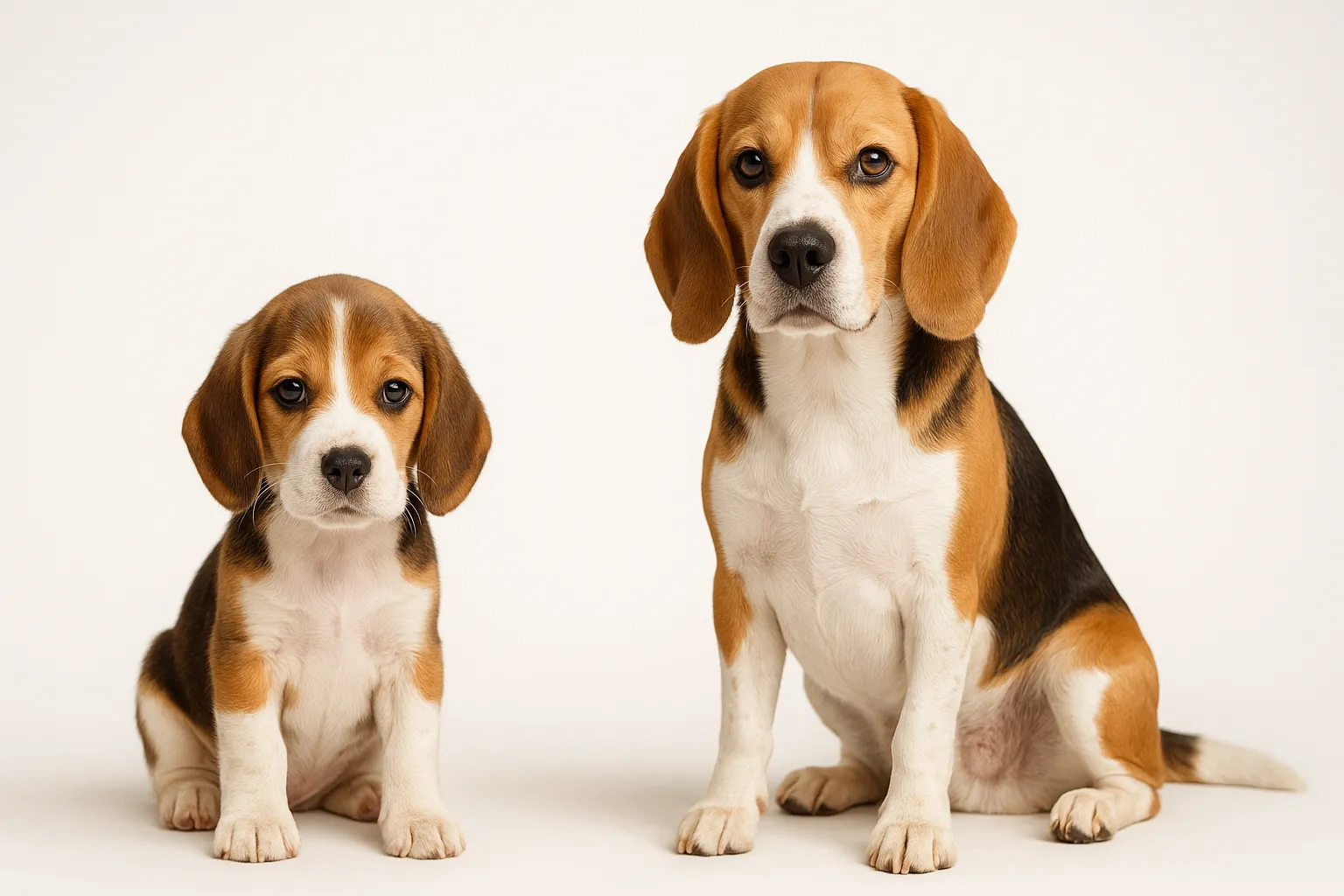
- Beagle — medium breed with documented predisposition
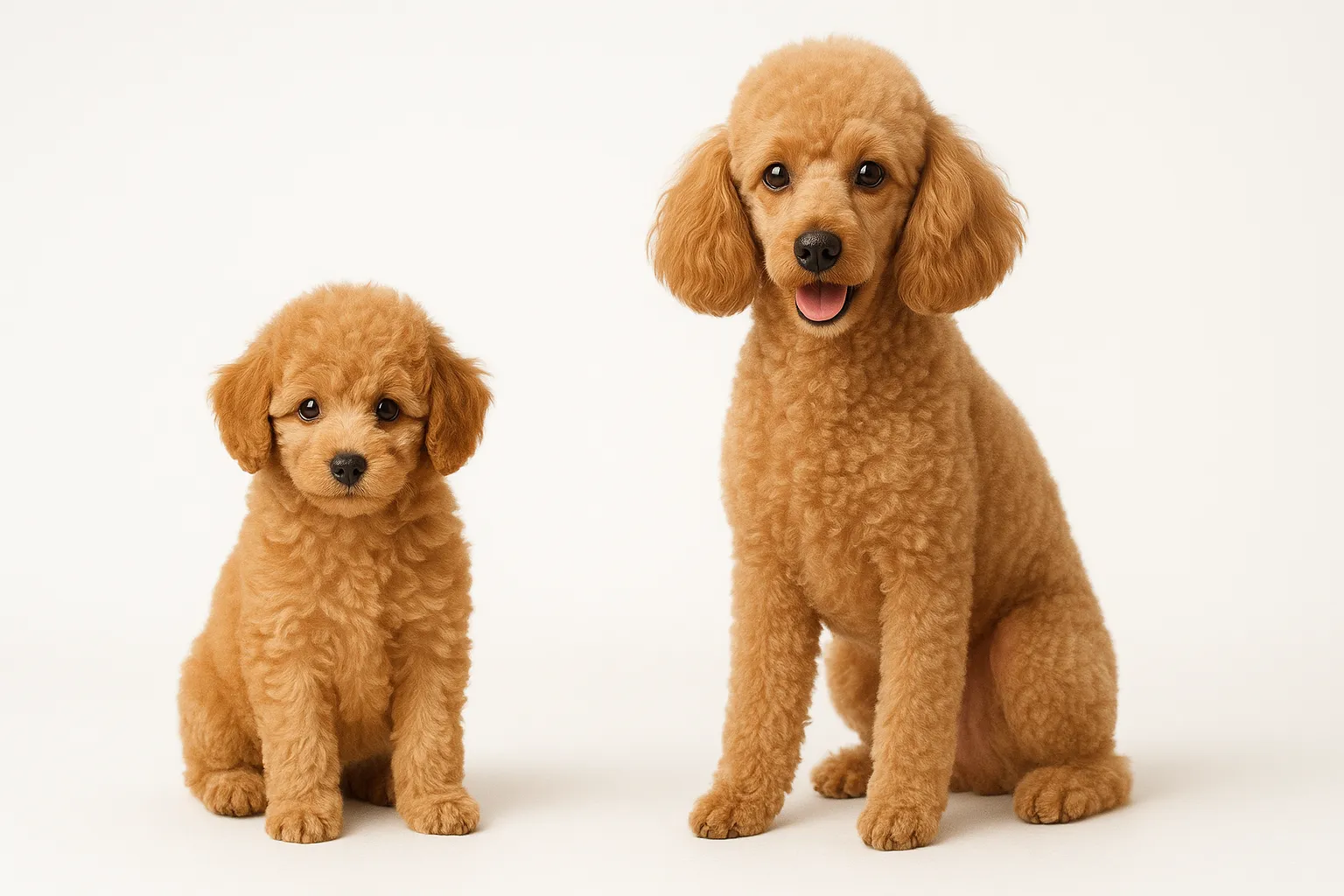
- Miniature Poodle — small breed predisposition
- Toy Poodle — toy breeds generally at higher risk
- Dachshund — small breed predisposition
- Shih Tzu — small breed with allergy predisposition
- Lhasa Apso — small breed predisposition
- Cavalier King Charles Spaniel — allergy predisposition contributes
Large and giant breeds rarely have anal sac problems. The reasons are partly anatomical (larger duct openings, greater mechanical force during defecation) and partly related to lower allergy prevalence in some large breeds.
Diagnosis
Diagnosis is straightforward through physical examination:
- Digital palpation: The veterinarian palpates the anal sacs externally and/or rectally to assess size, firmness, and pain. Impacted sacs feel full, firm, and enlarged. Normal sacs are soft and barely palpable after expression
- Expression: Manual expression of the sacs reveals the character of the contents. Normal secretion is thin, light brown, and mildly pungent. Impacted material is thick, pasty, dark, and intensely malodorous. Infected material may be greenish, bloody, or purulent
- Cytology: In recurrent or infected cases, microscopic examination of the expressed material can identify bacterial types, inflammatory cells, and occasionally abnormal cells suggesting anal sac adenocarcinoma (a malignant tumor that is uncommon but important to rule out in dogs with chronic, unresponsive anal sac problems)
Rule Out Anal Sac Adenocarcinoma
In older dogs with chronic anal sac enlargement, particularly if one gland remains firm or enlarges despite repeated expression, rectal examination and fine-needle aspiration should be performed to rule out anal sac adenocarcinoma. This malignant tumor can masquerade as chronic impaction and often produces elevated blood calcium levels (hypercalcemia).
Treatment
Manual Expression
The first-line treatment for uncomplicated impaction. The veterinarian (or trained technician) manually expresses the glands either externally or internally (rectally). Internal expression is more thorough and provides better assessment of gland contents.
Most impacted glands resolve with a single expression session. If the material is very thick or inspissated, the veterinarian may infuse a softening solution into the gland ducts before expression.
Infection Treatment
For sacculitis (infected but not yet abscessed):
- Expression with flushing and infusion of antibiotic/corticosteroid ointment directly into the gland
- Systemic antibiotics for 10-14 days
- Pain management (NSAIDs, warm compresses)
- Dietary fiber supplementation to promote firmer stool
- Follow-up examination in 1-2 weeks
Abscess Treatment
- Abscess drainage (lancing if not already ruptured)
- Thorough flushing of the gland and abscess cavity
- Systemic antibiotics (broad-spectrum, guided by culture and sensitivity in recurrent cases)
- Pain management
- Warm compresses to promote drainage
- Elizabethan collar to prevent licking
- Daily wound care until healing is complete
Surgical Removal (Anal Sacculectomy)
For dogs with chronically recurrent impaction or abscessation that does not respond to medical management, surgical removal of one or both anal sacs is curative. The procedure eliminates the source of the problem permanently.
Considerations:
- Success rate is high when performed by an experienced surgeon
- Potential complications include temporary fecal incontinence (usually resolves) and wound infection
- Draining fistula (persistent wound drainage) occurs in a small percentage of cases
- Most dogs recover fully within 2-3 weeks
Sacculectomy is also the treatment of choice for anal sac adenocarcinoma.
Prevention Strategies
For dogs prone to recurrent impaction, prevention focuses on promoting natural gland expression:
- Dietary fiber supplementation: Adding psyllium husk, canned plain pumpkin, or a high-fiber commercial diet promotes firmer, bulkier stools that provide better mechanical expression during defecation. Start with 1 teaspoon per 10 lbs body weight per meal
- Weight management: Maintaining a healthy body weight improves perianal anatomy and expression mechanics. See obesity
- Regular exercise: Activity promotes healthy bowel motility and muscle tone
- Allergy management: If allergies contribute to perianal inflammation, comprehensive allergy treatment reduces anal sac disease recurrence. See atopic dermatitis
- Scheduled veterinary expression: Dogs with chronic problems may benefit from routine expression every 4-8 weeks. This prevents impaction before it becomes symptomatic
- Probiotics: Supporting gut health can improve stool quality. See Probiotics for Dogs
Should you learn to express your dog’s anal glands at home?
Some owners learn external expression technique from their veterinarian or groomer. While this can be convenient for mild impaction, there are caveats: external expression is less thorough than internal (rectal) expression, improper technique can cause bruising or further impaction, and regular home expression may actually reduce the glands’ ability to empty naturally. Discuss the appropriateness of home expression with your veterinarian based on your dog’s specific situation.
Nutritional Support
Fiber is the primary nutritional intervention for anal sac health:
- Psyllium husk (unflavored): 1 teaspoon per 10 lbs body weight mixed into food. Promotes bulkier, firmer stool. Increase water availability when adding psyllium
- Canned plain pumpkin (not pie filling): Rich in soluble fiber. 1-4 tablespoons depending on dog size, mixed into food
- Omega-3 fatty acids: Anti-inflammatory properties may help reduce perianal inflammation in allergy-prone dogs. See Omega-3 Fatty Acids for Dogs
- Probiotics: Support healthy gut flora and stool quality. See Probiotics for Dogs
Related Condition Pathways
Related Breed Longevity Guides
When to Seek Veterinary Care
Routine evaluation is appropriate for:
- Occasional scooting without other signs
- Scheduled preventive expression for dogs with a history of impaction
- Mild fishy odor from the rear
Urgent evaluation is needed for:
- Visible swelling, redness, or heat adjacent to the anus
- Bloody or purulent discharge from the anal area
- Ruptured abscess (open, draining wound near the anus)
- Dog crying out or showing significant pain when sitting or defecating
- Chronic, unresponsive anal sac problems in an older dog (to rule out neoplasia)
- Inability to defecate
Frequently Asked Questions
Why does my dog scoot on the carpet? Scooting is usually caused by anal sac discomfort, most commonly impaction. Other causes include perianal irritation from allergies, parasites (tapeworm segments), perianal fistula, or skin infection. If scooting persists after anal sac expression, your veterinarian should evaluate for other causes.
How often should my dog’s anal glands be expressed? Dogs with normal anal sac function should never need manual expression; their glands empty naturally during defecation. Dogs with recurrent impaction may need expression every 4-8 weeks, though the goal should be to reduce this frequency through dietary fiber supplementation and allergy management. Over-expression can sometimes create dependency.
Can I prevent my dog from needing anal gland expression? In many cases, yes. Adding dietary fiber (psyllium or pumpkin) to promote firmer stool is the most effective preventive measure. Maintaining a healthy weight and managing allergies also help. Some dogs have anatomical or chronic inflammatory factors that make natural expression difficult regardless of dietary management.
Is the fishy smell from my dog’s rear end normal? A mild odor is normal, as anal sac secretions are naturally pungent. However, a strong, persistent fishy smell that you notice regularly suggests the glands are not emptying properly. If the odor is accompanied by scooting or licking, the glands likely need expression.
Are anal gland problems a sign of something more serious? Usually, no. Most anal sac issues are mechanical (impaction) and manageable. However, in older dogs, persistent unilateral (one-sided) anal sac enlargement that does not resolve with expression should be evaluated for anal sac adenocarcinoma. This is uncommon but important to catch early, as it is a malignant tumor that can metastasize.
Why do groomers express anal glands routinely? Many groomers perform external anal sac expression as part of routine grooming. This is generally unnecessary for dogs without anal sac problems and may actually cause irritation or create dependency. If your dog does not have a history of anal sac issues, discuss with your veterinarian whether routine grooming expression is appropriate.
Medical Disclaimer
This guide is informational and does not replace in-person veterinary diagnosis or treatment. Anal sac problems can progress from simple impaction to painful abscess if untreated. If your dog shows signs of an anal sac abscess (swelling, redness, discharge, or significant pain around the anus), seek veterinary care promptly. In older dogs with chronic anal sac problems, veterinary evaluation is important to rule out neoplasia.
References
[1] Halnan CRE. “The diagnosis of anal sacculitis in the dog.” J Small Anim Pract. 1976;17(8):527-535. [2] Lake AM, Scott DW, Miller WH, Erb HN. “Gross and cytological characteristics of normal canine anal-sac secretions.” J Vet Med A Physiol Pathol Clin Med. 2004;51(5):249-253. [3] James DJ, et al. “Canine anal sac adenocarcinoma.” In: Withrow SJ, Vail DM, Page RL, eds. Withrow and MacEwen’s Small Animal Clinical Oncology. 6th ed. Elsevier; 2020. [4] Hill LN, Smeak DD. “Open versus closed bilateral anal sacculectomy for treatment of non-neoplastic anal sac disease in dogs: 95 cases (1969-1994).” J Am Vet Med Assoc. 2002;221(5):662-665. [5] Williams LE, et al. “Carcinoma of the apocrine glands of the anal sac in dogs: 113 cases (1985-1995).” J Am Vet Med Assoc. 2003;223(6):825-831.
Related reads
Related Reading
Continue exploring