Evidence deep dives for Biliary Mucocele
Pair mechanism-level evidence with practical protocol context before discussing next steps with your veterinarian.
A Gallbladder Slowly Filling with Thick Mucus
A biliary mucocele is not a stone. It is something arguably worse: a progressive accumulation of thick, inspissated mucus inside the gallbladder that the body cannot clear on its own. On ultrasound, the characteristic “kiwi fruit” or stellate pattern — radiating bands of thickened material inside a distended gallbladder — is almost unmistakable.
The problem develops when the gallbladder wall overproduces mucin while the organ’s ability to contract and empty declines. The mucus accumulates, gradually filling and stretching the gallbladder. As pressure builds, it can obstruct bile flow, cut off blood supply to the gallbladder wall through pressure ischemia, and ultimately rupture. Gallbladder rupture causes bile peritonitis — a life-threatening emergency.
Certain breeds and metabolic conditions drive risk. Dogs with hyperadrenocorticism (Cushing’s disease), hypothyroidism, and hyperlipidemia develop mucoceles at higher rates, likely because these conditions alter bile composition, impair gallbladder motility, and change hormonal signals that regulate mucin secretion.
Veterinarians now diagnose biliary mucocele more frequently, largely because abdominal ultrasound has become routine in canine wellness and sick-visit workups. Many dogs get caught before rupture — and those early diagnoses carry far better outcomes.
The Narrow and Unpredictable Window Before Rupture
From a longevity standpoint, biliary mucocele is serious because the timeline from diagnosis to life-threatening rupture can be narrow and unpredictable. Some dogs have stable mucoceles on serial ultrasound for months. Others show rapid enlargement and wall necrosis within weeks.
Untreated or poorly monitored mucoceles carry real risk of gallbladder rupture, which triggers bacterial peritonitis with a reported mortality rate of 20-40% even with aggressive surgical treatment. Elective surgery (cholecystectomy) in a stable, well-prepared patient achieves a survival rate of 85-95% at referral centers. The contrast between planned and emergency outcomes is stark.
Dogs with biliary mucocele often have concurrent endocrine or metabolic diseases that independently affect longevity. Managing those conditions is not separate from mucocele care — it is part of it.
Signs That Should Raise Suspicion
Biliary mucocele can be clinically silent early on. When signs appear, they are often nonspecific enough to be attributed to something else:
- vomiting that starts intermittently and mild, then worsens as the mucocele enlarges
- lethargy or reduced activity without an obvious cause
- reduced appetite or complete food refusal
- abdominal discomfort, especially in the upper right abdomen where the gallbladder sits
- jaundice (yellowing of the whites of the eyes, gums, or skin), indicating bile flow obstruction
- increased thirst and urination if concurrent Cushing’s disease is present
- pale, gray, or orange-tinged stools from reduced bile reaching the intestine
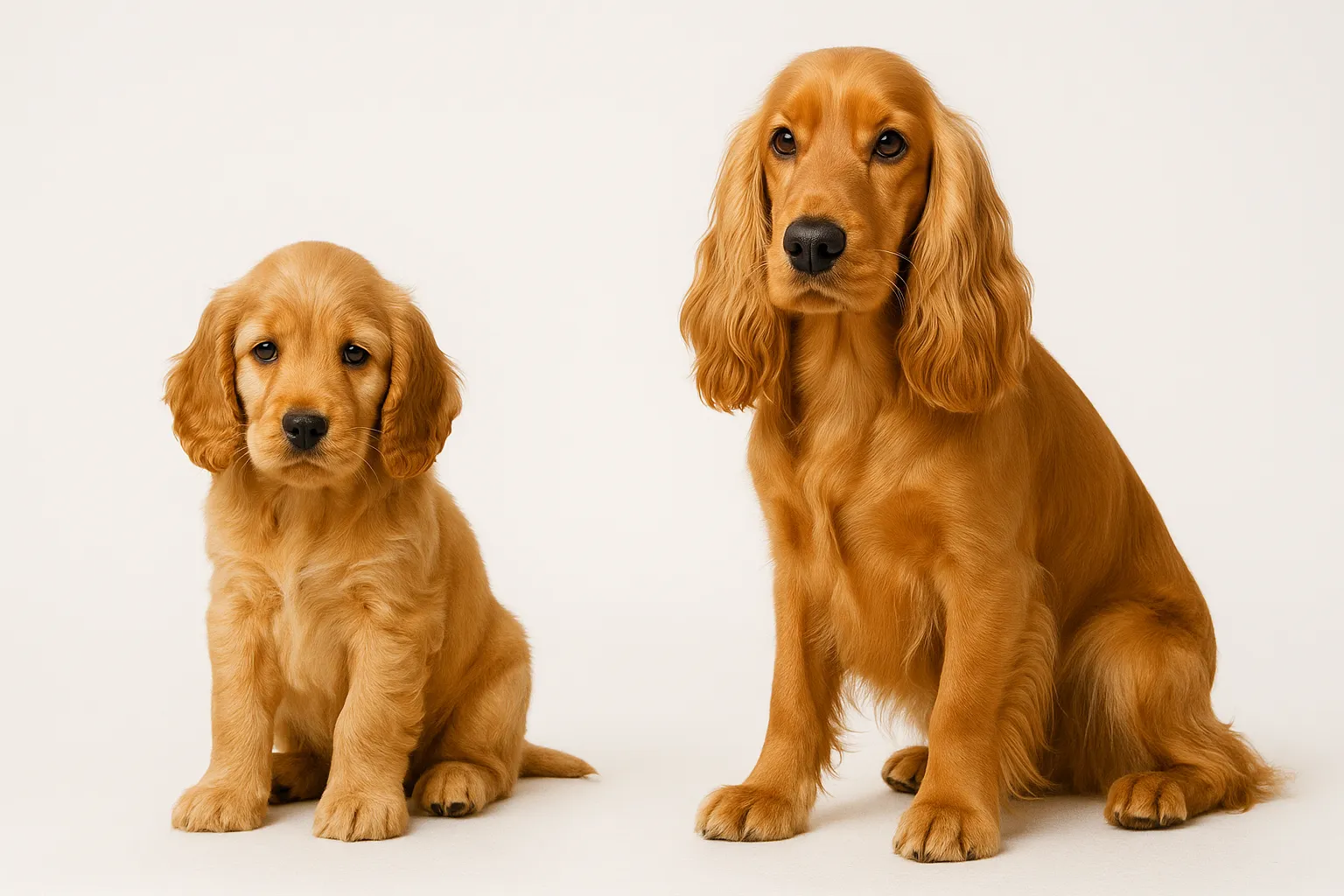
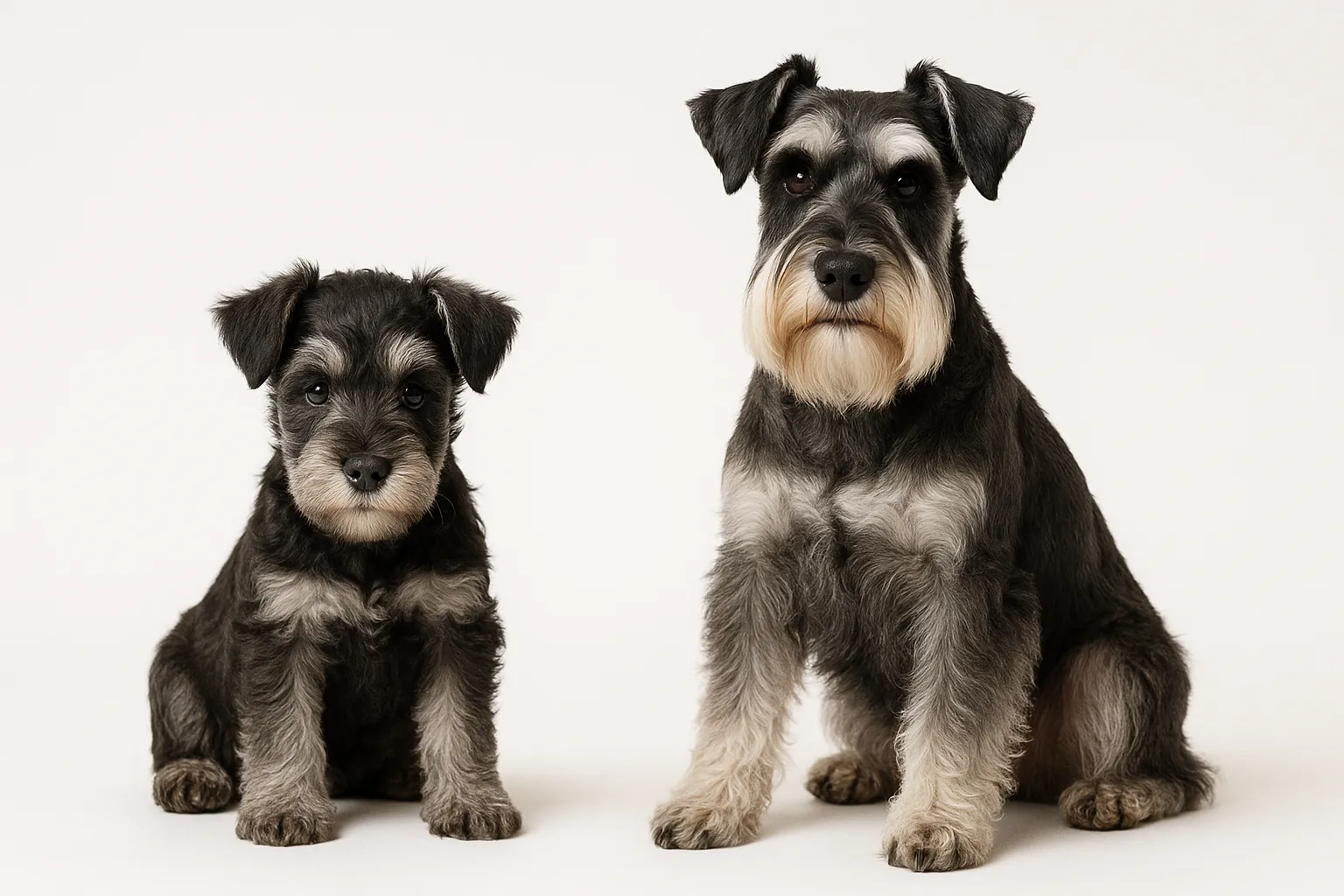
If your middle-aged Shetland Sheepdog, Miniature Schnauzer, or Cocker Spaniel develops jaundice alongside elevated liver enzymes, biliary mucocele should be high on the differential. Request urgent abdominal ultrasound.
How the Diagnosis Is Made
Abdominal ultrasound is the primary tool and is highly sensitive. The hallmark finding is a distended gallbladder containing hyperechoic, non-dependent, stellate-patterned material that does not shift when the dog is repositioned. This distinguishes mucocele from simple biliary sludge, which moves freely.
Bloodwork is essential. Common findings include elevated liver enzymes (ALT, ALP, GGT), elevated bilirubin, and sometimes mild neutrophilia. Coagulation testing (PT/PTT) is critical before surgical planning, because chronic bile flow impairment can cause clotting problems.
Endocrine screening rounds out the picture. Cortisol testing (urine cortisol:creatinine ratio or low-dose dexamethasone suppression test) evaluates for concurrent Cushing’s disease, which affects both prognosis and anesthetic planning.
Full diagnostic workup:
- abdominal ultrasound: gallbladder size, wall thickness, stellate pattern, wall integrity, hepatic changes
- comprehensive chemistry panel: ALT, ALP, GGT, bilirubin, albumin, BUN, creatinine, glucose, cholesterol, triglycerides
- complete blood count: neutrophilia, anemia, or thrombocytopenia indicate systemic burden
- coagulation profile before any surgical intervention: PT, PTT, platelet count
- cortisol screening for hyperadrenocorticism
- thoracic radiographs and cardiac evaluation before anesthesia in older or higher-risk patients
Surgery vs. Monitoring: A High-Stakes Decision
Cholecystectomy (surgical removal of the gallbladder) is the definitive treatment. It is recommended for dogs with stellate mucoceles, wall changes suggesting necrosis, biliary obstruction, or clinical symptoms. Elective surgery in a stable patient carries a survival rate of 85-95% at experienced centers. Emergency surgery in a dog with ruptured gallbladder and peritonitis carries significantly higher mortality.
The harder decision involves the asymptomatic dog with an incidentally discovered early mucocele. Factors favoring early surgery include:
- breed predisposition (Shetland Sheepdog, Miniature Schnauzer)
- progressive enlargement on serial ultrasound
- any gallbladder wall changes
- concurrent Cushing’s disease or untreated hyperlipidemia
Medical management alone has not been shown to reliably reverse mucocele formation.
Supportive medical therapy includes ursodiol (ursodeoxycholic acid) at 10-15 mg/kg daily to improve bile flow and reduce viscosity, though evidence for reversing established mucoceles is weak. SAMe and milk thistle (silymarin) are commonly used as hepatoprotectants alongside primary treatment.
Key management principles:
- consult with a veterinary surgeon promptly — do not delay if wall changes or clinical signs are present
- manage concurrent Cushing’s or hypothyroidism, which reduces recurrence risk and improves surgical outcomes
- implement a low-fat diet in dogs with hyperlipidemia
- administer ursodiol post-operatively to support biliary health
- recheck abdominal ultrasound 4-6 weeks post-operatively to confirm healing
12-Week Post-Diagnosis Monitoring Plan
- Weeks 1-2 (baseline lock-in): Confirm the diagnosis, start a shared household log, and track daily markers including appetite, energy, stool color, and abdominal comfort.
- Weeks 3-4 (adherence audit): Verify medication compliance and dietary adherence across all caregivers. Identify the biggest gap and close it.
- Weeks 5-6 (response checkpoint): Compare current trends against baseline. If appetite is declining, energy is dropping, or stool color is changing, escalate rather than waiting for the scheduled recheck.
- Weeks 7-8 (risk tightening): Define clear emergency thresholds. Every caregiver should know that sudden abdominal pain, rapid jaundice progression, or collapse means go to the ER now.
- Weeks 9-10 (resilience build): Reinforce the dietary, medication, and monitoring routines your veterinarian has cleared. Build habits that will hold.
- Weeks 11-12 (handoff to maintenance): Document the long-term surveillance cadence, confirm which metrics to track, and schedule the next ultrasound.
Catching Drift Before It Becomes Crisis
Most families react to dramatic events — collapse, visible jaundice, persistent vomiting. But biliary mucocele outcomes improve when response starts at the first measurable change.
Common process failures:
- Inconsistent household execution. Different caregivers give different foods or miss medication doses, making trends unreadable.
- Over-correcting simultaneously. Changing diet, supplements, and endocrine medications all at once obscures what is actually helping.
- Waiting too long between ultrasounds. Teams that schedule serial imaging at consistent intervals catch wall changes and enlargement before clinical signs appear.
Nutrition and Liver Support
Diet plays an important supporting role, particularly when concurrent hyperlipidemia is present. Low-fat diets (less than 10% fat on a dry-matter basis) reduce lipid burden on the biliary system. Fat restriction alone does not resolve a mucocele, but it addresses a contributing risk factor.
Hepatoprotectant supplements including SAMe and milk thistle have good safety profiles and reasonable evidence for hepatocyte support, though their specific impact on mucocele progression has not been studied in controlled trials.
- Milk Thistle for Dogs: Evidence and Dosing
- SAMe for Dogs: Liver Support Evidence
- Omega-3 Fish Oil for Dogs may help modulate lipid metabolism in dogs with concurrent hyperlipidemia
For evidence context and execution details, review:
- Senior Dog Screening Protocol
- Annual Wellness Testing Protocol for Dogs
- Longevity Bloodwork Interpretation for Dogs
Structured Surveillance After Diagnosis
Dogs with biliary mucocele need monitoring that follows a schedule, not one that waits for symptoms:
- abdominal ultrasound every 4-8 weeks in medically managed dogs to detect enlargement or wall changes
- hepatic enzyme panel every 4-8 weeks to track biliary disease burden
- post-operative ultrasound at 4-6 weeks after cholecystectomy to confirm bile duct patency
- annual abdominal ultrasound in at-risk breeds (Shetland Sheepdog, Miniature Schnauzer) over age 6 as part of wellness screening
- weight and body condition monitoring, particularly in dogs with concurrent Cushing’s disease or hypothyroidism
Post-cholecystectomy dogs generally do well. Bile is produced continuously by the liver and drains directly into the small intestine without a gallbladder. Most dogs adapt without any clinical issues.
When to Seek Emergency Care
These signs demand immediate veterinary evaluation:
- sudden-onset severe abdominal pain, collapse, or shock in a dog with known mucocele (suggests gallbladder rupture)
- rapid progression of jaundice over 24-48 hours
- persistent, uncontrolled vomiting
- complete food refusal lasting more than 24 hours combined with lethargy and abdominal discomfort
- acute abdominal distension (suggests peritoneal fluid accumulation)
Related Condition Pathways
Biliary mucocele frequently coexists with conditions that complicate diagnosis and treatment:
- Liver Disease: biliary mucocele and hepatic parenchymal disease share risk factors and often occur together.
- Pancreatitis: the biliary system and pancreatic duct share anatomy; concurrent disease compounds treatment complexity.
- Obesity: hyperlipidemia associated with obesity increases biliary lipid content and mucocele risk.
Use these resources for context and informed decision-making; confirm all diagnostic and treatment decisions with your veterinarian.
Related Breed Longevity Guides
Certain breeds show markedly elevated mucocele prevalence:
Shetland Sheepdogs have the highest documented prevalence in published case series. Routine senior screening ultrasound is particularly justified in this breed given the silent early disease course.
Frequently Asked Questions
Can a biliary mucocele resolve without surgery?
Spontaneous resolution of a formed mucocele is not well documented. Medical management with ursodiol and dietary changes may slow progression in some cases, but stellate mucoceles with wall changes generally do not resolve without cholecystectomy. Surgery is recommended for all symptomatic dogs and strongly considered in asymptomatic dogs with high-risk features.
What happens if the gallbladder ruptures?
Bile peritonitis — infection and chemical inflammation of the abdominal cavity from leaked bile. This is a surgical emergency with mortality rates of 20-40% even with aggressive intervention. Emergency cholecystectomy with abdominal lavage offers the best chance of survival. Dogs that survive require prolonged hospitalization and intensive post-operative care.
How is biliary mucocele related to Cushing’s disease?
Hyperadrenocorticism is one of the strongest risk factors. Cortisol excess impairs gallbladder motility, alters bile composition, and promotes hyperlipidemia — all of which contribute to mucocele formation. Dogs with Cushing’s disease should be screened for mucocele via abdominal ultrasound. Dogs diagnosed with mucocele should be evaluated for underlying Cushing’s.
Can dogs live normally without a gallbladder?
Yes. Bile drains continuously from the liver into the small intestine through the bile duct. Most dogs adapt to cholecystectomy without dietary changes or long-term complications. Some experience mild digestive adjustments in the first weeks after surgery, but quality of life is generally excellent.
How quickly can a biliary mucocele progress to rupture?
Timelines are unpredictable. Some dogs show stable mucoceles on serial ultrasound for months; others develop rapid enlargement and wall necrosis within weeks. Gallbladder wall necrosis can develop suddenly, and rupture may occur without clinical warning. This unpredictability is one of the strongest arguments for elective surgery over indefinite monitoring in high-risk cases.
Medical Disclaimer
This content is for educational purposes only and does not constitute veterinary medical advice. Biliary mucocele is a potentially life-threatening condition requiring professional veterinary diagnosis and management. Decisions about medical versus surgical management should be made with a veterinarian or veterinary internal medicine specialist based on your dog’s specific clinical findings.
References
- Aguirre AL, Center SA, Randolph JF, et al. Gallbladder disease in Shetland Sheepdogs: 38 cases (1995-2005). J Am Vet Med Assoc. 2007;231(1):79-88.
- Pike FS, Berg J, King NW, et al. Gallbladder mucocele in dogs: 30 cases (2000-2002). J Am Vet Med Assoc. 2004;224(10):1615-1622.
- Malek S, Sinclair E, Hosgood G, et al. Clinical findings and prognostic factors for dogs undergoing cholecystectomy for gallbladder mucocele. Vet Surg. 2013;42(4):418-426.
- Mesich ML, Mayhew PD, Paek M, et al. Gall bladder mucoceles and their association with endocrinopathies in dogs: a retrospective case-control study. J Small Anim Pract. 2009;50(12):630-635.
- Parkanzky M, Rissi DR. Pathology of the gallbladder in dogs: a retrospective study of 233 cases. Vet Pathol. 2020;57(4):537-545.
Related reads
Related Reading
Continue exploring