Evidence deep dives for Canine Parvovirus (Immune Response)
Pair mechanism-level evidence with practical protocol context before discussing next steps with your veterinarian.
What Canine Parvovirus (Immune Response) Means for Your Dog
Canine Parvovirus (Immune Response) transforms a normal day into a medical emergency. The owners who navigate it successfully are the ones who recognized the signs and moved immediately. If you suspect this condition, contact your veterinarian or emergency clinic immediately.
Immune conditions require accurate diagnosis because treatment depends on whether the immune system needs boosting (immunodeficiency) or suppressing (autoimmune disease). Getting this distinction wrong worsens the condition.
Impact on Longevity
Canine Parvovirus (Immune Response) can significantly affect lifespan without appropriate treatment. Dogs diagnosed and treated early consistently have better outcomes than those where intervention is delayed. The difference between “caught early” and “caught late” often translates to months or years of quality life.
Signs to Watch For
Dogs mask discomfort instinctively. Watch for changes in appetite, energy level, or daily habits. Physical changes, behavioral shifts, or progressive worsening despite home care warrant veterinary evaluation. By the time signs are obvious, the condition has typically been developing for weeks.
Diagnosis and Treatment
Your veterinarian will perform a physical examination and may recommend bloodwork, imaging, or specialist referral depending on the suspected condition. Treatment plans are tailored to your dog’s specific situation, balancing effectiveness with quality of life.
Prevention
For emergency conditions, knowing the signs and having an emergency plan saves lives. Keep your emergency vet’s number accessible. Weight management reduces the severity of nearly every chronic condition. The Purina Lifetime Study proved lean dogs live 1.8 years longer.
Take the longevity quiz to get a personalized protocol for your dog.
Why This Condition Deserves Attention
Canine Parvovirus (Immune Response) is a true veterinary emergency where every hour of delay compounds damage and reduces survival odds. Early veterinary evaluation consistently produces better outcomes than delayed intervention. The cost of diagnostic workup is almost always lower than the cost of treating complications from delayed diagnosis.
The Anatomy and Systems Involved
Understanding what Canine Parvovirus (Immune Response) affects helps owners recognize early signs and partner meaningfully with their veterinary team. This condition involves the body systems affected by this condition. Changes in these systems often produce indirect signs that are easy to dismiss as normal aging or minor issues — until the underlying problem becomes harder to reverse.
How It Typically Develops
Most cases of Canine Parvovirus (Immune Response) develop gradually rather than appearing overnight. Genetic predisposition interacts with lifestyle, diet, and environmental factors to determine when and how severely a dog is affected. Two dogs of the same breed can have very different experiences of the same diagnosis based on weight, activity level, and how early intervention begins.
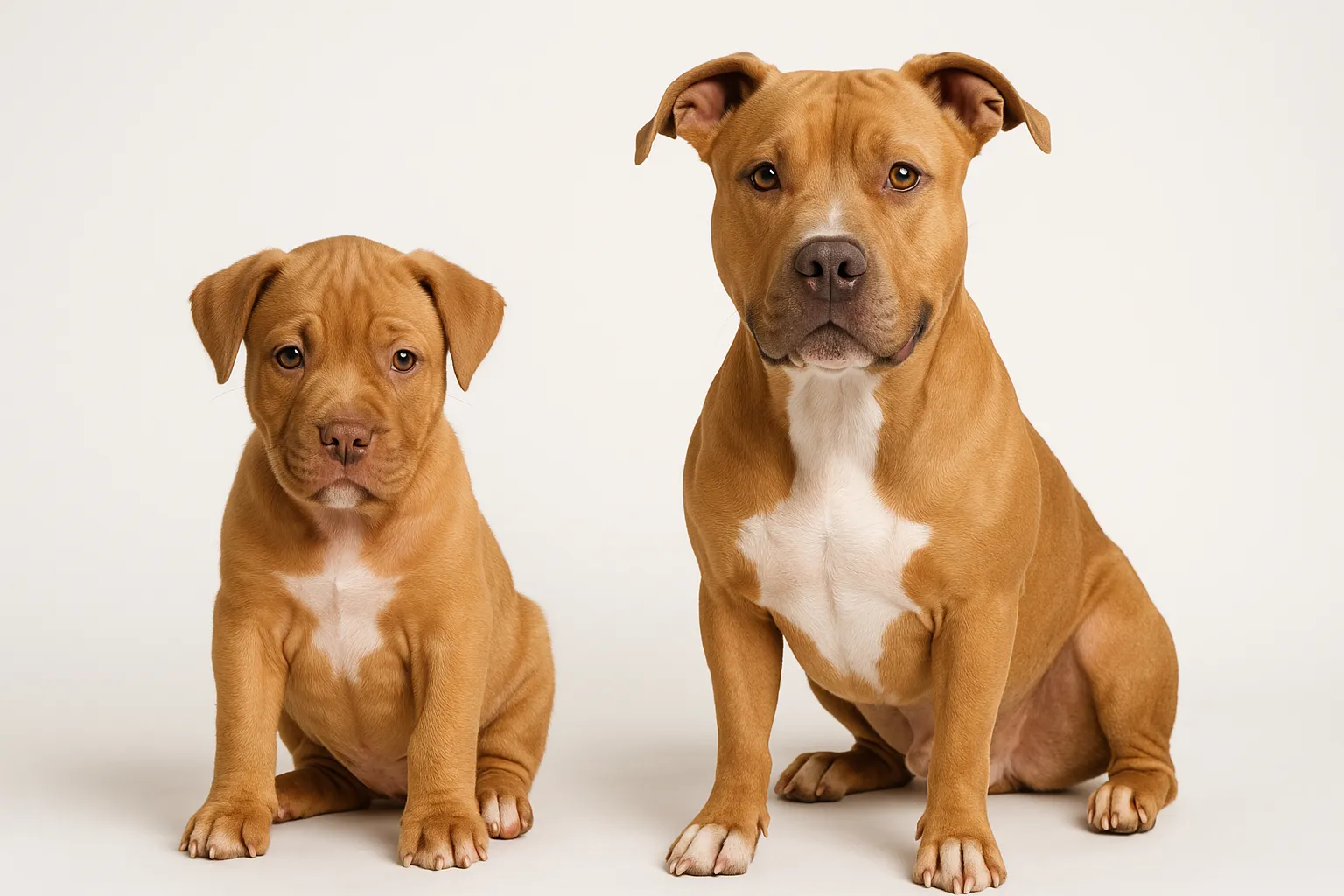
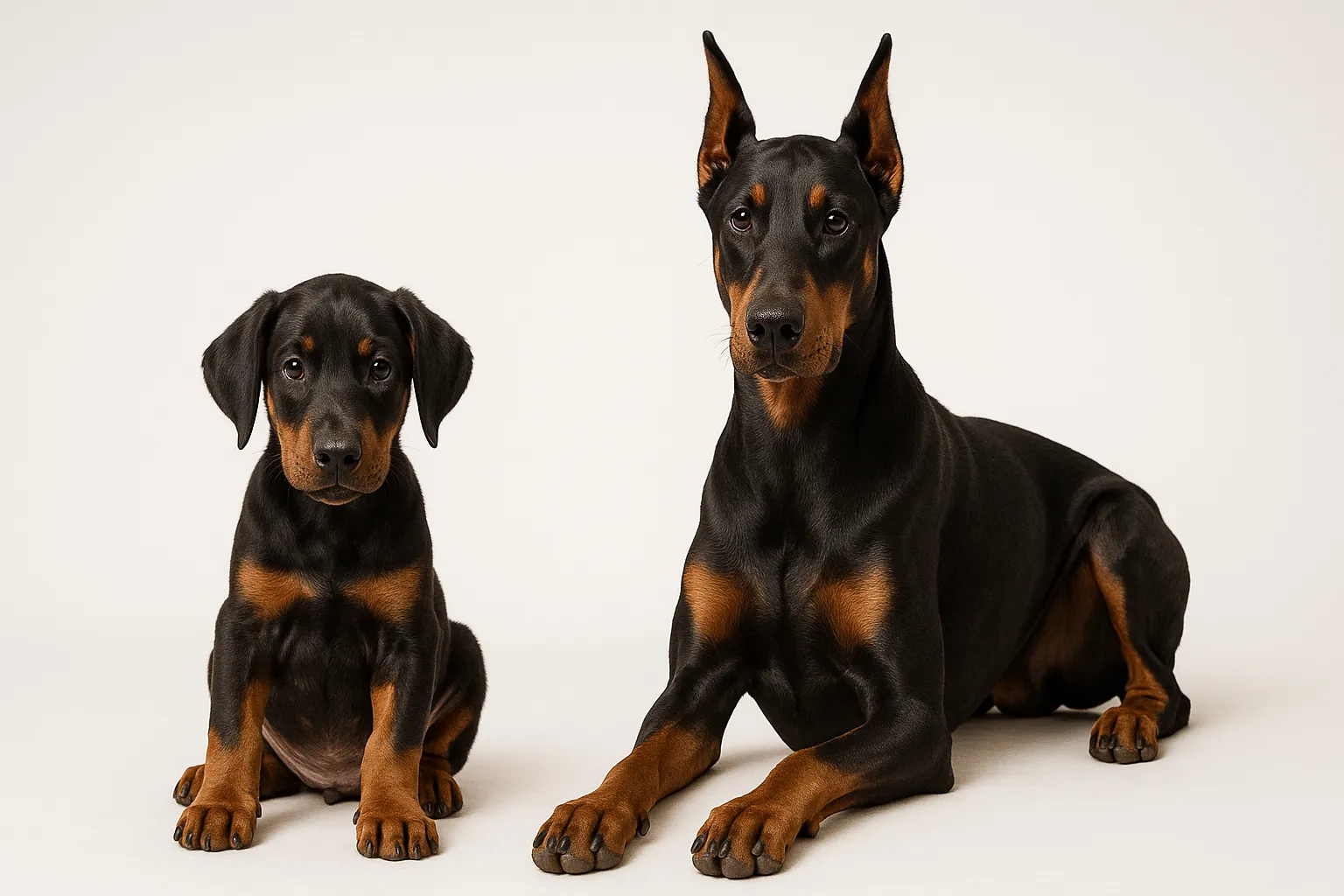
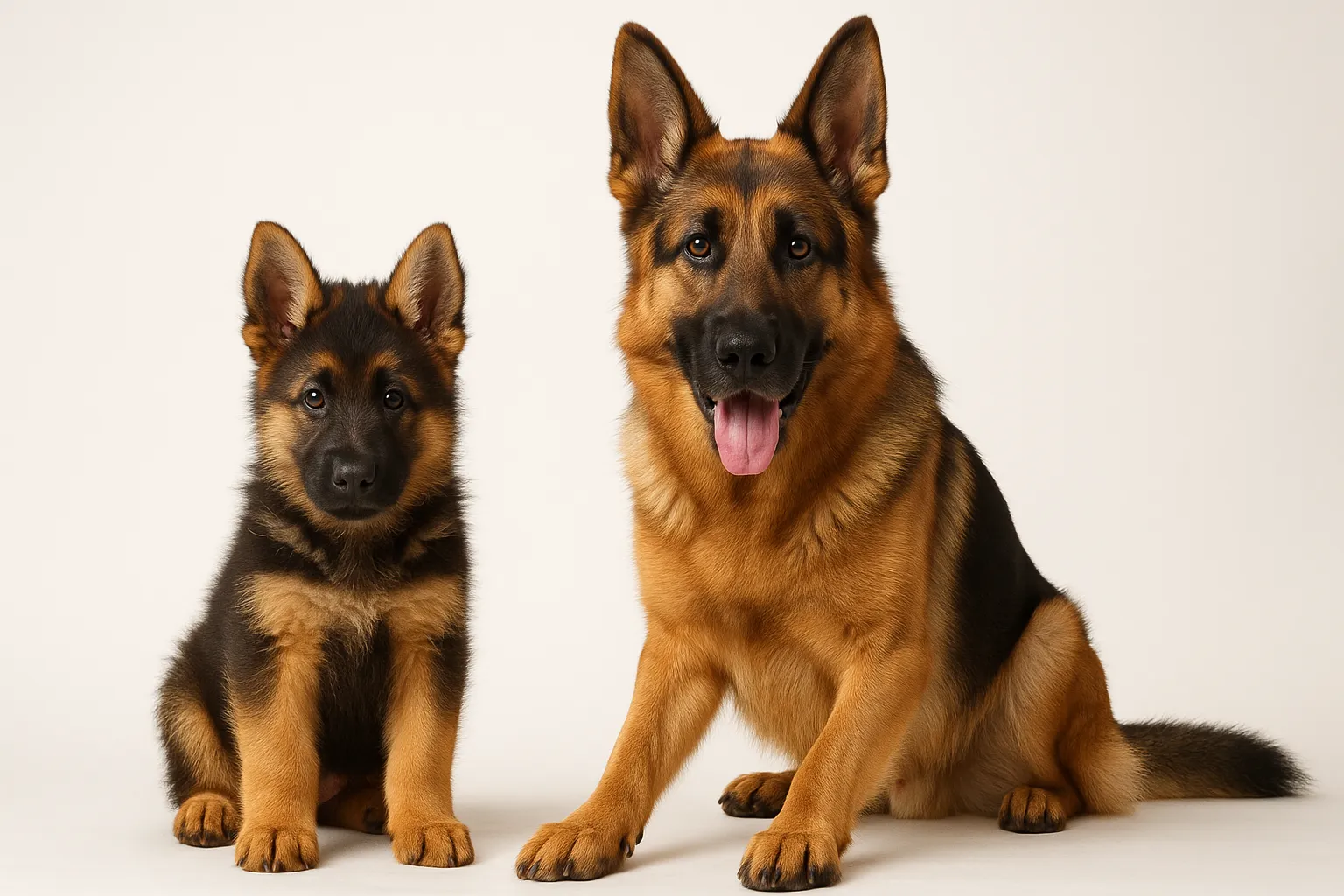
Breeds with documented elevated risk include Rottweiler, Doberman Pinscher, American Pit Bull Terrier, German Shepherd, Labrador Retriever. Breed predisposition does not mean inevitability — proactive care shifts outcomes meaningfully, especially when screening begins before clinical signs appear.
Signs Worth Taking Seriously
Dogs are instinctively stoic about discomfort. Owners often notice behavioral changes — reduced enthusiasm for favorite activities, subtle stiffness, changes in appetite or sleep patterns — before overt physical signs appear. Those early behavioral shifts are the single most important data point in catching Canine Parvovirus (Immune Response) early.
Specific signs that warrant a veterinary call include symptoms that worsen despite home care, persistent behavioral changes, or any symptom that concerns you as the person who knows the dog best. If your dog shows any of these, schedule an appointment rather than waiting to see if they resolve.
Diagnostic Approach
Your veterinarian will start with a thorough physical examination and detailed history of what you’ve observed. Depending on findings, the workup may include bloodwork, urinalysis, diagnostic imaging (X-rays, ultrasound, MRI, or CT depending on the suspected issue), or referral to a specialist. Each test narrows the diagnostic possibilities and rules out look-alike conditions.
Ask your veterinarian what they’re ruling in and ruling out at each step. This keeps the workup focused and helps you understand why each test is recommended.
Treatment and Management
Treatment is tailored to your specific dog and the stage at which Canine Parvovirus (Immune Response) is caught. Early-stage intervention often focuses on lifestyle modifications, supplements, and monitoring. Later-stage intervention may require medication, surgery, or specialist referral. Rapid intervention is the single biggest determinant of outcome; many dogs survive what initially appeared hopeless when stabilized quickly.
Treatment plans should be written, not just discussed verbally. Ask for a copy you can review at home and return to between appointments.
Prevention and Proactive Care
Breed-appropriate screening, annual veterinary exams, and prompt workup of any persistent symptom form the core of prevention for dogs predisposed to Canine Parvovirus (Immune Response). Prevention strategies are most effective when started before symptoms appear, which is why breed-appropriate screening matters even in dogs that seem completely healthy.
For owners of at-risk breeds, building a relationship with a veterinarian who knows your dog from puppyhood creates the context for catching subtle changes early. That continuity is worth prioritizing even if it means a slightly longer drive to the clinic.
When to Call Your Veterinarian
Call your nearest emergency veterinary clinic immediately. Do not wait for business hours. If you are unsure whether a symptom warrants a visit, describing what you’re seeing to a veterinary technician by phone often clarifies urgency quickly. Waiting out concerning signs rarely produces better outcomes than early evaluation.
The Longevity Picture
Every chronic condition affects longevity not just through the condition itself, but through the cascading effects: pain reduces activity, reduced activity leads to weight gain, weight gain amplifies inflammation across multiple organ systems. Breaking that cascade early — through treatment, weight management, and appropriate supplementation — preserves years of quality life.
The difference between “managed” and “unmanaged” versions of the same condition often translates to 1-3 additional healthy years. That’s worth the appointment.
Frequently Asked Questions
How serious is canine parvovirus (immune response) in dogs?
Canine Parvovirus (Immune Response) is classified as life-threatening. Prognosis depends on the stage at diagnosis and how your dog responds to treatment. Most conditions are manageable with appropriate veterinary care.
When should I see the vet?
Immediately. This is a veterinary emergency.
References
- Ettinger’s Textbook of Veterinary Internal Medicine, 8th Edition
- Dog Aging Project (University of Washington)
- Purina Lifetime Study: Kealy RD et al. JAVMA. 2002.
This content is for informational purposes only and does not replace professional veterinary advice. Always consult your veterinarian.
Related reads
Related Reading
Continue exploring