Evidence deep dives for Cherry Eye (Third Eyelid Gland Prolapse)
Pair mechanism-level evidence with practical protocol context before discussing next steps with your veterinarian.
That Red Lump in the Corner of the Eye
Cherry eye is the common name for prolapse of the gland of the third eyelid. Dogs have a third eyelid — visible in the inner corner of the eye — that houses a tear gland producing roughly 30-40% of the eye’s total tear film. When the connective tissue anchoring this gland weakens or gives way, the gland pops outward as a smooth, red, rounded mass.
The condition looks alarming. It is not an emergency, but it does need attention. The exposed gland quickly becomes inflamed, dry, and prone to secondary infection. Left untreated, the prolapsed gland contributes to progressive tear production loss and raises long-term risk for keratoconjunctivitis sicca (KCS or “dry eye”).
The Longevity Impact
Cherry eye is not just cosmetic. It directly affects ocular health for the rest of the dog’s life.
The third eyelid gland is a significant contributor to the precorneal tear film. Chronic exposure and inflammation damage its secretory cells and reduce tear output over time. The single most important decision in cherry eye management is choosing surgical repositioning over removal.
Historically, gland removal was standard practice. That approach permanently eliminates an irreplaceable tear-producing structure and sharply increases lifetime dry eye risk. Repositioning surgery preserves the gland and dramatically reduces the chance of chronic KCS. This distinction matters more than most owners realize at the time of diagnosis.
Recognizing Cherry Eye
Cherry eye is visually obvious once the gland prolapses:
- Smooth, round, cherry-red mass visible in the inner corner of one eye
- Eye discharge, increased tearing, or mild squinting
- The dog may paw at the eye if the gland is inflamed
- Intermittent prolapse initially — the gland may retract on its own before becoming permanently prolapsed
- Bilateral presentation (both eyes affected) occurs in some breeds
Seek veterinary evaluation promptly after noticing cherry eye. The sooner the gland is surgically repositioned, the better the outcome for long-term gland function.
How Cherry Eye Is Diagnosed
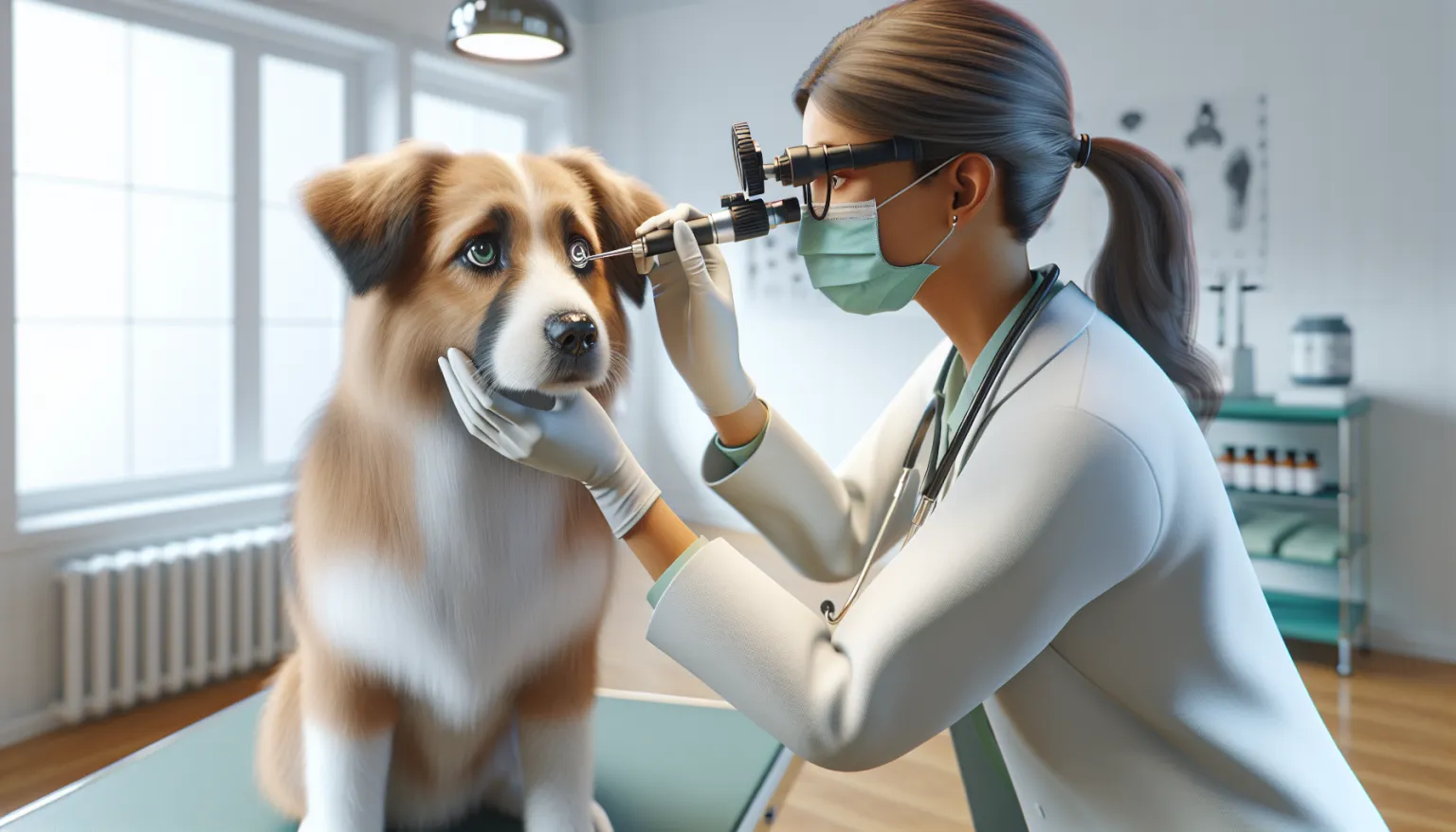
Cherry eye is diagnosed visually. But a complete ophthalmic evaluation is still important to assess tear production (Schirmer Tear Test), check for concurrent eye disease, and evaluate the other eye’s third eyelid.
Pre-surgical evaluation should determine whether the prolapsed gland shows signs of secondary infection or significant inflammation, as this may affect timing and surgical approach.
- Schirmer Tear Test at initial evaluation establishes baseline tear production
- Evaluate the contralateral eye — bilateral cherry eye is common in at-risk breeds
- Assess for secondary conjunctivitis or corneal disease from gland exposure
- Discuss surgical options with your veterinarian before committing to a procedure type
Repositioning, Not Removal
Surgical repositioning of the prolapsed gland is the standard of care. Common techniques include the “pocket” technique and the “tuck” technique, both of which anchor the gland in its normal anatomical position without removing it. Success rates with experienced surgeons are high, though recurrence occurs in approximately 5-20% of cases and may require repeat surgery.
Gland removal should be avoided. Dogs whose cherry eye gland is removed are significantly more likely to develop KCS in that eye, often requiring lifelong topical cyclosporine or tacrolimus therapy. Preserving the gland prevents this outcome.
- Pursue repositioning surgery rather than removal — this is the evidence-based standard
- Apply prescribed lubricating eye drops or short-term anti-inflammatory drops while awaiting surgery
- Monitor for dry eye symptoms post-surgery: thick discharge, squinting, dull corneal surface
- Annual Schirmer Tear Tests are advisable in at-risk breeds even without prior cherry eye
12-Week Post-Surgical Care Plan
- Weeks 1-2 (baseline lock-in): Confirm surgical success at the 2-week recheck. Start a shared household log tracking eye comfort, discharge, E-collar compliance, and medication adherence.
- Weeks 3-4 (adherence audit): Verify that every caregiver follows the same drop schedule and E-collar protocol. Identify missed-dose friction and fix it.
- Weeks 5-6 (response checkpoint): Compare current comfort and appearance against the 2-week baseline. Escalate quickly if discharge or squinting is worsening.
- Weeks 7-8 (risk tightening): Predefine escalation thresholds for recurrence or infection. Confirm after-hours emergency route for acute eye pain.
- Weeks 9-10 (resilience build): Transition to maintenance monitoring. Schedule the 6-month Schirmer Tear Test.
- Weeks 11-12 (handoff to maintenance): Document long-term follow-up cadence. Decide which signs warrant same-day vs next-week evaluation going forward.
The Pattern That Costs Owners Later
The most common mistake is treating cherry eye as a minor cosmetic issue and delaying surgery. Each week the gland remains prolapsed, it sustains more inflammatory damage and produces less tear film. That damage is cumulative and only partially reversible.
A second common failure: choosing gland removal because it seems simpler. The short-term simplicity creates a lifetime of dry eye management — daily eye drops, veterinary rechecks, corneal ulcer risk — that far exceeds the burden of repositioning surgery.
Acting early and choosing the right surgery are the two decisions that matter most.
Supporting Eye Health Through Nutrition
No dietary change prevents cherry eye, which is primarily a structural and connective tissue problem. However, omega-3 fatty acids support tear film stability and may offer mild anti-inflammatory benefits relevant to post-surgical healing.
Post-surgical nutrition supports wound healing without specific eye-targeted interventions.
- Omega-3 Fish Oil for Dogs: Evidence, Dosing Context, and Safety
- Vitamin E for Dogs: Evidence and Safety
- Feeding Guide for Adult Dogs for general nutritional support during post-surgical recovery
For evidence context and execution details, review:
Follow-Up and Monitoring Timeline
Post-operative monitoring and long-term tear production surveillance are the priorities.
- Post-surgery: recheck at 2 weeks to assess repositioning success and healing
- 6-month check: Schirmer Tear Test to confirm tear production is maintained
- Annual: Schirmer Tear Test in any dog with history of cherry eye or breed predisposition
Watch for signs of dry eye lifelong: thick yellowish discharge, corneal cloudiness, or recurrent squinting.
When to Seek Same-Day Care
Cherry eye itself is not an emergency. But these associated eye problems require urgent evaluation:
- Sudden corneal cloudiness or ulceration
- Marked eye pain, inability to open the eye, or intense pawing at the face
- Rapid increase in eye discharge with swelling
- Signs of glaucoma: dilated pupil, extremely hard eye, head pressing
Related Condition Pathways
Cherry Eye (Third Eyelid Gland Prolapse) often overlaps with adjacent pathways that affect diagnosis timing, treatment burden, and long-term resilience:
- Eye Conditions: cherry eye is one of several third eyelid and conjunctival conditions that affect vision and comfort.
- Brachycephalic Syndrome: brachycephalic breeds are disproportionately affected by cherry eye.
- Glaucoma: chronic dry eye from untreated cherry eye or gland removal increases the risk of secondary glaucoma.
These guides provide background for productive veterinary conversations — they do not replace clinical evaluation or treatment planning.
Related Breed Longevity Guides
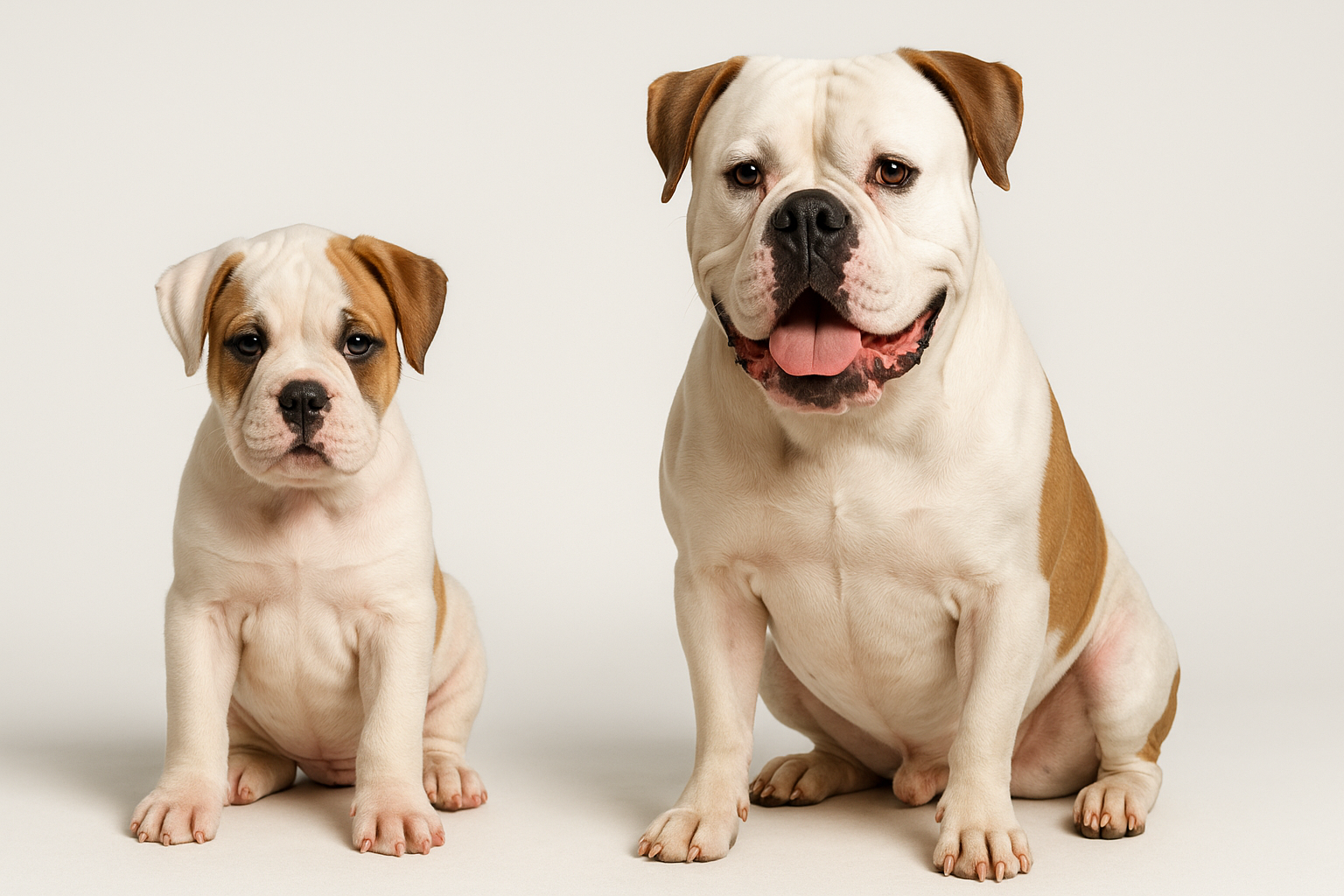
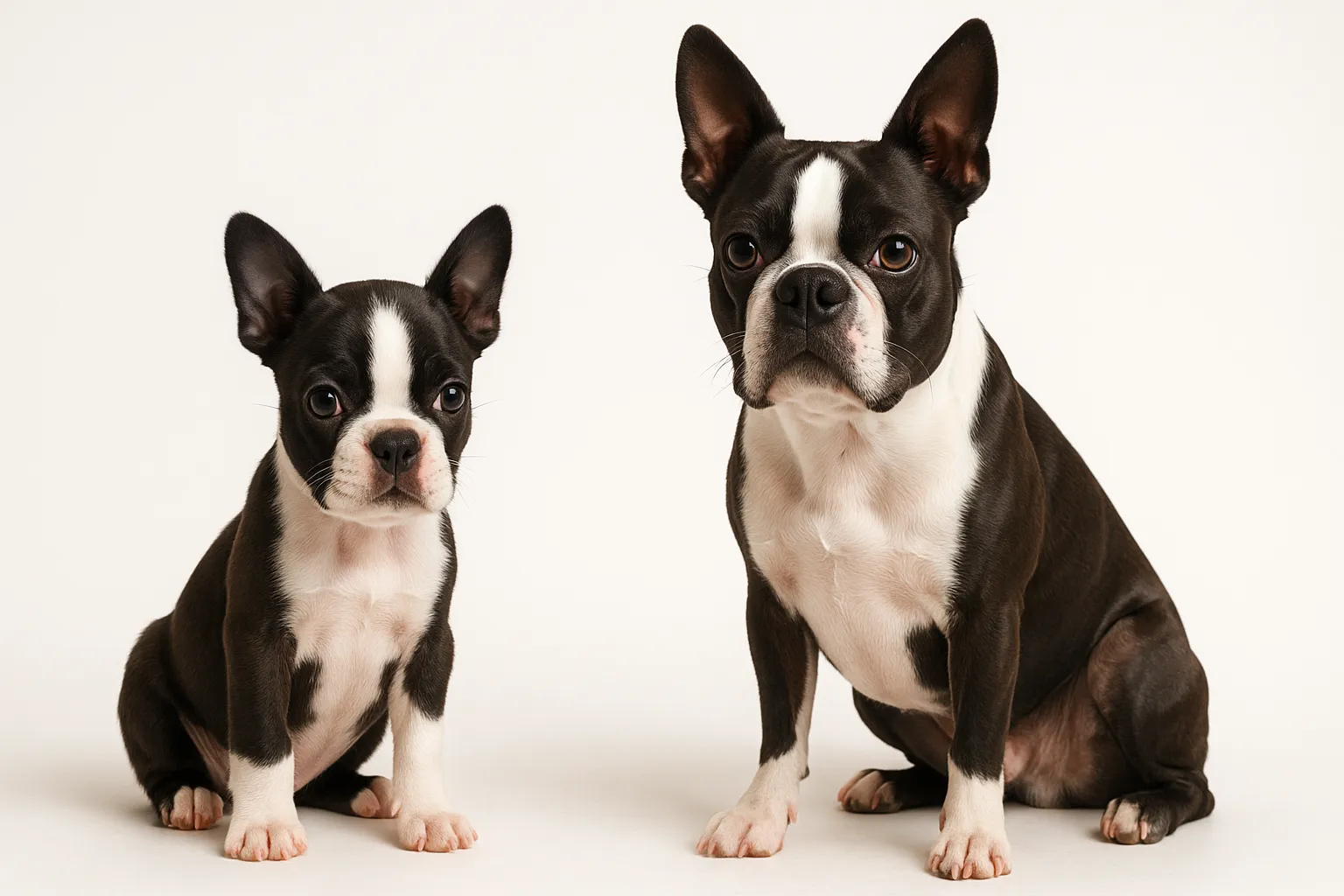
Brachycephalic and some medium-breed dogs are at highest risk:
- English Bulldog Lifespan & Longevity Guide
- French Bulldog Lifespan & Longevity Guide
- Cocker Spaniel Lifespan & Longevity Guide
- Beagle Lifespan & Longevity Guide
Breed predisposition is strong — know whether your breed is at risk before cherry eye appears.
Additional Breeds at Elevated Risk
Frequently Asked Questions
Can cherry eye go away on its own?
Rarely. Intermittent prolapse sometimes occurs initially, but permanent prolapse is common. Manual replacement by owners or gently applying lubricant is not a long-term solution. Surgery is almost always required for a lasting outcome.
Should the cherry eye gland be removed or repositioned?
Repositioned. Removal permanently reduces tear production by 30-40% in that eye, significantly increasing lifetime dry eye risk. Repositioning surgery preserves the gland. Seek a veterinarian experienced in gland-sparing techniques.
Can cherry eye come back after surgery?
Yes — recurrence rates of 5-20% are reported depending on technique and surgeon experience. Repeat surgery is usually successful. The recurrence risk is not a reason to choose removal.
Is cherry eye painful?
The prolapse itself is not acutely painful, but prolonged exposure causes irritation and inflammation. Dry eye developing from untreated cherry eye is chronically uncomfortable.
Can cherry eye affect both eyes?
Yes. Bilateral cherry eye is common in predisposed breeds. If one eye is affected, monitor the other closely — many dogs develop the condition in both eyes over time.
Medical Disclaimer
This content is educational and does not replace veterinary evaluation or treatment. Cherry eye requires professional assessment and surgical management to preserve long-term eye health.
References
- Gelatt KN. Veterinary Ophthalmology. 5th ed. Wiley-Blackwell. 2013.
- Morgan RV, Duddy JM, McClurg K. Prolapse of the gland of the third eyelid in dogs: a retrospective study of 89 cases (1980-1990). J Am Anim Hosp Assoc. 1993.
- Plummer CE et al. Nictitating membrane gland prolapse correction using a pocket technique. Vet Ophthalmol. 2008.
- Merck Veterinary Manual: Third Eyelid Disorders. merckvetmanual.com.
- ACVO (American College of Veterinary Ophthalmologists) position statement on third eyelid gland prolapse. acvo.org.
Related reads
Related Reading
Continue exploring