Evidence deep dives for Colitis
Pair mechanism-level evidence with practical protocol context before discussing next steps with your veterinarian.
The Difference Between Small and Large Bowel Trouble
Your dog is having diarrhea, but this episode looks different. Instead of large volumes of watery stool, your dog is producing frequent, small amounts of soft stool, often with mucus or streaks of bright red blood. They strain visibly, squatting repeatedly as if they cannot finish. They need to go outside far more often than usual, sometimes with urgency that leads to accidents indoors.
This pattern points to the large intestine. Colitis is inflammation of the colon (large bowel), and its presentation is distinct from small intestinal diarrhea. Recognizing the difference matters because it changes the diagnostic approach, treatment strategy, and urgency of veterinary evaluation.
In small intestinal diarrhea, stools are typically large in volume, watery, and may be dark (melena, indicating upper GI bleeding). Dogs with small bowel disease often lose weight and may vomit. In large intestinal diarrhea (colitis), stools are smaller in volume but more frequent, often contain mucus and/or fresh (bright red) blood, and are accompanied by tenesmus (straining). Weight loss is uncommon in colitis because nutrient absorption occurs primarily in the small intestine, which remains functional.
Signs and Symptoms
Hallmarks of Colitis
- Frequent, small-volume stools (5-10 or more bowel movements per day)
- Urgency and inability to delay defecation
- Tenesmus (straining to defecate, often prolonged)
- Mucus coating the stool or produced alone
- Fresh (bright red) blood on the stool surface or mixed in (hematochezia)
- Flatulence
- Occasionally, fecal incontinence in severe cases
What Colitis Typically Does Not Cause
- Significant weight loss (unless chronic and severe)
- Vomiting (though it can occur with concurrent upper GI involvement)
- Dark, tarry stools (which suggest bleeding higher in the GI tract)
- Marked lethargy or systemic illness (in most acute cases)
Acute vs. Chronic Colitis
Acute colitis develops suddenly, often with an identifiable trigger (dietary indiscretion, stress, infection), and typically resolves within 1-2 weeks with appropriate management.
Chronic colitis persists or recurs over weeks to months. It often requires a more thorough diagnostic workup to identify underlying causes such as inflammatory bowel disease, infection, or dietary sensitivity.
Common Causes
Stress Colitis
One of the most frequent triggers, particularly in young to middle-aged dogs. Boarding, travel, changes in routine, new environments, veterinary visits, and competition events can all precipitate acute colitis. The gut-brain axis is well-established in dogs: psychological stress measurably alters colonic motility and barrier function.
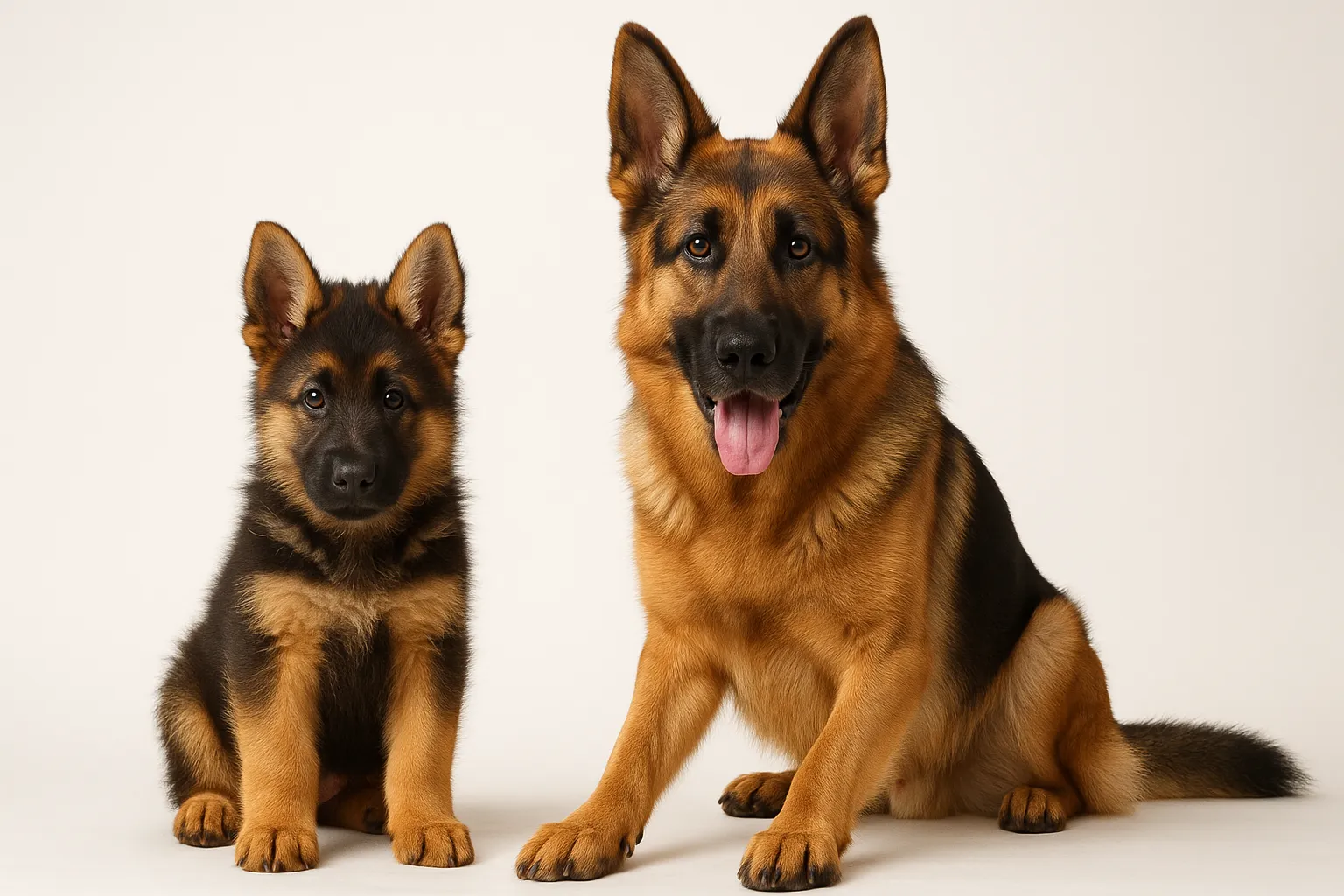
German Shepherds are particularly susceptible to stress-related colitis, a pattern so well-recognized that “German Shepherd diarrhea” is informal veterinary shorthand.
Dietary Factors
- Dietary indiscretion (garbage, table scraps, sudden food changes)
- Food allergy or food intolerance (common culprits: beef, dairy, chicken, wheat, soy)
- High-fat meals
- Rapid diet transitions without gradual mixing
Infectious Causes
- Parasites: Giardia, Trichuris vulpis (whipworm), Cryptosporidium, Entamoeba histolytica. Whipworm is a classic cause of chronic large bowel diarrhea in dogs
- Bacteria: Clostridium perfringens, Campylobacter, Salmonella, E. coli
- Protozoa: Giardia can affect both small and large intestine
- Fungal: Histoplasmosis in endemic areas
Inflammatory Bowel Disease (IBD)
Chronic idiopathic colitis is a form of inflammatory bowel disease where the immune system mounts a chronic inflammatory response against the colonic mucosa. Diagnosis requires colonoscopy with biopsy. IBD-related colitis requires long-term immunomodulatory management.
Other Causes
- Pancreatitis (can cause secondary colonic inflammation)
- Fiber-responsive colitis (resolves with fiber supplementation)
- Antibiotic-associated colitis (disruption of normal flora)
- Colonic neoplasia (especially in older dogs)
- Intussusception
Which Breeds Face Higher Risk
- German Shepherd — stress colitis, IBD, exocrine pancreatic insufficiency (which can cause secondary colitis)
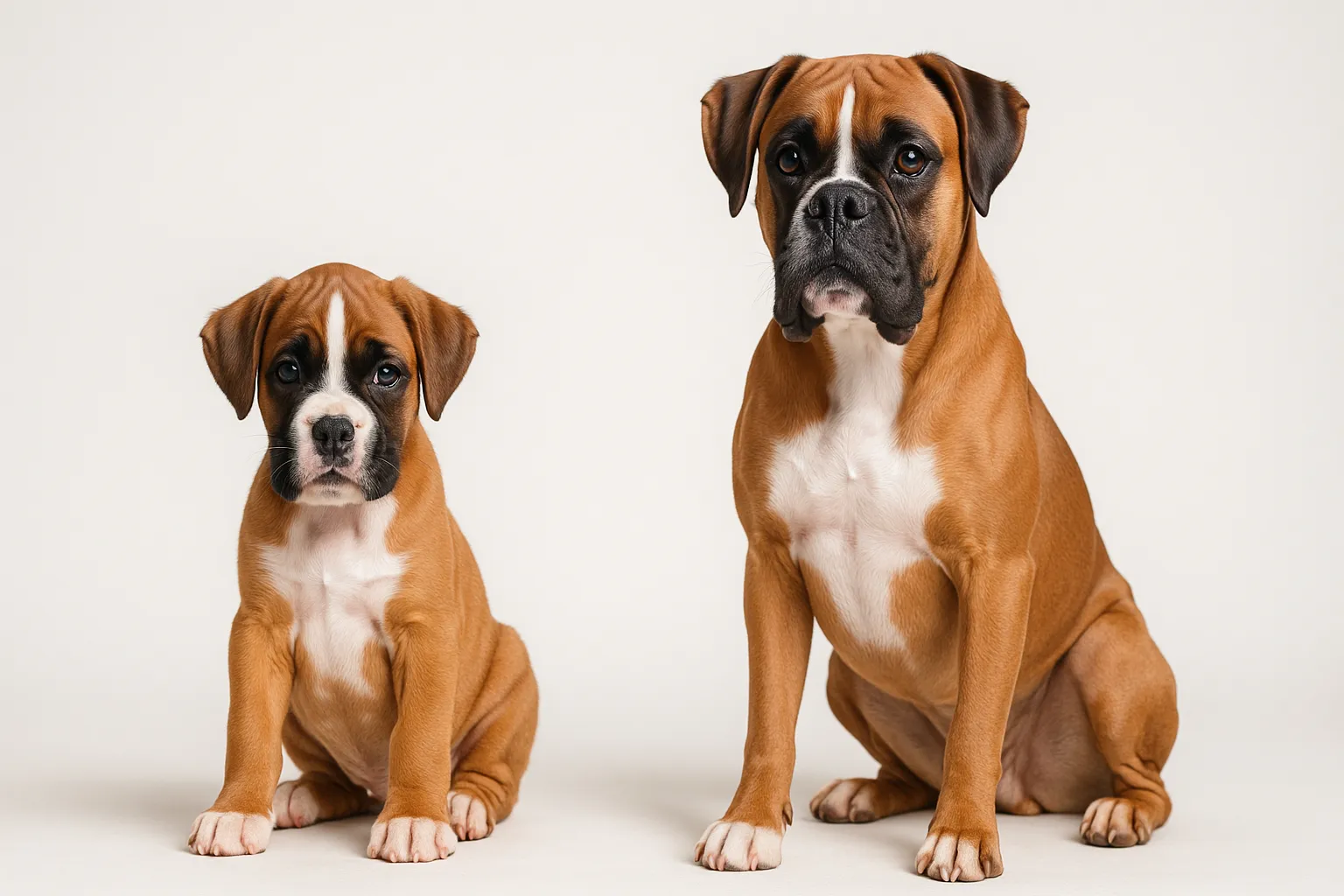
- Boxer — histiocytic ulcerative colitis (granulomatous colitis), a breed-specific severe form caused by invasive E. coli and now treatable with fluoroquinolone antibiotics
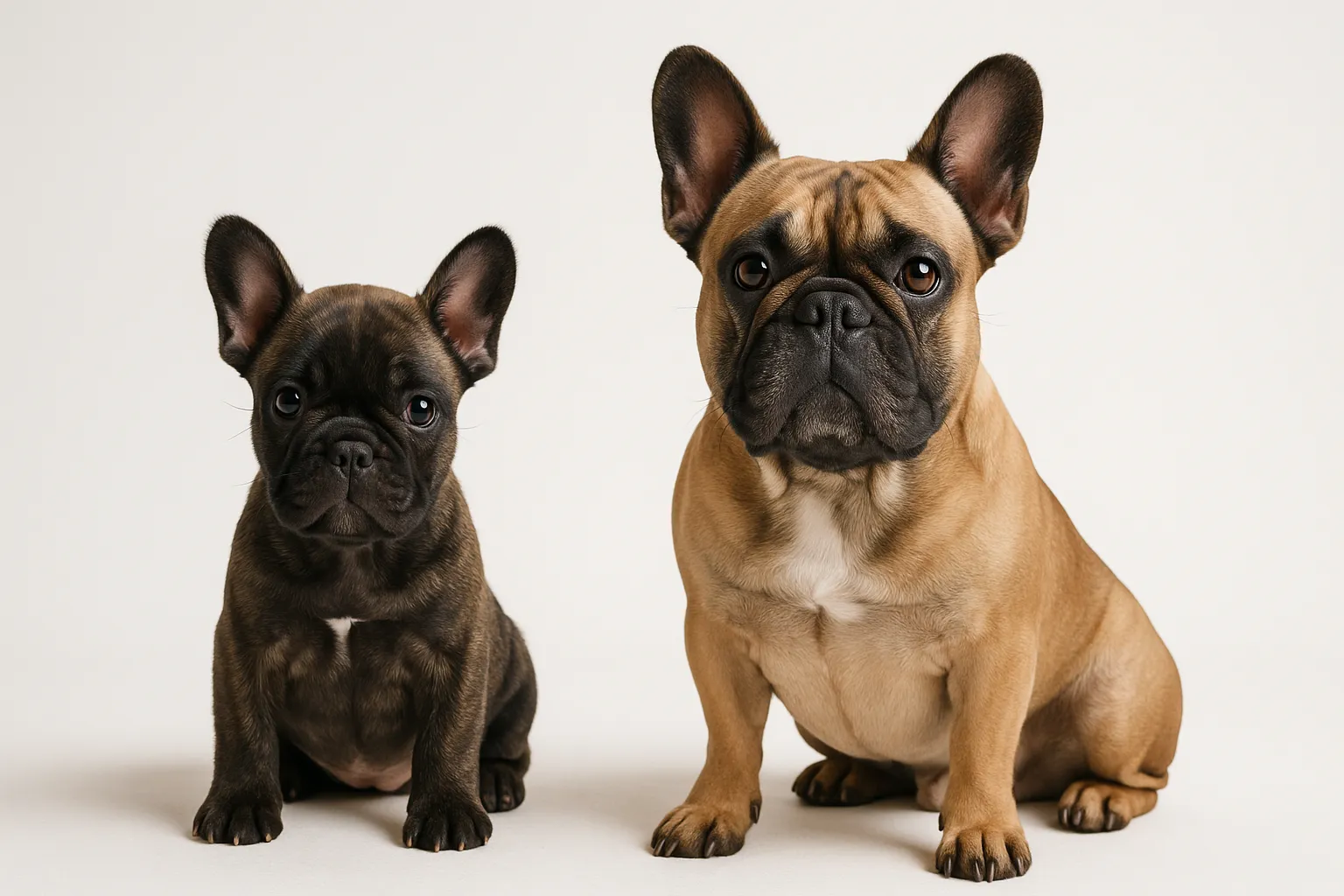
- French Bulldog — sensitive GI tract, food allergy predisposition
- Miniature Schnauzer — higher rates of IBD and dietary sensitivities
- Bulldog — GI sensitivity
Boxer colitis deserves special mention: histiocytic ulcerative colitis (HUC) was historically considered a severe, poorly responsive form of IBD in Boxers. Research published in 2010 demonstrated that the condition is caused by invasive E. coli adhering to the colonic mucosa and is often curable with enrofloxacin, a discovery that transformed outcomes for affected Boxers.
Diagnosis
Initial Assessment
History and physical examination identify the pattern as large bowel disease and assess severity. Key questions: onset and duration, frequency of defecation, stool character (mucus, blood), diet history, recent stressors, parasite prevention status, and medication history.
Diagnostic Testing
For acute, single-episode colitis in otherwise healthy dogs:
- Fecal examination (flotation, direct smear) for parasites
- Fecal Giardia antigen test
- Basic bloodwork if systemic illness is suspected
For chronic or recurrent colitis:
- Complete fecal panel including Giardia and Clostridium testing
- Complete blood count and chemistry panel
- Fecal culture and sensitivity
- Abdominal ultrasound to evaluate colonic wall thickness and rule out masses
- Dietary elimination trial (8-12 weeks on a novel protein or hydrolyzed diet)
- Colonoscopy with biopsy: The definitive diagnostic procedure for chronic colitis. Allows direct visualization of the colonic mucosa and histopathological classification of inflammation type (lymphocytic-plasmacytic, eosinophilic, granulomatous, histiocytic)
- FISH testing for invasive E. coli (particularly in Boxers with suspected HUC)
Treatment
Acute Colitis
Most cases of acute colitis resolve with conservative management:
- Dietary modification: Feed a highly digestible, low-residue diet (boiled chicken and rice) or a veterinary GI diet for 5-7 days. Small, frequent meals (3-4 per day)
- Fiber supplementation: Paradoxically, adding soluble fiber (psyllium, canned plain pumpkin) can improve colonic function and stool quality. Fiber normalizes colonic motility and supports beneficial gut flora. Start with 1 teaspoon per 10 lbs body weight added to each meal
- Probiotics: Evidence supports probiotic supplementation for acute colitis. Strains studied in dogs include Enterococcus faecium, Lactobacillus acidophilus, and Bifidobacterium animalis. See Probiotics for Dogs
- Anti-diarrheal medications: Metronidazole (which has both anti-protozoal and immunomodulatory properties) is commonly prescribed for colitis. Sulfasalazine is a colonic-specific anti-inflammatory used for more significant cases
- Stress management: If stress is the trigger, identify and minimize stressors. Consider short-term anxiolytic medication for predictable stress events (boarding, travel)
Chronic Colitis
Long-term management depends on the underlying cause:
- Dietary trial: An 8-12 week strictly controlled novel protein or hydrolyzed protein diet trial. If signs resolve, the condition is likely food-responsive, and the diet becomes the long-term management strategy
- Fiber-responsive colitis: Some dogs improve dramatically with fiber supplementation alone, regardless of diet
- Immunosuppressive therapy: For confirmed IBD, treatment typically involves prednisolone (initial immunosuppressive doses tapered over weeks to the lowest effective maintenance dose) and/or budesonide (a colonic-targeted corticosteroid with fewer systemic effects)
- Antibiotic therapy: For Boxer HUC (enrofloxacin) and documented infectious causes
- Combination therapy: Many dogs with chronic colitis require a combination of dietary modification, fiber supplementation, probiotics, and judicious immunomodulatory medication
Nutritional Support
Diet plays a central role in colitis management, both acute and chronic:
- Soluble fiber: Psyllium husk, canned pumpkin (pure, not pie filling), and sweet potato promote beneficial short-chain fatty acid production in the colon, which nourishes colonocytes and reduces inflammation
- Probiotics: Multiple studies demonstrate benefit in canine colitis. Quality veterinary-formulated products with documented CFU counts and strain specificity are preferred
- Omega-3 fatty acids: Anti-inflammatory EPA and DHA may modulate colonic inflammation when used as adjunctive therapy. See Omega-3 Fatty Acids for Dogs
- Prebiotics: Fructooligosaccharides (FOS) and inulin support beneficial gut bacteria
- Limited ingredient diets: For food-responsive colitis, simplifying the diet reduces antigenic stimulation
Prevention Strategies
Complete prevention is not always possible, but risk reduction includes:
- Gradual diet transitions over 5-7 days when changing foods
- Consistent feeding schedule with a high-quality, digestible diet
- Adequate fiber intake appropriate for the individual dog
- Year-round parasite prevention (particularly for whipworm, a common cause of chronic colitis)
- Stress management for anxiety-prone dogs (desensitization, environmental enrichment, calming supplements, or anxiolytic medication before known stressors)
- Avoid raw meat diets in dogs with sensitive GI tracts (higher bacterial pathogen exposure)
- Secure garbage and prevent dietary indiscretion
Related Condition Pathways
- Inflammatory Bowel Disease
- Pancreatitis
- Food Allergy
- Acute Gastritis
- Exocrine Pancreatic Insufficiency
Related Breed Longevity Guides
When to Seek Veterinary Care
Routine evaluation is appropriate for:
- A single episode of large bowel diarrhea with mucus in an otherwise alert dog
- Known stress-related colitis with a mild, expected flare
- Monitoring a previously diagnosed condition
Urgent evaluation is needed for:
- Large bowel diarrhea lasting more than 48 hours
- Significant blood in stool (more than streaks or specks)
- Concurrent vomiting, lethargy, or loss of appetite
- Straining that produces no stool (could indicate obstruction or severe inflammation)
- Recurrent episodes suggesting chronic colitis that requires diagnostic workup
- Puppies with diarrhea (dehydrate faster than adult dogs)
Colitis is rarely life-threatening, but chronic cases left undiagnosed can lead to significant discomfort, weight loss, and declining quality of life.
Frequently Asked Questions
Is colitis the same as IBS in dogs? The terms are sometimes used interchangeably, but they are not identical. Colitis refers to inflammation of the colon, which can have an identifiable cause (infection, allergy, IBD). Irritable bowel syndrome (IBS) implies a functional disorder without identifiable structural inflammation. In dogs, stress-responsive large bowel diarrhea is often called “IBS-like,” but the terminology is less standardized than in human medicine. The practical distinction matters less than identifying and managing the underlying trigger.
Can colitis be cured? Acute colitis from stress or dietary indiscretion resolves completely once the trigger is removed. Infectious colitis (parasites, bacteria) is curable with appropriate treatment. Boxer HUC is often curable with enrofloxacin. Chronic inflammatory bowel disease is manageable but typically not curable; the goal is sustained remission with the lowest effective therapy level.
Should I fast my dog with colitis? Unlike acute gastritis (where a brief food rest can help), fasting is generally not recommended for colitis. The colonic mucosa depends on dietary fiber and short-chain fatty acids produced by gut bacteria to maintain its health. Feeding a bland, easily digestible diet with added fiber is more appropriate than withholding food.
Is bloody stool always an emergency? Small amounts of fresh (bright red) blood mixed with mucus are common in colitis and, while they deserve veterinary attention, are not typically an emergency. Large volumes of blood, dark/tarry stool (melena), or bloody diarrhea accompanied by lethargy, vomiting, or pale gums require urgent evaluation. Any blood in a puppy’s stool warrants prompt veterinary attention to rule out parvovirus.
Can stress really cause diarrhea in dogs? Yes. The gut-brain axis is well-documented in dogs. Stress activates the hypothalamic-pituitary-adrenal axis, alters colonic motility and secretion, increases intestinal permeability, and shifts gut microbiome composition. Some dogs are more susceptible than others, with German Shepherds being particularly recognized for stress-responsive colitis.
What fiber source is best for dogs with colitis? Psyllium husk (unflavored) and canned plain pumpkin are the most commonly recommended soluble fiber sources. Both are well-tolerated, readily available, and have evidence supporting their use. Start with 1 teaspoon per 10 lbs body weight per meal and adjust based on stool quality. Some dogs respond better to one source than the other, so trial both if initial results are mixed.
Medical Disclaimer
This guide is informational and does not replace in-person veterinary diagnosis or treatment. Chronic or bloody diarrhea requires veterinary evaluation to rule out serious underlying conditions. If your dog has profuse bloody diarrhea, severe abdominal pain, or signs of dehydration, seek veterinary care promptly.
References
[1] Jergens AE, et al. “Idiopathic inflammatory bowel disease in dogs and cats: 84 cases (1987-1990).” J Am Vet Med Assoc. 1992;201(10):1603-1608. [2] Manchester AC, et al. “Association between granulomatous colitis in French Bulldogs and invasive Escherichia coli and response to fluoroquinolone antimicrobials.” J Vet Intern Med. 2013;27(1):56-61. [3] Simpson KW, et al. “Adherent and invasive Escherichia coli is associated with granulomatous colitis in boxer dogs.” Infect Immun. 2006;74(8):4778-4792. [4] Craven M, et al. “Antimicrobial resistance impacts clinical outcome of granulomatous colitis in boxer dogs.” J Vet Intern Med. 2010;24(4):819-824. [5] Schmitz S, et al. “A prospective, randomized, blinded, placebo-controlled pilot study on the effect of Enterococcus faecium on clinical activity and intestinal gene expression in canine food-responsive chronic enteropathy.” J Vet Intern Med. 2015;29(2):533-543. [6] Heilmann RM, Steiner JM. “Clinical utility of currently available biomarkers in inflammatory enteropathies of dogs.” J Vet Intern Med. 2018;32(5):1495-1508.