Evidence deep dives for Copper Storage Disease
Pair mechanism-level evidence with practical protocol context before discussing next steps with your veterinarian.
When Copper Becomes a Liver Toxin
Copper storage disease — also called copper toxicosis or copper hepatotoxicosis — develops when copper accumulates in liver cells (hepatocytes) to levels that cause progressive oxidative damage, inflammation, and eventually fibrosis or cirrhosis. Copper is an essential trace mineral. The body needs it for enzyme function, red blood cell formation, and connective tissue maintenance. But the liver’s ability to store and excrete copper has strict biological limits, and when those limits are exceeded, copper shifts from nutrient to poison.
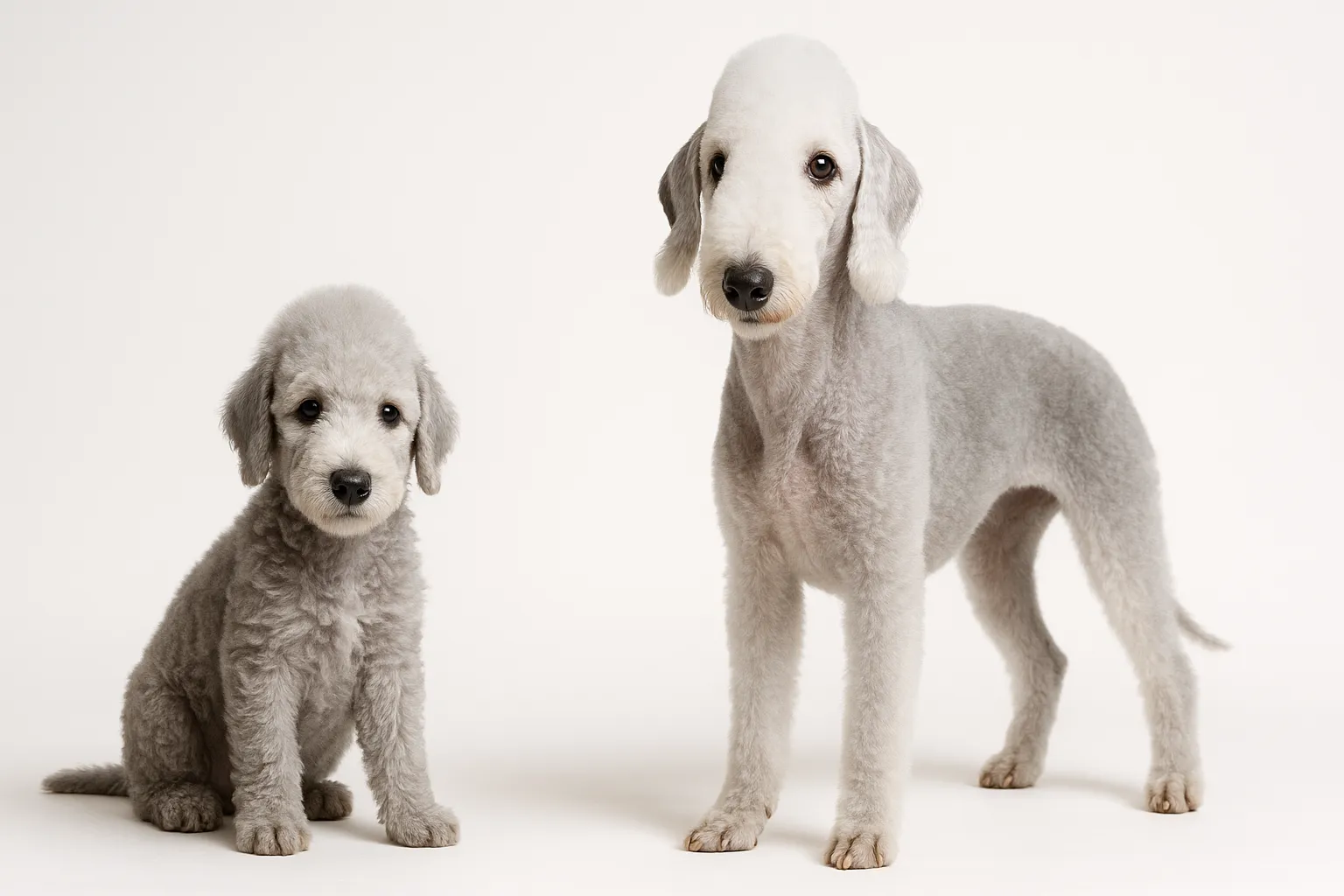
The disease exists on a spectrum. At one end is the well-defined genetic copper toxicosis seen in Bedlington Terriers, caused by a mutation in the COMMD1 gene that severely impairs biliary copper excretion. At the other end is the broader phenomenon of copper-associated hepatopathy seen across many breeds — a condition that has become increasingly common over the past two decades, likely driven by rising copper levels in commercial dog foods.
The distinction matters for treatment and prognosis. Genetically driven copper toxicosis tends to be more severe and requires lifelong management. Diet-associated copper accumulation may respond to dietary modification alone if caught early enough.
The Biology of Copper Accumulation
In a healthy dog, dietary copper follows a regulated cycle: absorption from the small intestine, transport to the liver via portal blood (bound to albumin and transcuprein), incorporation into ceruloplasmin and other copper-dependent enzymes, and eventual biliary excretion back into the intestinal tract. The liver serves as both the central processing facility and the primary excretion route.
When biliary excretion fails to keep pace with absorption — whether from a genetic defect in excretory transport proteins or excessive dietary copper overwhelming normal capacity — hepatic copper concentration climbs. The accumulation is silent at first. Dogs show no clinical signs during the early phase, which can last months to years.
Once copper levels exceed the cell’s detoxification capacity (primarily mediated by metallothionein and glutathione), free copper ions catalyze the formation of reactive oxygen species. These free radicals damage cell membranes, mitochondria, and DNA.
The result is hepatocellular necrosis, inflammation (hepatitis), and if unchecked, progressive fibrosis leading to cirrhosis.
In Bedlington Terriers, the COMMD1 mutation causes a near-complete failure of biliary copper excretion. Hepatic copper levels can reach 10,000+ ppm dry weight (normal is below 400 ppm). The disease is autosomal recessive, meaning both parents must carry the mutation for offspring to be affected.
Breed Predispositions
High genetic risk:
- Bedlington Terrier: COMMD1 mutation. The best-characterized genetic copper toxicosis. Genetic testing is available and should be performed on all breeding stock.
- Doberman Pinscher: Female predisposition. Copper accumulation is a significant cause of chronic hepatitis in this breed.
- Labrador Retriever: The most commonly affected breed in recent decades, driven by a combination of moderate genetic susceptibility and high-copper commercial diets.
- West Highland White Terrier: Documented copper hepatotoxicosis with breed-specific susceptibility patterns.
Moderate risk:
- Dalmatian, Skye Terrier, Cocker Spaniel, Anatolian Shepherd: Various degrees of copper accumulation susceptibility documented in the literature.
Clinical Signs
The insidious nature of copper storage disease means that clinical signs often do not appear until the liver has sustained substantial damage.
Early stage (subclinical):
- No visible signs. The dog appears completely healthy.
- The only way to detect disease at this stage is through screening liver biopsies or elevated liver enzymes on routine bloodwork.
Hepatitis stage:
- Decreased appetite, intermittent vomiting
- Lethargy or reduced activity level
- Subtle weight loss
- Mildly elevated liver enzymes (ALT, ALP) on routine bloodwork
Advanced liver disease:
- Jaundice: yellow discoloration of the gums, inner ears, whites of the eyes, and skin
- Ascites: fluid accumulation in the abdomen (distended belly)
- Increased thirst and urination
- Vomiting and diarrhea, sometimes with blood
- Dark brown or orange urine
- Hepatic encephalopathy signs: disorientation, head pressing, circling, seizures
Acute hemolytic crisis (rare but life-threatening):
- Sudden massive release of stored copper into the bloodstream can cause acute hemolytic anemia: destruction of red blood cells, severe anemia, collapse, and kidney failure. This is a medical emergency.
The Diagnostic Process
Liver biopsy with quantitative copper analysis: This is the definitive diagnostic test. Histopathology shows the pattern of copper distribution and associated liver damage. Quantitative copper measurement (reported in ppm dry weight) provides the specific copper burden:
- Normal: less than 400 ppm dry weight
- Elevated: 400-1,000 ppm (may or may not be associated with clinical disease)
- Toxic: above 1,000 ppm (associated with hepatocellular damage in most cases)
- Severe: above 2,000 ppm (Bedlington Terrier range in advanced disease)
Supporting diagnostics:
- CBC: may show anemia in acute hemolytic crisis
- Chemistry panel: elevated ALT, ALP; low albumin in advanced disease; elevated bilirubin with jaundice
- Bile acids: elevated, indicating impaired hepatic function
- Urinalysis: bilirubin, ammonium biurate crystals in advanced cases
- Abdominal ultrasound: hepatic parenchymal changes, microhepatica in cirrhosis, ascites
- Genetic testing (Bedlington Terriers): COMMD1 mutation status
Treatment
Treatment depends on the stage of disease and the underlying cause (genetic vs. dietary).
Copper chelation therapy:
- D-penicillamine: The primary copper chelating agent. Binds hepatic copper and promotes urinary excretion. Typical dose: 10-15 mg/kg twice daily, given on an empty stomach. GI side effects (vomiting, appetite loss) are common and may require anti-nausea support.
- Trientine (triethylenetetramine): An alternative chelator with fewer GI side effects, used when D-penicillamine is not tolerated. Less widely available and more expensive.
- Zinc acetate: Blocks intestinal copper absorption by inducing metallothionein in enterocytes. Used as maintenance therapy after initial chelation reduces the hepatic copper burden to safe levels. Typical dose: 5-10 mg/kg twice daily on an empty stomach, away from meals.
Dietary modification:
- Reduce dietary copper intake: avoid commercial foods with high copper levels (many premium and large-breed formulas contain copper at levels that exceed hepatic excretory capacity in susceptible breeds)
- Target foods with less than 5 mg copper per 1,000 kcal
- Avoid liver, organ meats, shellfish, and other copper-rich ingredients
- Consider veterinary hepatic diets specifically formulated for low copper
- Do not supplement with multivitamins containing copper
Hepatoprotective support:
- S-adenosylmethionine (SAMe): supports glutathione production, the liver’s primary antioxidant defense against copper-induced oxidative damage
- Vitamin E: additional antioxidant support
- Ursodiol: improves bile flow and has hepatoprotective properties
Advanced disease management:
- Ascites: low-sodium diet, diuretics (spironolactone)
- Hepatic encephalopathy: lactulose, protein modification
- Acute hemolytic crisis: blood transfusion, IV fluids, aggressive chelation
12-Week Treatment and Monitoring Plan
- Weeks 1-2 (initiation): Start D-penicillamine. Baseline bloodwork including CBC, chemistry, bile acids. Begin dietary copper restriction. Monitor for chelation side effects (GI upset, appetite loss).
- Weeks 3-4 (tolerance check): Recheck liver enzymes. If D-penicillamine GI side effects are severe, consider switching to trientine or adding anti-nausea support. Confirm dietary compliance.
- Weeks 5-6 (early response): Liver enzymes should begin trending downward if chelation is effective. Continue daily medication and dietary management.
- Weeks 7-8 (mid-treatment): Recheck bloodwork. Assess clinical improvement: energy, appetite, weight trend. Adjust chelation dose if needed.
- Weeks 9-10 (sustained therapy): Continue chelation. Most dogs require 3-6 months of chelation before hepatic copper levels normalize.
- Weeks 11-12 (planning): Discuss repeat liver biopsy timing (usually at 6 months) to document copper reduction and histologic improvement. Begin planning for transition from chelation to maintenance (zinc + low-copper diet).
Prevention Through Dietary Awareness
The rising incidence of copper-associated hepatopathy across multiple breeds has drawn attention to commercial dog food copper levels. Key facts for prevention:
- Commercial dog foods are required to meet AAFCO minimum copper levels (7.3 mg/kg dry matter) but there is no enforced maximum
- Some premium diets contain copper at 2-3 times the minimum requirement
- Copper sulfate (the most common supplemental form) has higher bioavailability than copper oxide
- Dogs in predisposed breeds should eat diets with the lowest copper levels that still meet nutritional requirements
- Annual or biannual liver enzyme screening in predisposed breeds can catch accumulation before clinical disease develops
When to Go to the ER Today
- Sudden jaundice (yellow gums, whites of eyes)
- Dark brown or red-brown urine (suggests hemolytic crisis)
- Collapse, severe weakness, or pale gums
- Abdominal distension with rapid onset
- Seizures, disorientation, or head pressing (hepatic encephalopathy)
- Vomiting blood or passing bloody/tarry stool
Acute copper release causing hemolytic anemia is a life-threatening emergency requiring immediate intensive care.
Related Condition Pathways
- Copper-Associated Hepatopathy: Closely related condition with significant clinical overlap
- Liver Disease: Copper accumulation is a major cause of chronic canine hepatitis
- Hepatic Encephalopathy: End-stage complication of copper-induced liver failure
- Immune-Mediated Hemolytic Anemia: Acute copper release can trigger hemolytic crisis
Related Breed Longevity Guides
- Bedlington Terrier Lifespan & Longevity Guide
- Labrador Retriever Lifespan & Longevity Guide
- Doberman Pinscher Lifespan & Longevity Guide
- West Highland White Terrier Lifespan & Longevity Guide
- Dalmatian Lifespan & Longevity Guide
Related Evidence and Research
- Liver Enzyme Interpretation in Dogs
- Longevity Bloodwork Interpretation
- Genetic Testing for Dogs: Clinical ROI
What Nutrition Can and Cannot Do
Diet is central to managing copper storage disease. Reducing dietary copper intake and supporting liver function through targeted nutrition are core treatment components alongside chelation therapy.
- Liver Disease Nutrition for Dogs: dietary strategies for dogs with hepatic damage, including protein modification, antioxidant support, and liver-protective nutrients.
- Prescription Diets: Evidence Review: evaluates veterinary hepatic diets formulated for low copper content and liver support.
- Copper for Dogs: understanding copper requirements, bioavailability differences between copper sulfate and copper oxide, and how to evaluate commercial food copper levels.
Coordinate all supplement and medication changes through your veterinarian. What seems like a simple addition can alter the therapeutic picture.
Frequently Asked Questions
Is copper storage disease the same as copper-associated hepatopathy?
They overlap significantly. Copper storage disease traditionally refers to the genetically driven form (especially in Bedlington Terriers) where a specific gene mutation impairs copper excretion. Copper-associated hepatopathy is a broader term that includes diet-driven copper accumulation in susceptible breeds. Both result in toxic hepatic copper levels and are treated similarly.
Can dietary changes alone treat copper storage disease?
In mild cases where accumulation is primarily diet-driven and caught early (copper levels below 1,000-1,500 ppm), dietary restriction combined with zinc supplementation may be sufficient. In moderate to severe cases, or in genetically driven disease, chelation therapy is necessary to actively remove the excess copper.
How do I know if my dog’s food has too much copper?
Check the guaranteed analysis and ingredient list. Foods listing copper sulfate as a supplement tend to have higher bioavailable copper. Contact the manufacturer for the specific copper content per 1,000 kcal if it is not listed. For predisposed breeds, discuss food selection with your veterinarian.
Is genetic testing available for all breeds?
Genetic testing for the COMMD1 mutation is available specifically for Bedlington Terriers. For other breeds, the genetic basis is more complex and less well-defined, so screening relies on liver enzyme monitoring and biopsy rather than genetic testing.
How long does chelation therapy take?
Most dogs require 3-6 months of active chelation to reduce hepatic copper to safe levels. After chelation, lifelong maintenance with zinc supplementation and a low-copper diet is typically necessary to prevent re-accumulation, especially in genetically predisposed dogs.
Medical Disclaimer
This content is educational and does not replace veterinary diagnosis or treatment. Dogs in predisposed breeds with elevated liver enzymes, jaundice, or unexplained illness should receive prompt veterinary evaluation including consideration of hepatic copper assessment.
References
- Hoffmann G et al. Copper-associated chronic hepatitis in Labrador Retrievers. J Vet Intern Med. 2006;20(4):856-861.
- Fieten H et al. New canine models of copper toxicosis: identification of mutations in the COMMD1 and ATP7B genes. Anim Genet. 2016;47(3):300-308.
- Johnston AN et al. Hepatic copper concentrations in Labrador Retrievers with and without chronic hepatitis: 72 cases (1980-2010). J Am Vet Med Assoc. 2013;242(3):372-380.
- Twedt DC. Copper-associated hepatitis. In: Kirk’s Current Veterinary Therapy XV. Elsevier; 2014.
- Center SA. Copper-associated liver disease: current concepts, challenges, and advances in diagnostics. Vet Clin North Am Small Anim Pract. 2022;52(3):681-727.
Related reads
Related Reading
Continue exploring