Evidence deep dives for Ehrlichiosis
Pair mechanism-level evidence with practical protocol context before discussing next steps with your veterinarian.
Three Phases, and the Deadliest One Looks Like Nothing
Your dog recovers from a mild fever and seems perfectly fine for months. Meanwhile, Ehrlichia bacteria are multiplying inside white blood cells, slowly dismantling the bone marrow’s ability to produce the blood cells your dog needs to survive. By the time the damage surfaces — catastrophic bleeding, organ failure, platelet counts near zero — the window for easy treatment has closed.
Ehrlichiosis moves through three phases, and the middle one is nearly invisible:
- Acute phase (1-4 weeks after the bite): Mild, vague signs that look like a passing illness. Easy to miss.
- Subclinical phase (weeks to months): Your dog appears completely normal. The bacteria are still there, still multiplying.
- Chronic phase: Bone marrow suppression, organ dysfunction, and potentially fatal blood cell depletion.
Most dogs that develop severe ehrlichiosis do so because no one caught it in the acute window. The disease did not suddenly get worse — it was simply never interrupted.
Why Ehrlichiosis Quietly Shortens Lives
Lyme disease dominates the tick-borne conversation, but ehrlichiosis carries a higher risk of irreversible damage when it reaches the chronic stage.
Chronic ehrlichiosis causes pancytopenia — the loss of red blood cells, white blood cells, and platelets simultaneously. Platelet counts crash, creating dangerous bleeding risk. Kidneys sustain protein-losing damage. Dogs that survive the chronic stage often carry permanent organ deficits that limit their quality of life for years.
The only reliable way to prevent this cascade is to stop it early: either by preventing the tick bite in the first place, or by treating aggressively during the acute phase before the bacteria dig in.
Signs You Might Dismiss — and Should Not
Acute ehrlichiosis mimics a mild flu. The subclinical phase produces no visible signs at all. This is exactly why the disease slips through.
Watch for:
- Sudden lethargy, reduced activity, or reluctance to exercise
- Subtle fever (often undetectable without a thermometer)
- Appetite loss or complete refusal to eat for 1-3 days
- Unexplained bruising, nosebleeds, or blood in urine
- Swollen lymph nodes, particularly around the neck and behind the knees
- Eye discharge, redness, or cloudiness
- Joint stiffness or limb swelling (more common with E. ewingii)
If your dog lives in or has traveled through a tick-endemic area and develops unexplained lethargy, fever, or any bleeding signs, request a veterinary evaluation and tick panel within the week. Do not attribute these signs to “just being tired.”
How Veterinarians Confirm Ehrlichiosis
Diagnosis relies on serology (antibody titers), PCR testing, or both. A routine CBC often provides the first clue — low platelet counts and anemia are hallmarks.
The tricky part: antibodies take 2-4 weeks to develop after infection. A dog tested during the first week may show low or equivocal titers even though bacteria are actively multiplying. PCR is more sensitive in this early window.
For dogs suspected of being in the chronic phase, the workup goes deeper — bone marrow evaluation and full organ panels to map the extent of damage already done.
When requesting diagnostics:
- Ask for a tick panel covering Ehrlichia canis, E. ewingii, and Anaplasma at minimum
- Include a CBC to evaluate platelet count and white blood cell differential
- Lean on PCR over serology if the bite was within the past two weeks
- For chronic-phase suspects, add a renal panel, urine protein:creatinine ratio, and ophthalmologic evaluation
Treatment: Fast Response, Full Course
Doxycycline is the standard treatment, and it works well — when started in time. Acute-phase dogs often show dramatic improvement within 24 to 48 hours. That rapid turnaround is one of the most encouraging aspects of catching this disease early.
A slow or absent response should raise a red flag. It may mean the diagnosis needs revisiting, or that co-infections are complicating the picture.
Chronic-phase dogs face a harder road. They may need extended antibiotic courses, blood transfusions for severe bone marrow suppression, and long-term kidney monitoring. Some organ damage will not fully reverse. The contrast between acute-phase recovery and chronic-phase management is stark — and it underscores why early detection matters so much.
Key treatment rules:
- Complete the full 4-week doxycycline course even if your dog looks completely normal after a few days
- Recheck CBC and tick serology 1-2 months after treatment to confirm the infection has cleared
- Continue year-round tick prevention even after successful treatment — prior infection does not protect against reinfection
- Monitor for uveitis (eye inflammation), a documented late complication
12-Week Recovery and Monitoring Plan
- Weeks 1-2 (baseline lock-in): Confirm the diagnosis, start a shared household log, and track daily markers — energy level, appetite, elimination, activity tolerance, and sleep quality.
- Weeks 3-4 (adherence audit): Verify that every caregiver is following the same protocol. Identify missed-dose friction and fix the one reliability gap most likely to cause drift.
- Weeks 5-6 (response checkpoint): Compare current trends against baseline. If core markers are not improving, escalate quickly. Avoid changing multiple variables in the same week.
- Weeks 7-8 (risk tightening): Set clear escalation thresholds for severe symptoms. Confirm your after-hours emergency route. Align all caregivers so urgent signs are never handled with a wait-and-see approach.
- Weeks 9-10 (building durability): Reinforce the exercise, mobility, and nutrition routines your veterinarian has cleared. The goal is converting short-term stabilization into lasting function.
- Weeks 11-12 (transition to maintenance): Document the long-term reassessment schedule. Decide which metrics stay on weekly tracking. Book the next veterinary checkpoint before your current momentum fades.
The Drift Pattern That Catches Families Off Guard
Ehrlichiosis outcomes improve most when owners respond to the first measurable shift in their dog’s condition — not when they wait for something obviously severe. Missing that short reassessment window can turn a manageable setback into a cycle of higher pain, higher cost, and slower recovery.
The most common failure is inconsistent household execution. When each caregiver follows a slightly different version of the plan, trend data becomes unreliable and early warning signs get lost in the noise.
A close second: over-correcting too fast. Changing multiple things simultaneously hides what actually helped and delays the precise adjustments your dog needs.
Families that review one objective metric each week — platelet count, energy trend, appetite consistency — catch relapse far earlier than those who rely on gut feeling alone. Durable control comes from reducing daily variance and escalating decisively when predefined thresholds are crossed.
Feeding and Gut Support During Doxycycline Therapy
Ehrlichiosis treatment does not demand a specialized diet, but thoughtful nutritional support helps — especially in dogs who were significantly ill before starting antibiotics. Maintaining caloric intake and gut health during a 4-week doxycycline course matters.
One practical note: doxycycline can irritate the esophagus if swallowed dry. Always follow the pill with water or give it with a small amount of food. Probiotic supplementation may reduce GI side effects from antibiotic therapy, though the evidence base remains limited.
- Feeding Guide for Adult Dogs: Maintenance Nutrition Without Drift
- Probiotics for Dogs: Strain-Specific Evidence and Use Cases
- Omega-3 Fish Oil for Dogs: Evidence, Dosing Context, and Safety
For broader context on tick-borne disease prevention and monitoring:
- Parasite Prevention as a Longevity Lever
- Vaccination Schedule Optimization for Dogs
- Senior Dog Screening Protocol
Veterinary Monitoring After Treatment
How closely your dog needs to be followed depends on which phase the infection was caught in.
- During treatment: Recheck at 1-2 weeks to confirm clinical improvement and platelet recovery.
- Post-treatment: CBC and tick serology recheck at 4-8 weeks after completing doxycycline.
- Long-term: Annual tick panels in endemic areas. Biannual urine protein checks for any dog with prior kidney involvement.
Dogs treated in the chronic phase need substantially more aggressive long-term monitoring than those caught early. Ask your veterinarian for a specific recheck cadence tailored to your dog’s situation.
When to Go to the ER Today
These signs in a dog with known or suspected ehrlichiosis warrant same-day emergency care:
- Spontaneous bleeding from gums, nose, or urinary tract
- Sudden weakness, collapse, or pale gums
- Rapid breathing paired with marked lethargy
- Seizures or abrupt neurologic changes
- Complete appetite refusal with progressive decline over 24-48 hours in a tick-exposed dog
Do not wait for a scheduled appointment if you see these. Go now.
Related Condition Pathways
Ehrlichiosis frequently intersects with other conditions that affect how it is diagnosed, treated, and monitored long-term:
- Lyme Disease: Co-infection with Lyme is common in tick-heavy regions and changes treatment priorities.
- Immune-Mediated Hemolytic Anemia: Ehrlichiosis can trigger immune-mediated destruction of red blood cells.
- Kidney Disease: Chronic ehrlichiosis can cause protein-losing nephropathy that persists after the infection clears.
- Eye Conditions: Uveitis is a documented late complication that may appear weeks after treatment.
These resources help you plan and prepare. Diagnostic confirmation and treatment changes are clinical decisions that require veterinary oversight.
Related Breed Longevity Guides
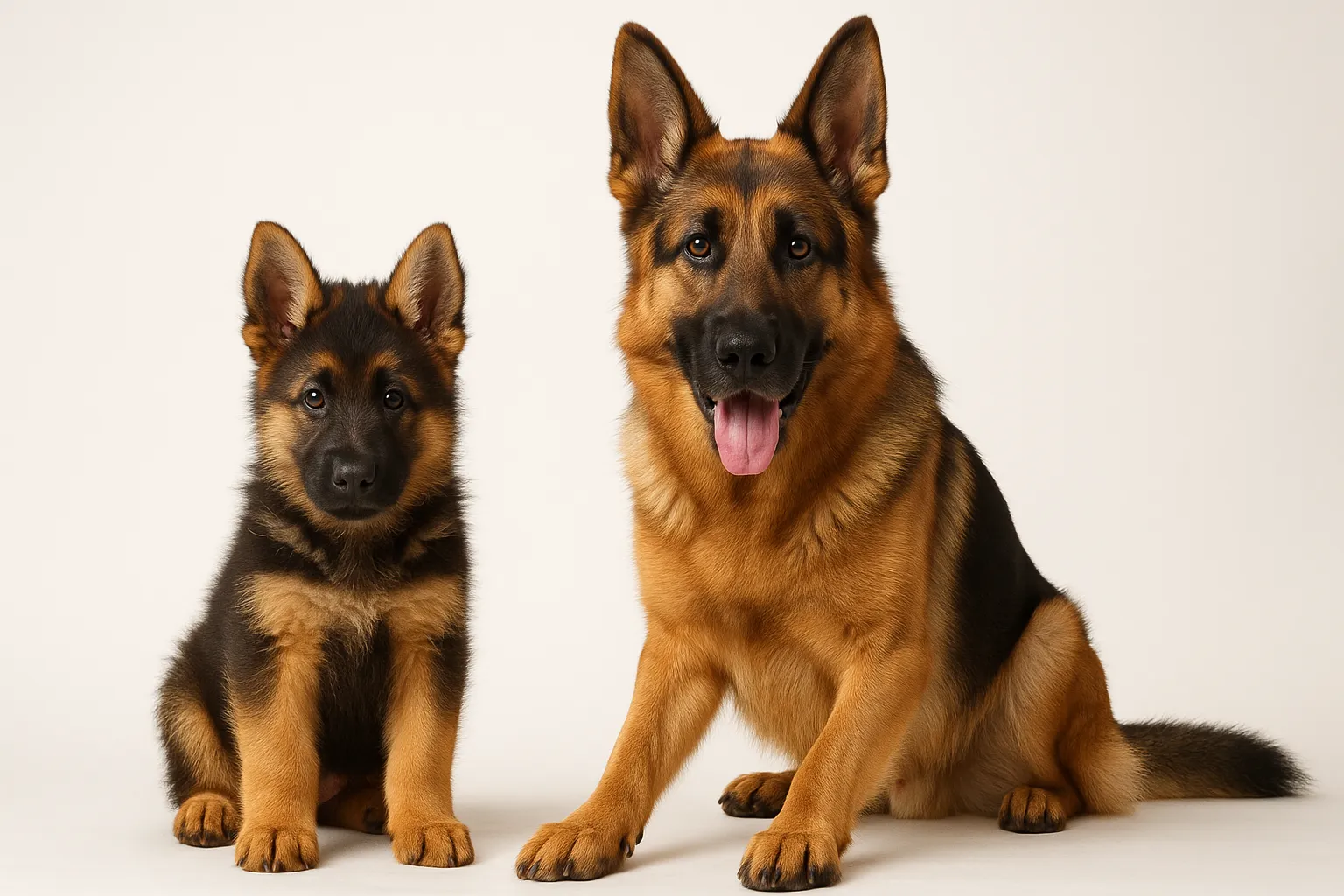
German Shepherds face disproportionate risk of severe chronic ehrlichiosis, likely due to genetic susceptibility. But any dog in a tick-endemic area needs vigilance:
- German Shepherd Lifespan & Longevity Guide
- Doberman Pinscher Lifespan & Longevity Guide
- Beagle Lifespan & Longevity Guide
- Siberian Husky Lifespan & Longevity Guide
Tick prevention is the most effective longevity intervention here — not treatment after the fact.
Additional Breeds at Elevated Risk
Frequently Asked Questions
Can a dog get ehrlichiosis more than once?
Yes. A previous infection does not create reliable protective immunity. Your dog can be reinfected through a new tick bite, which is why year-round tick prevention remains essential even after successful treatment.
How long does doxycycline treatment take?
The standard course is a minimum of 4 weeks. Dogs caught in the chronic phase may need longer. Never stop early because your dog looks better — the bacteria can persist and rebound if the course is cut short.
Is ehrlichiosis contagious between dogs or to humans?
Not through direct contact. Transmission requires a tick bite. Your dog cannot pass ehrlichiosis to another dog or to you by sharing space. Humans can contract different Ehrlichia species through their own tick exposure.
Which tick prevention products protect against ehrlichiosis?
Products that kill ticks before they have fed for 24-48 hours — the window required for pathogen transmission — offer the strongest protection. Discuss prescription-strength tick prevention options with your veterinarian.
What does the subclinical phase of ehrlichiosis look like?
Nothing. That is the problem. Your dog appears entirely normal while the bacteria persist and quietly cause damage. This is why annual tick panels matter in endemic areas — subclinical dogs can progress to chronic disease months or even years after the original bite.
Medical Disclaimer
This content is educational and does not replace veterinary diagnosis or treatment. Dogs with tick exposure, unexplained bleeding, fever, or lethargy need prompt in-person veterinary evaluation.
References
- Harrus S, Waner T. Diagnosis of canine monocytotropic ehrlichiosis (Ehrlichia canis): An overview. Vet J. 2011.
- Neer TM et al. Consensus statement on ehrlichial disease of small animals from the Infectious Disease Study Group of the ACVIM. J Vet Intern Med. 2002.
- CAPC (Companion Animal Parasite Council) ehrlichiosis guidelines. capcvet.org.
- Shipov A et al. Prognostic indicators for canine monocytic ehrlichiosis. Vet Parasitol. 2008.
- Merck Veterinary Manual: Ehrlichiosis and Anaplasmosis. merckvetmanual.com.
Related reads
Related Reading
Continue exploring