Evidence deep dives for Entropion
Pair mechanism-level evidence with practical protocol context before discussing next steps with your veterinarian.
The Eyelid That Turns Against the Eye
Imagine your eyelid folding inward so that your eyelashes scrape across your eye with every blink. That is entropion — and for affected dogs, it never stops.
The constant friction between the rolled eyelid and the corneal surface drives chronic irritation, ulceration, and, if left untreated, corneal scarring and permanent vision loss.
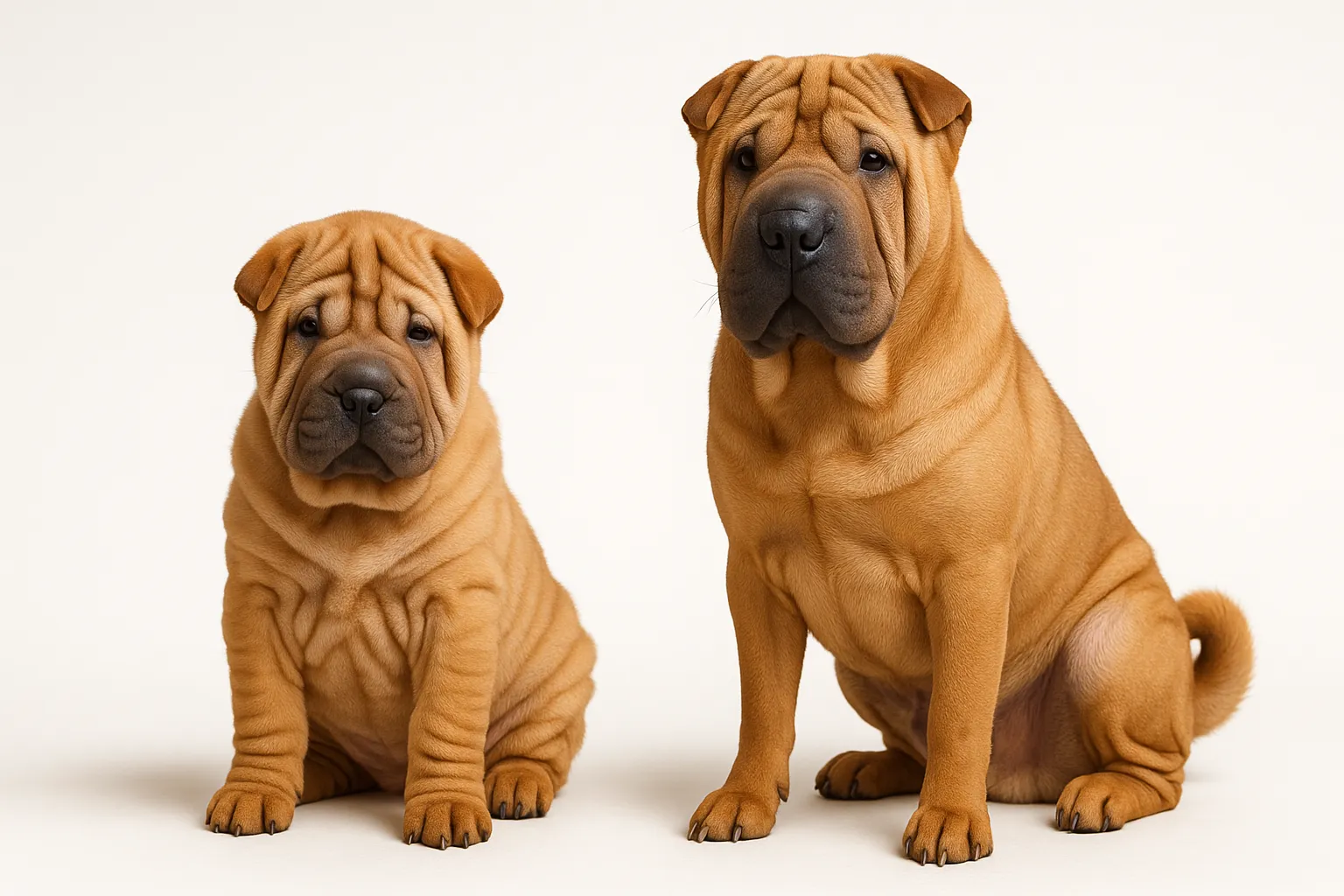
Entropion can be primary (genetic, present from birth or early in life) or secondary (triggered by another eye condition, chronic squinting from pain, or scarring). Primary entropion shows up most often in breeds with excessive facial skin folds or particular skull conformations. Secondary entropion may resolve once the underlying cause receives treatment.
The Bigger Picture: Longevity and Quality of Life
Without treatment, entropion creates a slow-burn cycle of corneal trauma, ulceration, vascularization, and scarring. Each stage compounds the next. Pain accumulates, vision quality erodes, and secondary corneal infections grow more likely.
The longevity-protective move is straightforward: early surgical correction, especially in breeds with genetic predisposition, before significant corneal damage accumulates. Dogs that receive timely repair typically regain normal eye function with no lasting deficits.
Early Signs and Home Monitoring
Owners often chalk up entropion symptoms to allergies or general eye irritation. The signs deserve closer attention:
- excessive tearing or epiphora (tear staining on the face)
- persistent squinting or partial closure of one or both eyes
- pawing at the face or rubbing eyes on surfaces
- visible rolling inward of the eyelid margin on close inspection
- redness of the conjunctiva or visible corneal haze
- discharge (clear to mucoid) from the inner corner of the eye
In brachycephalic and heavy-skinned breeds, check the eyelid margins at least monthly. Catching the problem early means intervening before corneal damage takes hold.
How Entropion Is Diagnosed
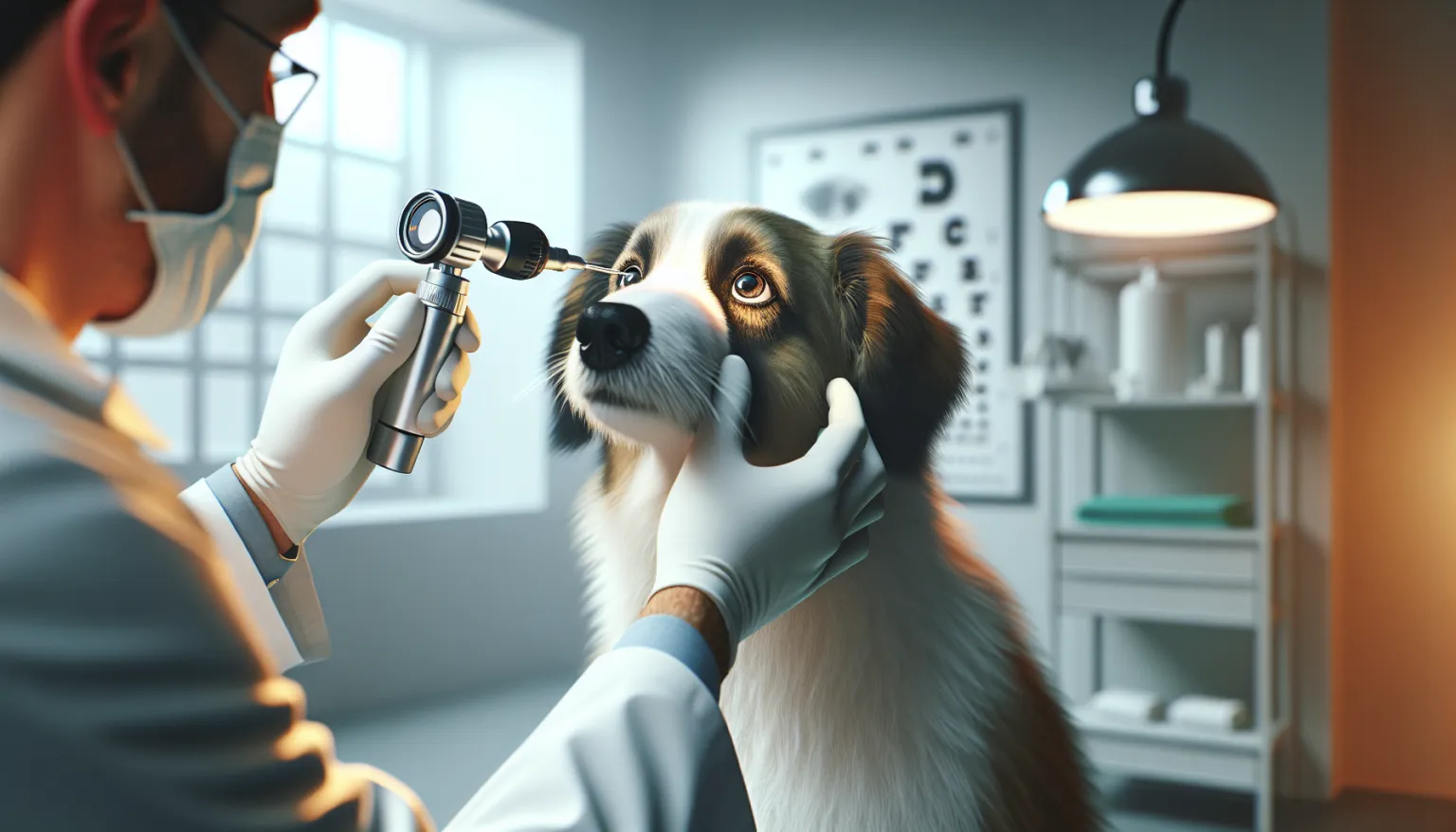
Diagnosis relies on ophthalmic examination. Your veterinarian assesses eyelid position, the degree of inversion, and corneal involvement. Fluorescein staining reveals whether corneal ulceration is already present. A Schirmer Tear Test rules out concurrent dry eye.
The critical distinction is primary versus secondary entropion. Secondary entropion caused by eye pain or spasm may resolve when the underlying condition is treated, sparing the dog from corrective eyelid surgery. Young dogs with entropion may be managed temporarily with lid tacking (temporary sutures) while they finish growing.
Key diagnostic considerations:
- fluorescein staining should be performed to detect corneal ulceration before anesthesia
- distinguish primary from secondary causes — do not rush to permanent surgery for secondary cases
- in puppies, temporary lid tacking may be appropriate while growth continues
- assess both eyelids and both eyes — entropion can be unilateral or bilateral
Treatment and Long-Term Management
The definitive fix for primary entropion is surgical correction, most commonly a Hotz-Celsus procedure. The surgeon removes a strip of skin to reposition the eyelid margin so it no longer rolls inward. The procedure is usually performed once the dog is mature enough that further eyelid development is complete. Success rates with proper surgical technique are high.
While waiting for surgery, several temporary measures help:
- lubricating eye drops reduce corneal friction and discomfort
- topical antibiotics treat corneal ulceration if present
- temporary eyelid tacking in puppies everts the lid during growth phases without committing to permanent surgery
Practical guidelines:
- apply prescribed lubricating eye drops or ointment consistently until surgery
- if corneal ulceration is present, start topical antibiotic treatment immediately
- do not delay surgery in dogs with significant corneal pathology
- post-surgery: use an e-collar to prevent self-trauma during healing
Practical 12-Week Execution Framework
- Weeks 1-2 (baseline lock-in): Confirm diagnosis, start a shared household log, and capture daily markers including eye comfort, appetite, activity tolerance, and sleep quality.
- Weeks 3-4 (adherence audit): Verify that every caregiver follows the same eye-care protocol. Identify missed steps and remove the friction that causes drift.
- Weeks 5-6 (response checkpoint): Compare the current trend against baseline. If corneal signs are not improving, escalate quickly. Avoid changing multiple variables in the same week.
- Weeks 7-8 (risk tightening): Predefine escalation thresholds for severe symptoms. Confirm the after-hours emergency route. Align household decisions so urgent signs are never handled as watch-and-wait.
- Weeks 9-10 (resilience build): Reinforce post-surgical care routines or pre-surgical protection measures that your veterinarian has cleared, so short-term stabilization converts into durable function.
- Weeks 11-12 (handoff to maintenance): Document the long-term reassessment cadence. Decide which metrics still need weekly tracking. Schedule the next checkpoint before momentum fades.
The Drift Pattern Most Families Miss
The biggest risk is reacting only to obvious severe signs. Entropion outcomes improve most when response begins at first measurable drift, not end-stage deterioration.
A short missed window for reassessment can turn a manageable setback into a high-burden cycle: more pain, more cost, slower recovery. The most common process failure is inconsistent household execution, where each caregiver follows a slightly different version of the plan and trend data becomes unreliable.
A second failure is overcorrecting too fast — making multiple simultaneous changes that hide what actually helped. Families who review one objective metric each week usually detect problems much earlier.
Durable control comes from reducing preventable variance in daily execution and escalating quickly when predefined thresholds are crossed.
Nutrition and Eye Health Support
Nutrition does not prevent or treat entropion directly. Post-surgical nutritional support follows standard recovery principles. Omega-3 fatty acids support corneal health and may reduce ocular surface inflammation.
- Omega-3 Fish Oil for Dogs: Evidence, Dosing Context, and Safety
- Vitamin E for Dogs: Evidence and Safety
- Feeding Guide for Adult Dogs: Maintenance Nutrition Without Drift — adequate protein and micronutrient intake supports post-surgical wound healing
For evidence context and execution details, review:
Veterinary Monitoring Timeline
Post-surgical monitoring and long-term eye health surveillance are the priorities:
- post-surgery: 2-week recheck to assess healing and suture removal
- 6-week recheck: corneal evaluation and assessment of surgical outcome
- long-term: annual ophthalmic check in breeds with genetic predisposition
Even after successful surgery, annual eye exams remain advisable in predisposed breeds to catch any recurrence or new corneal changes early.
When to Escalate Same Day
Seek same-day evaluation for complications of entropion or post-surgical issues:
- sudden marked increase in eye pain — intense squinting, pawing, or crying out
- corneal perforation signs: iris visible through the cornea, sudden collapse of the eye
- rapid increase in corneal cloudiness or swelling
- post-operative suture failure with the eyelid returning to its inturned position
Related Condition Pathways
Entropion often overlaps with adjacent pathways that affect diagnosis timing, treatment burden, and long-term resilience:
- Eye Conditions: entropion is one of several periocular structural abnormalities that require individualized management.
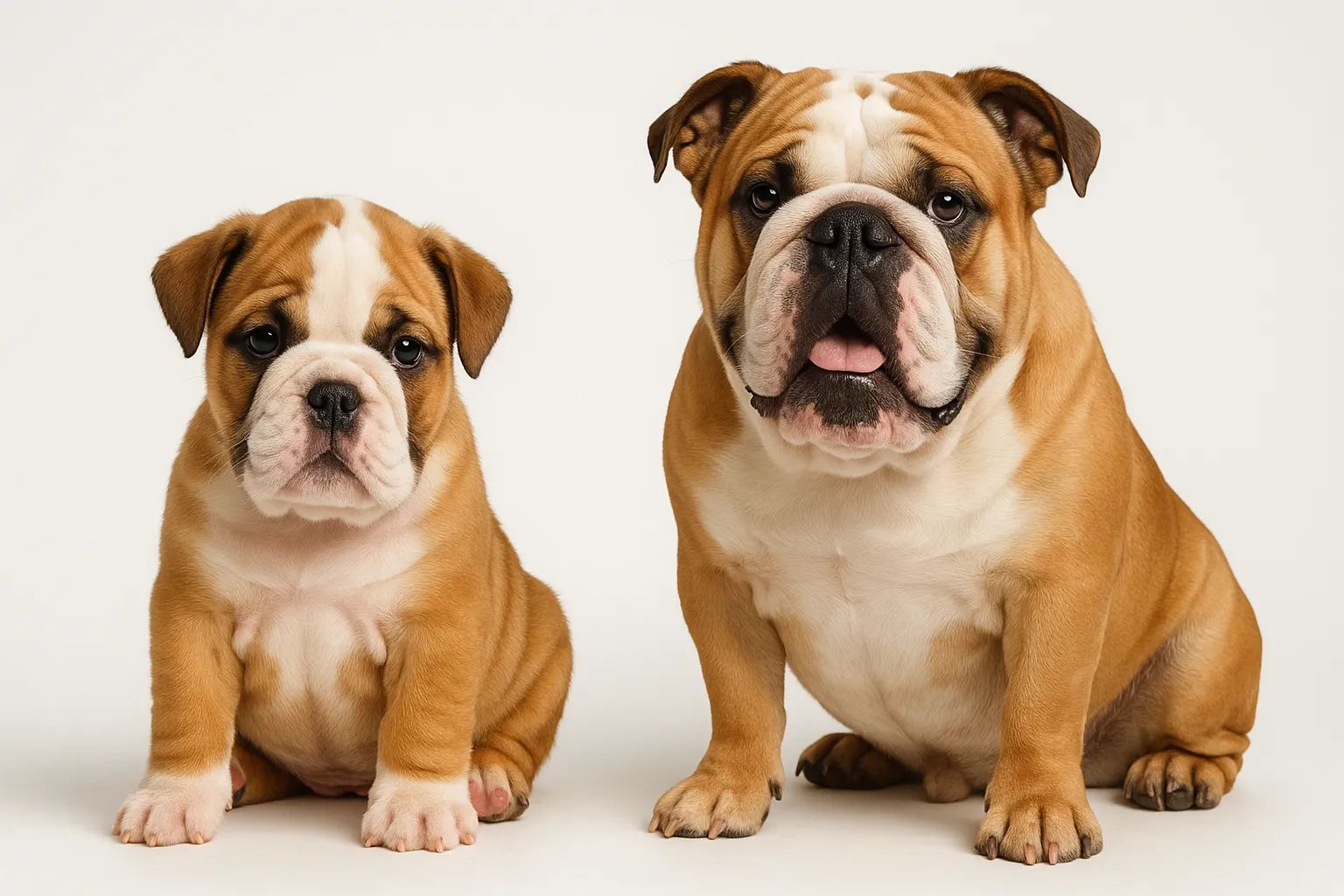
- Brachycephalic Syndrome: brachycephalic dogs are predisposed to multiple eye problems including entropion, lagophthalmos, and KCS.
- Cataracts: secondary entropion can develop in dogs with painful cataracts due to chronic blepharospasm.
- Glaucoma: painful glaucoma can cause secondary entropion from blepharospasm.
Reference these pages to prepare for vet visits and understand your options. Final decisions on diagnosis and treatment belong with your veterinary team.
Related Breed Longevity Guides
Breed predisposition for entropion is well established in these dogs:
- English Bulldog Lifespan & Longevity Guide
- Rottweiler Lifespan & Longevity Guide
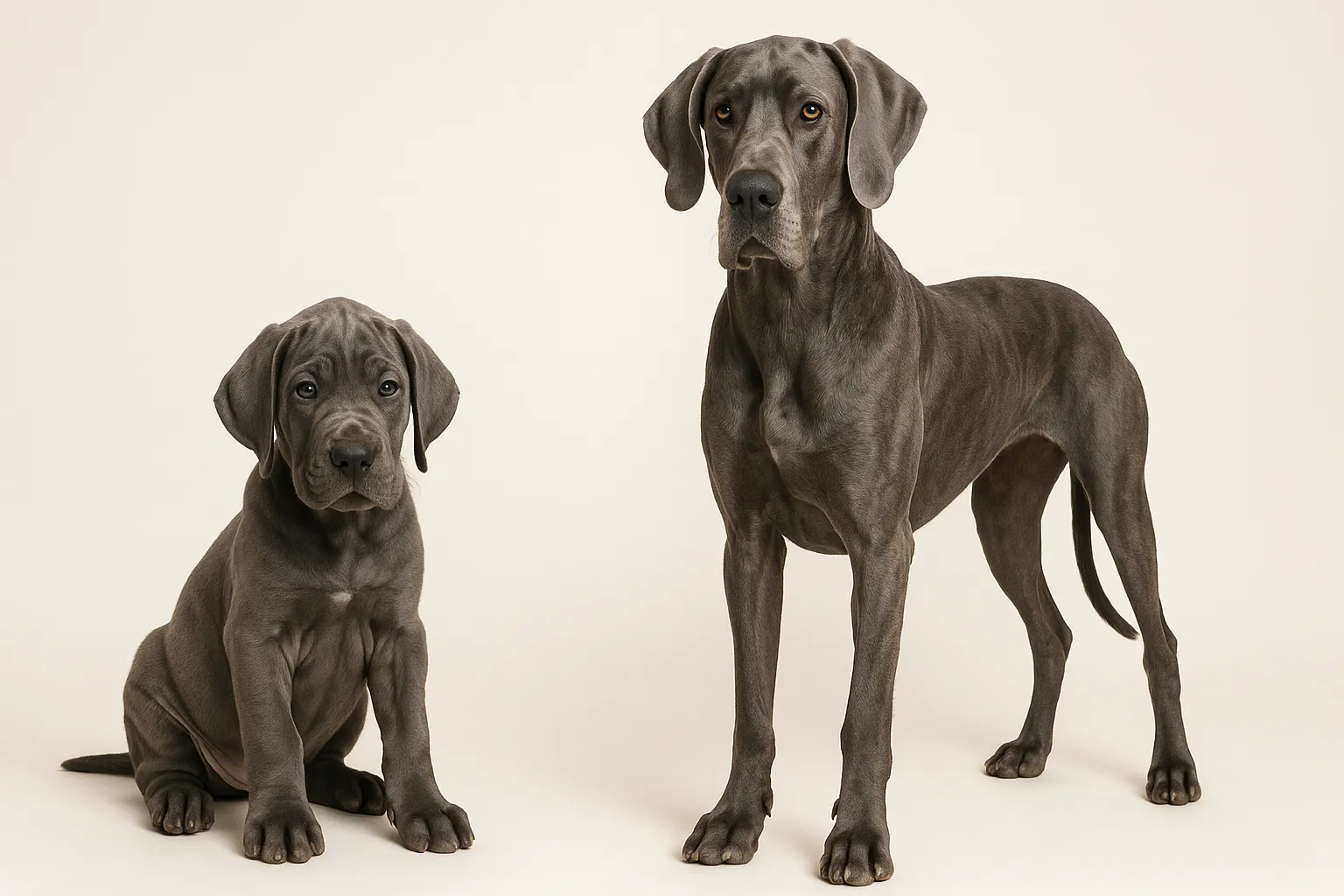
- Great Dane Lifespan & Longevity Guide
- Cocker Spaniel Lifespan & Longevity Guide
Owners of predisposed breeds should know what entropion looks like and seek evaluation at the first sign of chronic squinting or tearing.
Additional Breeds at Elevated Risk
Frequently Asked Questions
Can entropion be treated without surgery?
In young puppies, temporary lid tacking provides relief while the dog grows. Secondary entropion may resolve when the underlying cause is treated. True primary entropion in adult dogs requires surgery for definitive correction.
Will my dog need to be fully anesthetized for the surgery?
Yes. Eyelid surgery requires general anesthesia for patient safety and surgical precision. The procedure is typically brief (20-40 minutes) with fast recovery.
Is entropion painful?
Yes — chronic eyelash and skin-to-cornea friction is uncomfortable and causes squinting, tearing, and eventually pain from corneal ulceration. Treating entropion relieves significant ongoing discomfort.
Can entropion come back after surgery?
Recurrence is uncommon with well-performed Hotz-Celsus surgery. Over-correction (outward rolling — ectropion) is a possible complication, which is why experienced ophthalmic surgeons are preferred.
Does entropion affect vision?
It can, if corneal scarring from chronic untreated entropion is severe. Dogs that receive timely surgery before significant corneal damage accumulates typically maintain normal vision.
Medical Disclaimer
This content is educational and does not replace veterinary or veterinary ophthalmology evaluation and treatment. Entropion with corneal ulceration requires prompt professional management to prevent vision loss.
References
- Gelatt KN. Veterinary Ophthalmology. 5th ed. Wiley-Blackwell. 2013.
- Stades FC, Boeve MH. Surgical correction of abnormal eyelid conformation in dogs and cats. Vet Clin North Am Small Anim Pract. 1994.
- Merck Veterinary Manual: Entropion and Ectropion. merckvetmanual.com.
- Peiffer RL, Peterson-Jones SM. Small Animal Ophthalmology: A Problem-Oriented Approach. Saunders. 2001.
Related reads
Related Reading
Continue exploring