Evidence deep dives for Exercise-Induced Collapse
Pair mechanism-level evidence with practical protocol context before discussing next steps with your veterinarian.
Mid-Retrieve, Full Speed — Then the Legs Give Out
Your Lab is mid-retrieve, full speed, fully focused — and then the hind legs start to wobble. Within minutes, the dog is dragging its rear or collapsing entirely. Eyes alert. Tail still wagging. But the body will not cooperate.
This is exercise-induced collapse (EIC), a hereditary neuromuscular condition driven by a mutation in the DNM1 gene. That gene encodes dynamin 1, a protein critical for recycling the tiny packets of chemical signal at the junction between nerves and muscles. EIC follows an autosomal recessive pattern: a dog must inherit two copies of the mutant allele (one from each parent) to show clinical signs.
EIC shows up during or immediately after intense, high-excitement exercise. The dog remains conscious and mentally alert throughout — a key distinction from seizures or cardiac syncope. Body temperature spikes significantly during episodes, and hyperthermia likely plays a role in triggering the neuromuscular breakdown.
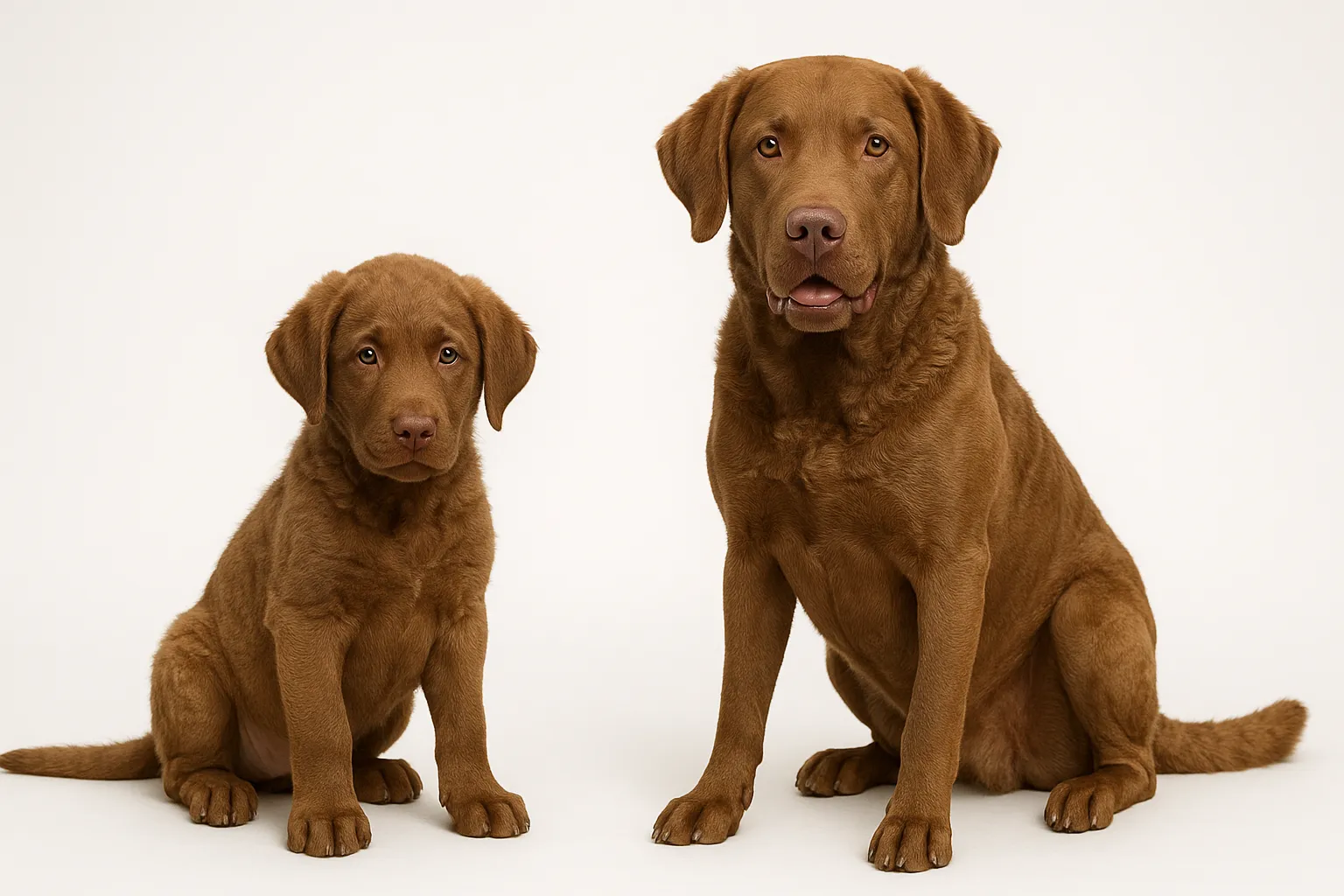
About 3% of Labrador Retrievers carry two copies of the mutation. EIC has also been identified in Chesapeake Bay Retrievers, Curly-Coated Retrievers, Boykin Spaniels, and other retriever breeds. Border Collies can show a similar clinical picture, but the underlying genetic cause differs.
The Longevity Impact
EIC poses two longevity risks. The first is immediate: severe episodes carry a small but real chance of fatal outcome, estimated at 1-2% of episodes in severely affected dogs. When hyperthermia combines with intense exertion, heat stroke or cardiac arrhythmia can follow. The second risk is functional: EIC fundamentally limits working and sporting performance and must be managed to keep an active dog safe.
Genetic testing has changed everything. Knowing a dog’s genotype before purchase or breeding allows informed decisions about exercise protocols, breeding pairings, and career suitability for working dogs. For owners, the diagnosis converts a frightening, confusing episodic problem into a manageable genetic trait with defined triggers.
What EIC Episodes Look Like
The first episode is alarming. Knowing the pattern in advance helps owners respond quickly instead of panicking.
- hindlimb wobbling, stumbling, or “drunken” gait during intense exercise — usually after 5-20 minutes of sustained high-intensity activity
- progressive hindlimb weakness leading to the dog dragging its rear or fully collapsing
- the dog remains fully conscious, alert, and often tries to continue moving
- body temperature significantly elevated (often above 41C / 106F) at time of collapse
- rapid recovery — most episodes resolve within 5-30 minutes of rest and cooling
- episodes typically triggered by high-excitement, high-intensity activities: retrieving, field work, intense play
The combination of collapse during intense exercise with a conscious, alert dog that recovers within 30 minutes is highly characteristic. Cardiac syncope and seizures present differently — EIC dogs do not lose consciousness and do not show post-ictal confusion.
Diagnosis
A cheek swab settles it. Genetic testing for the DNM1 mutation is the definitive diagnostic test, available from multiple commercial veterinary genetic testing laboratories. Results classify dogs as clear (N/N), carrier (N/EIC), or affected (EIC/EIC). Carriers show no clinical signs but can pass the allele to offspring.
For dogs that have already collapsed, genetic testing confirms EIC, but the episode description and physical examination also carry diagnostic weight. Exercise testing in a controlled setting is used in research but is neither necessary nor recommended for routine diagnosis. Cardiac evaluation (ECG, echocardiogram) should be performed to exclude primary cardiac arrhythmia as a cause of exercise intolerance.
Key diagnostic steps:
- genetic testing (DNM1 mutation) via mail-in cheek swab kits — simple, inexpensive, definitive
- ECG and cardiac evaluation to exclude arrhythmia-related syncope
- rectal temperature measurement during or immediately after an episode (often 41-42C in EIC)
- bloodwork post-episode may show elevated CK (creatine kinase) from muscle involvement
Management and Exercise Modification
There is no drug that cures EIC. Management is entirely behavioral: avoiding the exercise intensity and excitement levels that trigger episodes. The good news is that most affected dogs can live normal, active lives with appropriate modification. The critical variables are intensity and excitement — moderate sustained exercise is generally well-tolerated, while high-excitement, high-intensity bursts trigger collapse.
During an episode: Stop exercise immediately. Move the dog to a cool area. Apply cool (not ice cold) water to the groin, armpits, and neck. Allow rest and monitor closely. Most dogs recover within 5-30 minutes. Any episode lasting more than 30 minutes, or accompanied by severe hyperthermia (above 41.5C), prolonged recovery, or neurological signs post-episode, warrants emergency veterinary evaluation.
Practical safeguards:
- avoid high-intensity, high-excitement exercise in warm weather — combining intensity with heat dramatically increases episode risk
- train and work in cooler conditions when possible
- use rest breaks during extended exercise before the dog reaches near-collapse intensity
- inform all caregivers, dog sitters, and trainers of the condition and the episode protocol
- carry water and a cooling kit (spray bottle, cool wet towel) during all exercise
Getting Started: The First 12 Weeks
- Weeks 1-2 (baseline lock-in): Confirm genetic diagnosis. Start a shared household log capturing daily markers: activity type, intensity, temperature conditions, and any episode details.
- Weeks 3-4 (adherence audit): Verify that every caregiver follows the same exercise protocol. Identify any situation where the dog is being pushed past safe intensity thresholds.
- Weeks 5-6 (response checkpoint): Compare exercise tolerance against baseline. Refine the individual dog’s threshold by systematic observation. Avoid changing multiple variables simultaneously.
- Weeks 7-8 (risk tightening): Predefine escalation thresholds for severe episodes. Confirm the after-hours emergency route. Ensure all caregivers can execute the cooling protocol without hesitation.
- Weeks 9-10 (resilience build): Lock in the exercise routine that your veterinarian has cleared. Build confidence that moderate activity is safe and beneficial.
- Weeks 11-12 (handoff to maintenance): Document the long-term cadence for cardiac rechecks if needed. Decide which metrics still need weekly tracking. Schedule the next checkpoint before momentum fades.
The Drift Pattern Most Families Miss
The biggest risk is complacency after a quiet stretch. Families react to dramatic episodes but miss the subtle ways that exercise thresholds can shift with age, fitness changes, or seasonal heat.
Inconsistent household execution is the most common process failure. One caregiver follows the protocol; another takes the dog for an intense game of fetch. When everyone operates from a different playbook, preventable episodes happen.
A second failure is overcorrecting — restricting the dog so severely that fitness declines, which paradoxically can lower the collapse threshold over time. Families who log one objective metric per week (episode count, exercise duration before any wobble, ambient temperature) detect problems earlier and adjust with precision rather than guesswork.
Nutritional Considerations
No specific dietary intervention is proven to reduce EIC episode frequency. Maintaining lean body condition reduces the metabolic and thermoregulatory load during exercise. Adequate hydration before and during activity may marginally help thermoregulation.
Some anecdotal reports suggest a high-fat, moderate-protein diet (ketogenic-type) reduces episodes, but no controlled clinical data in dogs supports this. Do not modify diet based on unverified claims without discussing with your veterinarian.
- Feeding Guide for Adult Dogs: Maintenance Nutrition Without Drift
- Omega-3 Fish Oil for Dogs: Evidence, Dosing Context, and Safety
- Electrolytes for Dogs: When Supplementation Makes Sense — relevant for hydration and thermoregulation support during exercise in warm conditions
For evidence context and execution details, review:
- Genetic Testing for Dogs: Clinical ROI
- Exercise Protocols by Breed Size
- Heat Acclimatization Protocol for Dogs
Monitoring Affected Dogs
The goal is finding and staying below your individual dog’s exercise-collapse threshold, which varies between affected dogs.
- keep a log of each episode including duration of exercise, ambient temperature, excitement level, and recovery time
- establish the dog’s personal threshold through systematic observation over weeks
- monitor rectal temperature after intense exercise — temperatures above 39.5C (103F) warrant cooling before continuing
- annual cardiac evaluation in dogs with frequent or severe episodes
Most EIC-affected dogs are stable once exercise modification is dialed in. The effort is front-loaded: once you know your dog’s limits, daily management becomes routine.
When to Seek Emergency Care
Seek emergency veterinary care for episodes with any of these features:
- collapse lasting more than 30 minutes without recovery
- rectal temperature above 41.5C (106.7F) that is not responding to cooling
- loss of consciousness or seizure-like activity (not typical for EIC)
- cardiovascular signs: pale gums, labored breathing, irregular pulse
- post-episode neurological signs that do not resolve with rest
Related Condition Pathways
Exercise-Induced Collapse often overlaps with adjacent pathways that affect diagnosis timing, treatment burden, and long-term resilience:
- Heat Stroke: EIC episodes significantly elevate core temperature and can progress to heat stroke in severe cases or hot conditions.
- Myasthenia Gravis: shares the exercise-induced weakness presentation; distinguished by genetic testing and acetylcholine receptor antibody testing.
- Epilepsy: exercise-triggered seizures may initially appear similar; EIC dogs remain conscious during episodes.
Use these pages to build understanding and inform your conversations with your vet. Treatment decisions should always be confirmed clinically.
Related Breed Longevity Guides
EIC is primarily a condition of retriever breeds:
Genetic testing before purchasing a Labrador Retriever or related retriever breed is recommended, particularly for dogs intended for working, hunting, or sporting purposes.
Additional Breeds at Elevated Risk
Curly-Coated Retriever, Boykin Spaniel.
Frequently Asked Questions
Is EIC the same as heat stroke?
No, though they can co-occur. EIC is a specific genetic neuromuscular condition triggered by exercise intensity and excitement. Heat stroke is a broader thermoregulatory emergency. EIC episodes do elevate body temperature significantly, which means severe EIC episodes in hot conditions can progress to heat stroke.
Can EIC-affected dogs live normal lives?
Yes, with exercise modification. Most EIC-affected dogs can enjoy regular exercise, play, and activities at levels that do not trigger collapse. The restriction is specifically on high-excitement, high-intensity sustained exercise in warm conditions. Many affected dogs are never identified because they are not used for intense working purposes.
Should I breed my EIC-positive dog?
Affected dogs (EIC/EIC) will pass one mutant allele to every offspring. Breeding two carriers (N/EIC) produces a 25% chance of affected offspring. Current guidelines recommend not breeding affected dogs and testing carriers before pairing. Discuss breeding decisions with your veterinarian and breed club health committee.
My Labrador collapses during play but recovers quickly — could it be EIC?
If the dog is conscious and alert during the episode and recovers fully within 30 minutes of rest and cooling, EIC is a strong possibility. Genetic testing is the definitive answer and is inexpensive and non-invasive. Cardiac evaluation should also be performed to exclude arrhythmia.
Is there a treatment for EIC?
There is currently no pharmacological treatment that prevents or reverses the underlying neuromuscular dysfunction in EIC. Management is entirely through exercise modification — avoiding the specific triggers that cause episodes. Research into potential therapeutic approaches continues, but exercise management remains the current standard.
Medical Disclaimer
This content is educational and does not replace veterinary diagnosis. Dogs with collapse episodes during exercise require veterinary evaluation including cardiac assessment before exercise is resumed. EIC diagnosis requires genetic testing.
References
- Patterson EE et al. A canine DNM1 mutation is highly associated with the syndrome of exercise-induced collapse. Nat Genet. 2008.
- Taylor SM et al. Minimal exercise intolerance in Labrador Retrievers with exercise-induced collapse. J Vet Intern Med. 2009.
- Furrow E et al. Prevalence and inheritance characteristics of exercise-induced collapse in Labrador Retrievers and related breeds. JAVMA. 2013.
- Minor KM et al. Phenotypic and genetic analysis of dogs homozygous for the exercise-induced collapse mutation. J Vet Intern Med. 2011.
Related reads
Related Reading
Continue exploring