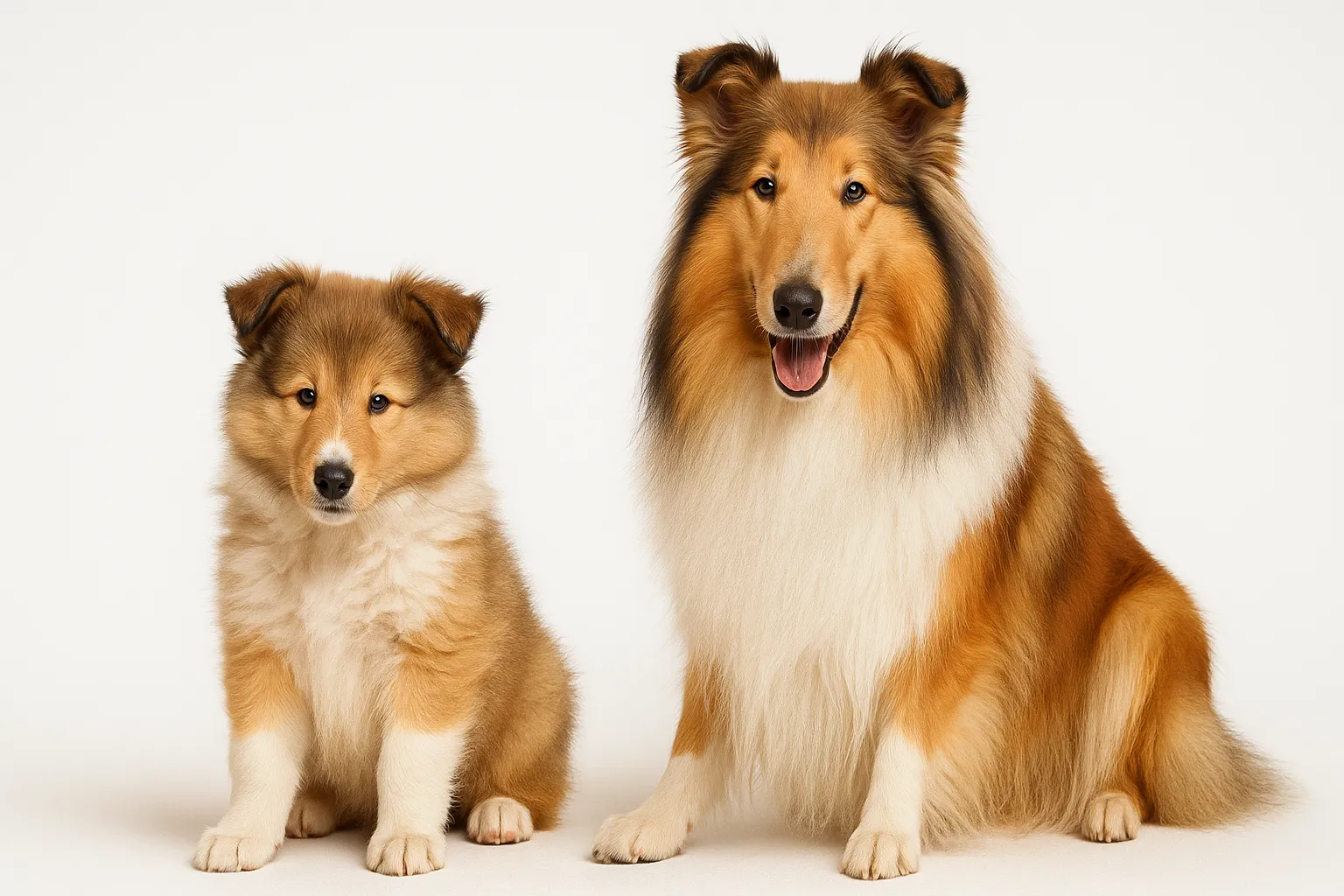
Evidence deep dives for Exocrine Pancreatic Insufficiency (EPI)
Pair mechanism-level evidence with practical protocol context before discussing next steps with your veterinarian.
Eating Everything, Absorbing Almost Nothing
Your dog is ravenous. Eats everything in sight. And keeps losing weight anyway.
That disconnect — appetite up, body condition down — is the hallmark of exocrine pancreatic insufficiency. The pancreas fails to produce adequate digestive enzymes, so food passes through without being properly absorbed. Large, pale, greasy stools pile up. Energy drops. The coat dulls. And despite eating more than ever, the dog wastes away.
EPI is not a short-course problem. Most dogs need lifelong enzyme replacement, individualized feeding strategy, and ongoing monitoring to keep weight, stool quality, and energy stable.
Pathophysiology — What Happens Inside the Pancreas
The exocrine pancreas produces three critical enzyme groups: lipases (fat digestion), proteases (protein digestion), and amylases (carbohydrate digestion). In a healthy dog, the pancreas secretes these enzymes into the duodenum after every meal, where they break food into absorbable components.
In EPI, the acinar cells — the functional enzyme-producing units of the pancreas — lose their ability to function. Clinical signs do not appear until approximately 85-90% of exocrine function is gone, which means the disease often progresses silently for months or years before diagnosis.
The two primary mechanisms of acinar destruction are:
- Pancreatic acinar atrophy (PAA). The most common cause in dogs, responsible for an estimated 50-70% of cases. This is an immune-mediated process in which lymphocytic inflammation progressively destroys acinar tissue. In German Shepherds and Rough Collies, PAA has a documented genetic predisposition with autosomal recessive inheritance. The disease typically manifests in young adults (ages 1-5 years).
- Chronic pancreatitis. Repeated or sustained pancreatic inflammation leads to fibrosis and eventual loss of functional tissue. This is the second most common cause and is more typical in middle-aged to older dogs of various breeds. The progression is slower and often accompanied by episodes of clinical pancreatitis before EPI develops.
Less common causes include pancreatic neoplasia and congenital pancreatic hypoplasia.
The downstream consequences of inadequate enzyme production cascade beyond simple maldigestion:
- Fat malabsorption produces the characteristic voluminous, pale, greasy stool and drives caloric deficit
- Protein malabsorption leads to muscle wasting and impaired immune function
- Small intestinal bacterial overgrowth (SIBO) occurs in up to 70% of EPI dogs because undigested nutrients fuel abnormal bacterial proliferation
- Cobalamin (vitamin B12) deficiency develops in 80-90% of EPI dogs due to disrupted ileal absorption, and is independently associated with poor treatment response
- Folate elevation can occur due to bacterial synthesis in the proximal small intestine
The Bigger Picture: Longevity and Quality of Life
Uncontrolled EPI quietly erodes longevity. Chronic malabsorption strips lean mass, depletes micronutrients, and drives repeated digestive flare cycles. Over time, dogs become more vulnerable to infections, frailty, and quality-of-life decline.
The encouraging part: early correction of digestive insufficiency plus structured follow-up can restore function in many dogs. With appropriate enzyme replacement and nutritional management, most EPI dogs can achieve a normal or near-normal lifespan. Healthspan gains come from consistency and patience, not from frequent protocol switching without data.
Dogs with uncorrected cobalamin deficiency have significantly worse outcomes, making micronutrient monitoring a critical — and often overlooked — component of longevity management.
Early Clinical Pattern and Home Monitoring
The classic pattern is persistent digestive underperformance despite appetite. Day-to-day memory is unreliable for tracking this, so weekly logs become essential.
Watch for:
- chronic weight loss with normal or increased appetite (polyphagia)
- large-volume, pale, yellow-gray, or greasy stools (steatorrhea)
- increased stool frequency and urgency — some dogs defecate 4-8 times daily
- flatulence, audible gut activity (borborygmi), or post-meal discomfort
- coat quality decline — dry, brittle, thinning fur
- reduced exercise endurance and muscle wasting
- coprophagia (eating feces) — a frequently reported behavioral sign
- pica (eating non-food items)
- incomplete response to generic diet changes alone
- intermittent vomiting in some dogs
Stool and body-weight logs are the core tools in EPI management. They reveal trends that daily impressions obscure.
Diagnostic Workflow and Response Verification
Primary Diagnostic Test — Serum TLI
The canine trypsin-like immunoreactivity (cTLI) test is the gold-standard diagnostic for EPI. It measures pancreas-specific trypsinogen in serum.
- Fasting requirement: 8-12 hours before blood draw
- Diagnostic threshold: cTLI below 2.5 mcg/L is diagnostic for EPI in dogs
- Equivocal range: 2.5-5.7 mcg/L — these dogs may have subclinical disease and should be retested in 1-3 months
- Normal range: above 5.7 mcg/L
- Sensitivity and specificity: both exceed 95% when proper fasting protocol is followed
Supporting Laboratory Tests
Once EPI is confirmed, additional testing guides treatment optimization:
- Serum cobalamin (vitamin B12): Below reference range in 80-90% of EPI dogs at diagnosis. Deficiency impairs treatment response and must be corrected.
- Serum folate: Often elevated due to SIBO. High folate with low cobalamin is a classic EPI pattern.
- CBC and chemistry panel: Assess for concurrent disease, liver health, and protein status.
- Fecal culture or dysbiosis index: Consider when SIBO is suspected and response to enzyme therapy alone is incomplete.
Ruling Out Concurrent Disease
When response to enzyme replacement is partial, clinicians evaluate:
- adherence quality and enzyme administration technique
- cobalamin status and supplementation adequacy
- concurrent IBD or chronic enteropathy (present in an estimated 15-30% of EPI dogs)
- concurrent exocrine pancreatic neoplasia (rare but important to exclude in older dogs with atypical presentation)
- diet compatibility and caloric adequacy
Key steps:
- establish baseline body weight and stool profile before therapy changes
- review enzyme handling and administration timing precisely
- reassess response after each planned adjustment interval
- investigate persistent poor response for concurrent GI pathology
Treatment Protocols
Enzyme Replacement Therapy
Pancreatic enzyme replacement is the foundation of EPI management. Without it, the dog cannot digest food.
- Powdered pancreatic enzyme extract (e.g., Pancrezyme, Viokase, or generic pancrelipase) is the standard formulation. Raw pork pancreas can also be used and may be more cost-effective for large dogs.
- Typical starting dose: 1-2 teaspoons of powdered enzyme per cup of food for medium to large dogs, adjusted based on response. Follow the specific product’s dosing guidelines.
- Pre-incubation: Mixing enzymes with food and allowing 15-20 minutes of incubation at room temperature before feeding was historically recommended. Recent evidence suggests pre-incubation does not consistently improve outcomes, but some dogs do respond better with this step. Discuss with your veterinarian.
- Feeding frequency: Divide daily food into 2-3 smaller meals to optimize enzyme-food contact and absorption efficiency.
- Enteric-coated products: Generally less effective than powdered formulations in dogs because the coating may not dissolve optimally in the canine GI tract.
- Raw pancreas: 3-4 ounces of raw pork pancreas per meal can substitute for powdered enzymes. Raw pancreas can be purchased frozen and portioned. It should be kept frozen until use and never cooked (heat destroys enzymes).
Cobalamin Supplementation
Cobalamin deficiency must be corrected for optimal treatment response. Dogs with subnormal cobalamin levels at diagnosis often do not respond adequately to enzyme replacement alone.
- Traditional protocol: Subcutaneous cyanocobalamin injections (250-1500 mcg depending on body weight) given weekly for 6 weeks, then every 2 weeks for 6 weeks, then monthly. Recheck serum cobalamin 1 month after the last injection.
- Oral supplementation: Recent studies support high-dose oral cobalamin supplementation (250-1000 mcg daily depending on dog size) as an effective alternative to injections in many dogs. This improves owner compliance significantly.
- Monitoring: Recheck cobalamin levels 4-6 weeks after initiating supplementation. Indefinite supplementation is often needed because the underlying absorptive defect persists.
Antibiotic Therapy for SIBO
When small intestinal bacterial overgrowth contributes to persistent signs despite enzyme replacement:
- Tylosin (25 mg/kg twice daily for 4-6 weeks) or metronidazole (10-15 mg/kg twice daily for 2-4 weeks) are commonly used
- Antibiotic courses may need to be repeated periodically in some dogs
- Probiotics may provide adjunctive benefit, though evidence in EPI specifically is limited
Dietary Management
- Highly digestible, moderate-fat diet is the current recommendation for most EPI dogs. The historical advice to feed ultra-low-fat diets has been largely abandoned because many EPI dogs tolerate and absorb moderate fat levels well when adequate enzyme replacement is provided.
- Avoid high-fiber diets — excess fiber can impair enzyme activity and reduce nutrient absorption.
- Caloric adequacy is critical during weight restoration. EPI dogs may need 20-50% more calories than maintenance requirements until target body condition is achieved.
- Treats and table food must have enzymes added or be avoided. Undigested calories worsen stool quality and counteract the management plan.
Cost Considerations
EPI management carries significant ongoing costs that owners should plan for:
- Diagnostic workup (cTLI + cobalamin + bloodwork): $250-$500
- Powdered pancreatic enzymes: $50-$200/month depending on dog size and product. Generic pancrelipase powder is typically less expensive than brand-name products.
- Raw pork pancreas (alternative): $20-$60/month — significantly cheaper for large-breed dogs
- Cobalamin injections: $15-$30 per injection; oral supplements $10-$25/month
- Monitoring bloodwork: $150-$300 per panel, typically every 3-6 months during stabilization
- Antibiotic courses (if needed): $30-$80 per course
The lifetime cost is substantial but manageable with planning. Discuss generic enzyme options and raw pancreas sourcing with your veterinarian if cost is a barrier to consistent treatment.
Prognosis
With consistent management, most EPI dogs do well:
- Dogs with PAA (the most common cause): Good to excellent long-term prognosis. Most achieve weight stabilization and normal stool quality within 2-4 months of initiating therapy. Lifespan is often normal.
- Dogs with EPI secondary to chronic pancreatitis: Fair to good prognosis. Outcome depends on the degree of concurrent pancreatic endocrine damage (risk of diabetes mellitus) and any residual inflammatory disease.
- Dogs with uncorrected cobalamin deficiency: Poor response to therapy until deficiency is addressed. Once corrected, prognosis aligns with the underlying cause.
- Dogs with concurrent IBD: More complex management required. Response may be slower and less complete. These dogs often need combination therapy.
Approximately 60-80% of dogs achieve good to excellent clinical response with appropriate enzyme replacement, dietary management, and cobalamin supplementation. Most treatment failures trace to adherence issues, uncorrected cobalamin deficiency, or undiagnosed concurrent disease — not to inherent treatment limitations.
Living With EPI — Daily Management
Feeding Routine
- Mix enzymes thoroughly with each meal. Every caregiver must use the same measured amount and the same technique.
- Feed 2-3 meals daily rather than one large meal.
- Keep a consistent feeding schedule — GI stability in EPI dogs is closely tied to routine.
- Store enzyme powder in a cool, dry location (not above the stove or in direct sunlight). Refrigeration extends potency.
- If using raw pancreas, thaw only what you need. Do not refreeze.
Environmental Considerations
- EPI dogs produce significantly more stool volume and gas than normal. Plan for more frequent yard cleanup.
- Coprophagia is common — monitor during walks and yard time.
- Weight monitoring with a home scale (weekly during stabilization, biweekly during maintenance) provides the best trend data.
Travel and Disruption
- Pack enzyme supplements and measured food portions for travel. Disrupted routine is the most common trigger for EPI flares.
- Provide written enzyme and feeding instructions for pet sitters or boarding facilities. Do not assume they will remember verbal instructions.
Building the Longevity Management Plan
The most successful EPI plans share one trait: repeatability. Same feeding structure, clear enzyme process, one-variable-at-a-time adjustments. This approach reduces flare frequency and prevents the weight volatility that wears dogs down.
Work with your veterinary team to define objective response targets — stool quality, stool frequency, weekly weight trend, energy recovery — then use those targets to guide escalation decisions rather than gut feelings.
Practical anchors:
- treat enzyme replacement as a non-negotiable daily protocol
- measure portions and record weight trends at least weekly during stabilization
- avoid rapid multi-product changes that obscure true response
- set explicit criteria for when to add further GI diagnostics
12-Week Monitoring and Response Plan
- Weeks 1-2 (baseline lock-in): Confirm diagnosis with cTLI. Check cobalamin and folate. Start enzyme replacement and begin cobalamin supplementation if needed. Start a shared household log capturing daily markers: stool quality (use a 1-7 fecal scoring system), appetite, weight, activity tolerance, and sleep quality.
- Weeks 3-4 (adherence audit): Verify that every caregiver follows the same enzyme and feeding protocol. Identify missed doses or process friction and fix the bottleneck. Weigh the dog weekly. If cobalamin injections were started, maintain the schedule.
- Weeks 5-6 (response checkpoint): Compare the current trend against baseline. Expect meaningful stool improvement by week 4-6 if enzyme dose and cobalamin are adequate. If core markers are not improving, escalate quickly — reassess dose, cobalamin status, and evaluate for concurrent disease. Avoid changing multiple variables in the same week.
- Weeks 7-8 (risk tightening): Predefine escalation thresholds for severe symptoms. Confirm the after-hours emergency route. Align household decisions so urgent signs are never handled as watch-and-wait. Recheck cobalamin level if supplementation was initiated.
- Weeks 9-10 (resilience build): Reinforce the feeding, enzyme, and activity routines that your veterinarian has cleared, so short-term stabilization converts into durable function. Most dogs should show measurable weight gain by this point.
- Weeks 11-12 (handoff to maintenance): Document the long-term reassessment cadence. Decide which metrics still need weekly tracking. Schedule the next checkpoint before momentum fades. Establish the 3-month and 6-month recheck schedule with your veterinarian.
The Drift Pattern Most Families Miss
EPI outcomes usually improve most when response begins at first measurable drift, not after obvious deterioration. A short missed window for reassessment can turn a manageable setback into a high-burden cycle with more weight loss, more cost, and slower recovery.
The most common process failure is inconsistent household execution. One person mixes the enzymes correctly; another skips the pre-incubation step. When each caregiver follows a different version of the plan, trend data becomes unreliable and clinical response suffers.
A second failure is overcorrecting too fast — making multiple simultaneous changes that hide what actually helped. Families who review one objective metric each week (stool quality, weight, or energy level) detect relapse much earlier.
Durable control comes from reducing preventable variance in daily execution and escalating quickly when predefined thresholds are crossed.
Breed-Specific Risk Data
- German Shepherd: The most commonly affected breed by a wide margin. Prevalence of PAA-related EPI is estimated at 1-2% of the breed population. Autosomal recessive inheritance is documented. Median age at diagnosis is 1-5 years. Generally responds well to enzyme replacement.
- Rough Collie: Second most commonly affected breed for PAA. Similar inheritance pattern to German Shepherds.
- Cavalier King Charles Spaniel: Emerging evidence suggests increased predisposition. Typically presents at a younger age.
- Chow Chow and English Setter: Occasional reports of breed predisposition.
- Cocker Spaniel and English Springer Spaniel: May develop EPI secondary to chronic pancreatitis more commonly than other breeds.
- Labrador Retriever: Affected occasionally. More likely to develop EPI from chronic pancreatitis than from PAA.
Breed predisposition should prompt earlier cTLI testing when compatible signs appear — particularly chronic weight loss with polyphagia in young-adult German Shepherds or Rough Collies.
Nutrition and Supportive Care Priorities
Nutrition decisions in EPI should prioritize digestibility, response consistency, and adequate caloric intake for weight restoration or maintenance. The best diet is the one that delivers clinically stable stool outcomes over time, not the one with the most impressive ingredient list.
Supplement use may be appropriate in selected dogs, but it should follow measured deficits and observed response — not broad stacking. Enzyme adherence and diet consistency deliver the largest gains by far.
- Digestive Enzymes for Dogs: Evidence, Use Cases, and Safety
- Probiotics for Dogs: Strain-Specific Evidence and Use Cases
- Prescription Diets for Dogs: Evidence Review and Use Cases
- Feeding Guide for Adult Dogs: Maintenance Nutrition Without Drift
- B-Complex Vitamins for Dogs: Cobalamin, Folate, and Use Cases
For evidence context and execution details, review:
- Chronic Enteropathy in Dogs: Diet and Evidence
- Protein-Losing Enteropathy: Diet and Cobalamin Protocol
- Probiotics and Canine Longevity Context
Veterinary Monitoring Timeline
Follow-up cadence should be tighter during stabilization, then ease into maintenance reviews once weight and stool metrics hold steady.
- Stabilization phase (weeks 1-8): Frequent reassessment of stool, appetite, and weekly weight trajectory. Recheck cobalamin at 4-6 weeks. Adjust enzyme dose based on stool response.
- Optimization phase (months 2-4): Adjust diet or adjuncts only when objective response lags. Recheck bloodwork including cobalamin and folate.
- Maintenance phase (months 4-12): Recheck every 3-4 months. Monitor weight trend, stool consistency, and overall vitality. Annual comprehensive bloodwork.
- Senior phase: Watch for overlap with endocrine (diabetes mellitus), renal, or mobility decline. Dogs with EPI from chronic pancreatitis have elevated diabetes risk.
Consistency in data capture is worth more than frequent unstructured treatment changes.
When to Escalate Same Day
Urgent reassessment is warranted when EPI signs shift from chronic drift to acute instability:
- persistent vomiting with dehydration risk
- rapid weight drop despite protocol adherence
- profuse diarrhea with lethargy or weakness
- refusal of food and water with GI distress
- sudden severe abdominal pain or collapse (may suggest concurrent pancreatitis)
- signs of diabetic crisis in dogs with known or suspected concurrent endocrine disease — excessive thirst, excessive urination, vomiting, weakness
Related Condition Pathways
Exocrine Pancreatic Insufficiency (EPI) often overlaps with adjacent pathways that affect diagnosis timing, treatment burden, and long-term resilience:
- Inflammatory Bowel Disease: overlapping GI inflammation can complicate response interpretation. Concurrent IBD is present in 15-30% of EPI dogs.
- Protein-Losing Enteropathy: shared malabsorption and nutrient-loss pathways require differential workup.
- Pancreatitis: pancreatic disease history can alter digestive management complexity and is the second most common cause of EPI.
- Food Allergy: diet-trial strategy may be needed when signs overlap.
- Diabetes: dogs with EPI secondary to chronic pancreatitis are at increased risk for concurrent diabetes mellitus due to endocrine pancreatic damage.
Use these pages to build understanding and inform your conversations with your vet. Treatment decisions should always be confirmed clinically.
Related Breed Longevity Guides
Breed-associated patterns often justify earlier testing when chronic malabsorption signs appear:
- German Shepherd Lifespan & Longevity Guide
- Collie Lifespan & Longevity Guide
- Cocker Spaniel Lifespan & Longevity Guide
- English Springer Spaniel Lifespan & Longevity Guide
- Labrador Retriever Lifespan & Longevity Guide
Breed context should accelerate diagnostics, but long-term outcomes depend on protocol execution quality.
Frequently Asked Questions
Can dogs with EPI regain normal weight?
Yes. Most dogs achieve significant weight restoration within 2-4 months of starting appropriate enzyme replacement and dietary management. The timeline depends on the severity of weight loss at diagnosis, cobalamin status, and whether concurrent disease is present. Dogs that remain underweight despite 6-8 weeks of consistent therapy should be re-evaluated for cobalamin deficiency, SIBO, or concurrent IBD.
Is EPI treatment temporary?
No. Most dogs with EPI from pancreatic acinar atrophy require lifelong enzyme replacement with every meal. The underlying acinar destruction is irreversible. Dogs with EPI from chronic pancreatitis also typically need indefinite management, though some show partial pancreatic recovery in rare cases. Stopping enzyme supplementation will cause rapid return of clinical signs.
Why is my dog still having loose stool on enzymes?
Several factors may explain incomplete response: inadequate enzyme dose, inconsistent administration technique across caregivers, uncorrected cobalamin deficiency (present in the majority of newly diagnosed dogs), concurrent SIBO requiring antibiotic therapy, underlying IBD, or dietary incompatibility. Systematic evaluation of each factor — one at a time — usually identifies the issue. Resist the urge to change everything simultaneously.
Should I switch diets frequently to improve outcomes?
No. Frequent changes obscure response assessment and destabilize the GI tract. Choose one highly digestible, moderate-fat diet and maintain it for at least 3-4 weeks before evaluating response. If the current diet is not working, make one structured change with clear evaluation criteria and a defined reassessment timeline.
When is EPI an emergency?
Acute dehydration from persistent vomiting or diarrhea, rapid weight loss despite adherence, severe abdominal pain suggesting pancreatitis, refusal to eat or drink with progressive weakness, or signs of diabetic crisis require same-day veterinary care.
Can I use raw pancreas instead of powdered enzymes?
Yes. Raw pork pancreas (3-4 ounces per meal for a medium to large dog) is an effective and often more economical alternative to powdered enzyme supplements. It must be stored frozen and served raw — cooking destroys the enzymes. Discuss sourcing and safety with your veterinarian. Some owners rotate between raw pancreas and powdered enzymes based on convenience and cost.
Is genetic testing available for EPI predisposition?
Genetic markers for pancreatic acinar atrophy have been identified in German Shepherds, and DNA testing is available through some veterinary genetics laboratories. Testing is most valuable for breeding decisions. A positive genetic test does not guarantee disease development, but it identifies at-risk dogs who should be monitored more closely for early signs.
Medical Disclaimer
This article is educational and does not replace veterinary diagnosis or treatment. Dogs with severe GI signs, dehydration, weight collapse, or sudden weakness need urgent veterinary evaluation.
References
- Wiberg ME, Saari SA, Westermarck E. Exocrine pancreatic atrophy in German Shepherd dogs and Rough-coated Collies: an end result of lymphocytic pancreatitis. Vet Pathol. 1999;36(6):530-541.
- Westermarck E, Wiberg ME. Exocrine pancreatic insufficiency in dogs. Vet Clin North Am Small Anim Pract. 2003;33(5):1165-1179.
- Batchelor DJ, Noble PJ, Taylor RH, et al. Prognostic factors in canine exocrine pancreatic insufficiency: prolonged survival is likely if clinical remission is achieved. J Vet Intern Med. 2007;21(1):54-60.
- Toresson L, Steiner JM, Suchodolski JS, Spillmann T. Oral cobalamin supplementation in dogs with chronic enteropathies and hypocobalaminemia. J Vet Intern Med. 2016;30(1):101-107.
- German AJ, Day MJ, Ruaux CG, et al. Comparison of direct and indirect tests for small intestinal bacterial overgrowth and antibiotic-responsive diarrhea in dogs. J Vet Intern Med. 2003;17(1):33-43.
Related reads
Related Reading
Continue exploring