Evidence deep dives for Gingival Hyperplasia
Pair mechanism-level evidence with practical protocol context before discussing next steps with your veterinarian.
When Gums Start Growing Over the Teeth
If you own a Boxer, you have probably noticed it — gum tissue that seems to creep over the teeth, forming thick folds that do not belong there. Maybe you have seen food caught in the crevices, or your dog’s breath has worsened despite your best efforts at dental care. This is gingival hyperplasia, and it is far more common than most owners realize in certain breeds.
Gingival hyperplasia is a benign overgrowth of gum tissue. The gums thicken, enlarge, and form deep pseudo-pockets between the tissue and tooth surfaces. Those pockets become traps for food debris, bacteria, and plaque — conditions that set the stage for secondary periodontal disease.
This is not cancer. Overactive gingival fibroblasts, not malignant cells, drive the overgrowth. But here is the important caveat: gingival masses can look identical to oral tumors on visual inspection. Biopsy any gum overgrowth to rule out epulides, squamous cell carcinoma, or fibrosarcoma.
Two forms drive most cases. Breed-associated (idiopathic) hyperplasia develops in genetically predisposed breeds, often starting in young adulthood. Drug-induced hyperplasia occurs secondary to medications — cyclosporine, calcium channel blockers like amlodipine, and phenytoin are the most common culprits.
Why “Just Gums” Still Matters for Longevity
Gingival hyperplasia is classified as mild on its own, but its downstream consequences carry real weight. The pseudo-pockets it creates cannot be cleaned through normal chewing or home brushing. Bacteria colonize these recesses, driving chronic inflammation, periodontal attachment loss, and progressive bone destruction — all hidden beneath gum tissue that looks normal from the outside.
Dental disease links directly to systemic health consequences: bacteremia, cardiac valve endocarditis, and a chronic inflammatory burden that accelerates aging. Dogs with untreated gingival hyperplasia face elevated risk for all of these because the overgrown tissue defeats standard preventive dental care.
Catching it early and managing it with periodic surgical correction prevents the cascade from benign gum overgrowth to chronic oral infection to systemic health decline.
Breeds Where This Runs in the Family
Gingival hyperplasia concentrates heavily in certain breeds:
- Boxer: the most commonly affected breed, with very high prevalence of idiopathic gingival hyperplasia
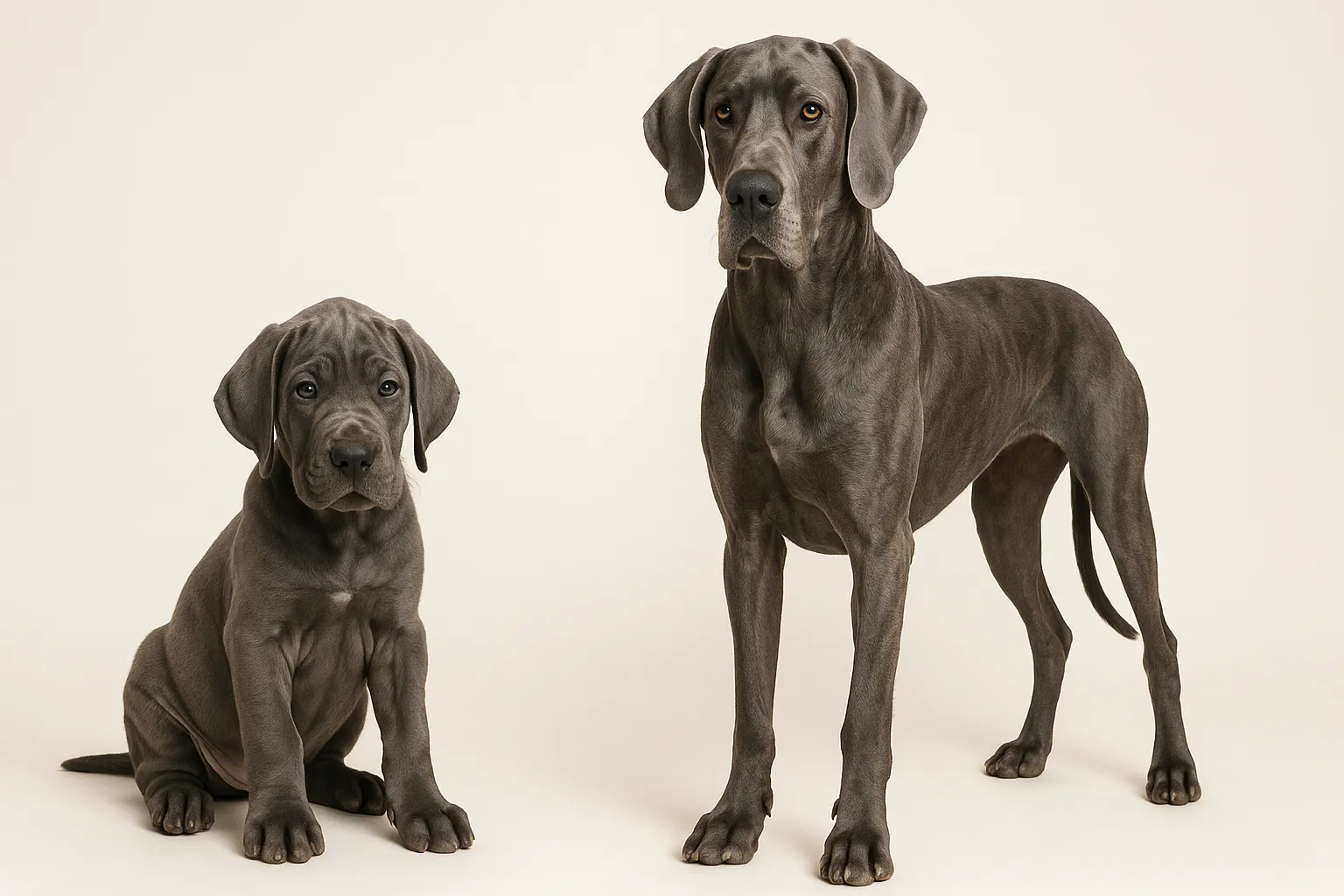
- Great Dane: significant breed predisposition
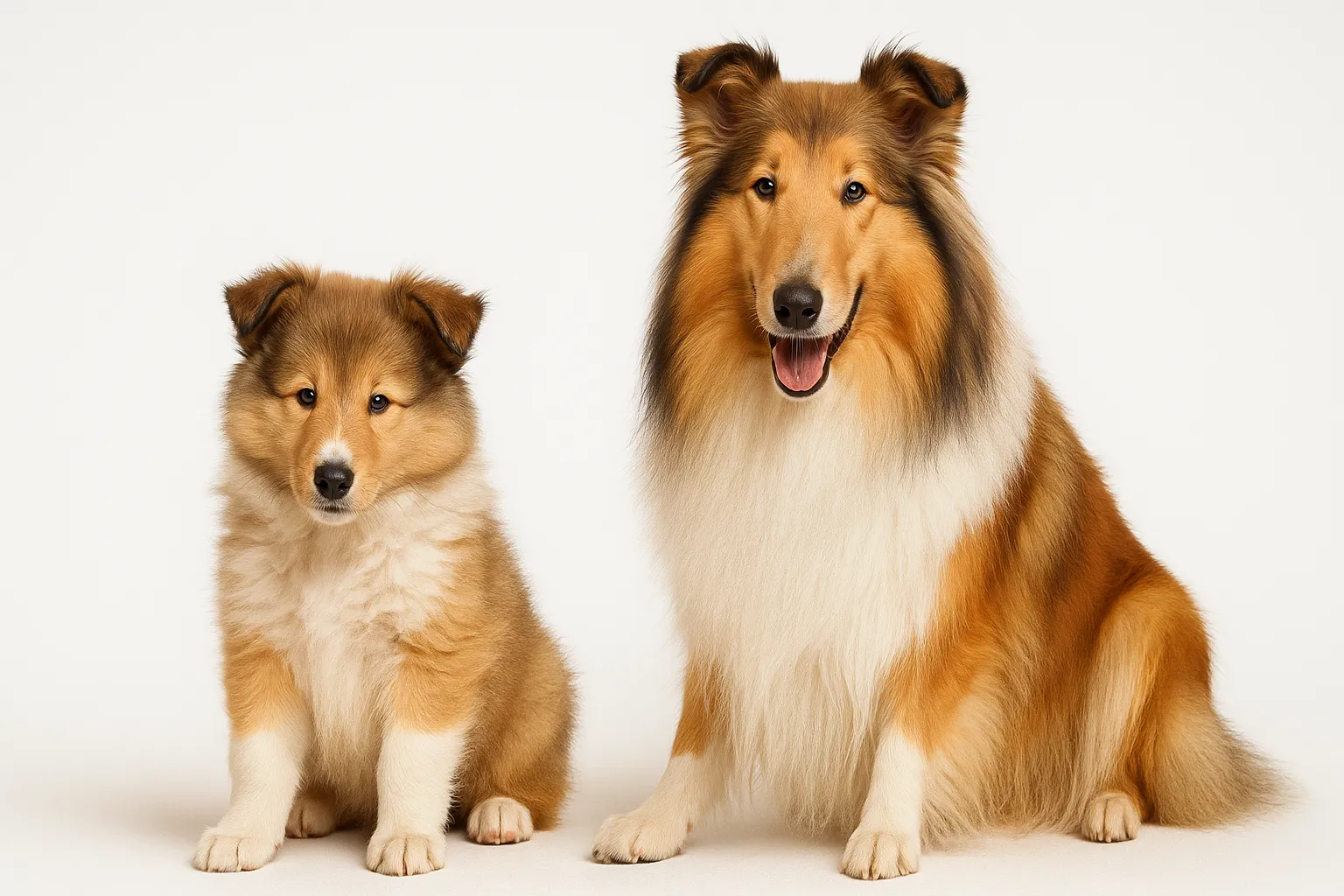
- Collie: documented genetic predisposition
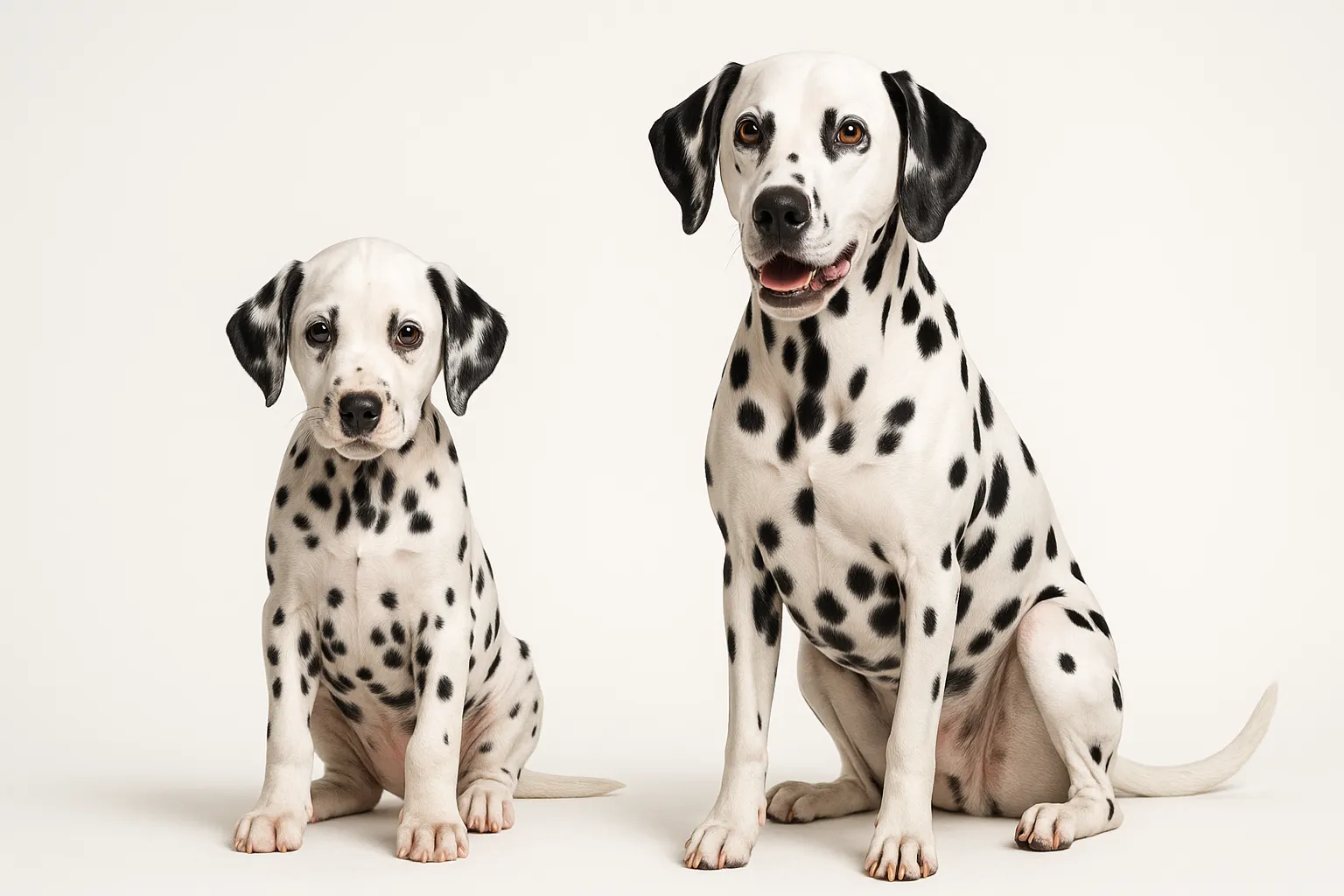
- Dalmatian: increased prevalence in breed surveys
English Bulldogs, Doberman Pinschers, and Shar-Peis also show elevated rates. The condition can appear in any breed, but it runs substantially more severe in genetically predisposed dogs.
What It Looks and Feels Like
- Thickened, firm gum tissue visibly growing over the teeth
- Gums that partially or completely cover tooth crowns
- Deep pockets between gum tissue and teeth where food packs in
- Worsening breath (halitosis) from trapped debris and bacterial overgrowth
- Mild gum bleeding during chewing or brushing
- Difficulty chewing when tissue covers the chewing surfaces
- Drooling, especially when secondary infection develops
- Red, inflamed gum margins signaling secondary periodontal disease
In its early stages, gingival hyperplasia is painless. Pain typically means secondary infection, periodontal disease, or a different diagnosis entirely — another reason biopsying any gum mass matters.
What Triggers the Overgrowth
Genetics drive most breed-associated cases. The mechanism likely involves fibroblast growth factor signaling pathways that regulate gingival tissue proliferation, though the precise genetics remain incompletely mapped.
Cyclosporine is the most common drug trigger. Up to 30% of dogs on chronic cyclosporine therapy develop gingival overgrowth. Amlodipine (often prescribed for hypertension in kidney disease) and phenytoin (anti-seizure medication) also cause it.
Chronic gingival inflammation from pre-existing periodontal disease can worsen hyperplastic growth in predisposed dogs. The inflammatory environment stimulates the fibroblasts that are already genetically primed to overproduce tissue.
Poor dental hygiene does not cause hyperplasia on its own, but it accelerates the inflammatory cycle and makes the overgrowth worse.
Keeping It Under Control
Prevention means reducing the modifiable factors that fuel the growth:
- Brush daily. This reduces plaque, damps down gingival inflammation, and is the single most impactful home dental care intervention.
- Follow a dental home care protocol starting in puppyhood.
- Schedule professional dental cleanings annually or twice annually for predisposed breeds, including subgingival scaling of any pseudo-pockets.
- Monitor drug effects. If your dog takes cyclosporine or amlodipine, watch for gum changes at every recheck. Discuss alternatives with your vet if hyperplasia develops.
- Use dental-supportive nutrition. Dental-formulated diets and appropriate chews provide mechanical plaque removal.
- Support post-surgical healing with adequate protein and consider bone broth as a palatable, nutrient-dense option during recovery from gingivectomy.
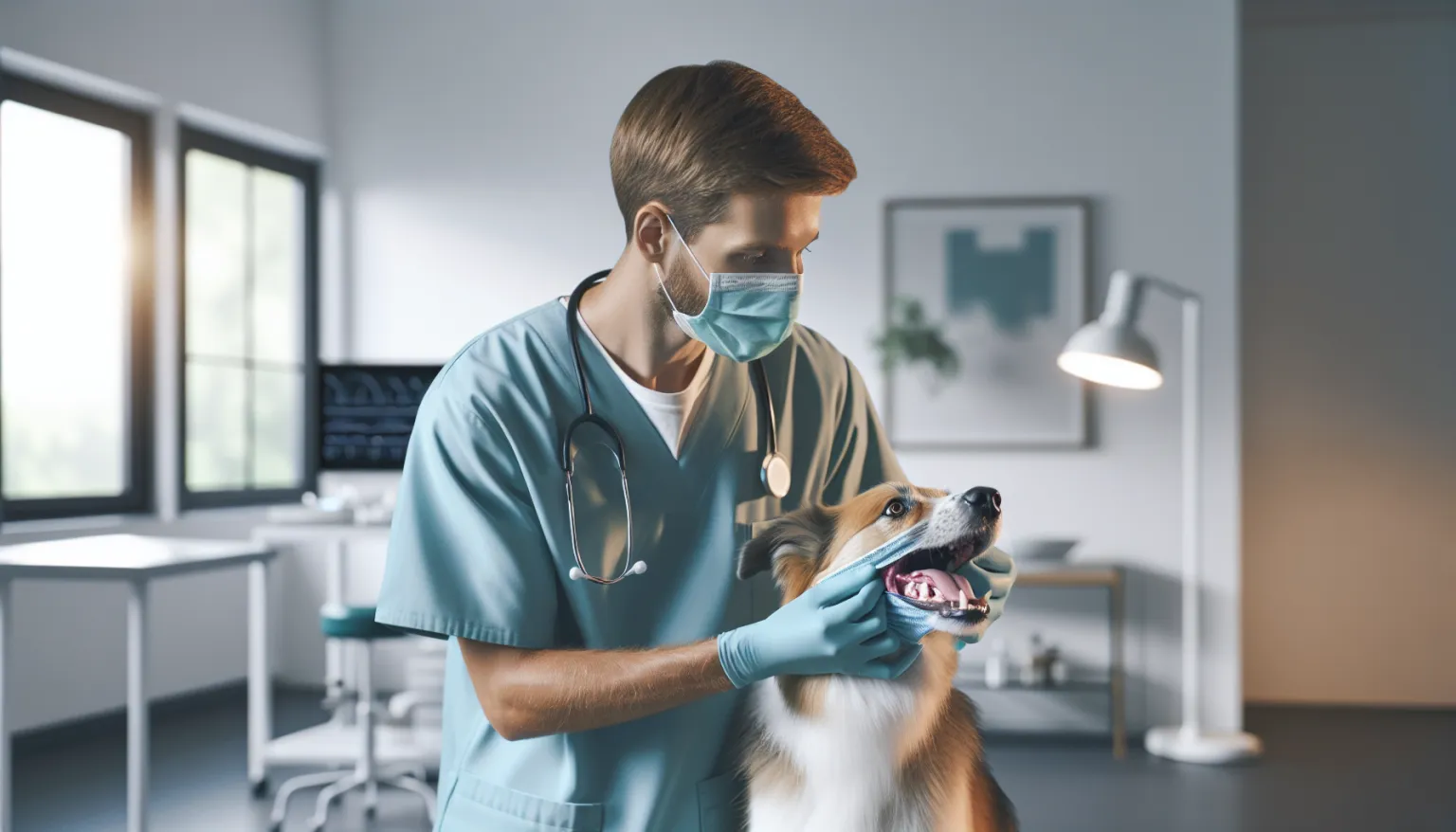
- Check monthly. Lift your dog’s lip once a month and look at the gums, especially in predisposed breeds. Catching overgrowth early keeps it manageable.
How Veterinarians Treat It
Professional Dental Cleaning First
Every treatment plan starts with a full dental cleaning under anesthesia: full-mouth radiographs, probing all gingival pockets, and removing calculus above and below the gumline. This establishes the baseline and reveals any concurrent disease hiding beneath the overgrowth.
Gingivectomy: Cutting Back the Excess
Surgical removal of overgrown tissue (gingivectomy) is the definitive treatment. Performed under general anesthesia using scalpel, electrosurgery, or laser, the procedure restores normal gingival contour, eliminates pseudo-pockets, and exposes tooth surfaces for effective home care.
The catch: in genetically predisposed breeds, the tissue grows back. Many Boxers and Great Danes need repeat gingivectomy every 1-3 years depending on the regrowth rate. Laser gingivectomy may offer reduced bleeding and faster healing compared to traditional techniques.
Adjusting Medications
For drug-induced hyperplasia, the first step is discontinuing or substituting the causative drug when clinically feasible. Gum tissue often regresses partially or completely within weeks to months after stopping the medication. When the drug cannot be withdrawn (cyclosporine for immune-mediated disease, for example), more frequent dental care and periodic gingivectomy become essential.
Always Biopsy
All excised gum tissue goes to pathology. Most overgrowth is benign hyperplasia, but epulides and malignant oral tumors can mimic it. Biopsy provides the answer.
Nutrition and Supplements
No supplement prevents or treats gingival hyperplasia. Nutritional management supports oral health:
- Dental-formulated kibble with the VOHC (Veterinary Oral Health Council) seal provides mechanical plaque abrasion
- Avoid soft, sticky foods that adhere to gum tissue and pack into pseudo-pockets
- Raw bones are controversial — they clean mechanically but risk tooth fracture, and veterinary dental specialists generally do not recommend them as a primary strategy
- Good overall nutrition supports gum tissue health and post-surgical healing
- Omega-3 fatty acids at anti-inflammatory doses may help reduce gingival inflammation that accelerates overgrowth
When Your Dog Needs a Vet
Routine dental care is appropriate for:
- Annual professional cleanings in predisposed breeds (consider twice annual)
- Monitoring drug-induced gum changes at medication rechecks
- Mild gingival thickening without bleeding, pain, or infection
Prompt evaluation is needed for:
- Gum tissue covering more than 50% of tooth crowns
- Persistent bad breath despite regular dental care
- Gum bleeding during eating or brushing
- Any rapidly growing gum mass (biopsy needed to rule out cancer)
Urgent evaluation is required for:
- Painful gum swelling with refusal to eat
- Profuse oral bleeding
- Any mass that appears ulcerated, discolored, or is growing rapidly — these features suggest possible malignancy
Related Condition Pathways
Related Breed Longevity Guides
Related Science
- Dental Disease and Longevity in Dogs
- Dental Home Care Protocol for Dogs
- Veterinary Dental Cleaning Frequency Evidence
Frequently Asked Questions
Is gingival hyperplasia cancerous? No. Gingival hyperplasia is a benign overgrowth of normal gum tissue. However, oral tumors — epulides, squamous cell carcinoma, fibrosarcoma, melanoma — can look identical on visual inspection. Biopsy is the only way to know for certain.
Will the gum tissue grow back after surgery? In genetically predisposed breeds, yes. Many Boxers and Great Danes need repeat gingivectomy every 1-3 years. Consistent home dental care and professional cleanings can slow recurrence but typically cannot prevent it entirely in dogs with strong genetic predisposition.
Can gingival hyperplasia cause tooth loss? Indirectly. The pseudo-pockets trap bacteria and promote periodontal disease, which destroys the attachment between tooth and bone. Left unmanaged for years, this secondary damage can lead to tooth mobility and loss.
Does tooth brushing prevent gingival hyperplasia? Brushing does not prevent the genetic tendency toward overgrowth, but it reduces the inflammation that accelerates growth and prevents secondary periodontal disease within existing pseudo-pockets. Daily brushing remains the most important home care intervention for predisposed dogs.
My dog is on cyclosporine and developing gum overgrowth. What should I do? Talk to your veterinarian. Cyclosporine-induced gingival hyperplasia is well documented and may warrant dose adjustment, switching to an alternative drug, or increasing dental care frequency. Never stop cyclosporine without veterinary guidance — the underlying condition it treats may flare.
Medical Disclaimer
This content is for educational purposes only and does not constitute veterinary medical advice. Gingival masses should be evaluated by a veterinarian to rule out neoplasia. Treatment decisions including anesthesia, surgery, and medication changes should be made in consultation with your veterinarian.
References
[1] Verstraete FJM, Lommer MJ, eds. Oral and Maxillofacial Surgery in Dogs and Cats. Saunders Elsevier; 2012. [2] Harvey CE, Emily PP. Small Animal Dentistry. Mosby; 1993. [3] Sarkiala-Kessel EM. “Gingival hyperplasia in dogs: prevalence and histologic features.” J Vet Dent. 2008;25(1):30-35. [4] Seymour RA, Thomason JM, Ellis JS. “The pathogenesis of drug-induced gingival overgrowth.” J Clin Periodontol. 1996;23(3):165-175. [5] Veterinary Oral Health Council (VOHC). “VOHC Accepted Products.” vohc.org. [6] Niemiec BA. “Periodontal disease.” Top Companion Anim Med. 2008;23(3):155-168.
Related reads
Related Reading
Continue exploring