Evidence deep dives for Hepatic Lipidosis
Pair mechanism-level evidence with practical protocol context before discussing next steps with your veterinarian.
Up to Half of All Obese Dogs Have This Liver Condition
Studies estimate that 25-50% of obese dogs carry some degree of hepatic lipidosis — fatty liver disease — often without showing a single symptom. Given that 40-60% of dogs in developed countries are overweight, the scope of this condition across the canine population is staggering.
Hepatic lipidosis develops when fat accumulates in liver cells (hepatocytes) faster than the liver can process and export it. When triglycerides pile up beyond the organ’s capacity, normal liver function starts to break down. Without intervention, the condition progresses from silent fat accumulation to inflammation (steatohepatitis), fibrosis, and eventually liver failure.
Unlike in cats, where fatty liver disease strikes as a dangerous primary condition, canine hepatic lipidosis is almost always secondary to something else — obesity, diabetes, Cushing’s disease, hypothyroidism, or pancreatitis. That is both the challenge and the opportunity: identify and treat the underlying metabolic problem, and the liver often recovers.
Why Fatty Liver Threatens Longevity on Two Fronts
The longevity impact works both directly and indirectly.
Directly, advanced hepatic lipidosis impairs the liver’s ability to detoxify, produce clotting factors, and maintain protein levels. Coagulopathies, dangerously low albumin, and hepatic encephalopathy (neurological dysfunction from toxin buildup) can all result.
Indirectly, a fatty liver complicates everything else. It slows drug metabolism, making medication dosing less predictable. It worsens concurrent metabolic diseases. And in long-standing cases, it may increase the risk of hepatic tumors.
The encouraging reality: hepatic lipidosis is one of the more reversible liver conditions. Weight loss in obese dogs, blood sugar control in diabetic dogs, and appropriate treatment of endocrine disorders can drive substantial regression of fat accumulation and restore normal liver function. The liver is remarkably good at recovery when you remove the source of the problem.
Breeds With Metabolic Vulnerability
Certain breeds face elevated risk, usually because of breed predisposition to the metabolic conditions that drive fat into the liver:
- Miniature Schnauzer: strong predisposition to hyperlipidemia (chronically elevated blood fats) that overwhelms hepatic processing capacity; also prone to pancreatitis
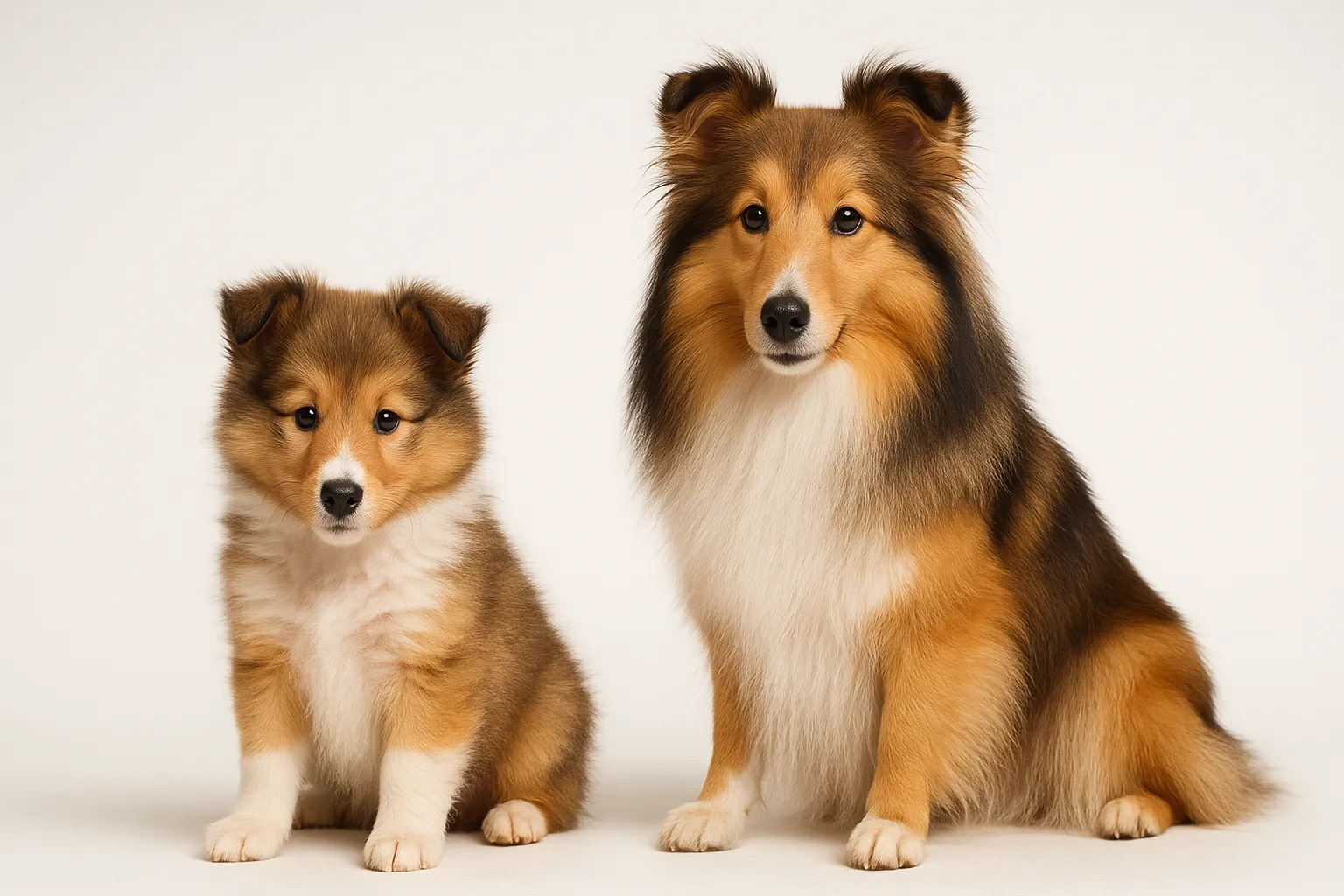
- Shetland Sheepdog: breed-associated hyperlipidemia and hypothyroidism both increase hepatic lipidosis risk
- Cocker Spaniel: predisposed to multiple hepatic conditions and metabolic disease
Beagles, Labrador Retrievers, and breeds prone to hypothyroidism or Cushing’s disease also carry elevated risk. Small breeds with primary hyperlipidemia appear disproportionately in case reports.
How Fatty Liver Reveals Itself
Early Disease — Often Invisible
Many dogs show no symptoms at all. The first clue may be elevated liver enzymes (ALP, ALT) on routine bloodwork.
- Mild lethargy
- Slightly reduced appetite or picky eating
- Gradual weight gain or stubborn resistance to weight loss despite caloric restriction
Moderate Disease — The Signs Build
- Persistently elevated liver enzymes across multiple blood panels
- Enlarged liver palpable on exam (hepatomegaly)
- Intermittent vomiting
- More noticeable lethargy and exercise intolerance
- Excessive thirst and urination (if concurrent diabetes or Cushing’s disease is present)
Severe Disease — When the Liver Starts Failing
If your dog’s eyes or gums look yellow, that is jaundice — and it means the liver is losing the battle.
- Jaundice (yellowing of gums, eye whites, skin)
- Abdominal swelling from fluid accumulation (ascites)
- Abnormal bleeding or bruising (coagulopathy)
- Disorientation, head pressing, circling, or seizures (hepatic encephalopathy)
- Significant weight loss and muscle wasting
- Persistent vomiting and diarrhea
The Metabolic Conditions Behind the Fat
Obesity is the most common driver. Excess body weight increases free fatty acid delivery to the liver, ramps up hepatic fat production, and decreases fatty acid burning. Obesity-associated insulin resistance compounds the problem.
Uncontrolled diabetes floods the liver with free fatty acids from excessive fat breakdown and disrupts hepatic lipid metabolism.
Cushing’s disease (hyperadrenocorticism) promotes fat redistribution, insulin resistance, and direct glycogen and lipid deposition in the liver.
Hypothyroidism slows hepatic lipid metabolism, allowing fat to accumulate. It also promotes weight gain, creating a double hit.
Primary hyperlipidemia — especially common in Miniature Schnauzers — means chronically elevated circulating triglycerides that simply exceed what the liver can handle.
Pancreatitis disrupts both fat digestion and glucose regulation, contributing to hepatic fat accumulation through multiple mechanisms.
Paradoxically, extreme rapid weight loss can also trigger hepatic lipidosis by mobilizing peripheral fat stores faster than the liver can process them. This occurs more commonly in cats but also affects dogs, particularly small breeds subjected to crash diets.
Long-term corticosteroid use predictably causes vacuolar hepatopathy and lipid accumulation. Phenobarbital and other chronic medications may contribute as well.
Confirming the Diagnosis
Blood Tests
- Chemistry panel: elevated ALP (often markedly), elevated ALT and GGT, high triglycerides and cholesterol, potentially low albumin in advanced cases
- Complete blood count: usually normal; may show a stress pattern
- Bile acids: elevated pre- and post-prandial levels signal hepatic dysfunction
- Fasting lipid panel: characterizes hyperlipidemia
- Endocrine testing (thyroid panel, ACTH stimulation, fructosamine/glucose): identifies the underlying metabolic driver
Imaging
Abdominal ultrasound produces a characteristic finding: a hyperechoic (abnormally bright) liver, often with hepatomegaly. Ultrasound also reveals concurrent gallbladder disease, pancreatitis, or adrenal abnormalities. Radiographs show liver enlargement but cannot characterize what is happening inside.
Liver Biopsy — The Definitive Answer
Biopsy through ultrasound-guided needle, laparoscopy, or surgical exploration provides definitive diagnosis and characterizes severity (simple lipidosis vs. steatohepatitis vs. fibrosis). Coagulation testing (PT, PTT, buccal mucosal bleeding time) should precede any biopsy, because the liver may not be producing clotting factors normally.
Preventing Fatty Liver
This is one of the more preventable liver conditions. The path is straightforward:
- Keep your dog lean. Maintaining a body condition score of 4-5/9 throughout life is the single most effective prevention strategy.
- Screen with regular bloodwork. Annual or semi-annual chemistry panels in predisposed breeds catch rising liver enzymes before clinical disease develops.
- Treat endocrine conditions early. Prompt diagnosis and management of hypothyroidism, Cushing’s disease, and diabetes prevent the metabolic dysfunction that drives fat into the liver.
- Feed low-fat diets for hyperlipidemic breeds. Miniature Schnauzers and other breeds with primary hyperlipidemia benefit from lifelong dietary fat restriction.
- Lose weight gradually. Target 1-2% of body weight per week. Crash diets mobilize fat faster than the liver can process, potentially making things worse.
- Never fast small-breed dogs for extended periods. More than 24 hours without food puts small dogs at particular risk.
Treatment: Fix the Root Cause, Support the Liver
Address What Is Driving the Fat Accumulation
The most effective treatment targets the primary condition:
- Obesity: structured, gradual weight loss at 1-2% of body weight per week
- Diabetes: insulin therapy and dietary management for glycemic control
- Hypothyroidism: levothyroxine supplementation
- Cushing’s disease: trilostane therapy
- Hyperlipidemia: low-fat diet, potentially with gemfibrozil or omega-3 fatty acid supplementation
Dietary Intervention
Diet is the cornerstone of treatment:
- Moderate high-quality protein (unless hepatic encephalopathy limits protein tolerance), restricted fat, adequate complex carbohydrates
- Carefully calculated caloric restriction for obese dogs — gradual enough to avoid flooding the liver with mobilized fat
- Increased dietary fiber for satiety during caloric restriction and blood glucose management
- Small, frequent meals to reduce the lipid load reaching the liver at any one time
Medications and Liver-Supportive Supplements
- Ursodiol (ursodeoxycholic acid): a hepatoprotective bile acid that reduces liver cell damage and promotes bile flow; 10-15 mg/kg/day
- SAMe (S-adenosylmethionine): supports glutathione production and reduces oxidative liver damage; 17-20 mg/kg/day on an empty stomach
- Milk thistle (silybin): antioxidant and hepatoprotective effects; stabilizes liver cell membranes
- Vitamin E: antioxidant protection for hepatocytes under stress; 10-15 IU/kg/day
- L-carnitine: may support hepatic fatty acid oxidation; 50-100 mg/kg/day
Tracking Progress
- Chemistry panel (liver enzymes, albumin, bilirubin) every 4-8 weeks during active treatment
- Fasting lipid panel every 8-12 weeks for hyperlipidemic patients
- Abdominal ultrasound every 3-6 months to track changes in liver brightness
- Body weight and body condition score at every visit
Nutritional Support in Detail
- SAMe: the best-evidenced hepatoprotective supplement; supports glutathione synthesis, methylation, and transsulfuration pathways in the liver
- Milk thistle: silybin (the active component) has documented hepatoprotective and antioxidant properties; frequently combined with SAMe in veterinary liver support products
- Omega-3 fatty acids: EPA and DHA may reduce hepatic inflammation and improve lipid profiles at appropriate doses
- Vitamin E: antioxidant support for liver cells under oxidative stress
- B-vitamin complex: hepatic disease impairs B-vitamin metabolism; supplementation supports metabolic function
- Eliminate high-fat treats and table scraps, especially in hyperlipidemic breeds
When Your Dog Needs a Vet
Routine screening is appropriate for:
- Annual bloodwork including liver enzymes in predisposed breeds
- Obese dogs in weight management programs (baseline and periodic liver panels)
- Dogs on chronic corticosteroids or phenobarbital
Prompt evaluation is needed for:
- Persistently elevated liver enzymes on routine bloodwork
- New lethargy or appetite decline in a dog with known metabolic disease
- Failure to lose weight despite caloric restriction
- Elevated triglycerides or cholesterol on fasting bloodwork
Emergency evaluation — do not wait:
- Jaundice (yellow discoloration of gums, eyes, or skin)
- Sudden abdominal swelling (ascites)
- Neurological signs (disorientation, circling, head pressing, seizures) suggesting hepatic encephalopathy
- Unexplained bleeding or bruising
- Acute vomiting with rapid deterioration in a dog with known liver disease
Related Condition Pathways
Related Breed Longevity Guides
Related Science and Nutrition
- Weight Management Protocol for Dogs
- Canine Obesity and Lifespan Evidence
- Canine Hypothyroidism Longevity Management
- SAMe for Dogs
- Milk Thistle for Dogs
- Omega-3 Fish Oil for Dogs
Frequently Asked Questions
Can hepatic lipidosis be reversed? Yes. Hepatic lipidosis is often reversible when the underlying cause is identified and treated. Weight loss in obese dogs, glycemic control in diabetic dogs, and management of endocrine disorders can drive substantial regression of fat accumulation. Advanced cases with significant fibrosis recover less completely, but even they often improve with appropriate management.
Is fatty liver disease common in dogs? Studies estimate that 25-50% of obese dogs have some degree of hepatic lipidosis, making it one of the most common hepatic conditions in dogs. Many cases are subclinical — detected only through routine bloodwork or liver biopsy performed for other reasons.
Does my dog need a liver biopsy to diagnose fatty liver? Biopsy provides the definitive diagnosis and characterizes severity. However, a clinical diagnosis can often be made from the combination of elevated liver enzymes, a bright liver on ultrasound, hyperlipidemia, and an identifiable underlying cause. Biopsy becomes important when the picture is ambiguous, treatment is not producing the expected response, or concurrent liver disease needs to be ruled out.
Can I give my dog SAMe or milk thistle without veterinary guidance? While SAMe and milk thistle are available over the counter and generally safe, they should be used under veterinary guidance. Proper dosing matters, interactions with other medications exist, and the most important step is confirming that hepatic lipidosis — not a different liver condition requiring different treatment — is actually the diagnosis. Self-treating liver disease without proper evaluation can delay appropriate care.
How fast should my obese dog lose weight? Target 1-2% of body weight per week. Faster weight loss mobilizes peripheral fat stores faster than the liver can process them, potentially worsening the very condition you are trying to fix. A structured weight loss plan with veterinary nutritional guidance provides the safest path.
Medical Disclaimer
This content is for educational purposes only and does not constitute veterinary medical advice. Hepatic lipidosis may indicate underlying metabolic disease requiring comprehensive diagnosis and treatment. Liver support supplements should be used under veterinary supervision. If your dog shows signs of liver disease (jaundice, vomiting, neurological changes), seek veterinary care promptly.
References
[1] Center SA. “Metabolic, antioxidant, nutraceutical, probiotic, and herbal therapies relating to the management of hepatobiliary disorders.” Vet Clin North Am Small Anim Pract. 2004;34(1):67-172. [2] Webster CR, Cooper J. “Therapeutic use of cytoprotective agents in canine and feline hepatobiliary disease.” Vet Clin North Am Small Anim Pract. 2009;39(3):631-652. [3] Xenoulis PG, Steiner JM. “Canine hyperlipidemia.” J Small Anim Pract. 2015;56(10):595-605. [4] German AJ. “The growing problem of obesity in dogs and cats.” J Nutr. 2006;136(7 Suppl):1940S-1946S. [5] Center SA. “Feline hepatic lipidosis.” Vet Clin North Am Small Anim Pract. 2005;35(1):225-269. [6] Webb CB, Twedt DC. “Oxidative stress and liver disease.” Vet Clin North Am Small Anim Pract. 2008;38(1):125-135.
Related reads
Related Reading
Continue exploring