Evidence deep dives for Hormonal Alopecia
Pair mechanism-level evidence with practical protocol context before discussing next steps with your veterinarian.
Hair Loss That Tells a Deeper Story
When a dog loses hair in matching patches on both sides of the body without scratching or visible skin irritation, the coat is signaling something internal. Hormonal alopecia is not a skin disease. It is a visible symptom of endocrine dysfunction, most commonly hypothyroidism, hyperadrenocorticism (Cushing’s disease), sex hormone imbalances, or growth hormone deficiency.
A specific variant called Alopecia X — also known as adrenal sex hormone imbalance or “black skin disease” — appears primarily in Nordic breeds and Pomeranians. Researchers continue to debate its cause, though adrenal sex hormone excess or abnormality leads the working theories. Alopecia X changes appearance significantly but does not typically shorten life.
The Longevity Impact
The hair loss itself is not the threat. What matters is the endocrine condition driving it. Hypothyroidism, Cushing’s disease, and sex hormone imbalances all carry metabolic consequences that extend well beyond the coat — including weight changes, increased infection susceptibility, and organ stress over time.
A dog presenting with symmetrical hair loss deserves an endocrine workup, not just a shrug about shedding. Finding and treating the root cause protects overall healthspan, not just aesthetics.
What to Watch for at Home
Distinguishing hormonal alopecia from other causes of hair loss requires attention to both the pattern and the accompanying signs:
- Symmetrical hair thinning on the flanks, tail base, or trunk — not primarily on the head or limbs
- A coat that becomes dull, brittle, or fails to regrow normally after shedding
- Hair loss without scratching, biting, or skin redness
- Darkening (hyperpigmentation) of the affected skin
- Weight gain, lethargy, or cold intolerance, suggesting hypothyroidism
- Pot-bellied appearance, increased thirst and urination, suggesting Cushing’s disease
Document whether the hair loss is symmetrical and whether any systemic signs accompany it. This information dramatically narrows the diagnostic workup before you even walk into the clinic.
How the Diagnosis Unfolds
The diagnostic process starts by ruling out non-hormonal causes — parasites, dermatophytes, allergic dermatitis — before moving to endocrine testing. Skin cytology, fungal culture, and skin scraping are often performed first.
Endocrine evaluation typically includes a thyroid panel (T4, free T4, TSH) and an adrenal function test (low-dose dexamethasone suppression test or ACTH stimulation test). If sex hormone imbalance is suspected, additional panels may be needed. Skin biopsy can support the diagnosis but rarely pinpoints the specific hormonal cause.
Key diagnostic principles:
- Rule out parasites, dermatophytes, and allergic skin disease before pursuing endocrine testing.
- A full thyroid panel including T4 and free T4 is essential — baseline T4 alone is insufficient.
- Adrenal testing should follow when Cushing’s disease features are present.
- Photograph hair loss distribution to track treatment response objectively.
Treatment Depends Entirely on the Cause
Hypothyroidism responds to lifelong levothyroxine supplementation. Cushing’s disease requires trilostane or mitotane therapy with careful monitoring. Sex hormone alopecia in intact dogs often improves after spaying or neutering. Alopecia X is sometimes treated with melatonin or spay/neuter, though response varies.
For Alopecia X specifically, the hair loss does not impair health. Many owners choose management over aggressive intervention once serious endocrine disease has been excluded. Skin hyperpigmentation tends to persist even if hair regrows.
Practical treatment guidance:
- Complete all recommended endocrine testing before starting treatment.
- If hypothyroidism is treated, allow 2-3 months for coat regrowth before assessing response.
- Monitor thyroid levels at 6-8 weeks after starting levothyroxine, then annually once stable.
- For Alopecia X, discuss realistic expectations for hair regrowth with your veterinarian.
A 12-Week Execution Plan
- Weeks 1-2 (baseline lock-in): Confirm diagnosis, start one shared household log, and capture daily markers including coat condition, energy, appetite, elimination, activity tolerance, and sleep quality.
- Weeks 3-4 (adherence audit): Review whether every caregiver is following the same protocol. Identify missed-dose or missed-step friction. Remove one reliability bottleneck that is causing drift.
- Weeks 5-6 (response checkpoint): Compare current trends against baseline. Escalate quickly if core markers are not improving. Avoid changing multiple variables in the same week.
- Weeks 7-8 (risk tightening): Predefine escalation thresholds for complications. Confirm after-hours emergency route. Align caregiver decisions so urgent signs are never handled as watch-and-wait.
- Weeks 9-10 (resilience build): Reinforce exercise, nutrition, and grooming routines that your veterinarian has cleared, so short-term stabilization converts into durable control.
- Weeks 11-12 (handoff to maintenance): Document the long-term reassessment cadence. Decide which metrics must stay tracked weekly. Schedule the next checkpoint before current momentum fades.
The Drift Pattern Most Families Miss
Hormonal alopecia outcomes improve most when response begins at first measurable drift rather than after obvious deterioration. A short missed window for reassessment can turn a manageable setback into a longer, more expensive recovery cycle.
The most common process failure is inconsistent household execution — each caregiver following a slightly different version of the plan, making trend data unreliable. The second most common failure is over-correcting too fast, changing multiple variables at once so no one knows what actually helped.
Consistent weekly tracking of one objective data point is the simplest way to detect regression before it becomes visible to the casual eye.
Nutrition and Supporting Skin Health
Nutritional support focuses on maintaining skin barrier function and managing the metabolic consequences of the underlying endocrine condition. Dogs with hypothyroidism often need caloric restriction to prevent obesity. Dogs with Cushing’s disease may need diet modification based on glucose and lipid changes.
Omega-3 fatty acids support coat condition and reduce skin inflammation, though they will not reverse hormonal hair loss on their own. A consistent, complete, species-appropriate diet provides the nutritional foundation for skin and coat health.
- Omega-3 Fish Oil for Dogs: Evidence, Dosing Context, and Safety
- Weight Loss Feeding Protocol for Dogs
- Feeding Guide for Senior Dogs: Healthspan Nutrition
For evidence context and execution details, review:
- Senior Dog Screening Protocol
- Canine Obesity and Lifespan Evidence
- Annual Wellness Testing Protocol for Dogs
Veterinary Monitoring Timeline
Monitoring frequency depends on the condition being treated.
- Initial workup: Full endocrine panel, skin evaluation, photography of affected areas.
- During treatment: Recheck at 6-8 weeks for hypothyroidism; monthly for the first 6 months in Cushing’s disease treatment.
- Stable phase: Annual endocrine panels and clinical reassessment; update medication doses as the dog’s weight changes.
Hair regrowth takes 2-6 months even when the underlying cause is successfully treated. Patience and objective documentation matter more than optimism.
When to Escalate Same Day
Hormonal alopecia itself rarely causes emergencies. But complications of the underlying condition can:
- Sudden collapse, weakness, or vomiting in a dog on Cushing’s disease medication (possible Addisonian crisis)
- Seizures in a dog with untreated or poorly controlled endocrine disease
- Rapidly progressing skin infection (pyoderma) over a large area
- Marked increase in water consumption or urination with lethargy and vomiting
Related Condition Pathways
Hormonal alopecia often overlaps with adjacent pathways that affect diagnosis timing, treatment burden, and long-term resilience:
- Hypothyroidism: the most common hormonal cause of alopecia in dogs; weight gain and lethargy are systemic clues.
- Cushing’s Disease: excess cortisol causes bilateral alopecia, skin thinning, and metabolic dysfunction.
- Obesity: endocrine dysfunction and obesity frequently co-occur and compound each other.
- Skin Allergies: must be excluded before hormonal workup — allergic dermatitis causes hair loss in different distribution patterns.
Use this information to ask better questions and understand your options. All diagnosis confirmation and treatment adjustments should go through your veterinarian.
Related Breed Longevity Guides
Hormonal alopecia patterns show breed associations, though any dog can be affected:
- Pomeranian Lifespan & Longevity Guide
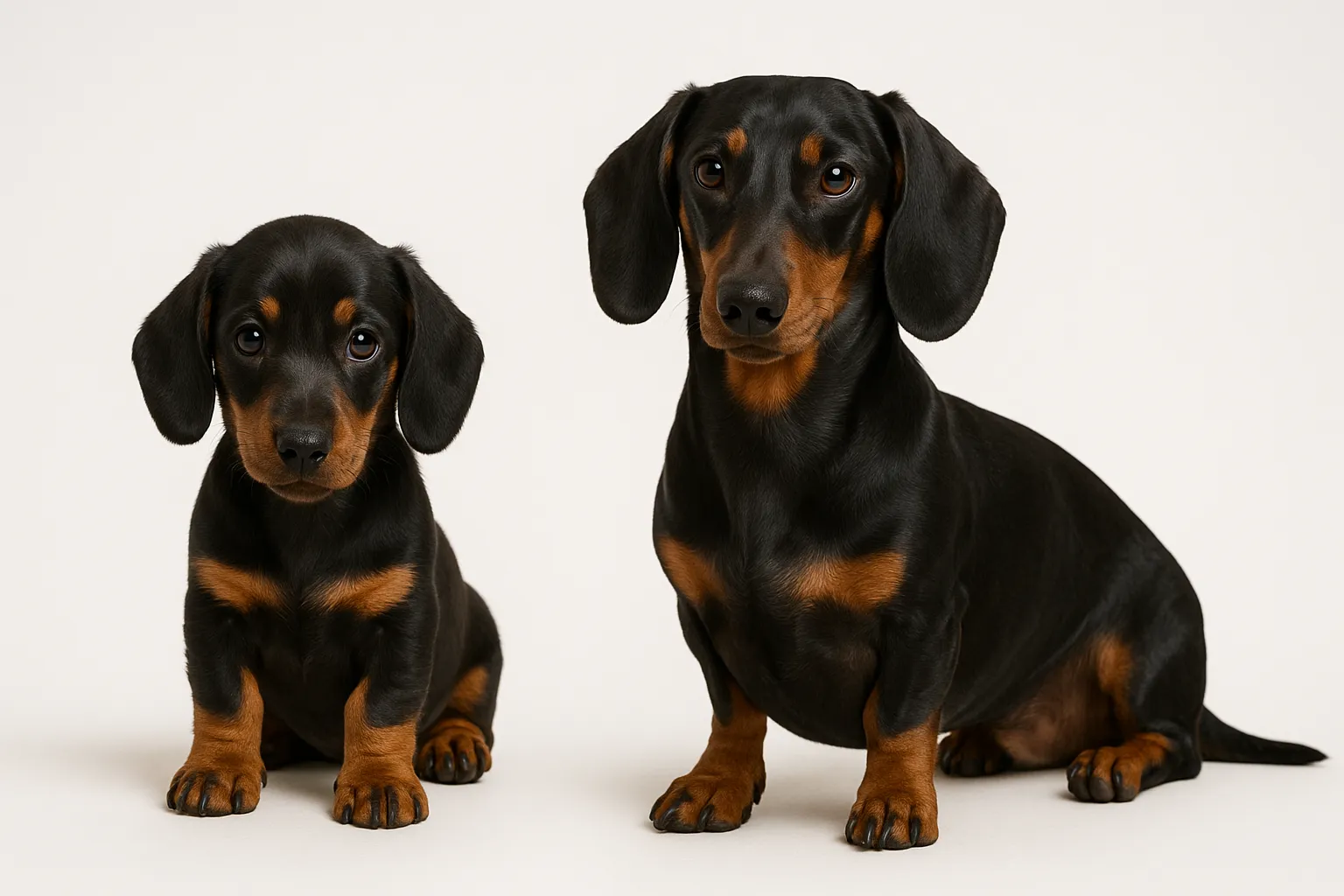
- Dachshund Lifespan & Longevity Guide
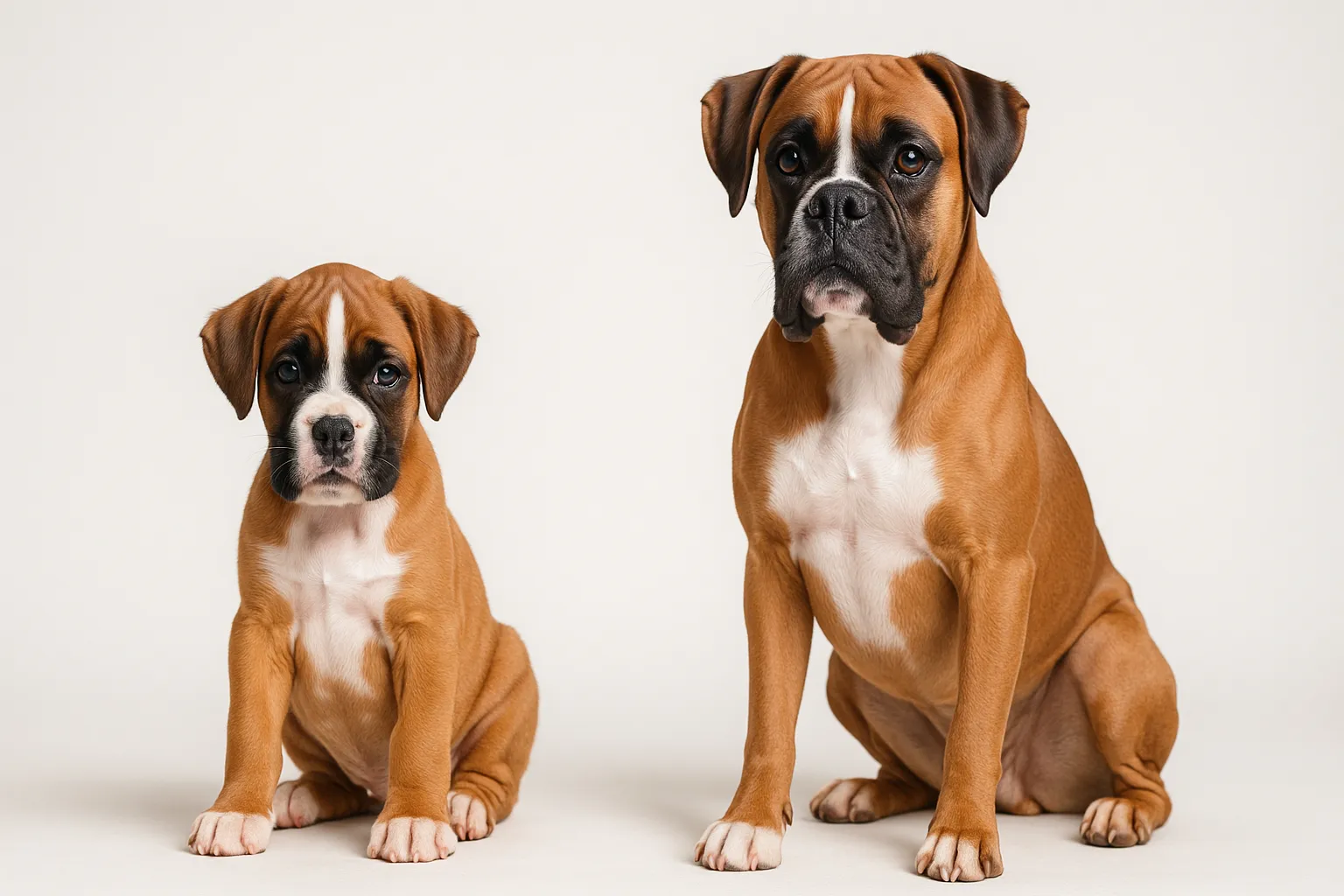
- Boxer Lifespan & Longevity Guide
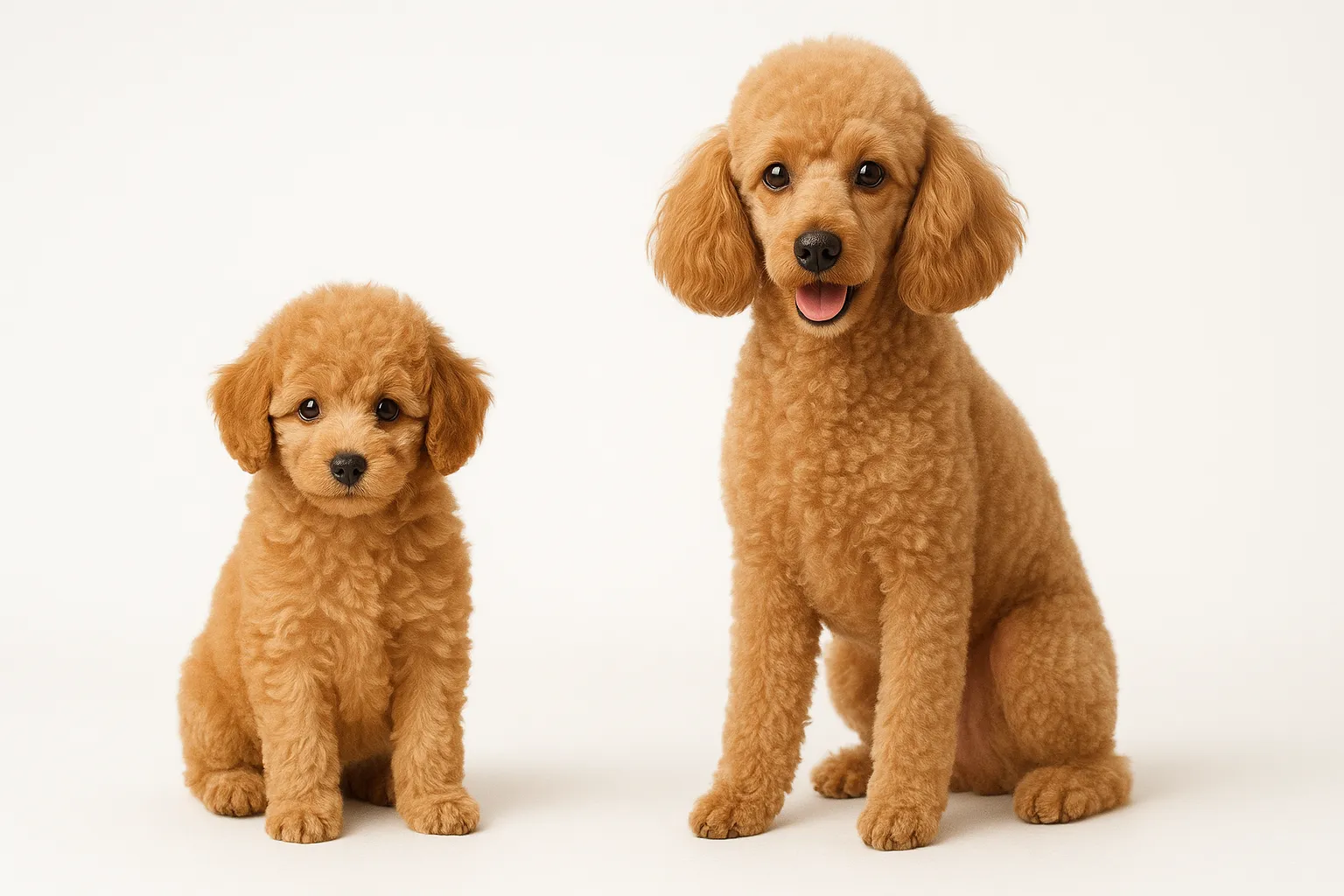
- Miniature Poodle Lifespan & Longevity Guide
Breed context informs what tests to run first, but diagnosis must be confirmed with objective testing.
Additional Breeds at Elevated Risk
Frequently Asked Questions
What is Alopecia X and is it serious?
Alopecia X (also called Black Skin Disease) is a cosmetic condition causing progressive hair loss and skin darkening, particularly in Nordic breeds. It is not life-threatening and does not affect lifespan, but a serious endocrine disease must be excluded first.
Can hormonal alopecia be cured?
It depends on the cause. Hypothyroidism-related alopecia typically reverses with lifelong thyroid supplementation. Cushing’s-related alopecia improves with treatment but depends on disease control. Alopecia X is variable — some dogs regrow hair after melatonin or spay/neuter; others do not.
My dog is losing hair but not scratching — should I still go to the vet?
Yes. Non-itchy, symmetrical hair loss is a classic sign of hormonal or endocrine disease, not just “normal shedding.” This pattern always warrants veterinary evaluation.
How long until hair regrows after starting treatment?
Hair regrowth typically takes 2-6 months after the underlying condition is well-controlled. Some areas may not fully regrow, especially if there has been prolonged skin hyperpigmentation.
Is melatonin safe for hormonal alopecia?
Melatonin is commonly used for Alopecia X with variable results and a reasonable safety profile at recommended doses. It does not treat the underlying cause of true endocrine alopecia (hypothyroidism, Cushing’s). Always confirm with your veterinarian before starting.
Medical Disclaimer
This content is educational and does not replace veterinary diagnosis or treatment. Symmetrical hair loss requires professional evaluation to identify and treat the underlying endocrine cause.
References
- Bhang DH et al. Hormonal treatment of canine alopecia X with trilostane. J Vet Sci. 2013.
- Frank LA. Growth hormone-responsive alopecia in dogs. J Am Vet Med Assoc. 2005.
- Scott DW, Miller WH, Griffin CE. Muller and Kirk’s Small Animal Dermatology. 7th ed. Saunders. 2013.
- Panciera DL. Hypothyroidism in dogs: 66 cases. J Am Vet Med Assoc. 1994.
- Merck Veterinary Manual: Endocrine Skin Disorders. merckvetmanual.com.
Related reads
Related Reading
Continue exploring