Evidence deep dives for Nasal Hyperkeratosis (Dry Nose)
Pair mechanism-level evidence with practical protocol context before discussing next steps with your veterinarian.
More Than Just a Dry Nose
Your dog’s nose, once smooth and moist, has developed a rough, crusty texture. The surface looks thickened, almost like cobblestones. Pieces of dried keratin protrude from the nasal planum, and the tissue may be cracked or fissured. It looks uncomfortable, and you wonder whether it is something to worry about.
Nasal hyperkeratosis is a condition where the body produces excess keratin on the nose (nasal planum). Keratin is the tough protein that forms hair, nails, and the outer layer of skin. When keratin production on the nose exceeds the rate at which it is naturally shed, the surface thickens and dries, creating the characteristic rough, crusty appearance.
In many cases, nasal hyperkeratosis is a cosmetic condition that causes minimal discomfort. But in others, it is a visible sign of an underlying disease that requires diagnosis and treatment. The distinction depends on context: the dog’s age, breed, whether other body areas are affected, and whether additional symptoms are present.
Signs and Symptoms
Nasal hyperkeratosis exists on a spectrum from barely noticeable to functionally problematic:
Mild:
- Slightly rough or dry nasal surface
- Loss of the normal smooth, moist texture
- Occasional minor flaking
Moderate:
- Visibly thickened, crusty nasal tissue
- Irregular surface texture (cobblestone-like appearance)
- Small fissures or cracks that may bleed minimally
- Extending beyond the nasal planum onto the dorsal nose bridge
Severe:
- Deeply fissured or cracked nose
- Prominent keratin overgrowth (horn-like projections in extreme cases)
- Bleeding from cracks
- Secondary bacterial or fungal infection in deep fissures
- Concurrent paw pad hyperkeratosis (often indicates systemic or hereditary cause)
A moist nose is not always healthy and a dry nose is not always diseased. Normal dogs can have temporarily dry noses after sleeping, during dry weather, or after lying near a heat source. Persistent, progressive thickening and crusting that does not resolve with environmental changes warrants investigation.
Common Causes
Idiopathic Nasal Hyperkeratosis
The most common form. “Idiopathic” means the cause is unknown. It occurs most frequently in middle-aged to senior dogs and is essentially a localized keratinization defect without an identifiable underlying disease. While not medically serious, it benefits from ongoing management to prevent cracking and secondary infection.
Breed-Related (Hereditary) Nasal Hyperkeratosis
Some breeds are genetically predisposed:
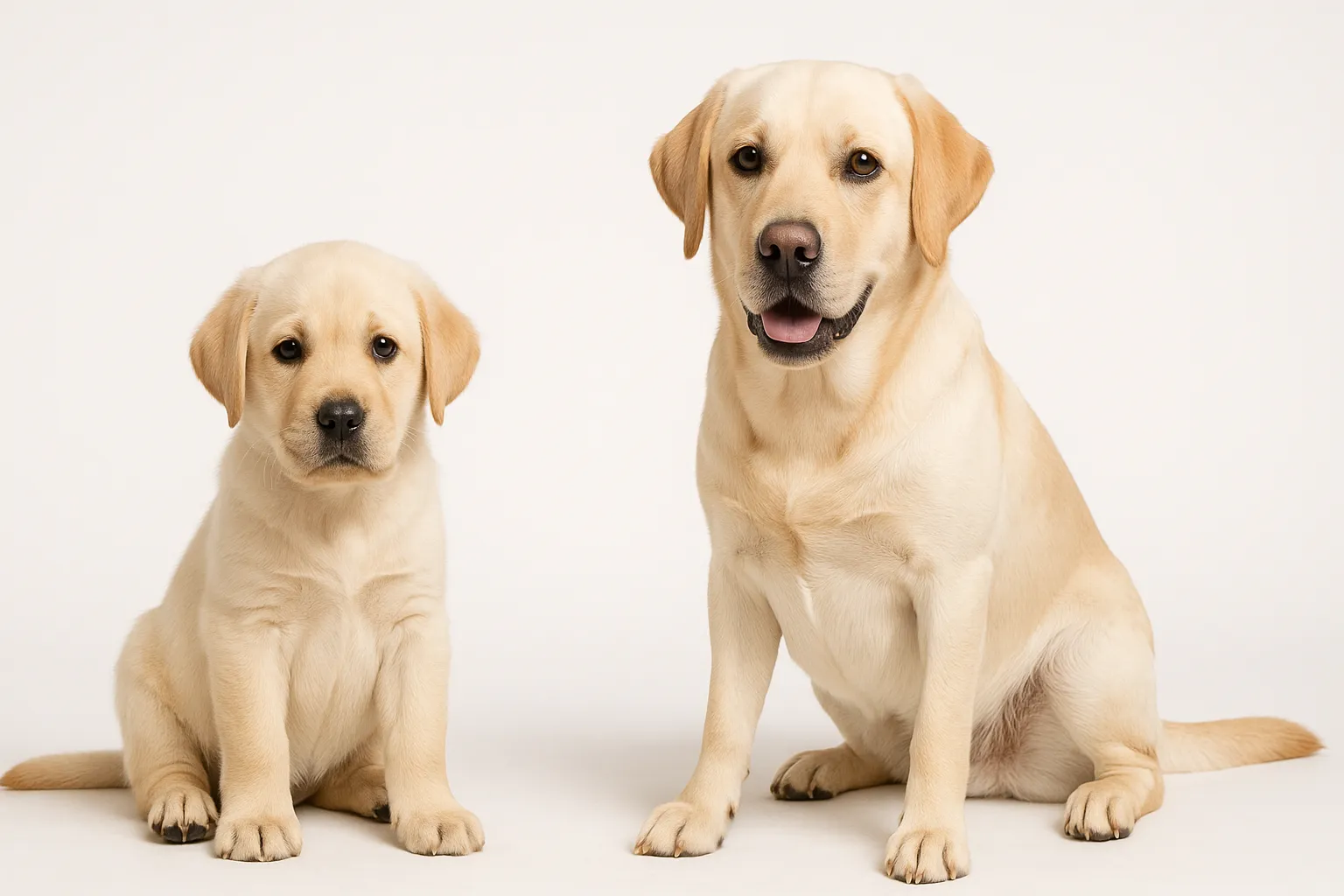
- Labrador Retriever — one of the breeds most commonly affected. Hereditary nasal parakeratosis (HNPK) has been mapped to a specific genetic mutation (SUP1 gene) and can be identified with DNA testing
- Cocker Spaniel — predisposed to both nasal and paw pad hyperkeratosis
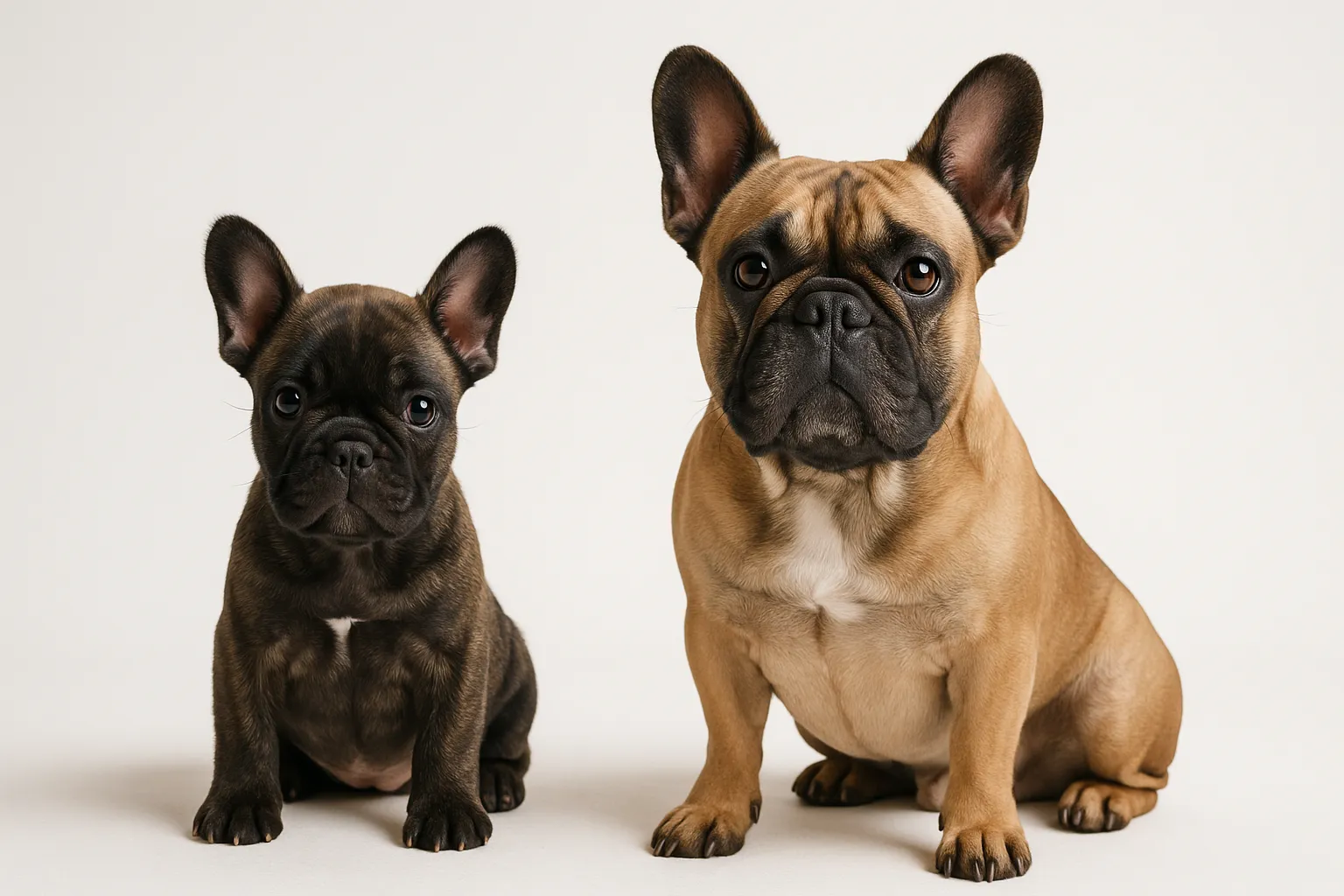
- French Bulldog — brachycephalic breeds may have altered nasal planum architecture
- Bulldog — similar predisposition
- Boxer — breed predisposition documented
In Labrador Retrievers, hereditary nasal parakeratosis is an autosomal recessive condition. Affected dogs develop dry, rough nasal tissue as early as 6-12 months of age. The condition is lifelong but manageable.
Secondary to Underlying Disease
Nasal hyperkeratosis can be a clinical sign of systemic conditions:
- Hypothyroidism: Thyroid hormone is essential for normal skin turnover. Hypothyroid dogs often develop nasal and paw pad hyperkeratosis alongside other signs (weight gain, lethargy, bilateral hair loss)
- Pemphigus: Autoimmune skin disease that can affect the nasal planum. Pemphigus foliaceus causes crusting, erosions, and hyperkeratosis
- Discoid lupus erythematosus: Autoimmune disease specifically targeting the nasal planum, causing depigmentation, erosion, and secondary hyperkeratosis
- Leishmaniasis: In endemic areas, this parasitic disease causes nasal hyperkeratosis as a common clinical sign
- Zinc-responsive dermatosis: Zinc deficiency or malabsorption (more common in Siberian Huskies and Malamutes) causes nasal and paw pad crusting
- Canine distemper virus: The old name “hard pad disease” refers to the paw pad and nasal hyperkeratosis that can develop in dogs with distemper
- Hepatocutaneous syndrome (superficial necrolytic dermatitis): A rare condition associated with liver disease that causes severe nasal and paw pad crusting
Age-Related Changes
Older dogs commonly develop mild nasal hyperkeratosis as part of normal aging. Keratinocyte turnover slows with age, and the nose gradually loses its smooth, moist texture. This is typically mild and primarily cosmetic.
Diagnosis
When to Pursue a Diagnostic Workup
Isolated, mild nasal dryness in a middle-aged or senior dog with no other signs may not require extensive testing. However, diagnostic investigation is warranted when:
- Hyperkeratosis develops in a young dog
- Both the nose and paw pads are affected
- The condition is rapidly progressive
- Other skin lesions, hair loss, or depigmentation are present
- Systemic signs are present (weight changes, lethargy, increased thirst)
- The nasal planum shows erosion, ulceration, or depigmentation in addition to thickening
Diagnostic Approach
- Physical examination: Assess the nose, paw pads, skin, and coat for concurrent abnormalities
- Thyroid panel: T4, free T4, and TSH to evaluate for hypothyroidism
- Skin biopsy: Histopathology of nasal tissue can distinguish between idiopathic hyperkeratosis, autoimmune disease (pemphigus, lupus), and other specific conditions
- Serology: If autoimmune disease is suspected (antinuclear antibody test)
- Zinc levels: If zinc-responsive dermatosis is suspected based on breed and clinical pattern
- Genetic testing: Available for hereditary nasal parakeratosis in Labrador Retrievers (SUP1 gene mutation)
Treatment and Management
Topical Management (the Foundation for All Forms)
Regardless of the underlying cause, topical care improves comfort and nasal health:
- Petroleum-based nose balms: Products specifically formulated for canine nasal hyperkeratosis (Snout Soother, Nose Butter, or similar) applied 1-2 times daily soften keratin and protect fissured tissue. Avoid products with fragrances or essential oils that may irritate
- Petroleum jelly (Vaseline): An effective, inexpensive option for mild cases. Apply a thin layer 1-2 times daily
- Coconut oil: Provides moisture and has mild antimicrobial properties. Apply a thin layer; most dogs will lick some off, which is not harmful
- Propylene glycol: Used in some veterinary formulations for keratolytic effect
- Keratolytic agents: In moderate to severe cases, products containing salicylic acid or urea can help soften and remove excess keratin. These should be used under veterinary guidance as some concentrations can be irritating
Important: Do not pick, peel, or forcibly remove keratin buildup. This damages the underlying tissue and can cause pain and bleeding. Topical softening agents allow excess keratin to shed gradually.
Treating Underlying Conditions
When nasal hyperkeratosis is secondary to an underlying disease, treating the root cause often improves or resolves the nasal changes:
- Hypothyroidism: Levothyroxine supplementation. Nasal improvement may take 6-12 weeks
- Autoimmune disease: Immunosuppressive therapy (topical tacrolimus for localized disease, systemic immunosuppression for generalized forms)
- Zinc-responsive dermatosis: Zinc supplementation (zinc methionine or zinc gluconate) at veterinary-recommended doses
Nutritional Support
- Omega-3 fatty acids: EPA and DHA support skin barrier function and may reduce the inflammatory component of hyperkeratosis. See Omega-3 Fatty Acids for Dogs
- Zinc: Essential for normal keratinization. Supplementation may benefit dogs with suboptimal zinc status, but excessive zinc can be harmful (particularly interfering with copper absorption). Veterinary guidance on dosing is important
- Vitamin E: Antioxidant that supports skin health. Often used as adjunctive nutritional support
Long-Term Outlook
- Idiopathic nasal hyperkeratosis: A manageable, lifelong condition. Consistent topical care keeps the nose comfortable and prevents cracking. It does not affect lifespan or overall health
- Hereditary nasal parakeratosis: Lifelong management with topical therapy. Most dogs do well with consistent care
- Secondary hyperkeratosis: Prognosis depends on the underlying condition. Hypothyroid dogs often show significant improvement with thyroid supplementation. Autoimmune conditions require ongoing management but can usually be controlled
Related Condition Pathways
Related Breed Longevity Guides
When to Seek Veterinary Care
Routine evaluation is appropriate for:
- Mild, stable nasal dryness in an older dog
- Gradual onset of roughened nasal texture without other signs
Urgent evaluation is needed for:
- Rapidly progressive nasal crusting, especially in a young dog
- Deep fissures that bleed or appear infected
- Nasal depigmentation, erosion, or ulceration accompanying the hyperkeratosis (suggests autoimmune disease)
- Concurrent paw pad changes
- Any systemic signs (weight changes, hair loss, increased thirst, lethargy)
A dry, crusty nose in an otherwise healthy older dog is usually straightforward to manage. A dry, crusty nose in a young dog with other symptoms is a diagnostic puzzle worth solving.
Frequently Asked Questions
Is a dry nose a sign my dog is sick? Not necessarily. Normal dogs can have temporarily dry noses after sleeping, during dry weather, or in heated indoor environments. Nasal hyperkeratosis (persistent, progressive thickening and crusting) is different from normal occasional dryness. If the dryness is persistent, worsening, or accompanied by other symptoms, veterinary evaluation is warranted.
Can I use human moisturizer on my dog’s nose? Avoid human skin products, which may contain fragrances, alcohol, or ingredients toxic to dogs if licked. Use products specifically formulated for canine noses, or plain petroleum jelly or coconut oil, which are safe if ingested in small amounts.
Will my dog’s nose ever go back to normal? For idiopathic and hereditary forms, the underlying tendency toward excess keratin production is permanent. However, consistent topical management can maintain a smooth, comfortable nasal surface that looks and feels nearly normal. For secondary hyperkeratosis (hypothyroidism, for example), treating the underlying condition can produce significant improvement.
Is nasal hyperkeratosis painful? Mild to moderate hyperkeratosis causes minimal discomfort. Severe cases with deep fissures can be painful, particularly if secondary infection develops in cracks. Keeping the nose softened with topical balms prevents fissure formation and associated discomfort.
Can both the nose and paw pads be affected? Yes. When both the nose and paw pads show hyperkeratosis, it is more likely to reflect a systemic or hereditary condition rather than isolated idiopathic nasal hyperkeratosis. This pattern warrants a more thorough diagnostic workup, including thyroid testing and consideration of immune-mediated or metabolic causes.
Is there a genetic test for nasal hyperkeratosis in Labradors? Yes. Hereditary nasal parakeratosis in Labrador Retrievers has been mapped to a mutation in the SUP1 gene on chromosome 2. DNA testing is available through multiple veterinary genetic testing laboratories. This test can identify affected dogs, carriers, and clear dogs, which is valuable for breeding decisions.
Medical Disclaimer
This guide is informational and does not replace in-person veterinary diagnosis or treatment. While nasal hyperkeratosis is often a benign cosmetic condition, it can indicate underlying disease requiring diagnosis and treatment. If your dog develops nasal changes accompanied by depigmentation, erosion, systemic illness, or concurrent paw pad involvement, seek veterinary evaluation.
References
[1] Peters J, et al. “A single-nucleotide variant in SUP1 causes hereditary nasal parakeratosis in Labrador Retrievers.” Anim Genet. 2016;47(6):745. [2] Banovic F, et al. “Nasal planum hyperkeratosis.” In: Miller WH, Griffin CE, Campbell KL. Muller & Kirk’s Small Animal Dermatology. 7th ed. Elsevier; 2013. [3] Gross TL, et al. Skin Diseases of the Dog and Cat: Clinical and Histopathologic Diagnosis. 2nd ed. Blackwell; 2005. [4] Scott DW, Miller WH. “Idiopathic nasal hyperkeratosis in the dog.” Canine Pract. 1996;21:14-16. [5] Olivry T, Linder KE. “Dermatoses affecting desmosomes in animals: a mechanistic review of acantholytic blistering skin diseases.” Vet Dermatol. 2009;20(5-6):313-326.
Related reads
Related Reading
Continue exploring