Evidence deep dives for Thyroid Cancer
Pair mechanism-level evidence with practical protocol context before discussing next steps with your veterinarian.
A Neck Mass That Matters More Than Most
Your veterinarian runs a hand along your dog’s throat during a routine exam and pauses. There is a firm, round swelling on one side of the trachea that was not there last year. In humans, a thyroid nodule is usually benign. In dogs, the odds flip: approximately 90% of thyroid masses are malignant.
Thyroid carcinomas represent 1-4% of all canine tumors. They grow in one or both of the paired thyroid glands flanking the trachea in the neck. Most affected dogs are middle-aged to older, with a median diagnosis age of 9-10 years.
About 30-40% of these tumors produce excess thyroid hormone, causing hyperthyroidism and its associated symptoms — weight loss, restlessness, increased thirst. The remaining 60-70% are nonfunctional. Those silent tumors are the bigger diagnostic challenge: without metabolic symptoms to prompt early evaluation, they often grow substantially before anyone notices a lump.
Why Early Detection Changes the Prognosis Dramatically
Thyroid carcinomas are locally aggressive and metastasize in 30-40% of cases at the time of diagnosis. They spread to retropharyngeal lymph nodes, lungs, and occasionally liver or bone.
But here is the critical finding that separates this cancer from many others: tumor mobility predicts outcome. Dogs with small, freely movable thyroid masses treated with thyroidectomy have median survival times exceeding 3 years. Some achieve cure. Dogs with large, fixed, or metastatic tumors face a much shorter timeline, though multimodal therapy (surgery, radiation, radioactive iodine) can still extend quality time meaningfully.
The practical takeaway: a moment of palpation during a routine exam can catch this cancer while it is still curable. That is why cervical palpation belongs in every senior dog wellness visit.
Breeds at Higher Risk
Epidemiological studies consistently identify increased thyroid cancer risk in several breeds:
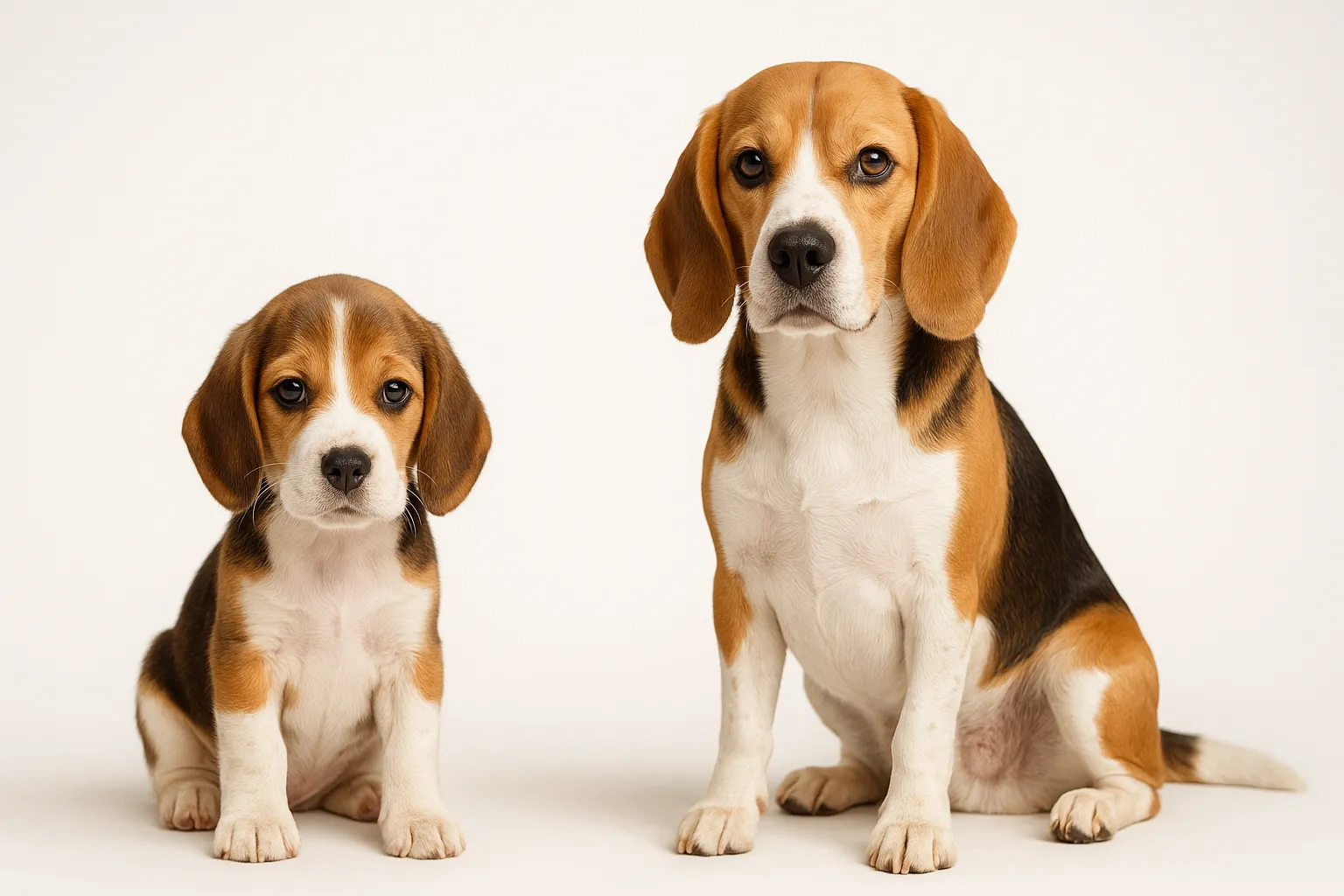
- Beagle: among the most over-represented breeds in thyroid tumor registries
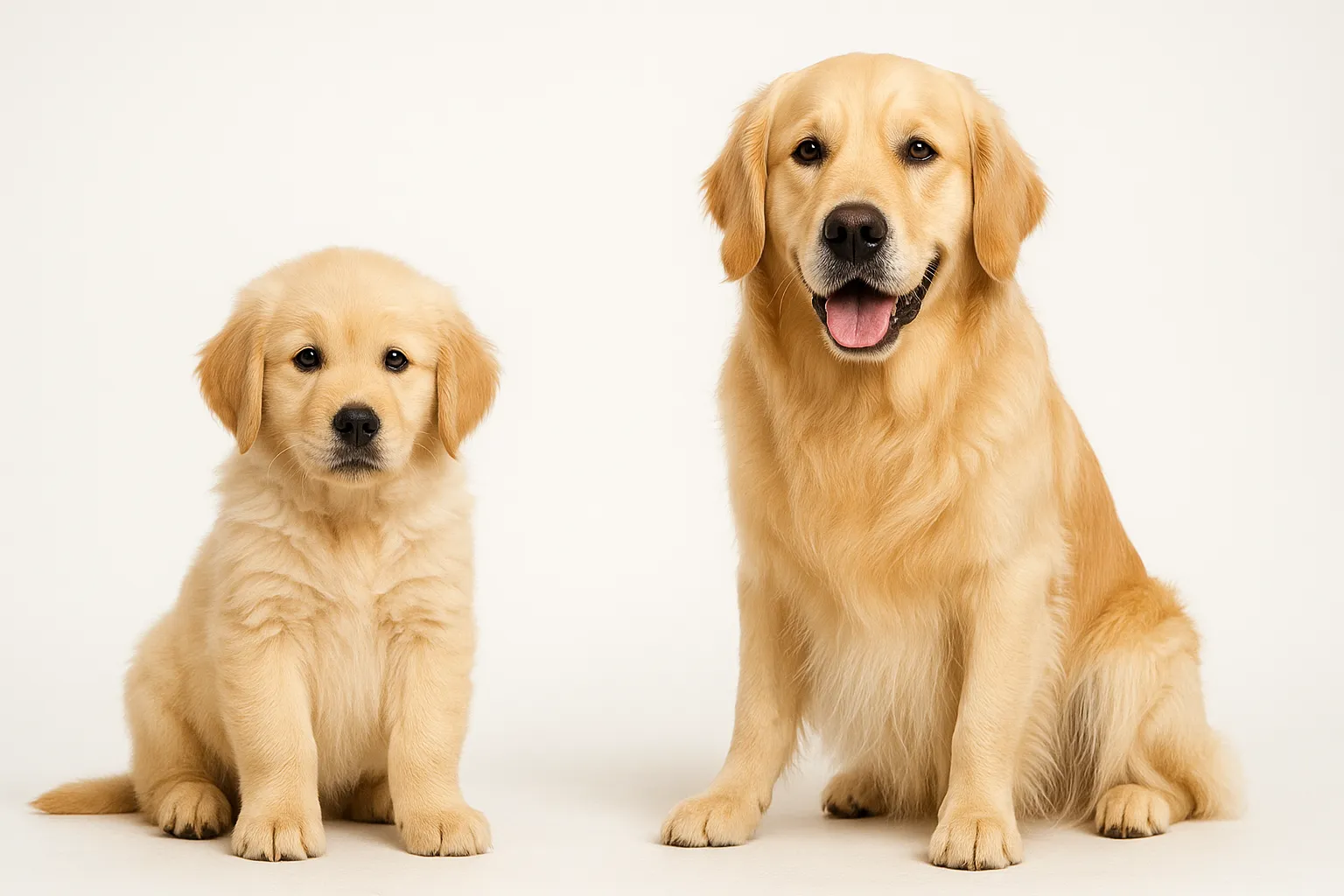
- Golden Retriever: elevated risk consistent with the breed’s broader cancer predisposition
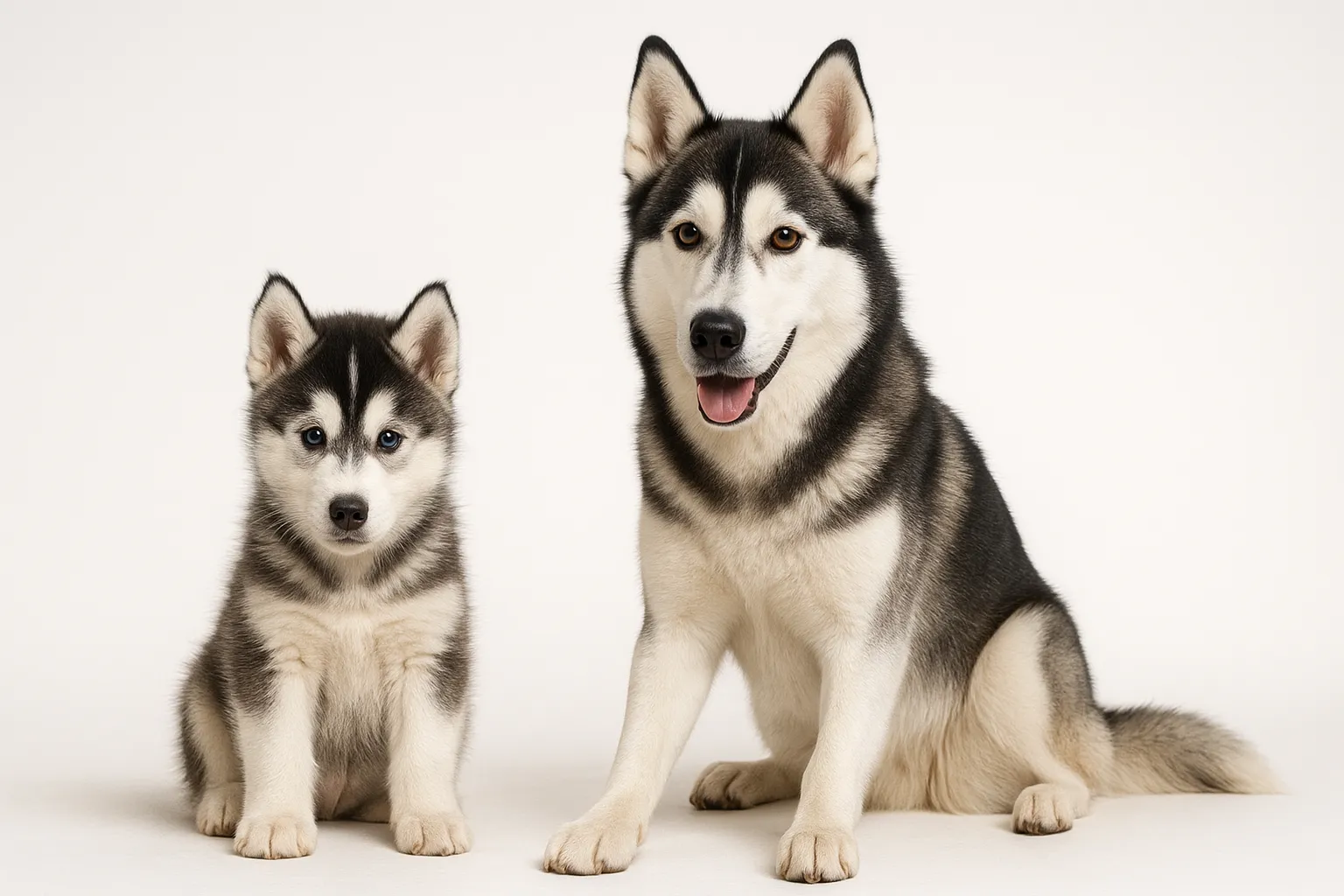
- Siberian Husky: documented predisposition in multiple studies
- Boxer: increased risk across several tumor types, including thyroid
Medium to large breeds appear more commonly affected than small breeds. No consistent sex predisposition has been established, though some studies report slightly higher incidence in spayed females.
What Owners See
Early Signs — Often Found by Accident
Many thyroid tumors are discovered during a routine vet exam, not because the owner noticed anything wrong.
- A firm mass in the lower neck, often on one side of the trachea
- Mild swelling along the throat
- No other symptoms at all in dogs with nonfunctional tumors
When the Tumor Produces Excess Hormone
If your senior dog is losing weight while eating the same amount — or more — thyroid hormone overproduction may be driving the metabolism into overdrive.
- Weight loss despite normal or increased appetite
- Increased thirst and urination
- Restlessness, hyperactivity, or behavioral changes
- Elevated heart rate (tachycardia)
- Vomiting or diarrhea
Advanced Signs
- Difficulty swallowing as the mass compresses the esophagus
- Voice changes or loss of bark (recurrent laryngeal nerve involvement)
- Noisy breathing (stridor) or exercise intolerance
- Facial or neck swelling from vascular obstruction
- Coughing if the cancer has reached the lungs
What We Know About Causes
The etiology remains incompletely understood.
Genetics appear to play a significant role. Breed-specific risk patterns suggest heritable susceptibility, but the molecular pathways are not well characterized in dogs.
Age is the clearest risk factor. Incidence climbs substantially after age 7, peaking between 9 and 12. Thyroid cancer in dogs under 5 is uncommon.
Environmental exposures — some epidemiological data suggests links to pesticides and industrial chemicals, but causal relationships have not been established in canine populations.
Hormonal factors remain unclear. Unlike some other cancers, spay/neuter timing does not have established effects on thyroid tumor development.
How Veterinarians Diagnose and Stage Thyroid Cancer
Physical Examination
Cervical palpation is the primary screening method. The key question: is the mass freely movable or fixed to surrounding tissue? Freely movable masses are more likely resectable with favorable outcomes. Fixed, invasive masses present greater surgical challenge and carry a worse prognosis.
Blood Tests
- Total T4 and free T4 determine whether the tumor produces excess hormone
- TSH: suppressed in functional tumors
- Thyroglobulin levels may serve as a tumor marker for post-treatment monitoring
- Complete blood count and chemistry panel: baseline assessment and screening for paraneoplastic effects
Imaging — Seeing What Palpation Cannot
- Cervical ultrasound: characterizes mass size, blood flow, and relationship to the carotid artery and jugular vein
- Thoracic radiographs (3 views): screens for lung metastasis
- CT scan: the gold standard for surgical planning — reveals vascular invasion, lymph node involvement, and tumor extent that guides whether surgery can achieve clean margins
- Thyroid scintigraphy (technetium-99m scan): identifies functional thyroid tissue and metastatic disease; essential for planning radioactive iodine therapy
Tissue Diagnosis
Fine-needle aspirate cytology can suggest thyroid origin but often cannot distinguish carcinoma from adenoma. Definitive classification requires histopathology from surgical excision or biopsy. Thyroid tumors are highly vascular — aspiration carries hemorrhage risk and requires careful technique.
Prevention — It Comes Down to Early Detection
There is no proven way to prevent thyroid cancer in dogs. No modifiable lifestyle factor has been convincingly linked to risk reduction.
What works is finding it early:
- Annual veterinary exams with thorough cervical palpation, particularly for predisposed breeds over age 7
- Routine senior bloodwork including thyroid panels can catch functional tumors before a mass becomes palpable
- Owners of predisposed breeds: learn to gently feel the ventral neck during grooming or handling. Any new, firm swelling warrants veterinary evaluation.
- Include cervical palpation and thyroid evaluation in senior screening protocols
Treatment Options — Matched to Tumor Stage
Thyroidectomy: Surgery for Movable Masses
Surgical excision is the primary treatment for freely movable thyroid masses. Unilateral thyroidectomy (removing one gland) cures benign adenomas and provides excellent local control for mobile carcinomas. Median survival: more than 36 months.
Bilateral thyroidectomy requires lifelong thyroid hormone supplementation (levothyroxine). Preserving the parathyroid glands during surgery prevents life-threatening drops in calcium — experienced surgeons achieve this in the majority of cases.
Fixed, invasive tumors present greater surgical complexity. Complete removal may not be possible without damaging the carotid artery, jugular vein, or recurrent laryngeal nerve. Debulking combined with adjuvant therapy is an option.
Radiation Therapy
External beam radiation treats incompletely excised tumors, invasive tumors that surgery cannot address, and serves as an adjuvant after surgery. Definitive protocols (15-20 fractions) achieve meaningful local control with median survival times of 18-24 months for incompletely excised carcinomas.
Radioactive Iodine (I-131)
For functional thyroid carcinomas and metastatic disease that concentrates iodine, I-131 therapy targets both the primary tumor and distant metastases simultaneously. Scintigraphy must confirm iodine uptake before treatment. Median survival: 30-36 months in published studies.
Chemotherapy
Doxorubicin-based protocols show partial response rates but are generally reserved for metastatic disease that does not take up iodine and cannot be treated with surgery or radiation. Toceranib phosphate (Palladia) has shown activity against thyroid carcinomas in limited case series.
Nutrition During Treatment
No dietary supplement prevents, treats, or slows thyroid cancer. Nutritional priorities center on maintaining body condition during treatment:
- Maintain adequate caloric intake, especially when chemotherapy or radiation suppresses appetite
- High-quality, easily digestible protein supports lean muscle maintenance
- Cancer nutrition protocols focus on metabolic support, not tumor targeting
- Omega-3 fatty acids provide anti-inflammatory support and may help maintain body condition during treatment
- Selenium plays a role in thyroid hormone metabolism; ensure adequate but not excessive intake, particularly post-thyroidectomy
- Dogs on levothyroxine after bilateral thyroidectomy should have consistent feeding schedules relative to medication timing
One important caution: avoid iodine supplementation in dogs with thyroid tumors unless a veterinary oncologist specifically directs it. Iodine status affects scintigraphy readings and I-131 therapy effectiveness.
When Your Dog Needs a Vet
Routine evaluation is appropriate for:
- Annual senior wellness exams with cervical palpation in predisposed breeds
- Monitoring known stable, small thyroid nodules found incidentally
Prompt evaluation is needed for:
- Any new palpable mass in the neck
- Unexplained weight loss, increased thirst, or behavioral changes in senior dogs
- Progressive swelling in the throat area
Urgent evaluation is required for:
- Rapid increase in size of a known thyroid mass
- Difficulty breathing or swallowing
- Sudden voice change or loss of bark
- Collapse or severe respiratory distress
Related Condition Pathways
Related Breed Longevity Guides
Related Science
- Breed-Specific Cancer Research Summary
- Cancer Screening in Dogs: What Helps
- Senior Dog Screening Protocol
- Cancer Prevention Screening Stack for Dogs
Frequently Asked Questions
Is thyroid cancer always fatal in dogs? No. Dogs with small, freely movable thyroid carcinomas that are completely removed surgically have median survival times exceeding 3 years, and some achieve cure. Prognosis depends on tumor size, whether it has invaded surrounding tissue, the presence of metastasis, and whether it produces excess hormone. Early detection is the strongest predictor of a good outcome.
How is thyroid cancer different from hypothyroidism? Hypothyroidism results from immune-mediated destruction of thyroid tissue, leading to insufficient hormone production. Thyroid cancer involves abnormal cell growth. While some thyroid tumors cause hyperthyroidism (excess hormone), the two diseases are fundamentally different processes. However, dogs can become hypothyroid if both thyroid glands are affected by cancer or surgically removed.
Can thyroid cancer be detected on routine blood work? Functional tumors (30-40% of cases) may show elevated T4 levels on routine bloodwork. Nonfunctional tumors (60-70% of cases) produce no hormone abnormalities and cannot be detected through blood tests alone. That is why physical examination with cervical palpation remains essential — blood tests alone will miss the majority.
What is the cost of thyroid cancer treatment? Costs vary by treatment and location. Thyroidectomy: $2,000-$5,000. Radiation therapy: $4,000-$8,000. Radioactive iodine: $2,500-$6,000. Staging workup (CT, scintigraphy, bloodwork): $1,500-$3,000. Long-term levothyroxine after bilateral thyroidectomy runs approximately $20-$50 per month.
Should I monitor my senior dog for thyroid masses? Yes, especially if your dog belongs to a predisposed breed. Learning to gently feel the ventral neck during routine grooming or handling increases your chance of catching a mass early. Any new firm swelling warrants veterinary evaluation. Annual wellness exams should include cervical palpation as standard practice.
Medical Disclaimer
This content is for educational purposes only and does not constitute veterinary medical advice. Thyroid cancer requires professional diagnosis through imaging and histopathology, and treatment should be directed by a veterinary oncologist. If your dog shows signs of cervical swelling, difficulty swallowing, or unexplained systemic illness, seek veterinary care promptly.
References
[1] Barber LG. “Thyroid tumors in dogs and cats.” Vet Clin North Am Small Anim Pract. 2007;37(4):755-773. [2] Wucherer KL, Wilke V. “Thyroid cancer in dogs: an update based on 638 cases (1995-2005).” J Am Anim Hosp Assoc. 2010;46(4):249-254. [3] Campos M, Ducatelle R, Rutteman GR, et al. “Clinical, pathologic, and immunohistochemical prognostic factors in dogs with thyroid carcinoma.” J Vet Intern Med. 2014;28(6):1805-1813. [4] Leav I, Schiller AL, Rijnberk A, et al. “Adenomas and carcinomas of the canine and feline thyroid.” Am J Pathol. 1976;83(1):61-93. [5] Marks SL, Koblik PD, Hornof WJ, et al. “99mTc-pertechnetate imaging of thyroid tumors in dogs: 29 cases (1980-1992).” J Am Vet Med Assoc. 1994;204(5):756-760. [6] Worth AJ, Zuber RM, Hocking M. “Radioiodide (131I) therapy for the treatment of canine thyroid carcinoma.” Aust Vet J. 2005;83(4):208-214.
Related reads
Related Reading
Continue exploring