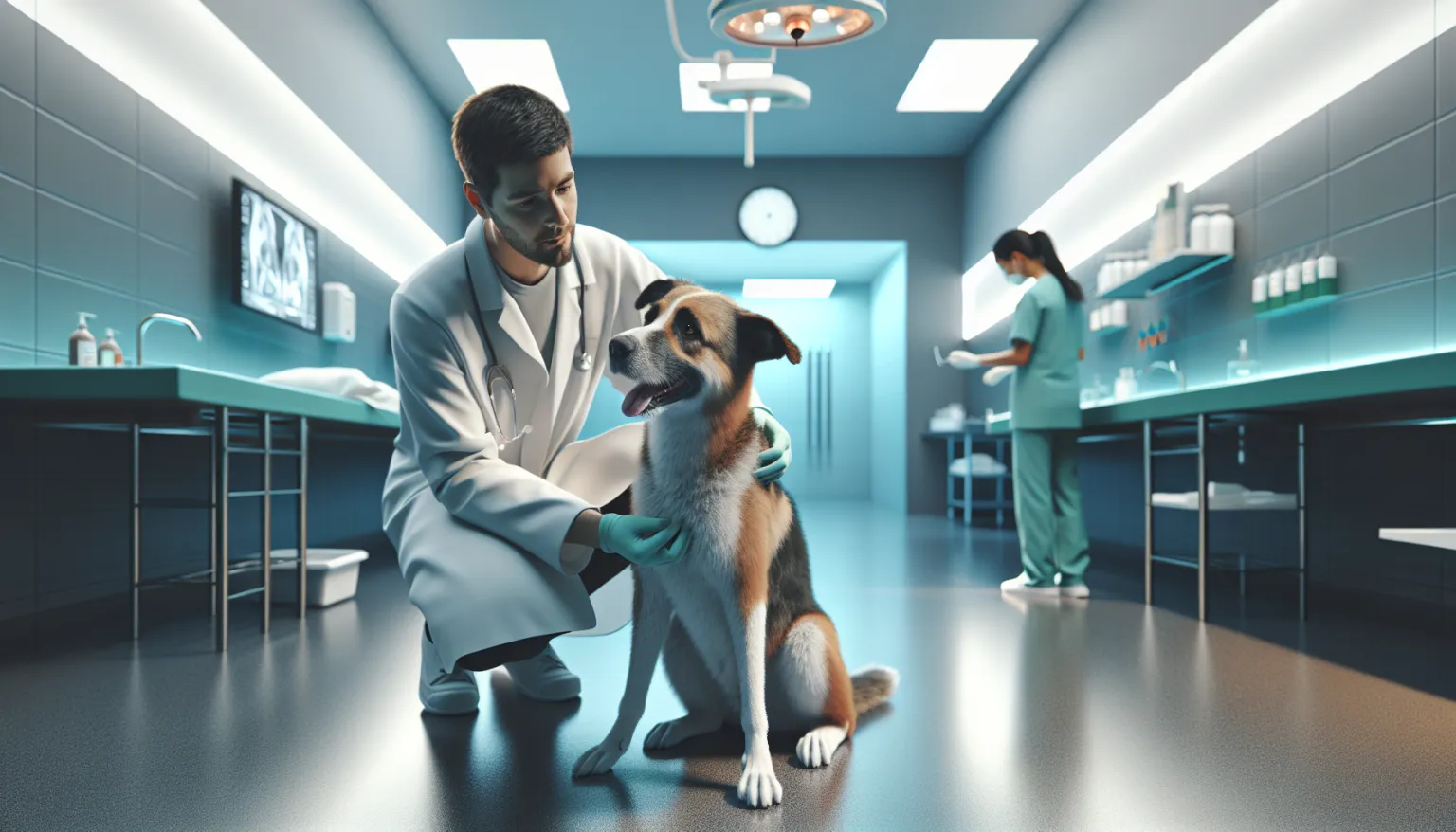
Evidence deep dives for Urinary Tract Infection (UTI)
Pair mechanism-level evidence with practical protocol context before discussing next steps with your veterinarian.
The Real Problem Starts When Infections Keep Returning
A single UTI is usually straightforward to treat. The real problem is what happens when infections keep coming back.
A urinary tract infection in dogs typically reflects bacterial colonization of the lower urinary tract, most often the bladder. Most dogs respond well to a course of antibiotics. But longevity risk rises when episodes repeat, treatment is delayed, or infection is treated empirically without culture confirmation in recurrent cases.
UTI discussions tend to focus on short-term discomfort. For healthspan planning, the bigger issue is system reliability: identifying infection quickly, confirming it with appropriate testing, and preventing quiet recurrence that can climb toward the upper urinary tract or erode bladder health over time.
The Longevity Impact
UTIs shorten healthy years indirectly. Each episode adds to the chronic inflammation burden, disrupts sleep, reduces activity, and introduces another round of antibiotic exposure. Dogs that cycle through unresolved or recurrent episodes also accumulate risk for antimicrobial resistance and delayed identification of a structural or endocrine driver hiding underneath.
The highest-value longevity move is not a single treatment course. It is recurrence control: root-cause workup when needed, objective response checks, and owner tracking of urine-pattern drift before a flare becomes severe.
Early Clinical Pattern and Home Monitoring
Owners often catch UTIs later than they should because the early signs can be subtle. The key is tracking pattern changes, not waiting for dramatic distress.
- more frequent squatting or repeated attempts to urinate with low volume
- new urgency, house-soiling, or asking to go out unusually often
- visible discomfort while urinating, including vocalization or hesitancy
- blood-tinged urine, cloudy urine, or stronger-than-usual odor
- increased licking of the genital area
- restlessness overnight due to urinary urgency
A simple weekly log noting urination frequency, overnight wake events, and urine appearance usually detects drift before full relapse. This kind of low-effort tracking can save significant pain, cost, and antibiotic exposure.
Diagnostic Workflow and Recurrence Workup
Initial evaluation usually includes urinalysis and, when clinically appropriate, urine culture and sensitivity. In recurrent or complicated cases, culture-guided treatment avoids repeated broad empiric therapy that may fail and increase resistance pressure.
If a dog has repeated UTIs, the question shifts from “what antibiotic?” to “why does this keep happening?” Your veterinarian may investigate predisposing factors: bladder stones, endocrine disease, anatomic abnormalities, obesity-related hygiene challenges, or incomplete prior resolution. Longevity planning improves when this workup happens early — not after multiple failed treatment cycles.
Practical steps:
- collect urine with a method your veterinarian recommends for diagnostic quality
- recheck urine when advised to confirm resolution rather than assuming cure
- escalate to recurrence workup after repeated episodes instead of repeating identical short courses
- review all current medications and supplements that could affect urinary health or hydration
Longevity Management Plan
Effective UTI control combines accurate diagnosis, complete treatment, and recurrence prevention. Clinical teams that verify response and define a recurrence threshold usually prevent escalation to more complex urinary or renal disease pathways.
At home, consistency matters more than complexity. A stable hydration routine, regular bathroom opportunities, and documented symptom tracking reduce diagnostic ambiguity and shorten time to treatment when relapse occurs.
- complete prescribed treatment exactly as directed and avoid unsupervised early discontinuation
- track urination frequency and strain signs daily during and after treatment
- ask for a written recurrence plan with explicit retest timing
- discuss body-condition control if mobility or hygiene barriers are contributing
Week-by-Week Action Plan
- Weeks 1-2 (baseline lock-in): confirm diagnosis assumptions, start one shared household log, and capture daily markers for UTI including function, appetite, elimination, activity tolerance, and sleep quality.
- Weeks 3-4 (adherence audit): review whether every caregiver is following the same protocol, identify missed-dose or missed-step friction, and remove one reliability bottleneck that is causing drift.
- Weeks 5-6 (response checkpoint): compare current trend against baseline, escalate quickly if core markers are not improving, and avoid changing multiple variables in the same week.
- Weeks 7-8 (risk tightening): predefine escalation thresholds for severe symptoms, confirm after-hours emergency route, and align caregiver decisions so urgent signs are never handled as watch-and-wait.
- Weeks 9-10 (resilience build): reinforce exercise, mobility, and nutrition routines that your veterinarian has cleared so short-term stabilization converts into durable function.
- Weeks 11-12 (handoff to maintenance): document the long-term cadence for reassessment, decide which metrics must remain tracked weekly, and schedule the next checkpoint before current momentum drops.
Most-Missed Drift Pattern
UTI outcomes improve most when response begins at first measurable drift rather than obvious severe signs. Families tend to wait for the dramatic symptoms — blood in urine, crying during urination — and miss the subtler early signals: slightly more frequent squatting, one more overnight trip outside, a hint of cloudiness in the urine.
Missing a short window for reassessment can turn a simple infection into a cycle of incomplete clearance, resistance development, and delayed root-cause diagnosis. The most common process failure is inconsistent household execution, where each caregiver follows a different version of the monitoring plan and trend data becomes unreliable.
One weekly measurement beats daily guesswork. Choose a specific, objective metric and log it consistently to catch trend changes early.
Nutrition and Supportive Care Priorities
Nutrition does not replace antimicrobial decision-making, but it can influence recurrence control through hydration, weight stability, and routine predictability. Diet strategy should be individualized to the dog’s recurrence pattern and coexisting urinary findings.
When recurrence risk is high, align feeding and water routines with your monitoring plan so changes are measurable and not confounded by frequent diet switching.
- Feeding Guide for Adult Dogs: Maintenance Nutrition Without Drift
- Feeding Guide for Senior Dogs: Healthspan Nutrition
- Prescription Diets for Dogs: Evidence Review and Use Cases
- Probiotics for Dogs: Strain-Specific Evidence and Use Cases
For evidence context and execution details, review:
- Kidney Disease Nutrition Protocol for Dogs
- Senior Dog Screening Protocol
- Home Biomarker Tracking for Senior Dogs
Veterinary Monitoring Timeline
Set monitoring cadence based on whether this is a first event, a complicated event, or a recurrence pattern. Consistent follow-up prevents low-grade persistence from becoming chronic.
- acute episode: reassess clinical response during treatment if signs persist or worsen
- post-treatment: recheck urine when your veterinarian advises, especially in recurrent cases
- recurrence pathway: complete root-cause workup after repeated infections
- long-term: monitor urinary signs alongside weight, hydration, and comorbidity control
At every check, ask one practical question: “What specific sign means we should test now instead of waiting?”
When to Escalate Same Day
Seek same-day veterinary care for UTI-associated red flags that can signal obstruction, upper-tract spread, or systemic illness:
- straining with minimal or no urine output
- vomiting, marked lethargy, or fever with urinary signs
- visible blood in urine with pain escalation
- rapid decline in appetite or inability to rest comfortably
- known recurrent UTI with sudden severe deterioration
Related Condition Pathways
Urinary tract infections often overlap with adjacent pathways that affect diagnosis timing, treatment burden, and long-term resilience:
- Bladder Stones & Urinary Disease: stone disease can drive repeated infection and treatment failure.
- Kidney Disease: upper-tract involvement and renal reserve changes alter urgency and follow-up needs.
- Diabetes: glycemic dysregulation can increase infection risk and recurrence pressure.
- Obesity: weight drift can worsen mobility, hygiene, and inflammation load.
These resources help you plan and prepare. Diagnostic confirmation and treatment changes are clinical decisions that require veterinary oversight.
Related Breed Longevity Guides
Breed predisposition is not destiny, but these dogs often benefit from lower thresholds for urine testing when early signs appear:
- Shih Tzu Lifespan & Longevity Guide
- Bichon Frise Lifespan & Longevity Guide
- Yorkshire Terrier Lifespan & Longevity Guide
- Miniature Schnauzer Lifespan & Longevity Guide
- Miniature Poodle Lifespan & Longevity Guide
Use breed context to tune vigilance, but keep diagnosis anchored to urine data and clinical exam.
Frequently Asked Questions
Can a dog UTI clear without treatment?
Some mild subclinical bacteriuria may resolve without intervention, but clinically symptomatic UTIs generally require treatment. Untreated infections can ascend to the kidneys, cause chronic bladder wall damage, or establish resistant bacterial populations that make future treatment harder. Confirming diagnosis and completing a full treatment course with your veterinarian is far safer than hoping the infection clears on its own.
Why does my dog keep getting UTIs?
Recurrent UTIs often indicate an underlying driver that simple antibiotic courses cannot address. Common culprits include bladder stones, anatomical abnormalities, endocrine diseases like diabetes or Cushing’s syndrome, incomplete clearance from prior treatment, or antimicrobial resistance from repeated empiric therapy. A structured recurrence workup — including imaging, culture-guided treatment, and metabolic screening — is usually the turning point that breaks the cycle.
Should every UTI get a culture?
Not always for a first, uncomplicated episode in an otherwise healthy dog. However, cultures become essential for recurrent infections, cases with poor treatment response, dogs with prior antimicrobial exposure, or complex clinical histories. Culture and sensitivity testing identifies the specific bacteria involved and confirms which antibiotics will actually work, preventing the cycle of guesswork that contributes to treatment failure and resistance.
Do supplements replace antibiotics for UTI?
No. No supplement has been proven to reliably clear a bacterial urinary tract infection. Some products — such as cranberry extracts or probiotics — may play a supporting role in reducing recurrence risk in selected dogs, but they should never substitute for veterinary-directed antimicrobial treatment. Using supplements instead of antibiotics for an active infection risks allowing the disease to worsen or become resistant.
When is UTI an emergency?
Any dog that cannot pass urine, shows signs of systemic illness (fever, vomiting, severe lethargy), or declines rapidly needs same-day emergency care. Urinary obstruction — where the dog strains repeatedly with little or no urine output — is life-threatening and requires immediate intervention. Blood in urine combined with escalating pain or behavioral collapse also warrants urgent evaluation rather than a scheduled appointment.
Medical Disclaimer
This guide is educational and does not replace veterinary diagnosis or treatment. Dogs with urinary pain, blood in urine, inability to urinate, or systemic illness need prompt in-person veterinary care.
References
- ISCAID consensus guidelines on diagnosis and antimicrobial treatment of bacterial urinary tract disease in dogs.
- AAHA and companion-animal antimicrobial stewardship recommendations for culture-guided UTI care.
- Veterinary internal medicine literature on recurrent UTI risk factors and relapse prevention.
- Clinical resources on lower urinary tract diagnostics, urinalysis interpretation, and follow-up testing.
- Evidence on obesity, endocrine disease, and recurrence interactions in canine urinary health.
Related reads
Related Reading
Continue exploring