One of the Oldest Breeds, With a Lifespan That Rewards Careful Owners
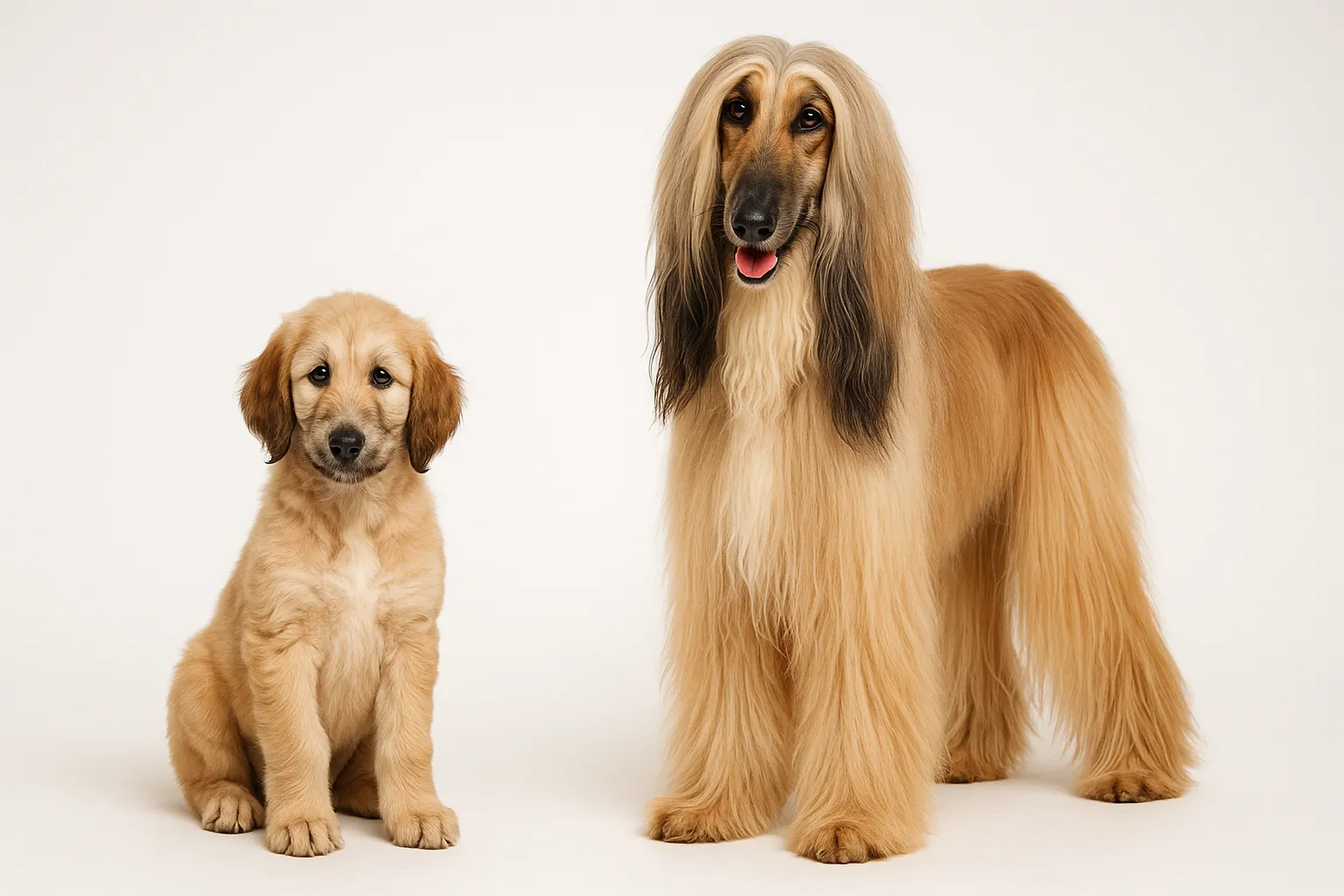
Genetic analysis places the Afghan Hound among the most ancient of all domestic dog breeds, with roots tracing back thousands of years to the mountains of Afghanistan. That deep genetic heritage comes with a meaningful advantage: a 12-14 year lifespan, unusually long for a dog that stands tall and weighs 50-60 pounds.
But living long and living well are different things. The Afghan Hound’s primary health vulnerabilities — cancer (particularly lymphoma), hip dysplasia, anesthesia sensitivity from minimal body fat, and cataracts — each respond well to early, targeted intervention. That flowing silky coat also demands serious grooming investment across every one of those years.
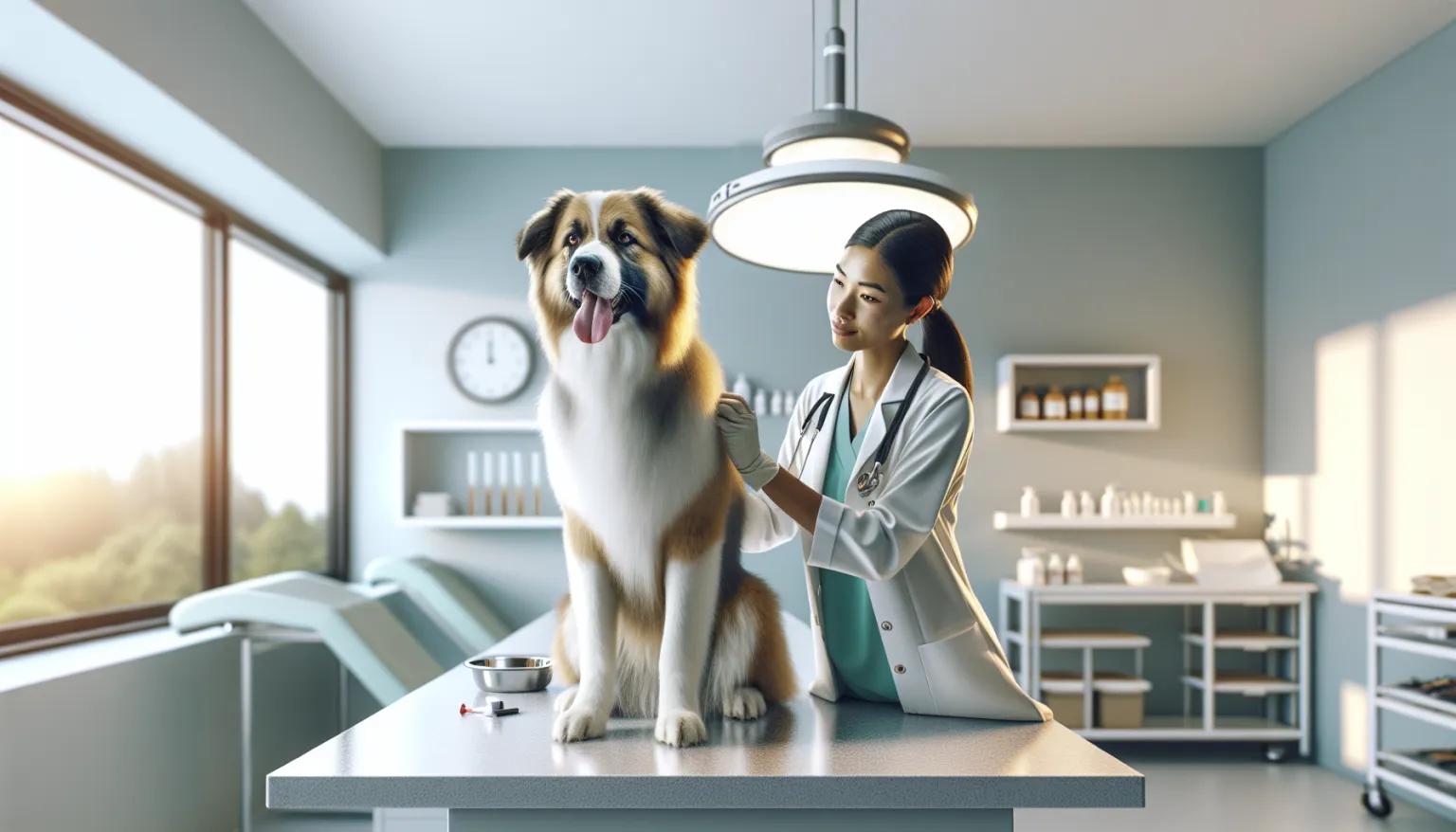
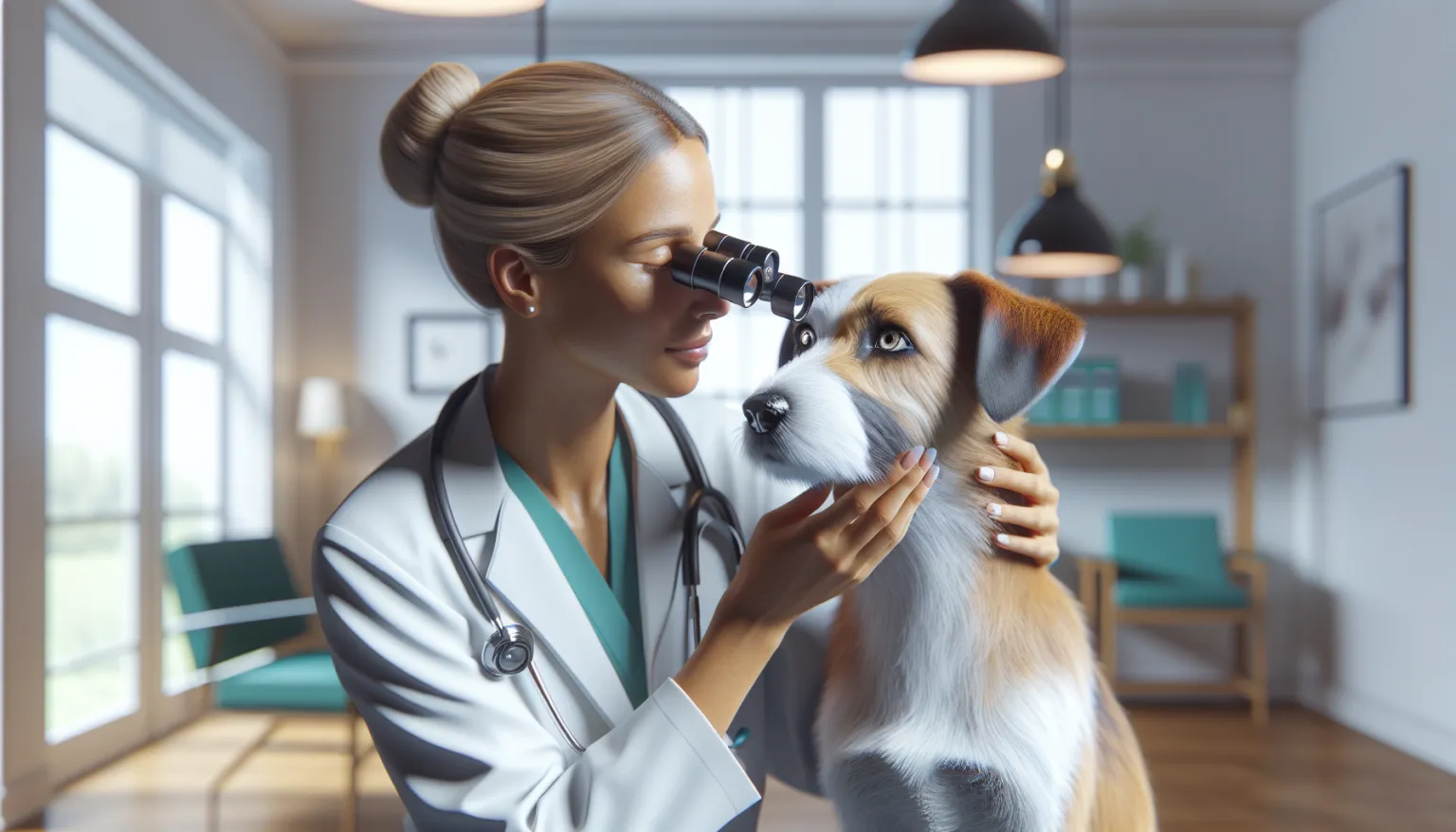
Cancer leads the mortality statistics in breed health surveys, with lymphoma the most frequently reported type. Hip dysplasia appears at notable rates for a breed this lean. And like all sighthounds, Afghans carry so little body fat that standard anesthesia protocols can be dangerous. If your veterinarian has not worked with sighthounds before, you need to raise this before any sedated procedure. Annual CAER eye exams catch cataracts early in lines where they appear.
The Health Conditions That Matter Most
Cancer: The Leading Threat
Cancer is the number one cause of death in Afghan Hounds, and lymphoma tops the list. Starting at age 6-7, annual cancer surveillance — lymph node palpation, abdominal ultrasound, chest radiographs — gives you the best shot at early detection. Unexplained weight loss, persistent fatigue, or swollen lymph nodes in an Afghan Hound should prompt immediate veterinary evaluation, not a wait-and-see approach.
See the Cancer guide for full prevention and management detail.
Hip Dysplasia: A Surprising Risk in a Lean Breed
You might not expect hip dysplasia in a breed built for speed. But Afghan Hounds develop it at significant rates despite their athletic frame. An OFA hip evaluation at 24 months establishes a structural baseline — essential for breeding decisions and for knowing what you are managing. Because these dogs were built to course game over rough terrain, hip joint integrity directly affects their quality of life. Maintaining lean body condition throughout life is the single most effective way to reduce severity.
See the Hip Dysplasia guide for full prevention and management detail.
Epilepsy: Above-Average Risk With a Sighthound Complication
Afghan Hounds experience epilepsy at higher-than-average rates. Idiopathic epilepsy typically surfaces between ages 1-5. Here is where sighthound physiology compounds the problem: if seizure diagnostics require sedation, your veterinarian must know about the breed’s anesthesia sensitivity. The good news is that anticonvulsant therapy controls seizures effectively in most affected Afghans.
See the Epilepsy guide for full prevention and management detail.
Longevity Strategies Specific to Afghan Hounds
Why Anesthesia Is Different for This Breed
This is non-negotiable knowledge for every Afghan Hound owner. Sighthounds carry minimal body fat compared to most breeds, which fundamentally changes how they metabolize anesthetic drugs and regulate temperature under sedation. Barbiturate-based anesthetics like thiopental and propofol behave differently in these dogs, and hypothermia risk during surgery is real.
The standard of care for sighthounds is isoflurane or sevoflurane inhalant anesthesia with appropriate pre-medication. Seek a veterinarian or veterinary anesthesiologist who has sighthound experience. If that is not available, inform your vet of the breed’s specific needs before any procedure — dental cleanings included.
The Coat: Beautiful, Demanding, and Non-Negotiable
Owning an Afghan Hound means committing to coat care for 12-14 years. Daily brushing prevents matting. Monthly professional bathing, blow-drying, and conditioning maintain coat and skin health. Without this consistency, painful mats develop within weeks — especially around the ears, behind the elbows, and along the belly.
This is not cosmetic. Matted coats trap moisture, hide skin lesions, and cause chronic discomfort. Budget for monthly professional grooming from day one and treat it as a health investment, not an aesthetic one.
Living With a Truly Independent Dog
Afghan Hounds think differently than most breeds you have met. Developed to hunt autonomously across mountain terrain, far from their handlers, they bring that self-reliance into every interaction. They are not stubborn — they are simply not wired to seek your approval the way a retriever or border collie does.
Positive reinforcement works. Harsh corrections and repetitive drills do not. Accept selective compliance as part of the breed’s character, not a training failure. One thing that is not negotiable: Afghan Hounds should never be off-leash outside a securely fenced area. Their coursing speed puts them out of sight in seconds once prey drive engages.
Three High-Impact Longevity Actions
The highest-return investments for most Afghan Hound owners are:
- Sighthound anesthesia protocol — ensure every veterinary team knows about your dog’s low body fat before any sedated procedure
- OFA hip evaluation at 24 months — establish a structural baseline to guide lifetime management
- Annual cancer surveillance from age 7 — early detection is the strongest tool against the breed’s leading cause of death
Revisit these priorities at each preventive visit and adjust based on findings. Use Cancer, Hip Dysplasia, Seizures Epilepsy as your primary condition guides.
Keeping Your Afghan Lean and Strong
Body Composition Drives Healthspan
Afghan Hounds are pursuit athletes. Their lean, narrow build is not a sign of underweight — it is exactly how they are supposed to look. Maintaining that body composition protects joints, supports cardiovascular efficiency, and reduces metabolic strain across every system. Even small shifts toward excess weight compound quickly in a large breed, so monitor body condition scoring regularly rather than relying on the scale alone.
Condition-Focused Prevention
The conditions most likely to shorten your Afghan’s life or erode quality of life are Cancer, Hip Dysplasia, and Seizures Epilepsy. Building your prevention plan around these three — rather than spreading attention evenly across unlikely risks — concentrates effort where it delivers the most return.
Mental Health and Sensory Needs
Afghan Hounds do best when scent enrichment, controlled exercise, and genuine downtime stay in balance. These are thinking dogs with strong sensory drives. Without adequate mental engagement, they can develop stress-related behaviors or obsessive patterns. A bored Afghan is not just unhappy — chronic stress contributes to systemic inflammation over time.
When to Increase Screening Frequency
Start with the standard veterinary schedule, then tighten the interval whenever you notice changes in gait quality, orthopedic function, or exercise tolerance. The window between “something seems slightly off” and “this is now a clinical problem” is where the biggest healthspan gains live.
Breed-Specific Research Worth Reading
These evidence deep dives add mechanism-level context to your Afghan Hound longevity plan:
- Cancer Screening In Dogs What Helps: cancer surveillance strategies for a breed with elevated lymphoma risk
- Hip Dysplasia Lifetime Load Management: hip dysplasia management in a lean athletic sighthound
- Heat Stress Risk Management For Dogs: thermoregulation in a thin-coated, low-body-fat sighthound
Making Genetic Testing Useful
Genetic testing has real value for Afghan Hounds — but only if you connect results to action. A panel result that sits in a drawer changes nothing. One that adjusts your screening cadence and monitoring focus changes outcomes.
- Start with a breed-relevant panel (hip/elbow scoring via OFA or PennHIP, plus any available cancer markers) and confirm findings through serial clinical observation, not one-time interpretation.
- Link your first monitoring plan to Cancer and Hip Dysplasia so test results directly shape what you track.
- Keep all health data in one place — test results, exam summaries, medication changes, and your daily notes. Continuity across appointments depends on accessible history.
- Circle back to your genetic data after spay/neuter, at the adult-to-senior transition, and anytime a pattern emerges — weight creeping up, stamina dropping, or behavior shifting without obvious cause.
The question is not “what did the test say?” It is “what should we measure differently now?”
How Breeding History Shapes Your Prevention Plan
Afghan Hounds were bred for tracking endurance, pursuit speed, and independent scent work across harsh mountain terrain. That heritage produced a gorgeous athlete — and a specific risk profile you can address through structured prevention.
- The structural demands of their build call for proactive orthopedic surveillance. Their cancer susceptibility benefits from serial tumor screening. Both require tighter monitoring as your dog moves through adulthood.
- Prioritize surveillance around Cancer, Hip Dysplasia, and Seizures Epilepsy based on the breed’s documented risk history.
- Treat low-grade, repeated changes as a signal to act, not background noise to watch passively.
- Reassess your prevention plan quarterly so updates reflect trend data, not assumptions.
History tells you where to look first. Trend data tells you when to act.
Age-Based Monitoring Milestones
- Puppy to 2 years: OFA hip evaluation, CAER exam, sighthound anesthesia documentation in the medical record
- 3-7 years: annual CAER exam, wellness bloodwork every 2 years
- 8+ years: senior panel annually, annual cancer surveillance, dental care, mobility assessment
Feeding an Afghan Hound for a Long Life
Afghan Hounds should look lean. Their low body fat is physiologically normal — not a problem to solve with extra food. Feed a high-quality large-breed adult formula sized to activity level. Omega-3 supplementation supports both coat quality and systemic inflammation management, a worthwhile addition for a breed that demands so much coat care.
Watch for unexpected weight gain. Even modest excess weight is unusual for the Afghan Hound phenotype and may signal thyroid disease rather than overfeeding.
What 13-14 Healthy Years Looks Like
An Afghan Hound that receives sighthound-appropriate veterinary care, proactive cancer screening from middle age, consistent coat maintenance, and adequate mental stimulation can reach the upper end of the breed’s 12-14 year range in genuinely good health. Their ancient genetic heritage provides a strong foundation. The rest depends on owners who understand what this breed specifically needs.
The Early Warning Signs Owners Most Often Miss
Long-term decline in Afghan Hounds usually begins with subtle changes that are easy to rationalize away:
- Intermittent appetite dips or unexplained fatigue that owners attribute to “an off day” — but that may signal early Cancer
- Subtle gait compensation — bunny-hopping, reluctance to jump, stiffness after rest — that masks Hip Dysplasia progression
- Occasional mild episodes that come and go, potentially early signs of Seizures Epilepsy
If your dog’s baseline function has been drifting for 7-10 days, do not wait for it to resolve. Treat that as a signal to reassess, not a reason to keep watching.
Additional Health Risks to Monitor
Based on breed predisposition data, Afghan Hound owners should also be aware of:
Frequently Asked Questions
How long do Afghan Hounds live?
Afghan Hounds typically live 12-14 years. The three biggest longevity investments are cancer surveillance starting in middle age, ensuring every veterinary team follows sighthound anesthesia protocols, and proactive hip health management from early adulthood.
Are Afghan Hounds good family dogs?
They can be — for the right family. Afghan Hounds are gentle and genuinely affectionate with their people, but they are reserved with strangers and will never be the dog that performs tricks on command. They thrive with experienced owners who respect their independence and can provide daily exercise in a securely fenced area.
Do Afghan Hounds need a lot of grooming?
Yes. Daily brushing and monthly professional grooming are baseline requirements, not optional extras. Over a 12-14 year lifespan, this represents a significant time and financial commitment. If the grooming requirement gives you pause, this may not be the breed for you.
Are Afghan Hounds hard to train?
They are intelligent but selectively cooperative. Unlike retrievers or herding breeds, Afghans were not bred to take direction — they were bred to make independent decisions at speed. Patient, positive reinforcement-based training produces results. Expect a dog that understands what you want but sometimes chooses otherwise, especially when prey drive is involved.
Can Afghan Hounds live in apartments?
Yes, if you meet their exercise needs. Afghan Hounds are surprisingly calm indoors and less disruptive than many high-drive breeds in a home setting. The non-negotiable is daily vigorous exercise, ideally in a fenced area where they can safely run at full speed.
References
[1] Afghan Hound Club of America. afghanhoundclubofamerica.org. [2] Sighthound anesthesia protocols: Kukanich B et al. Vet Anaesth Analg. 2010. [3] Cancer mortality in Afghan Hounds: breed health survey data. [4] OFA health statistics. ofa.org. [5] Ancient dog breed genetics: Parker HG et al. Science. 2004.
Related reads
Related Reading
Continue exploring