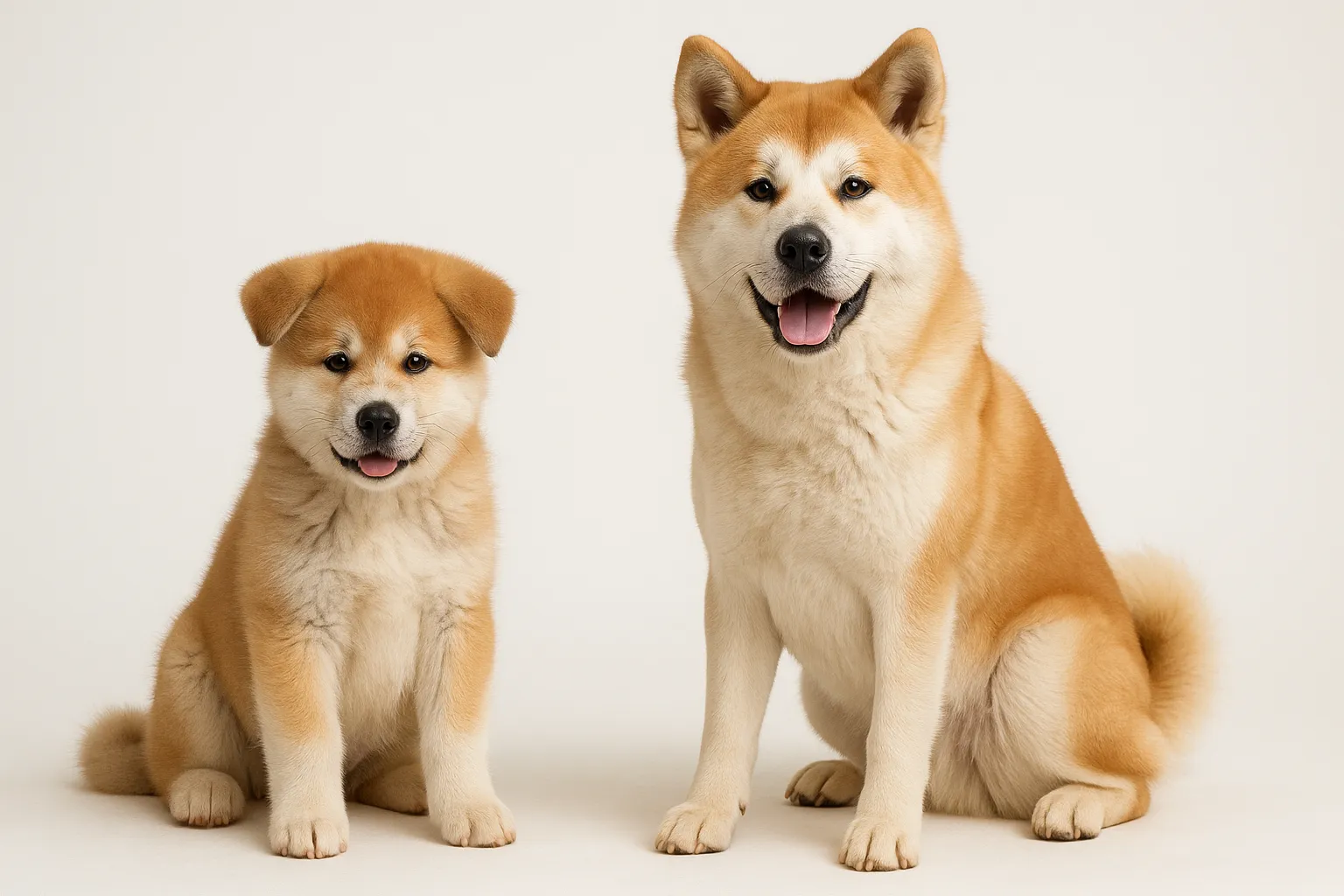
A Stoic Dog That Hides Its Pain
Akitas typically live 10-13 years — standard to slightly above average for a large working breed. They are powerful, stoic Japanese dogs with a natural reserve that owners should never mistake for wellness. An Akita will not tell you it hurts. You have to look.
The breed’s most significant health challenges are hypothyroidism (among the highest rates of any breed), hip dysplasia, and immune-mediated disease. Regular laboratory screening is not optional for this breed — it is the only reliable way to detect conditions that an Akita’s temperament will mask until they are significantly advanced.
What This Breed Is Most Likely to Face
Hip Dysplasia: Lower Risk, Still Significant
OFA data shows approximately 12% of Akitas have hip dysplasia — below average for a large breed, but still significant given the breed’s size and weight. OFA evaluation at 24 months is recommended for all breeding dogs.
Weight management throughout life is the primary modifiable protective factor. The Akita’s natural tendency toward heavy musculature can mask excessive body fat, so visual assessment alone is not reliable. You need hands-on body condition scoring.
See the Hip Dysplasia guide for full prevention and management detail.
Hypothyroidism: Among the Highest Rates of Any Breed
Akitas appear in the top tiers of OFA thyroid disease statistics. The condition often develops between ages 2-6 in this breed. Annual thyroid panels from age 2 onward are recommended.
What makes Akita hypothyroidism particularly tricky: it frequently co-occurs with immune-mediated skin disease (sebaceous adenitis), which can be the presenting complaint rather than the classic thyroid signs. The skin problem and the thyroid problem are often the same problem.
See the Hypothyroidism guide for full prevention and management detail.
Cancer: Standard Large-Breed Risk
Cancer rates in Akitas are generally similar to other large breeds, with osteosarcoma being particularly notable given the breed’s size. Annual physical exams with lymph node palpation and prompt workup of bone pain, unexplained lameness, or new masses are the primary detection tools.
See the Cancer guide for full prevention and management detail.
Bloat (GDV): Deep Chest, Real Risk
Akitas have the deep-chested body conformation that increases GDV risk. Prophylactic gastropexy is recommended, ideally performed at the time of spay/neuter. Preventive feeding management — twice-daily feeding, slow-feeder bowls, no exercise immediately after meals — reduces gas accumulation risk.
See the Bloat (GDV) guide for full prevention and management detail.
Arthritis: The Downstream Cost of Hip Dysplasia
Secondary arthritis develops in Akitas with hip dysplasia and is a common cause of mobility decline in senior dogs. Weight management is the most effective long-term protective strategy. Omega-3 supplementation, controlled exercise, and veterinarian-supervised pain management form the clinical approach.
See the Arthritis guide for full prevention and management detail.
Longevity Interventions That Have Data Behind Them
A Thyroid Panel That Actually Catches the Problem
Given the Akita’s very high hypothyroidism prevalence, a full thyroid panel — T4, free T4, TSH, and thyroglobulin autoantibodies — should be run annually from age 2. The autoantibody testing is particularly important because Akitas show elevated rates of immune-mediated thyroiditis. These autoantibodies appear before thyroid function declines, giving you a head start on detection.
A dog with positive thyroglobulin autoantibodies and normal T4 should be retested every 6 months and treated when thyroid function declines.
Sebaceous Adenitis: Know This Condition
Sebaceous adenitis — an immune-mediated destruction of the sebaceous (oil) glands in the skin — is significantly overrepresented in Akitas. It causes progressive scaling, coat loss, and secondary infections. Skin biopsy is diagnostic.
SA in Akitas often associates with hypothyroidism and may respond to combined treatment. Annual skin assessment as part of wellness exams, with prompt workup of persistent scaling or coat changes, reduces diagnostic delay.
You Cannot Wait for an Akita to Limp
Akitas are powerful dogs with high natural muscle mass. Structured exercise maintains healthy body composition and supports joint health. But the breed’s stoic pain response means you cannot rely on limping or reluctance to exercise as early signs of joint disease.
Use objective monitoring instead: monthly range-of-motion assessment, post-activity recovery observation (normal vs. slow), and veterinary joint palpation at annual wellness exams. Catch changes before they become severe.
Start Here: Your Top Longevity Targets
Start here — these are the highest-impact moves for Akita longevity:
- Annual thyroid screening — Akitas have one of the highest hypothyroidism rates of any breed
- OFA hip evaluation at 24 months and lean body weight management throughout life
- Discuss prophylactic gastropexy given Akita body size and deep-chest GDV risk
Frame your prevention investment around these targets. When resources are limited, these are where the evidence says to spend them first. See Hip Dysplasia, Hypothyroidism, Cancer for the full clinical picture.
Evidence-Based Longevity Priorities
Lean Muscle Is the Foundation
Maintaining stable weight and lean muscle mass is one of the highest-yield longevity interventions available for Akitas. Joint load and metabolic strain rise quickly in large breeds when body composition drifts, so prevention must stay proactive. The Akita’s history of weight-pulling and guarding means muscle maintenance directly affects functional longevity.
The Prevention Stack That Protects Healthspan
Concentrate your prevention investment on Hip Dysplasia, Hypothyroidism, Cancer. These are the conditions where the gap between early and late action is widest, and the cost of delay is steepest.
Structure Prevents Stress Accumulation
Household rhythm quality directly affects Akita healthspan. Inconsistent schedules and unclear role structure often manifest as behavior drift, vigilance patterns, or recovery problems in this breed.
Planned Screening Beats Reactive Visits
Schedule veterinary reassessment intervals by age band and trend changes rather than waiting for obvious deterioration. Planned checkpoints focused on orthopedic function and gait quality improve early detection and intervention timing.
Breed-Specific Research
Use these evidence deep dives to add mechanism-level context to your Akita longevity plan:
- Arthritis Pain Management Stack For Dogs: evidence framework for hip dysplasia and arthritis management in large breeds
- Annual Wellness Testing Protocol For Dogs: guides thyroid and immune monitoring decisions in Akitas
- Canine Cancer Early Warning Workflow: guides cancer surveillance planning in large stoic breeds
Using DNA Data to Guide Prevention
For Akitas, genetic testing delivers the most value when results directly change what gets measured, how often, and what triggers escalation. Consider hip and elbow scoring (OFA or PennHIP) to quantify orthopedic risk, and breed-specific cancer panel or tumor marker surveillance when available.
- Use a breed-appropriate genetic panel as your foundation, but remember that genetic risk is not the same as clinical disease. Serial veterinary observations bridge that gap.
- Anchor your initial monitoring to Hip Dysplasia and Hypothyroidism. Testing matters when it changes what you measure, how often, and what triggers escalation.
- A running health log that combines lab work, clinical notes, and your daily observations gives your vet a clearer picture in five minutes than a full workup without history.
- Treat each annual exam as a chance to re-read your genetic data against fresh clinical findings. The same panel results carry different weight as your Akita ages.
A test result that does not change your next action is just information. Make every panel result translate into a specific monitoring decision.
Guardian Genetics and Their Health Consequences
The Akita was bred for guarding, draft work, and protective temperament. That legacy creates structural load patterns that demand proactive orthopedic surveillance, immune-mediated disease susceptibility, and cancer risk that benefits from serial tumor surveillance.
- Prioritize surveillance around Hip Dysplasia, Hypothyroidism, Cancer.
- When a mild concern surfaces more than once, the right response is earlier screening — not more watching and waiting.
- Course-correct regularly. The point of ongoing monitoring is not to confirm the original plan — it is to improve it as your dog’s health picture becomes clearer.
What the breed was built for tells you where to look. What your dog’s trend data shows tells you when to move.
Preventive Care Timeline
- Puppy to 2 years: OFA hip evaluation, cardiac auscultation, skin assessment, baseline thyroid
- 2 to 6 years: annual thyroid panel with autoantibodies, wellness bloodwork, skin assessment
- 7+ years: biannual exams, cancer surveillance, joint mobility monitoring, renal function panel
What and How to Feed
Akitas benefit from high-quality large-breed diets with controlled caloric density. The breed’s muscle mass helps with weight management, but fat accumulation in the deep chest area can be difficult to detect visually. Body condition scoring by palpation is essential.
Omega-3 supplementation supports joint and skin health. Avoid excess carbohydrates and fillers in dogs with thyroid disease.
What the Future Can Hold
Akitas have solid longevity potential when hypothyroidism is caught early through regular screening and hip health is proactively managed. The breed’s stoic nature makes owner-initiated monitoring especially important — do not wait for behavioral signs of illness. Annual laboratory screening and veterinary examinations will always be more reliable detection tools than symptom observation in this breed.
The Subtle Signs You Are Most Likely to Miss
Healthspan erosion in Akitas typically begins with subtle shifts that are easy to miss — especially because this breed hides discomfort so effectively:
- Subtle hind-limb stiffness after rest related to Hip Dysplasia that looks like slow waking up
- Lethargy attributed to breed temperament or aging that actually signals Hypothyroidism progression
- Palpable masses, persistent lethargy, or sudden collapse as late-stage Cancer signs — by then, early intervention windows have narrowed
If baseline function is drifting for 7-10 days, treat it as a prevention failure signal and reassess early.
Frequently Asked Questions
Are Akitas prone to thyroid problems?
Yes. Akitas have among the highest hypothyroidism rates of any breed. Annual thyroid panels from age 2, including thyroglobulin autoantibodies, are the standard of care for this breed.
How long do Akitas live?
Akitas typically live 10-13 years. With proactive thyroid monitoring, hip management, and GDV prevention, reaching the upper end of this range is achievable.
What is sebaceous adenitis in Akitas?
Sebaceous adenitis is an immune-mediated condition where the body destroys its own sebaceous (oil) glands, causing scaling, coat loss, and secondary infections. It is significantly overrepresented in Akitas and often associates with hypothyroidism.
Should Akitas get gastropexy surgery?
Most veterinarians recommend discussing prophylactic gastropexy for Akitas given their deep chest and body size, which increase GDV risk. The procedure is most conveniently done at the time of spay/neuter.
Are Akitas stoic about pain?
Yes. Akitas typically show minimal behavioral signs of pain or illness until conditions are advanced. This makes regular proactive screening and objective monitoring more important than in more expressive breeds.
References
[1] OFA hypothyroidism and hip dysplasia statistics by breed. ofa.org. [2] Sebaceous adenitis in Akitas: breed-specific immune-mediated condition. NCBI. [3] WSAVA global nutrition guidelines. wsava.org. [4] Merck Veterinary Manual: Hypothyroidism. merckvetmanual.com. [5] AKC Akita breed health surveys. akc.org.
Related reads
Related Reading
Continue exploring