Evidence deep dives for Arthritis
Pair mechanism-level evidence with practical protocol context before discussing next steps with your veterinarian.
The Most Common Chronic Disease Most Owners Catch Too Late
By age seven, up to 80% of dogs show evidence of osteoarthritis on imaging. Yet most owners attribute the early signs — slower mornings, shorter walks, reluctance to jump — to “normal aging” rather than recognizing treatable disease.
That delay costs dogs months or years of comfortable living.
Osteoarthritis (OA) is a chronic, progressive deterioration of joint cartilage accompanied by inflammation of the joint lining and new bone formation at the joint margins. Unlike acute injuries that heal, OA runs on a self-perpetuating cycle: cartilage breakdown releases inflammatory molecules that damage more cartilage, while abnormal joint mechanics accelerate wear.
The smooth, gliding surface erodes. The joint lining thickens and swells. Pain becomes a constant companion.
Veterinarians enormously underdiagnose the condition for one reason: dogs instinctively mask pain. They do not limp until the discomfort is severe. They do not whimper until it is acute.
They just quietly do less — and their owners, watching it happen gradually, accept it.
Why Arthritis Is a Longevity Crisis, Not Just a Comfort Problem
Osteoarthritis does far more than make joints sore. It sets off a cascade that accelerates aging across the entire body.
The activity-mobility spiral. Pain reduces movement. Less movement means muscle loss and weight gain. Weaker muscles and heavier bodies accelerate joint damage. This cycle is the single most dangerous pattern in canine aging, and it compounds every month it goes unaddressed.
Systemic inflammation. Chronic joint inflammation fuels body-wide inflammatory burden. Research links this burden to accelerated aging, cardiovascular disease, and increased cancer risk in multiple species.
Secondary complications. Dogs with severe arthritis become reluctant to move. That reluctance increases risk of obesity, cardiovascular deconditioning, urinary tract infections (from reduced trips outside), pressure sores, and cognitive decline from reduced stimulation.
Quality-of-life euthanasia. Unmanaged osteoarthritis is one of the leading reasons for end-of-life decisions in senior dogs. Many dogs are euthanized not because of terminal illness, but because uncontrolled pain and immobility made daily life intolerable. This is a failure of management, not an inevitability.
The critical truth: osteoarthritis is highly manageable. Dogs receiving multimodal treatment maintain significantly better activity levels, experience less pain, and live longer, higher-quality lives than those left untreated.
What Drives Arthritis Risk
The Factors That Matter Most
Age is the strongest predictor. Cartilage repair capacity declines with each year, and cumulative joint wear accumulates.
Breed and size. Large and giant breeds develop OA at higher rates and younger ages, driven by greater biomechanical forces and higher prevalence of developmental orthopedic diseases like hip dysplasia.
Obesity is the most powerful modifiable risk factor. Each pound of excess weight multiplies force through weight-bearing joints. The landmark Purina Lifetime Study showed that lean dogs had approximately 50% less severe arthritis and lived 1.8 years longer than their overweight littermates. That is nearly two years of life, gained or lost based on body weight alone.
Joint injury. Previous ligament tears (especially cranial cruciate rupture), fractures involving joint surfaces, or luxations significantly increase OA risk in the affected joint.
Developmental orthopedic disease. Hip dysplasia, elbow dysplasia, patellar luxation, and osteochondritis dissecans (OCD) create abnormal mechanics that predispose joints to early-onset arthritis.
Repetitive high-impact activity. Agility dogs, working dogs, and dogs doing frequent jumping or high-speed turns show increased OA prevalence, particularly in shoulders, elbows, and stifles.
Genetics. Some breeds show familial clustering of OA independent of known orthopedic conditions, suggesting heritable differences in cartilage metabolism or inflammation regulation.
Secondary Osteoarthritis
OA developing as a consequence of identifiable joint pathology:
- Post-traumatic: following fractures, ligament tears, or joint infections
- Dysplastic: hip or elbow dysplasia creating abnormal biomechanics
- Immune-mediated: chronic inflammatory joint diseases (rare in dogs)
- Metabolic: conditions affecting cartilage health (hypothyroidism, diabetes)
Breeds That Carry the Greatest Burden
Large and giant breeds bear the highest risk, but any dog can develop OA with age.
High-Risk Breeds
- Labrador Retriever: Very high prevalence, particularly hip and elbow
- Golden Retriever: High rates of hip, elbow, and shoulder arthritis
- German Shepherd: Hip dysplasia-related arthritis widespread
- Rottweiler: High prevalence across hip, elbow, and knee
- Bernese Mountain Dog: Hip and elbow, often early onset
- Newfoundland: Hip and elbow due to size and dysplasia rates
- Saint Bernard: Very high prevalence across multiple joints
- Great Dane: Shoulder, elbow, and stifle
Moderate-Risk Breeds
- Boxer: Shoulder and hip
- English Springer Spaniel: Hip
- Cocker Spaniel: Hip and stifle
- Beagle: Spinal and hip
- Dachshund: Spinal arthritis (spondylosis) common
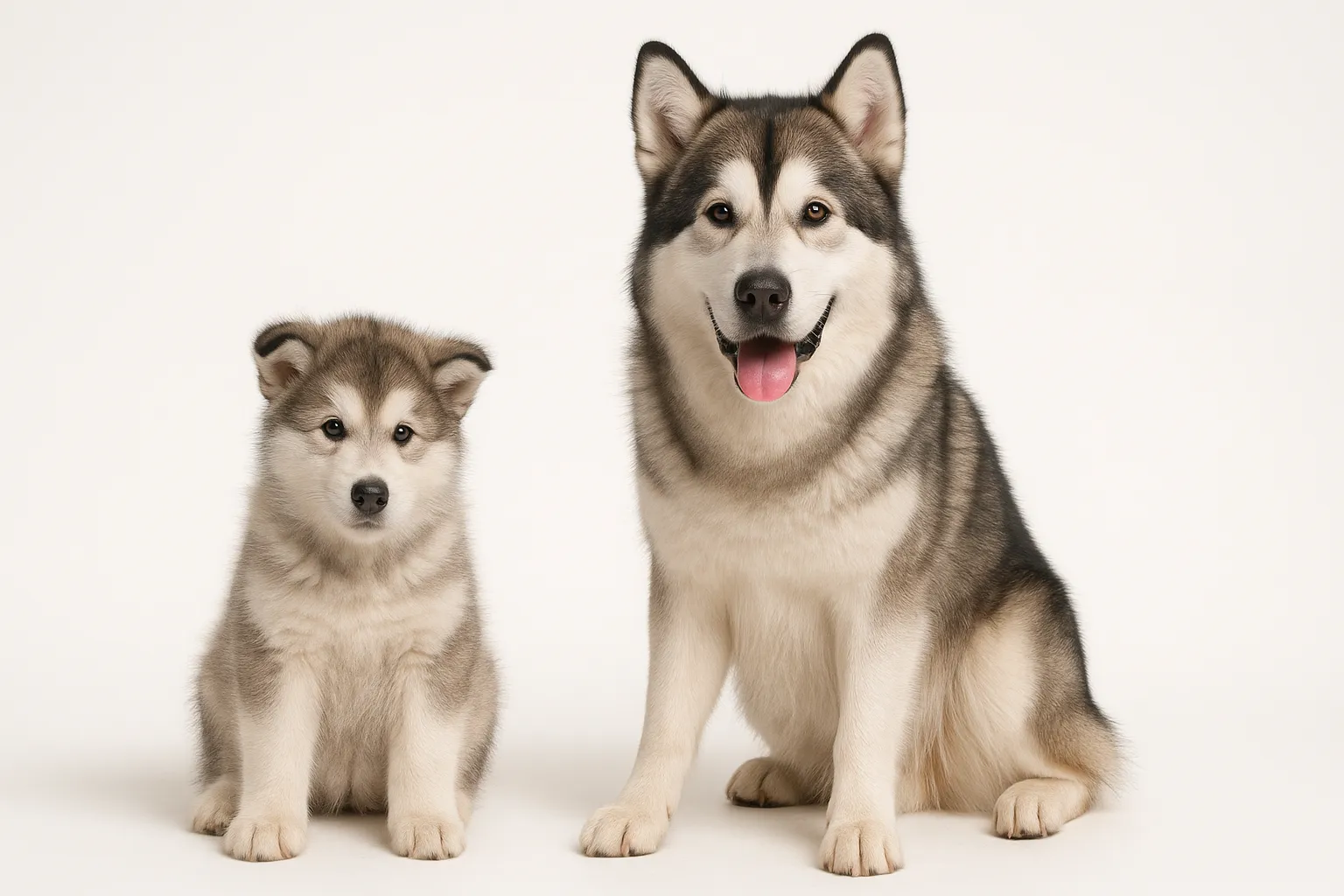
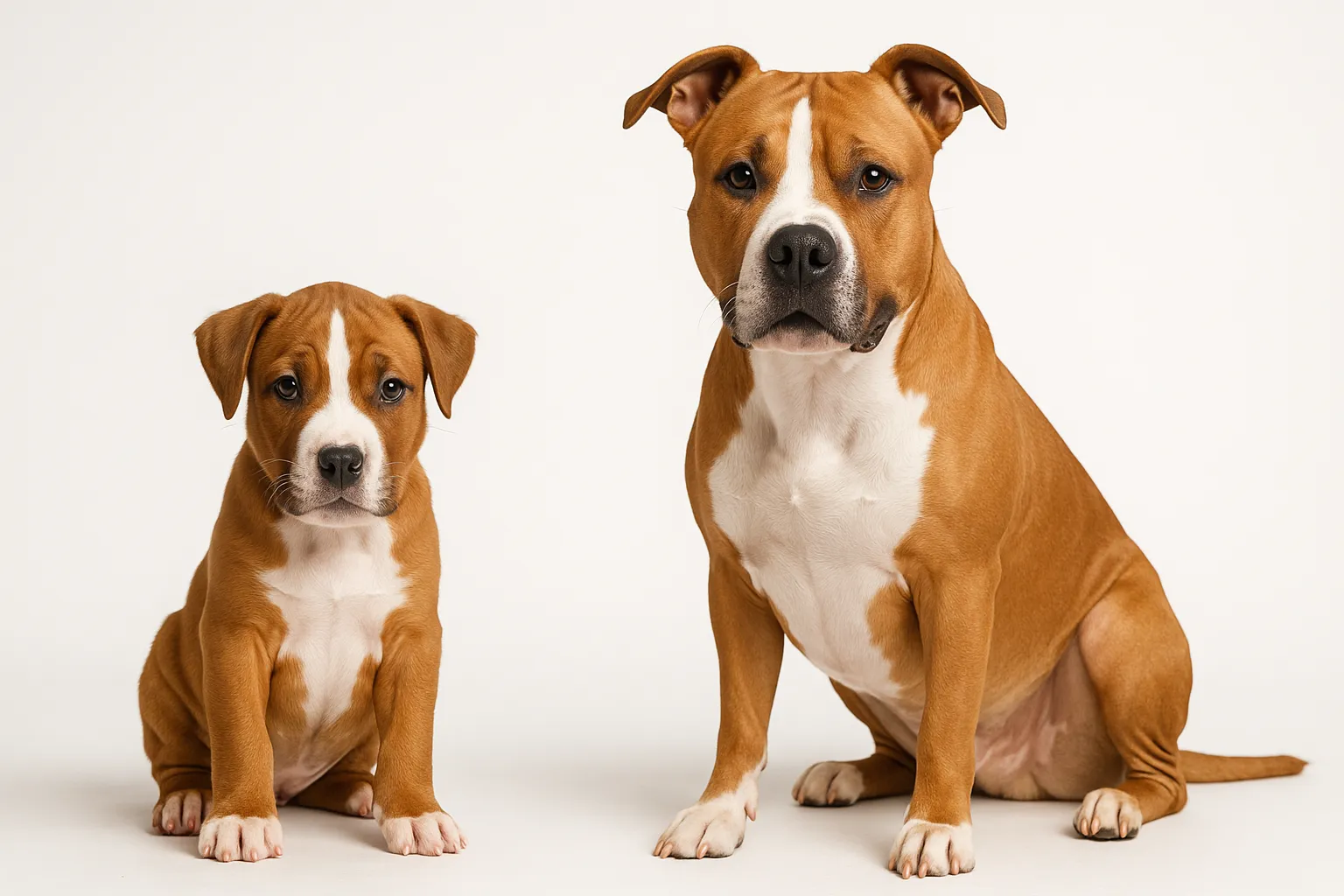
Small and toy breeds develop OA at lower rates and later ages, though patellar luxation in Chihuahuas, Yorkshire Terriers, and Pomeranians predisposes to stifle arthritis.
Recognizing Arthritis Before It Becomes Obvious
The Early Signs Your Dog Cannot Tell You About
Dogs adapt to pain by doing less, not by complaining. Your job is to notice the absence of what was there before:
- Stiffness after rest. The first steps of the morning are slow or awkward. The dog takes several strides to “warm up.” This is the most common early sign, and the one most often dismissed.
- Slower transitions. Hesitation when rising, cautious sitting, reluctance to jump into the car or onto furniture.
- Shorter activity window. Walks end sooner. Play sessions are briefer. Fatigue sets in faster than it used to.
- Subtle gait changes. A slight limp, weight shifting between limbs, or a shortened stride.
- Behavioral shifts. Irritability when touched in certain spots. Reluctance to be groomed. Loss of interest in activities the dog previously loved.
- Weather sensitivity. Increased stiffness during cold or damp weather.
When It Becomes Harder to Miss
As OA advances, the signs become more persistent:
- Persistent lameness and visible favoring of limbs
- Joint swelling and thickening around affected joints
- Muscle atrophy, especially in the thighs of dogs with hip or knee arthritis
- Decreased range of motion and resistance to manipulation
- Pain vocalization — whining, yelping, or growling when touched or during certain movements
- Difficulty with stairs or jumping that progressively worsens
- Licking or chewing joints, sometimes creating sores or hot spots
- Postural changes — shifting weight forward (common with hip arthritis), standing with a hunched back
Severe Osteoarthritis
In advanced disease, the signs are unmistakable — and the window for early intervention has passed:
- Inability to rise without assistance
- Near-constant pain behaviors
- Complete avoidance of weight-bearing on affected limbs
- Severe muscle wasting
- Secondary urinary or fecal incontinence from reluctance to posture
- Depression, social withdrawal, decreased appetite
The Diagnostic Process
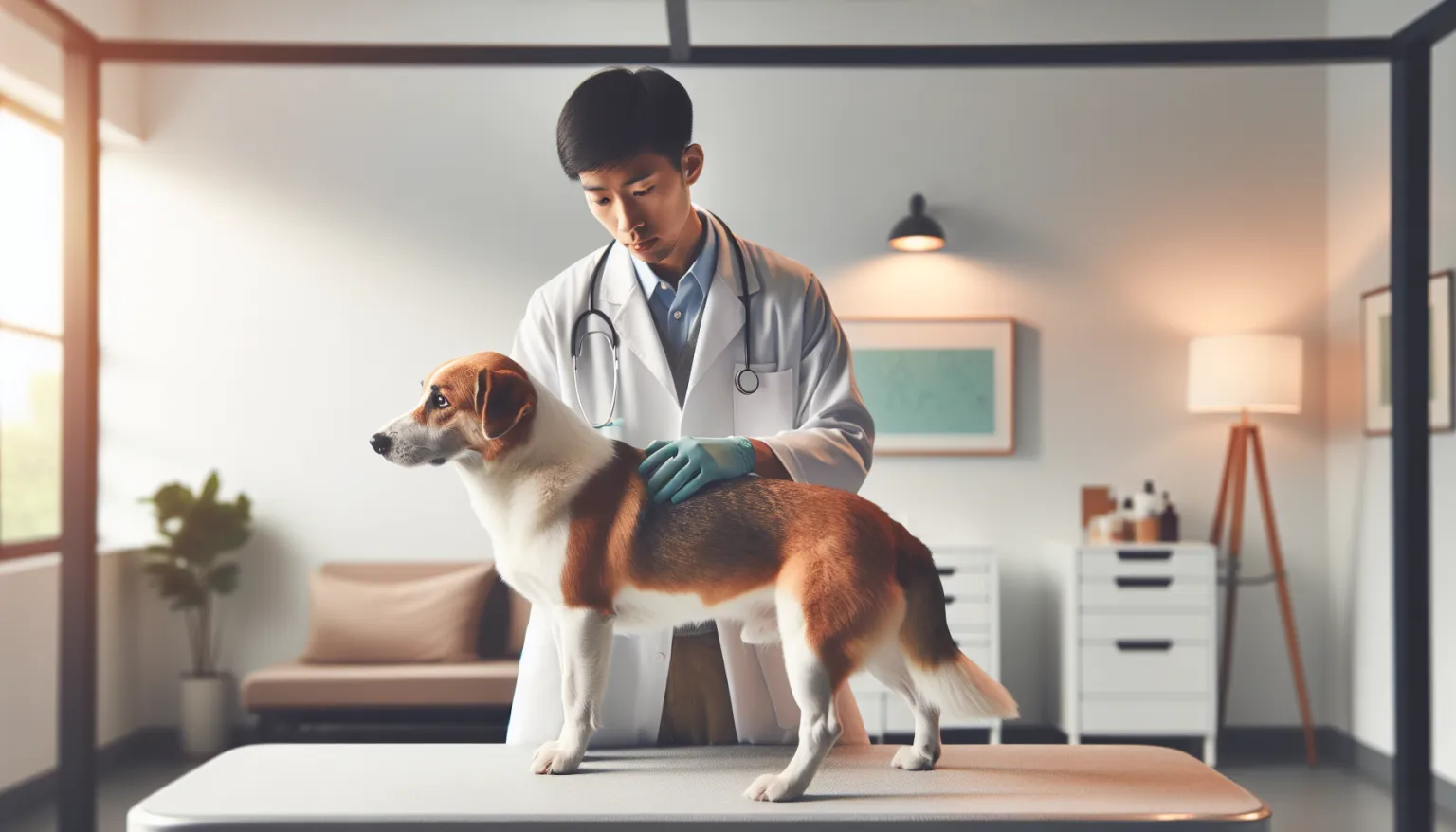
Physical and Orthopedic Examination
Your veterinarian assesses:
- Gait analysis: watching the dog walk and trot to identify lameness, asymmetry, or compensatory patterns
- Joint palpation: feeling for swelling, thickening, heat, grinding (crepitus), pain, and reduced range of motion
- Muscle assessment: checking for atrophy, asymmetry, or trigger points
- Pain response: noting reactions to joint manipulation
One caveat worth knowing: many dogs mask discomfort during exams due to adrenaline. Pain that is not obvious in the clinic may still be significant at home.
What X-Rays Reveal
Radiographs are the primary imaging tool for confirming OA and grading severity. Classic findings include:
- Joint space narrowing as cartilage wears away
- Osteophytes (bone spurs) at joint margins
- Subchondral bone sclerosis beneath damaged cartilage
- Soft tissue swelling from thickened joint capsule or fluid
One important caveat: radiographic severity does not always match clinical pain. Some dogs with severe X-ray changes show minimal symptoms. Others with mild changes are in significant pain. The images inform the conversation, but they do not replace your observations at home.
Advanced Imaging
- CT (Computed Tomography): detailed 3D bone visualization, useful for surgical planning
- MRI: best for evaluating cartilage, ligaments, and menisci; expensive, requires anesthesia, but provides superior soft tissue detail
Joint Fluid Analysis
When infection or immune-mediated disease is suspected, joint fluid aspiration helps differentiate causes.
Prevention: The Interventions With Real Evidence Behind Them
Weight Management Is the Single Most Powerful Intervention
The Purina Lifetime Study remains the gold standard — and its findings should shape every decision you make about your dog’s body weight:
- 50% less severe osteoarthritis at end of life in lean dogs
- Delayed arthritis onset by an average of 2+ years
- 1.8 years longer median lifespan
Even modest weight loss in already-overweight dogs produces measurable mobility improvements within weeks. This is not a marginal benefit. Weight management is the closest thing to a longevity drug that is entirely within your control.
Exercise That Protects Rather Than Damages
During growth (puppies and adolescents):
- Avoid high-impact repetitive activities before skeletal maturity (12-18 months depending on breed)
- Limit jumping, agility training, and prolonged running on hard surfaces
- Encourage swimming, controlled leash walks, and gentle play
Adult dogs:
- Regular, moderate exercise maintains joint health by nourishing cartilage and preserving muscle support
- Swimming and underwater treadmill are excellent low-impact options
- Avoid weekend-warrior patterns (sedentary weekdays, intense weekend activity)
Senior dogs:
- Continue regular, gentle activity to maintain muscle mass and mobility
- Shorten duration, reduce intensity, increase frequency
Early Treatment of Joint Injuries
Prompt surgical repair of ligament tears and fractures significantly reduces long-term arthritis development compared to conservative management alone.
Genetic Screening in Breeding Programs
Responsible breeders screen for hip dysplasia (OFA/PennHIP), elbow dysplasia, and other heritable orthopedic conditions, reducing arthritis burden across generations.
Joint Supplements During Growth
Some veterinarians recommend glucosamine and chondroitin for large-breed puppies at high orthopedic risk, though evidence for prevention (versus treatment) remains limited.
Treatment: Why Multimodal Plans Outperform Single Interventions
Single-intervention approaches — medication alone, supplements alone — consistently underperform compared to comprehensive plans. Every study on arthritis management in dogs confirms this.
Weight Reduction as Active Treatment
In overweight arthritic dogs, each pound lost directly reduces joint loading and inflammation. Studies show that weight reduction of just 6-8% of body weight produces clinically significant lameness improvement within 8-12 weeks.
Prescription joint diets (Hill’s j/d, Royal Canin Mobility Support, Purina JM) are formulated with omega-3 fatty acids, glucosamine, and chondroitin. Evidence suggests they improve mobility in some dogs as part of a complete plan.
Physical Rehabilitation: The Underused Cornerstone
Physical therapy has strong evidence for efficacy and is dramatically underutilized.
Hydrotherapy. Swimming or underwater treadmill provides cardiovascular conditioning and range-of-motion work while buoyancy reduces joint loading and resistance builds muscle.
Therapeutic exercises. Sit-to-stand repetitions, controlled leash walking with directional changes, cavaletti pole exercises, and balance board work improve strength, flexibility, and proprioception.
Manual therapy. Massage, passive range-of-motion exercises, and joint mobilization reduce pain and maintain flexibility.
Therapeutic modalities. Laser therapy, therapeutic ultrasound, and electrical stimulation may provide adjunctive benefits, though evidence quality varies.
A 2018 systematic review found that multimodal rehabilitation significantly improved function and reduced pain in dogs with OA.
Pain Medications That Restore Function
Adequate pain control is often necessary to allow dogs to engage in the therapeutic exercise that builds long-term resilience. Keeping a dog comfortable enough to move is not indulgence — it is treatment.
NSAIDs remain first-line:
- Carprofen (Rimadyl): well-tolerated, effective, long safety track record
- Meloxicam (Metacam): once-daily dosing, good palatability
- Deracoxib (Deramaxx): COX-2 selective, potentially fewer GI side effects
- Firocoxib (Previcox): long half-life, once-daily dosing
- Grapiprant (Galliprant): targets the prostaglandin EP4 receptor via a different mechanism than traditional NSAIDs, potentially safer for long-term use. Rausch-Derra et al. (2016) demonstrated significant pain reduction in a multisite clinical study.
NSAIDs require monitoring. Baseline bloodwork (kidney and liver) before starting, with rechecks every 6-12 months, is standard of care.
Gabapentin: effective for chronic pain, especially when a neuropathic component is present. Often combined with NSAIDs for dogs that need additional relief.
Tramadol: moderate opioid pain relief. Sedation is common. Often used in combination for severe arthritis.
Amantadine: NMDA receptor antagonist that may enhance NSAID efficacy in chronic pain states.
Adequan (Polysulfated Glycosaminoglycan): injectable disease-modifying drug. Administered twice weekly for 4 weeks, then monthly. Evidence suggests it may slow cartilage degradation. Not a pain reliever itself, but some dogs show improved mobility over weeks to months.
Librela (bedinvetmab): monoclonal antibody targeting nerve growth factor (NGF). Monthly injection. FDA-approved in 2023, showing promise for long-term pain management with minimal systemic side effects. Early clinical experience has been encouraging, though long-term safety data continues to accumulate.
What the Supplement Evidence Actually Shows
Evidence quality varies significantly between products. Here is an honest assessment:
Omega-3 fatty acids (EPA/DHA from fish oil) have the strongest evidence among all joint supplements. Multiple studies — including a 2007 study by Borer et al. in JAVMA — demonstrate anti-inflammatory effects and improved mobility at appropriate doses (50-100 mg combined EPA/DHA per kg body weight daily). Use pharmaceutical-grade fish oil and refrigerate after opening.
Glucosamine and chondroitin sulfate are the most widely used supplements. Evidence is genuinely mixed — some studies show modest improvement, others show none. Quality and bioavailability vary enormously between products. Effects are mild at best. Not a replacement for NSAIDs in moderate-to-severe disease.
Green-lipped mussel (Perna canaliculus): contains omega-3s and glycosaminoglycans. Limited evidence suggests potential benefit. Generally safe.
MSM (Methylsulfonylmethane): proposed anti-inflammatory properties. Evidence in dogs is limited.
UC-II (Undenatured Type II Collagen): emerging evidence for OA benefit through immune modulation. Promising but needs more research.
Curcumin (turmeric extract): anti-inflammatory in laboratory settings, but poor bioavailability in dogs without special formulations. Mixed clinical evidence.
Supplements work best as part of a multimodal plan. They should not replace weight management, exercise modification, or pharmaceutical pain control when needed.
Regenerative Medicine: Emerging Options
Platelet-Rich Plasma (PRP): concentrated platelets from the dog’s own blood, injected into joints. Preliminary evidence, with some dogs showing improvement.
Stem Cell Therapy: adipose-derived stem cells harvested, processed, and injected into joints. Expensive. Evidence quality is variable. Some specialists offer this for severe cases.
Polyacrylamide Hydrogel (PAAG) Injections: intra-articular gel that cushions and may stimulate synovial fluid production. More common in Europe. Long-term data in dogs still emerging.
Surgery for Specific Scenarios
Joint replacement (total hip, total knee): for severe arthritis causing significant disability. Hip replacement success rates exceed 90%.
Arthroscopy: minimally invasive removal of damaged cartilage, loose fragments, or ligament repair.
Salvage procedures: femoral head ostectomy (FHO) or arthrodesis (joint fusion) for end-stage disease when other treatments have failed.
Complementary Therapies
Acupuncture: some evidence for pain reduction and improved function. Works best as part of multimodal therapy.
Chiropractic care: may help dogs with spinal arthritis or compensatory muscle tension.
Massage therapy: reduces muscle tension and may improve comfort and mobility.
Making Your Home Arthritis-Friendly
Small environmental changes reduce daily pain triggers — and they cost a fraction of ongoing medication:
- Non-slip flooring: rugs, yoga mats, or rubber-backed runners on tile and hardwood prevent slipping and the fear of movement it creates
- Ramps: replace stairs for car entry, furniture access, and outdoor steps
- Orthopedic bedding: memory foam or thick, supportive beds reduce joint pressure during rest
- Raised food and water bowls: for dogs with neck or shoulder arthritis (controversial for some breeds due to bloat risk)
- Toe grips or boots: improve traction on slippery surfaces
- Nightlights: help senior dogs with declining vision navigate safely
- Baby gates to block stairs: prevent overuse of high-impact transitions
What to Monitor and When
OA is chronic and progressive. Treatment is never “set and forget.”
Daily
- Ease of rising from rest
- Willingness to walk
- Stair use and jumping behavior
- Appetite and water intake
- Pain behaviors (vocalization, licking, restlessness)
Weekly
- Video gait on the same surface, same time of day — this creates an invaluable comparison record
- Activity tolerance (distance before fatigue)
- Pain flare triggers
Monthly
- Weight and body condition score
- Medication effectiveness and side effects
- NSAID side effect watchpoints (vomiting, diarrhea, decreased appetite, increased thirst)
Every 3-6 Months
- Veterinary orthopedic recheck
- Bloodwork if on long-term NSAIDs
- Radiographs if clinical signs worsen significantly
What the Long-Term Looks Like
Mild OA: Many dogs maintain excellent quality of life for years with weight management, moderate exercise, and intermittent NSAID use.
Moderate OA: With consistent multimodal therapy, most dogs achieve good daily function. Daily medication, regular rehabilitation, and environmental modifications are typically necessary.
Severe OA: Quality of life can be significantly impaired. Aggressive pain management, surgical consideration, and honest quality-of-life conversations become essential.
The goal is not to cure arthritis — it cannot be cured. It is to maintain the best possible quality of life for as long as possible. Many dogs with OA live comfortably into their senior years when owners commit to consistent, multimodal management.
When to Seek Veterinary Care
Routine consultation is appropriate for:
- Gradual onset stiffness or slowed movement
- Intermittent lameness that resolves with rest
- Decreased activity tolerance
- Behavioral changes suggesting discomfort
Urgent evaluation is needed for:
- Sudden severe lameness or inability to bear weight — this may indicate ligament rupture or fracture, not just arthritis progression
- Acute joint swelling, heat, or severe pain
- Inability to stand or rise
- Loss of appetite for more than 24 hours in a dog on NSAIDs (possible GI or kidney complication)
- Vomiting, diarrhea, or black tarry stools in a dog on NSAIDs — stop the medication and contact your vet immediately
- Sudden neurologic changes (dragging limbs, loss of coordination — may indicate spinal disease rather than simple arthritis)
Finding the Balance Between Pain Control and Physical Conditioning
Arthritis management fails when owners choose either strict rest or uncontrolled activity. Both paths lead to decline.
If pain improves but muscle quality declines, function still worsens. If activity increases without pain control, inflammation rebounds. Both vectors must be reviewed at each reassessment. The sweet spot is a dog comfortable enough to exercise at the level needed to maintain muscle and joint health.
What to Do During a Pain Flare
- Mild flare (increased stiffness, function mostly preserved): reduce load for 48-72 hours, tighten home monitoring, reassess the trend.
- Moderate flare (clear limp or activity refusal): same-day veterinary plan adjustment for pain management and activity prescription.
- Severe flare (non-weight-bearing, acute distress, marked swelling): urgent evaluation to rule out ligament injury, fracture, or neurologic disease.
Treating severe flares as “routine arthritis days” is a common source of preventable decline.
When to Start the Surgery Conversation
The surgical conversation often makes sense earlier than owners expect:
- Pain persists despite well-executed multimodal management.
- Mechanical instability drives repeated setbacks.
- Quality of life is declining because function cannot be maintained medically.
Even when surgery is not chosen, an early consult improves decision quality and sets realistic expectations for long-term mobility planning. Waiting until your dog can barely walk is waiting too long.
Feeding and Supplement Strategy
For arthritis, tighter feeding execution can stabilize outcomes across routine monitoring windows.
- Glucosamine and Chondroitin for Dogs: Evidence and Use Framework: can improve plan adherence when the household needs clear defaults.
- Omega-3 Fish Oil for Dogs: Evidence, Dosing Context, and Safety: supports practical day-to-day decision quality while trend data is gathered.
- Curcumin and Turmeric for Dogs: Evidence, Bioavailability, and Safety: helps reduce preventable drift when paired with scheduled reassessment.
Any protocol adjustment — timing, dose, or addition — should be confirmed with your veterinarian before implementation.
Related Condition Pathways
These adjacent condition guides can help with differential thinking, prevention strategy, and care planning:
Related Breed Longevity Guides
These breed-specific guides support deeper planning around longevity risk and prevention execution for this condition:
Related Evidence and Research
- Glucosamine and Chondroitin in Dogs: What the Evidence Supports
- Novel Joint Therapies for Dogs: IRAP, Stem Cells, PRP, and Gene Therapy
- Arthritis Pain Stack for Dogs: Mobility-First Framework
- Multi-Modal Pain Management in Dogs
Frequently Asked Questions
Can arthritis be cured? No. Osteoarthritis is chronic and progressive — damaged cartilage does not regenerate. But it can be managed effectively enough that many dogs maintain excellent quality of life for years. The goal is to slow progression, control pain, and preserve function through weight management, appropriate exercise, pain medication, and rehabilitation. Dogs with well-managed arthritis often surprise their owners with how active and comfortable they remain.
Should I stop exercising my arthritic dog? This is one of the most common and damaging misconceptions. Complete rest actually worsens arthritis by causing muscle atrophy and joint stiffness. The key is appropriate exercise: regular, gentle, low-impact activity like controlled walks and swimming. Avoid high-impact activities like jumping and hard running, but keep your dog moving. Movement nourishes cartilage, maintains muscle support around joints, and prevents the downward spiral of inactivity.
Are NSAIDs safe for long-term use? When monitored appropriately with baseline bloodwork and periodic rechecks (every 6-12 months), most dogs tolerate long-term NSAIDs well. For dogs with moderate-to-severe arthritis, the benefits of adequate pain control — maintained activity, muscle preservation, better quality of life — typically outweigh the risks. Newer options like grapiprant (Galliprant) and the anti-NGF antibody Librela offer alternative mechanisms with potentially different safety profiles for dogs that need long-term treatment.
Do joint supplements work? The honest answer is: it depends on the supplement and the expectation. Omega-3 fatty acids have the strongest evidence and measurable anti-inflammatory effects at therapeutic doses. Glucosamine and chondroitin may provide mild benefits in some dogs, but studies are inconsistent. No supplement replaces weight control, exercise, and appropriate pain management. Think of supplements as one layer in a multimodal plan, not a standalone solution.
When should I consider euthanasia? This is deeply personal and depends on honest quality-of-life assessment. Consider it when pain cannot be adequately controlled despite maximal treatment, when mobility is so limited that basic functions (eating, eliminating, resting comfortably) are severely impaired, or when the dog shows persistent signs of suffering that do not respond to intervention. Quality-of-life scales like the HHHHHMM scale can help structure this difficult conversation with your veterinarian.
Can young dogs get arthritis? Yes. Secondary arthritis develops after joint injuries or due to developmental orthopedic diseases like hip and elbow dysplasia, sometimes appearing in dogs as young as 1-2 years old. Early intervention and aggressive management in young dogs are critical because they have decades of joint use ahead of them. The earlier you start protecting the joint, the longer it lasts.
Medical Disclaimer
This guide is informational and does not replace in-person veterinary diagnosis or treatment. If your dog is acutely unwell, seek veterinary care immediately.
References
[1] American Animal Hospital Association (AAHA) Pain Management Guidelines [2] Canine Arthritis Resources and Education (CARE) [3] Lascelles BDX, et al. “Evaluation of a therapeutic diet for feline degenerative joint disease.” J Vet Intern Med. 2010. [4] Kealy RD, et al. “Effects of diet restriction on life span and age-related changes in dogs.” J Am Vet Med Assoc. 2002. [5] Merck Veterinary Manual: Osteoarthritis in Dogs [6] Borer L, et al. “Evaluation of the anti-inflammatory effects of a new omega-3 fatty acid supplement on dogs with osteoarthritis.” J Am Vet Med Assoc. 2007. [7] Rausch-Derra L, et al. “A prospective, randomized, masked, placebo-controlled multisite clinical study of grapiprant for canine osteoarthritis.” J Vet Intern Med. 2016. [8] Walton MB, et al. “Evaluation of construct and criterion validity for the Liverpool Osteoarthritis in Dogs (LOAD) clinical metrology instrument and comparison to two other instruments.” PLoS One. 2013. [9] American College of Veterinary Surgeons - Osteoarthritis [10] Gruen ME, et al. “The use of functional data analysis to evaluate pain in dogs.” PLoS One. 2014.
Related reads
Related Reading
Continue exploring