A Giant Breed That Outlives Its Size Class
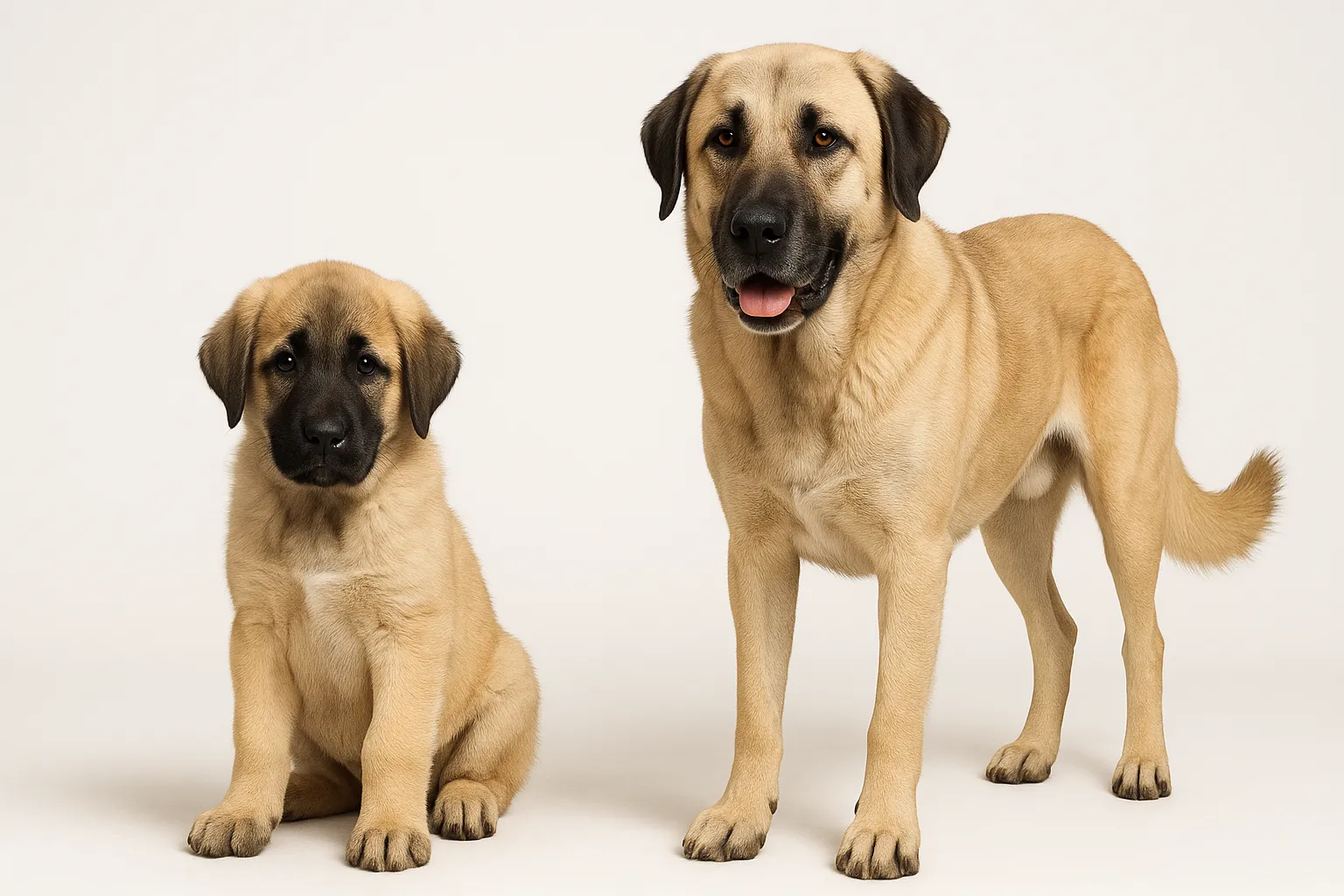
Most giant breeds struggle to reach double digits. The Anatolian Shepherd regularly defies that pattern, living 11-13 years thanks to centuries of natural selection for hardiness across the harsh plateaus of Anatolia. These ancient livestock guardians were never bred for appearance. They were bred to survive.
That working heritage comes with real advantages and real blind spots. Hip and elbow dysplasia, hypothyroidism, and eyelid malformations are the primary concerns. And the breed’s legendary stoicism means your Anatolian may be in significant discomfort long before you see any obvious sign of it.
The Health Conditions That Define This Breed
Hip Dysplasia
Hip dysplasia appears in Anatolian Shepherds at rates typical for giant working breeds. OFA hip evaluation at 24 months provides the structural baseline you need.
Weight management throughout life is the single most impactful modifiable factor — at 80-150 lbs, every extra pound magnifies the mechanical stress on an already vulnerable joint.
See the Hip Dysplasia guide for full prevention and management detail.
Elbow Dysplasia
Elbow dysplasia should be screened alongside hip dysplasia via OFA evaluation at 24 months. If your Anatolian shows early forelimb lameness or stiffness, get radiographs before secondary joint damage has time to accumulate.
See the Elbow Dysplasia guide for full prevention and management detail.
Hypothyroidism: A Subtle Threat in a Stoic Breed
Hypothyroidism develops at elevated rates in Anatolian Shepherds. Annual T4/TSH panels starting at age 3 catch it early.
The tricky part: lethargy and weight gain in a middle-aged Anatolian are easy to dismiss as normal aging. This breed does not advertise when something is wrong. If your dog is slowing down, check the thyroid before assuming it is just age.
See the Hypothyroidism guide for full prevention and management detail.
Longevity Interventions That Have Data Behind Them
Protecting Joints During Rapid Giant-Breed Growth
Anatolian Shepherds need giant-breed puppy nutrition with controlled calcium, phosphorus, and energy levels during their first two years. Growing too fast is just as dangerous as growing too large. OFA hip and elbow evaluation at 24 months gives you the structural data to build a management plan. Dogs with diagnosed dysplasia benefit from a veterinarian-supervised program combining omega-3 supplementation, NSAIDs during flare episodes, and physical rehabilitation when appropriate.
Reading Pain in a Dog That Hides It
These are working dogs bred to stay vigilant regardless of how they feel. That stoicism can cost them years if you are not paying close attention. Learn the subtle signals: reluctance to rise, altered gait patterns, preference for smooth surfaces over rough ground, slowing on stairs, or new irritability. Do not wait for obvious lameness before investigating orthopedic symptoms in this breed. By the time an Anatolian limps, the problem has been there a while.
Exercise Built for Patrol, Not Sprints
Anatolian Shepherds were developed for sustained low-intensity patrol, not high-intensity athletics. They are not natural retrievers or agility dogs. Their exercise needs are best met through regular moderate activity — long walks and free movement in a secure area — rather than hard running or repetitive jumping. Forced high-impact exercise during skeletal maturation can accelerate joint damage in a breed already carrying significant structural load.
Start Here: Your Top Longevity Targets
The actions most likely to extend your Anatolian Shepherd’s healthy years:
- OFA hip and elbow evaluation at 24 months — structural disease is the primary health concern in this giant breed
- Annual thyroid panel starting at age 3 — hypothyroidism is documented at elevated rates
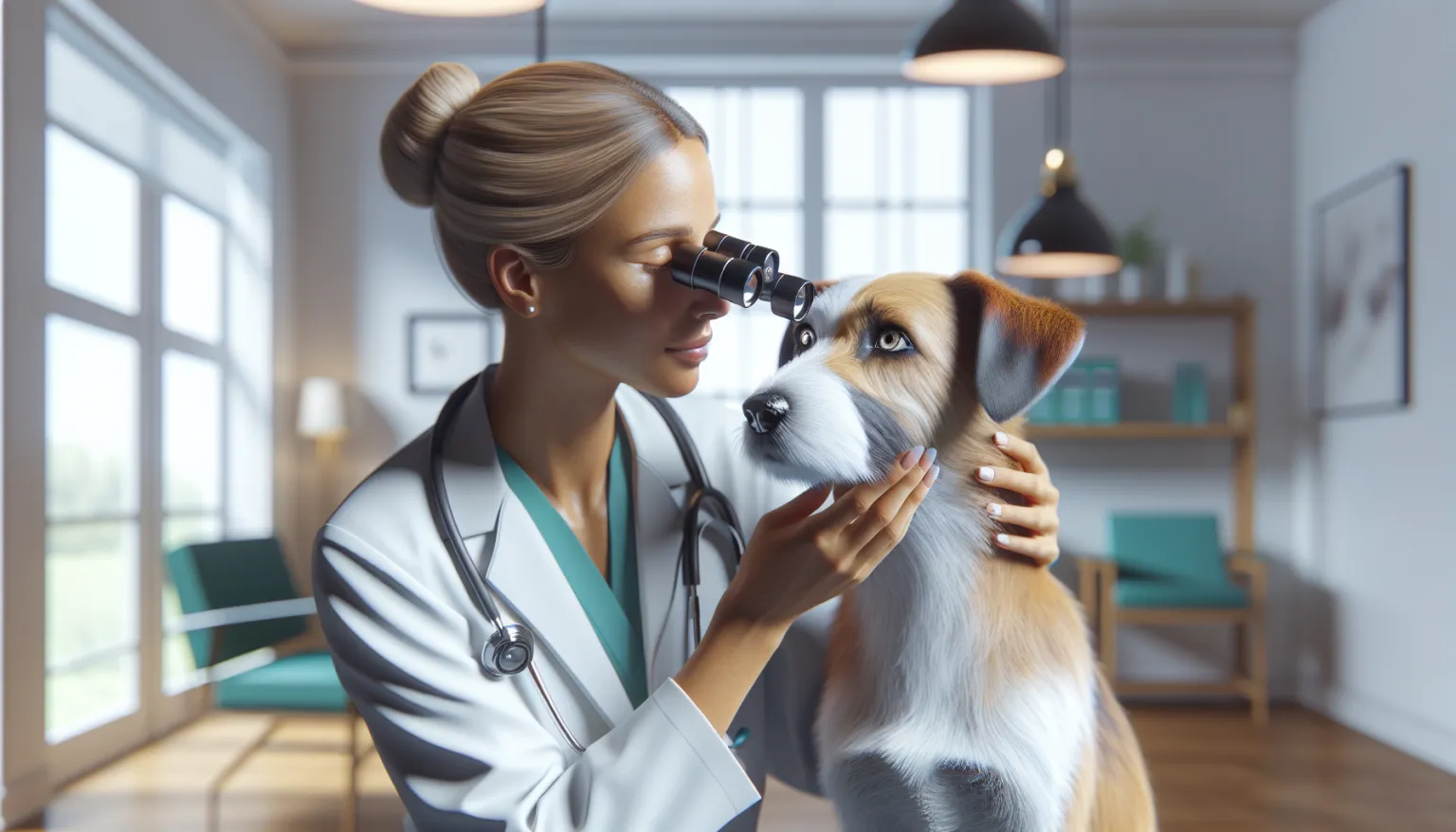
- Entropion and eyelid conformation assessment — eyelid conditions are common given the breed’s large head anatomy
Use these priorities to structure your veterinary conversations and home monitoring routine. The condition guides — Hip Dysplasia, Elbow Dysplasia, Hypothyroidism — provide the clinical detail behind each recommendation.
Evidence-Based Longevity Priorities
Why Every Pound Matters More in a Giant Breed
Weight stability and muscle quality are foundational to orthopedic health and metabolic longevity in the Anatolian Shepherd. Excess weight accelerates joint decline faster in giant breeds than in smaller dogs — the physics are unforgiving. Their history as working guardians means muscle maintenance directly affects how long they stay functionally mobile.
Condition-Focused Prevention Stack
The highest-return prevention targets for Anatolian Shepherds are Hip Dysplasia, Elbow Dysplasia, and Hypothyroidism. Starting treatment early — before clinical signs become entrenched — is the single most reliable way to preserve quality of life.
Stress, Routine, and the Guardian Temperament
Anatolian Shepherds maintain better long-term stability when workload, recovery, and social structure are intentionally balanced. These guardian breeds need predictable routines. Chronic unpredictability creates chronic stress, and chronic stress accelerates aging.
Preventive Screening Cadence
Set routine veterinary checkpoints and increase frequency when orthopedic function or gait quality begins to drift. Prevention windows close quickly once symptoms become obvious — by then, you are managing damage rather than preventing it.
Breed-Specific Research
Use these evidence deep dives to add mechanism-level context to your Anatolian Shepherd longevity plan:
- Canine Size Lifespan Biology: size-lifespan tradeoffs in giant breeds relevant to Anatolian Shepherds
- Muscle And Mobility Longevity Protocol: joint health and mobility maintenance for large working breeds
- Annual Wellness Testing Protocol For Dogs: wellness monitoring framework including thyroid screening timeline
From Genetic Data to Monitoring Decisions
Genetic testing in the Anatolian Shepherd has its greatest value when results directly shape what you monitor, how often, and what triggers escalation. Consider hip and elbow scoring (OFA or PennHIP) to quantify orthopedic risk, and breed-specific cancer panels or tumor marker surveillance when available.
- Run a genetic panel that targets the conditions most common in Anatolian Shepherds. Treat the results as a monitoring guide, not a diagnosis — confirm findings through serial clinical follow-up.
- Tie your first monitoring plan to Hip Dysplasia and Elbow Dysplasia so testing results change what you actually do.
- Keep a unified record of all test results, vet findings, and home observations. The connections that matter most — slow trends, seasonal patterns — only show up when all the data lives in one place.
- Genetic results mean different things at different ages. What looked like a low-risk finding at two years old may deserve closer monitoring by age seven when the clinical picture has changed.
Results without follow-through are noise. Results that change your screening schedule, your daily observations, or your intervention threshold — those are signal.
Breeding History & Health Implications
The Anatolian Shepherd was shaped by centuries of guarding, draft work, and protective duty across rugged terrain. That history creates a practical risk profile you can address through structured prevention.
- The breed’s physical architecture creates joint and skeletal stress patterns that demand ongoing orthopedic monitoring.
- Let the breed’s history guide your watch list. The conditions most worth proactive monitoring are Hip Dysplasia, Elbow Dysplasia, and Hypothyroidism.
- Subtle changes that recur are more diagnostically useful than dramatic one-time events. Track them, report them, and let your vet decide whether to investigate.
- Static prevention plans decay in value. The most effective owners treat their Anatolian Shepherd’s health plan as something that evolves with every vet visit and every home observation.
Breed heritage sets the surveillance priorities. Your Anatolian Shepherd’s individual data tells you when to act.
Your Veterinary Screening Roadmap
- Puppy to 2 years: giant-breed puppy nutrition, OFA at 24 months, eyelid assessment
- 3-7 years: annual thyroid panel from age 3, monthly BCS, orthopedic assessment
- 8+ years: senior panel every 6 months, orthopedic pain management, thyroid monitoring
Diet and Feeding Strategy
Giant-breed puppy nutrition during the first two years is non-negotiable. Adults do well on large/giant breed adult diets with strictly measured portions. Anatolian Shepherds in household settings tend toward lower activity and gain weight easily — portion control prevents the obesity that compounds every other risk. Omega-3 supplementation supports joint health across the lifespan.
What the Future Can Hold
Anatolian Shepherds with proactive orthopedic screening, lean body condition, and consistent thyroid monitoring are among the longer-lived giant breeds. Many reach 12-13 years in good functional health. Their working-dog genetic diversity gives them a genuine advantage over some purpose-bred giant breeds — an advantage worth protecting with disciplined preventive care.
The Changes That Sneak Past You
Long-term decline in the Anatolian Shepherd often starts as small changes that owners normalize too quickly:
- Subtle hind-limb stiffness after rest related to Hip Dysplasia — easy to dismiss as a slow morning
- Intermittent forelimb lameness tied to Elbow Dysplasia that comes and goes
- Gradual weight gain, hair loss, and cold intolerance pointing toward Hypothyroidism — signs that become harder to reverse the longer they go unaddressed
If baseline function has been drifting for 7-10 days, treat it as a prevention failure signal and reassess early.
Additional Health Risks to Monitor
Based on breed predisposition data, Anatolian Shepherd owners should also be aware of:
Frequently Asked Questions
How long do Anatolian Shepherds live?
Anatolian Shepherds typically live 11-13 years — somewhat longer than many giant breeds. The key longevity investments are hip and elbow evaluation, annual thyroid monitoring from age 3, and maintaining lean body condition throughout life.
Are Anatolian Shepherds good family dogs?
They are loyal and deeply protective of their family, but they are independent, reserved, and bred to make decisions on their own. They are working livestock guardians, not companion-bred dogs. Experienced owners who understand and respect that independence will get the best from them.
How much exercise does an Anatolian Shepherd need?
Regular moderate exercise — long daily walks and access to secure outdoor space. They were built for sustained patrol, not intense athletic activity. Avoid high-impact exercise like jumping and running on hard surfaces during the growth phase.
Do Anatolian Shepherds bark a lot?
Yes. They are vocal guardian dogs that bark to alert and deter threats. This can be challenging in suburban or urban environments. Rural settings or homes where guardian vocalization is acceptable are the best fit.
Are Anatolian Shepherds still used to protect livestock?
They are among the most widely used livestock guardian breeds globally. Conservation programs in Africa have deployed them to protect farmers’ livestock from predators including cheetahs, reducing retaliatory killings of endangered wildlife.
References
[1] Anatolian Shepherd Dog Club of America health program. asdca.org. [2] Livestock guardian dogs in conservation: Marker L. Canid News. 2005. [3] OFA health statistics by breed. ofa.org. [4] WSAVA global nutrition guidelines. wsava.org. [5] Giant breed hip dysplasia: Morgan JP et al. JAVMA. 2000.
Related reads
Related Reading
Continue exploring