The Dog That Lived to 29 — and What It Tells Us
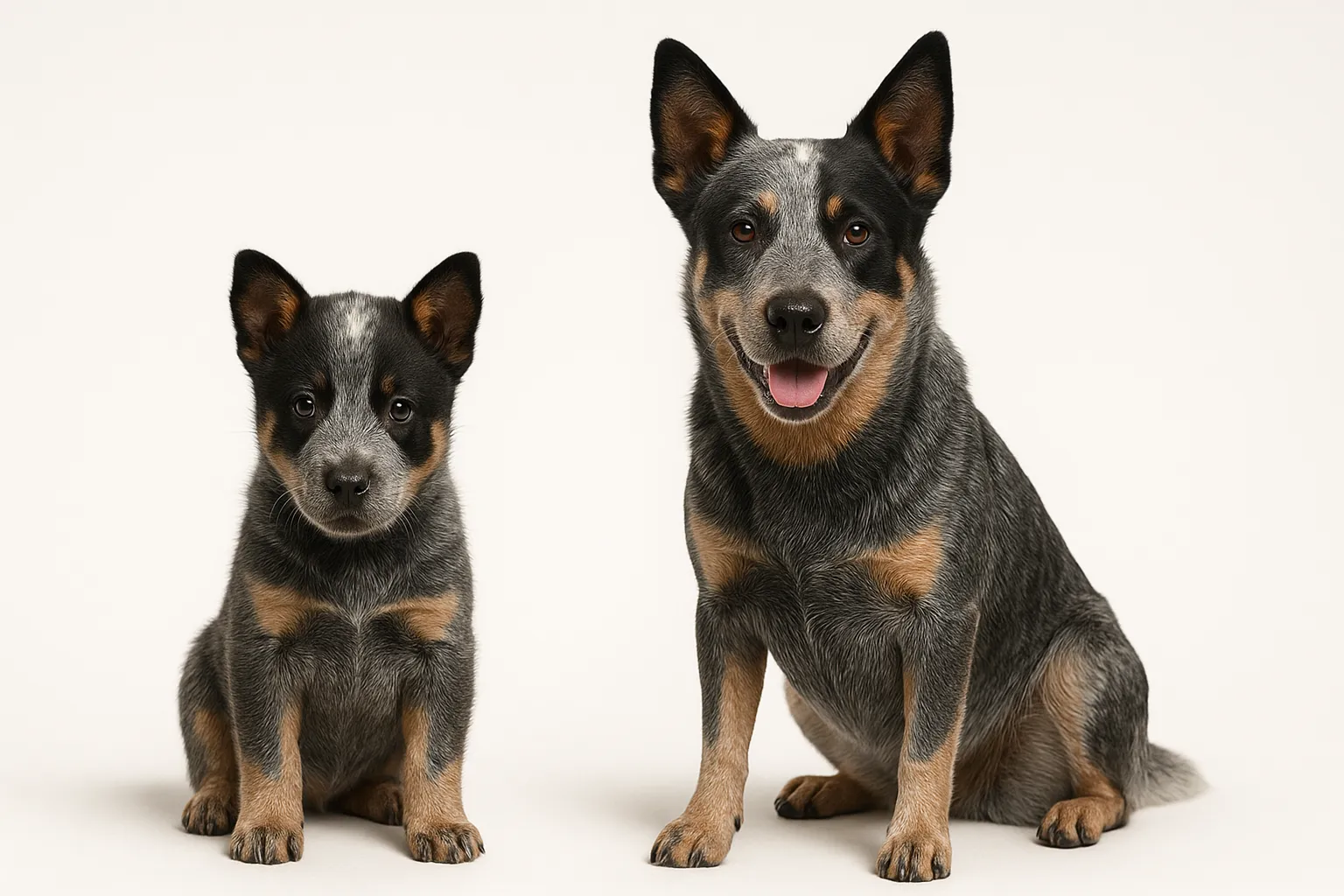
The oldest verified dog in history was an Australian Cattle Dog named Bluey, who worked sheep and cattle in Victoria, Australia, for nearly 20 years and lived to 29 years and 5 months. That is an extraordinary outlier. But it points to something real about this breed’s biological foundation: Australian Cattle Dogs are built for longevity in a way few breeds can match.
Most will live 12 to 16 years, with healthy adults weighing 35 to 50 lbs. Their medium frame avoids the IGF-1-driven aging that shortens the lives of larger breeds, and their herding heritage demands a body that stays functional under sustained workload. Their relentless drive — the same quality that makes them exhausting to live with unprepared — keeps them physically engaged longer than most breeds [1][5].
But biology only sets the ceiling. Whether your Cattle Dog reaches it depends on three things you control: body condition, activity quality, and preventive care.
The Five Conditions That Threaten an Otherwise Long Life
Arthritis: The Price of a Lifetime of Movement
If your Australian Cattle Dog has started slowing on morning walks or hesitating before jumping into the truck, pay attention. Stiffness after rest, slower transitions from lying to standing, and subtle reluctance on stairs are early signals — and this breed will push through discomfort until the damage is entrenched.
The challenge with Cattle Dogs is that their drive masks pain so effectively that owners often notice arthritis only after compensatory movement patterns have already locked in. Lean weight targets, low-impact cross-training, and early pain management preserve mobility years longer than reactive treatment [3][5].
Anxiety: When Vigilance Has No Job
Australian Cattle Dogs were bred to be hyperaware — scanning for threats, reading livestock, making split-second decisions. Take away the job but keep the wiring, and that vigilance can evolve into persistent hypervigilance, difficulty settling, trigger stacking, or stress-driven repetitive behaviors.
This is not a training problem. It is a management problem. Predictable routines, daily enrichment with purpose, and early behavior support reduce the chronic stress load that accelerates aging in high-drive breeds [3][5].
Eye Conditions: Subtle Onset, Serious Consequences
Squinting, mild redness, cloudiness, or hesitation in dim light — these early signs are easy to dismiss in a dog that still moves confidently. But Australian Cattle Dogs carry meaningful genetic risk for progressive retinal atrophy and other heritable eye conditions. Time-sensitive evaluation preserves treatment options that vanish once degeneration advances [3][5].
Dental Disease: The Quiet Inflammatory Drain
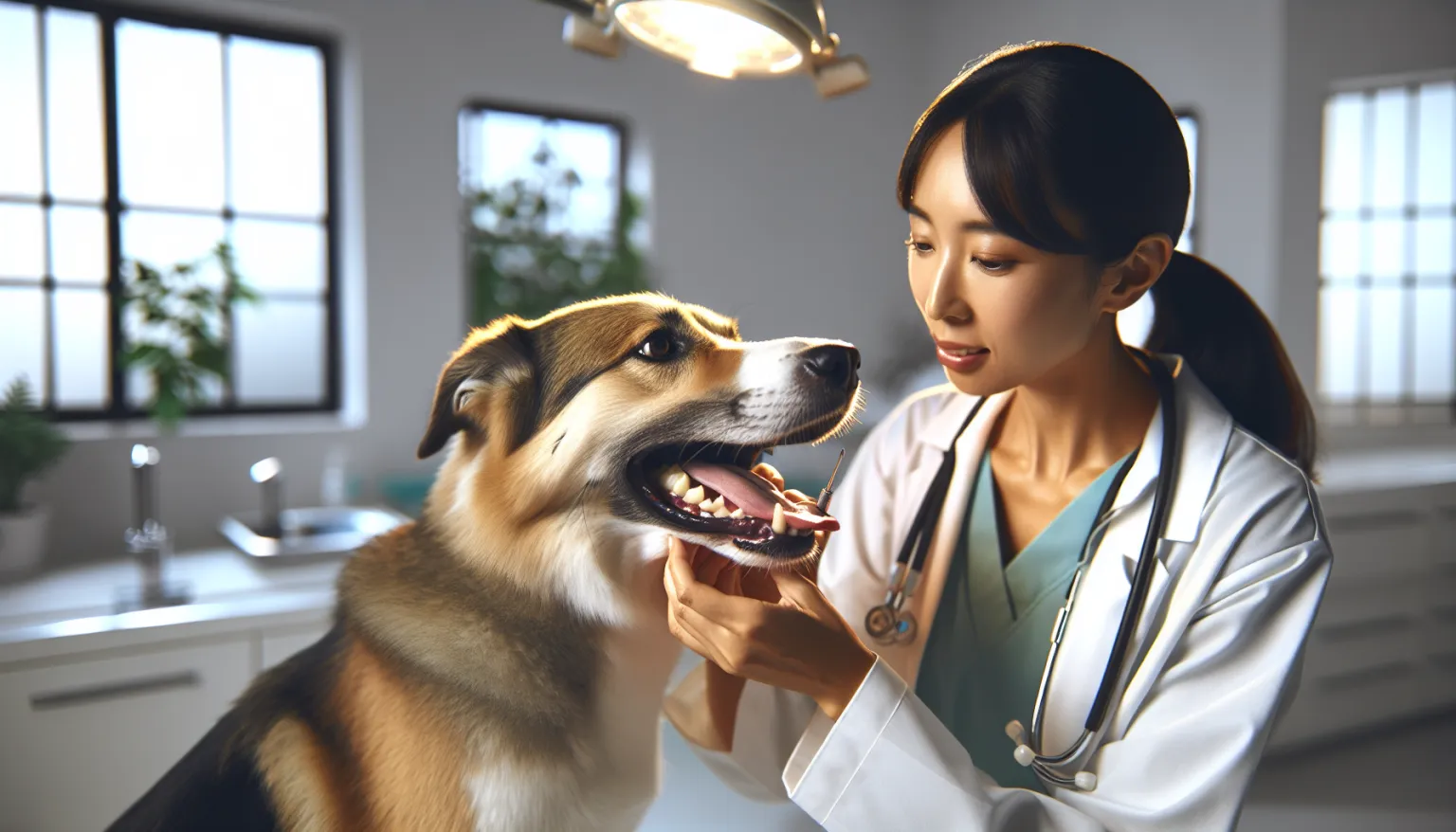
Bad breath in a Cattle Dog is not just unpleasant — it signals an ongoing bacterial assault that drives chronic systemic inflammation. Gum disease, tartar buildup, and chewing discomfort quietly compound across a 12-to-16-year lifespan. Consistent brushing and timely professional dental care reduce this burden significantly [3][5].
Hypothyroidism: When a High-Energy Dog Slows Down
A Cattle Dog that gains weight without eating more, loses coat quality, or lacks its usual intensity should prompt an endocrine workup — not a wait-and-see period. Hypothyroidism develops gradually and mimics normal aging, which is exactly why it gets missed in a breed where owners expect inexhaustible energy [3][5].
The Three Habits That Separate a 12-Year Dog From a 16-Year Dog
For most Australian Cattle Dog owners, longevity comes down to three controllable factors:
- Preserve muscle and mobility with daily purposeful activity — not weekend-warrior bursts
- Use mental work to prevent the chronic stress patterns that accelerate aging
- Track eye and endocrine health proactively, before symptoms force your hand
The Cattle Dogs who reach 14, 15, 16 years are not genetically lucky. They are the ones whose owners stayed consistent with body condition, movement quality, and preventive timing across every season [2][7][8].
Evidence-Based Longevity Priorities
Keep the Athlete Lean — Muscle Matters More Than Weight
Body composition predicts long-term function in Australian Cattle Dogs more reliably than almost any other single variable. These are medium-sized dogs bred for sustained physical output. Their joints, cardiovascular system, and metabolic efficiency all depend on maintaining a stable muscle-to-fat ratio.
When that ratio drifts — when fat creeps up and muscle drops — joint health follows quickly. If your Cattle Dog is losing waist definition or slowing on familiar routes, the body composition conversation needs to happen now, not at the next annual visit.
Targeting the Conditions That Steal the Most Years
Arthritis, anxiety, and eye conditions are the highest-yield clinical targets for this breed. Build prevention around early screening, fast treatment escalation when something drifts, and genuine adherence to long-term management plans — not just good intentions at the annual exam.
Why Your Cattle Dog Needs a Routine, Not Just Exercise
Your Cattle Dog does not need constant stimulation. It needs predictable structure with intentional recovery built in. Consistent activity windows, controlled arousal levels, and deliberate downtime prevent the chronic vigilance patterns that accelerate cognitive and physical aging in herding breeds.
If your dog’s daily schedule looks different every day, their stress physiology reflects it.
Screen by Calendar, Not by Crisis
Build a reassessment schedule that tightens automatically when home tracking reveals function drift. The window between first measurable change and visible symptoms is where the most impactful interventions happen.
Breed-Specific Research
Use these studies to pressure-test the highest-risk assumptions in your Australian Cattle Dog prevention plan.
- Arthritis Pain Stack for Dogs: Mobility-First Framework: clarifies monitoring tradeoffs for this breed’s key risk pathways.
- Muscle and Mobility Longevity Protocol for Aging Dogs: helps prioritize earlier action when health markers begin to drift.
- Senior Dog Cognitive Care Plan: Routine, Sleep, Safety: supports a clearer screening cadence for high-impact risk pathways.
Use this reading set as pre-visit prep so owner observations and veterinary decisions stay aligned.
Making Genetic Testing Actionable
Genetic testing has the most value when results directly change what gets measured, how often, and what triggers escalation this quarter. Consider MDR1 gene testing to guide medication safety and hip and elbow scoring (OFA or PennHIP) to quantify orthopedic risk.
- A well-chosen initial panel gives you a risk map. Follow-up assessments at regular intervals tell you which risks are materializing and which remain theoretical.
- Connect your first monitoring protocol to Arthritis and Anxiety — these are the conditions where test results should directly change what you do next.
- Document weight, energy level, appetite patterns, and any changes you notice between vet visits. When combined with clinical data, home observations often reveal the earliest signs of drift.
- Return to your test results whenever something changes — a new lameness, unexplained weight loss, or behavioral shift. Static data becomes useful again when the clinical context moves.
The point of testing is not the result — it is what you do differently because of it.
Breeding History & Health Implications
The Australian Cattle Dog was bred for sustained movement, vigilance, and rapid decision-making under pressure. That legacy shapes everything about how these dogs age. Structural load from a lifetime of high-output movement demands proactive orthopedic surveillance. Temperament intensity benefits from stable routines and arousal management in modern home environments.
- Both structural and behavioral patterns require screening cadence matched to the pace at which these conditions typically progress in this breed.
- Prioritize surveillance based on breed heritage — Arthritis, Anxiety, and Eye Conditions are the highest-probability targets that history and data both point to.
- When you see the same subtle finding twice — a slight limp, a missed meal, a slower recovery — treat it as a signal, not a coincidence. Tighten your monitoring before it compounds.
- Anchor your prevention plan to the latest data, not the original risk assessment. What your Australian Cattle Dog needed at two years old and what they need at eight are different conversations.
Breeding history narrows the search. Serial monitoring data makes the call.
What to Test and When
- Puppy to 2 years: support healthy growth pace and avoid repetitive overloading activity.
- 3 to 7 years: annual preventive labs plus orthopedic and behavior trend review.
- 8+ years: increase screening cadence and monitor pain, cognition, and frailty markers.
Longevity Outlook: A Breed Worth Investing In
Few breeds reward proactive ownership as generously as the Australian Cattle Dog. Their biological foundation supports a genuinely long life — 14 to 16 years of sharp-minded, physically capable companionship is achievable, not aspirational. But that outcome demands consistency. The owners who get the best results are not doing anything exotic. They are maintaining lean body condition year-round, catching subtle joint and eye changes early, and channeling drive into structured work rather than letting anxiety fill the void.
If your Cattle Dog is 6 or 7 and still moving well, the choices you make right now determine whether they are still thriving at 13 — or declining at 10.
The Early Warning Signs That Get Dismissed as “Normal”
Healthspan erosion in Australian Cattle Dogs almost always starts with changes so subtle that owners chalk them up to personality or aging:
- Brief morning stiffness that resolves with movement, related to Arthritis — easy to dismiss as “just waking up,” but a signal that joint inflammation is already active
- Increasing clinginess or pacing attributed to breed temperament, actually masking Anxiety progression that compounds with each passing month
- Gradual cloudiness, chronic redness, or hesitation in unfamiliar spaces signaling Eye Conditions that become harder to reverse once degeneration is established
If your dog’s baseline function has been drifting for 7 to 10 days, treat it as a signal to act. Not to wait.
Periodize the Work to Extend the Career
High-drive herding dogs age better when work intensity is periodized, not maximized every day:
- Alternate high-output days with lower-load recovery sessions.
- Use mobility and strength work to support joints and soft tissue resilience.
- Avoid prolonged consecutive high-impact drills without recovery windows.
This pattern reduces overuse drift while preserving athletic and cognitive function across the full lifespan.
Recovery Signals That Predict Breakdown
Escalate earlier if these appear across 1-2 weeks:
- next-day stiffness after routine work that used to be well tolerated
- reduced problem-solving engagement or frustration reactivity
- poorer sleep despite high activity volume
- slower transition speed (rise, turn, jump) without obvious injury
These often indicate load-recovery imbalance before overt orthopedic or behavioral breakdown.
When Drive Masks Decline
Australian Cattle Dogs will keep working through pain and fatigue. Their motivation can hide real damage. Use objective markers so drive does not become a liability:
- compare post-session gait symmetry to baseline video weekly
- track next-day willingness and recovery speed after hard work blocks
- reduce load when enthusiasm stays high but recovery quality drops
- escalate if subtle asymmetry persists more than 7-10 days
In this breed, objective recovery data is safer than motivation-based decisions.
Condition-Specific Monitoring Triggers
Know what to watch for and when to act. These are the breed-relevant triggers that matter most:
- Arthritis: Watch for the small changes: slower to rise, hesitation before jumping, less interest in walks that used to excite them. These are not “just getting old” — they are treatable.
- Anxiety: Track anxiety triggers, recovery time, and baseline behavior stability; escalate when behavior changes persist or intensify.
- Eye Conditions: Track vision confidence, eye discharge, and redness; escalate for pain signs, squinting, or sudden vision changes.
- Dental Disease: Track oral pain signs, chewing changes, and breath changes; escalate for oral bleeding, dropped food, or swelling.
- Hypothyroidism: Track appetite, thirst/urination trend, and weight trajectory; escalate for sustained drift over several days.
12-Month Longevity Execution Plan
Use this quarterly framework to keep prevention proactive instead of reactive:
Quarter 1: Baseline and Risk Mapping
- Document where your dog stands now — weight, body condition score, mobility quality, and behavioral patterns — so future changes are measured against real data
- Sit down with your vet and build a written prevention plan tied to the breed-specific conditions that matter most
- Standardize feeding amounts and treat limits across everyone in the household — inconsistency is the fastest path to weight gain
Quarter 2: Adherence and Early Drift Control
- Take stock of the first quarter: which prevention habits stuck, which fell off, and what needs restructuring to work in real life?
- Watch for subtle changes in any health marker and shorten your monitoring interval when something starts trending
- Bring any change in eating behavior, exercise tolerance, respiratory effort, gait, or mental sharpness to your vet’s attention early
- Take a fresh walking video under the same conditions as Q1 and note any changes in movement fluidity, pace, or gait symmetry
Quarter 3: Midyear Reassessment
- Evaluate whether the prevention strategies from H1 actually reduced risk or just created the appearance of progress
- Recalibrate your screening schedule based on real-world findings, not the plan you wrote in January
- Adjust activity levels for weather, aging, and any changes in how your dog recovers from exercise
- Reassess joint supplement efficacy and adjust dosing or add modalities if stiffness persists
Quarter 4: Senior-Readiness Update
- Build next year’s prevention calendar from this year’s data: what screening intervals worked, what needs to change?
- Sharpen your escalation thresholds: which early signs of pain, cognitive change, or mobility loss should trigger action?
- Close out the year with a written summary of findings and a specific action plan for the next twelve months
When to Escalate Fast
The following changes require urgent veterinary assessment:
- Marked appetite suppression with visible lethargy or unwillingness to stand and move normally
- Any combination of breathing difficulty, loss of consciousness, or sudden neurologic abnormality warrants immediate veterinary contact
- Persistent GI distress: repeated vomiting, straining without production, abdominal pain posturing, or sudden abdominal bloating
- A sudden drop in willingness to move, visible pain during normal activity, or marked behavioral change
Breed-Specific Priorities This Year
For your Australian Cattle Dog, these are the prevention actions that earn the most time. Review them quarterly with your veterinarian, and be willing to change course when the data says to.
- Preserve muscle and mobility with daily purposeful activity
- Use mental work to prevent stress and behavior decline
- Track eye and endocrine health as dogs age
Home Tracking Dashboard
A monthly review of these markers gives you the earliest possible signal that something is shifting:
- Body weight and body-condition score documented side by side for trend comparison
- Food drive, hydration patterns, and elimination regularity — disruptions in any of these deserve closer attention
- Activity drive relative to their individual norm — subtle decline often precedes clinical findings
- Any changes in comfort, mobility, or behavior
- Exercise tolerance and post-activity recovery quality
- Rest quality, emotional baseline, and social responsiveness — these soft markers often shift before hard data does
- Condition-specific early drift markers tied to arthritis, anxiety, eye conditions
Feeding for Longevity
A measured nutrition system is usually the fastest way to reduce preventable drift in medium-breed dogs. Use Feeding Guide for Medium Breeds as the baseline and add Probiotics for Dogs only when endpoints are explicit and reassessment cadence is pre-defined.
Convert this into one daily measured plan, one treat budget, and one scheduled review checkpoint mapped to Obesity and Obesity.
Frequently Asked Questions
Why do Australian Cattle Dogs hide joint pain so effectively? They were bred to work through discomfort. A Cattle Dog will keep herding, keep running, keep demanding your attention long after something has started going wrong. Enthusiasm during activity is not a reliable indicator of joint health. Use recovery metrics — post-exercise stiffness, next-day stamina, and gait symmetry — instead.
When should I recalibrate my Cattle Dog’s calorie targets? At any meaningful shift in activity level, age, or body condition. A dog transitioning from active working life to a quieter household needs immediate recalibration — not at the next annual visit. Quarterly reviews are the minimum for this breed.
Can supplements replace structured feeding discipline in Australian Cattle Dogs? No. Measured meals, controlled treats, and consistent feeding times are the foundation. Supplements can support a good plan, but they cannot compensate for chronic calorie overshoot or inconsistent portions.
What is the biggest preventable nutrition mistake in Cattle Dog households? Multiple caregivers feeding without a single shared plan. When everyone thinks someone else is tracking intake, no one actually is. One feeding chart, one treat budget, one primary feeder per day.
How do I tell the difference between normal aging and early arthritis in my Cattle Dog? Normal aging is gradual and stable. Arthritis progression shows up as worsening trends — stiffness that lasts longer each week, recovery times that stretch instead of staying consistent, reluctance on terrain your dog used to handle easily. When the trend line slopes downward, act on it.
References
[1] AKC Australian Cattle Dog Breed Information [2] Life expectancy, mortality, and longevity in companion dogs (Scientific Reports, 2024) [3] OFA CHIC Program [4] Dog Aging Project [5] AAHA Canine Life Stage Guidelines [6] Merck Veterinary Manual [7] WSAVA Global Nutrition Guidelines [8] Effects of Diet Restriction on Life Span and Age-Related Changes in Dogs (Kealy et al., 2002)
Related reads
Related Reading
Continue exploring