A Bouncy, Shaggy Herder With One Life-Threatening Blind Spot
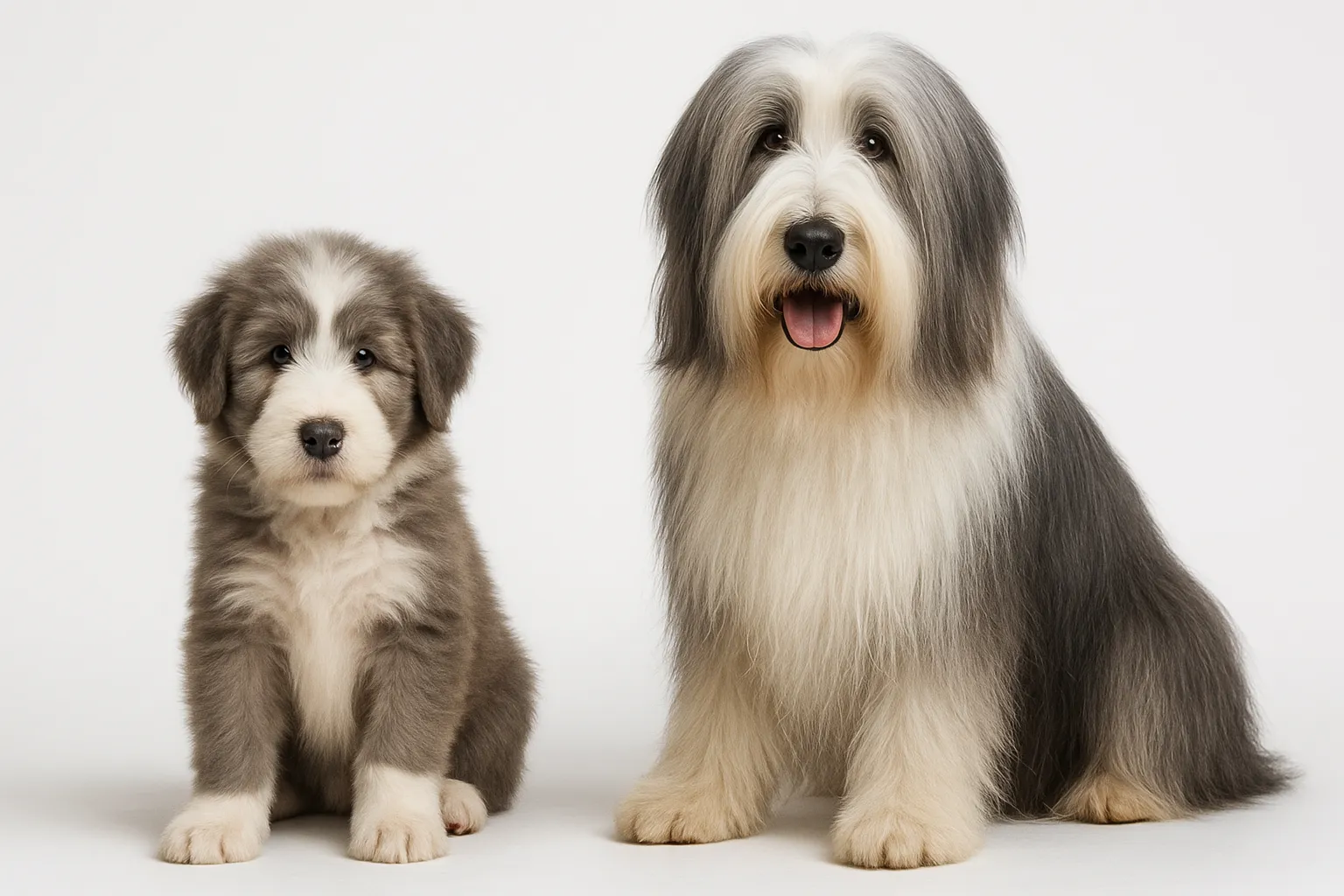
The Bearded Collie is one of Britain’s oldest herding dogs — centuries of Highland sheep and cattle work built into a shaggy, exuberant, remarkably long-lived 45-55 lb frame. Most live 12-14 years. They are active, bouncy, and more fun than almost any dog in the room.
But there is one health risk every Bearded Collie owner must know cold: immune-mediated hemolytic anemia (IMHA). This autoimmune destruction of red blood cells can strike suddenly in an otherwise healthy dog, and it kills fast without emergency intervention. Hypothyroidism and progressive retinal atrophy are the other primary concerns — important, manageable, and far less urgent than knowing the signs of IMHA before you need to.
What This Breed Is Most Likely to Face
Immune-Mediated Hemolytic Anemia: Know This Before You Need It
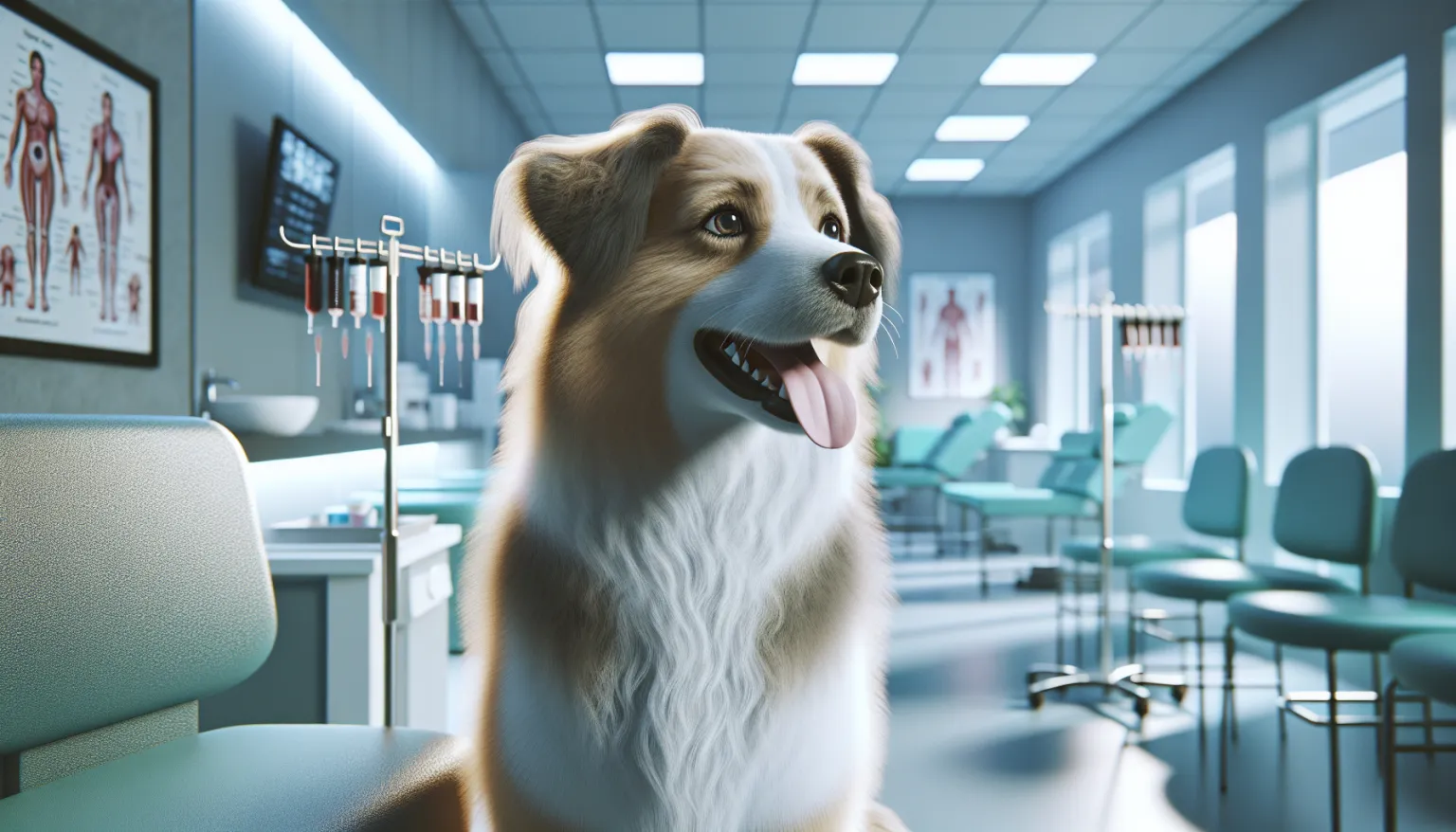
IMHA — autoimmune destruction of red blood cells — occurs at elevated rates in Bearded Collies compared to most herding breeds. Affected dogs develop acute anemia: pale or yellow gums, weakness, rapid breathing, and collapse. This is a veterinary emergency requiring immediate hospitalization. Treatment includes high-dose immunosuppression (prednisone, often with azathioprine or cyclosporine) and supportive care including blood transfusion in severe cases.
Survivors need long-term relapse monitoring with PCV every 3-6 months after initial recovery. This disease can come back.
See the Immune-Mediated Hemolytic Anemia guide for full prevention and management detail.
Hypothyroidism
Hypothyroidism occurs in Bearded Collies at above-average rates. Watch for weight gain despite unchanged diet, lethargy, cold intolerance, hair thinning, and skin changes. Diagnosis requires a full thyroid panel (TT4, free T4, TSH). Levothyroxine replacement therapy is highly effective — most dogs show significant improvement within 4-8 weeks. Annual monitoring adjusts dosing as needs change.
See the Hypothyroidism guide for full prevention and management detail.
Progressive Retinal Atrophy
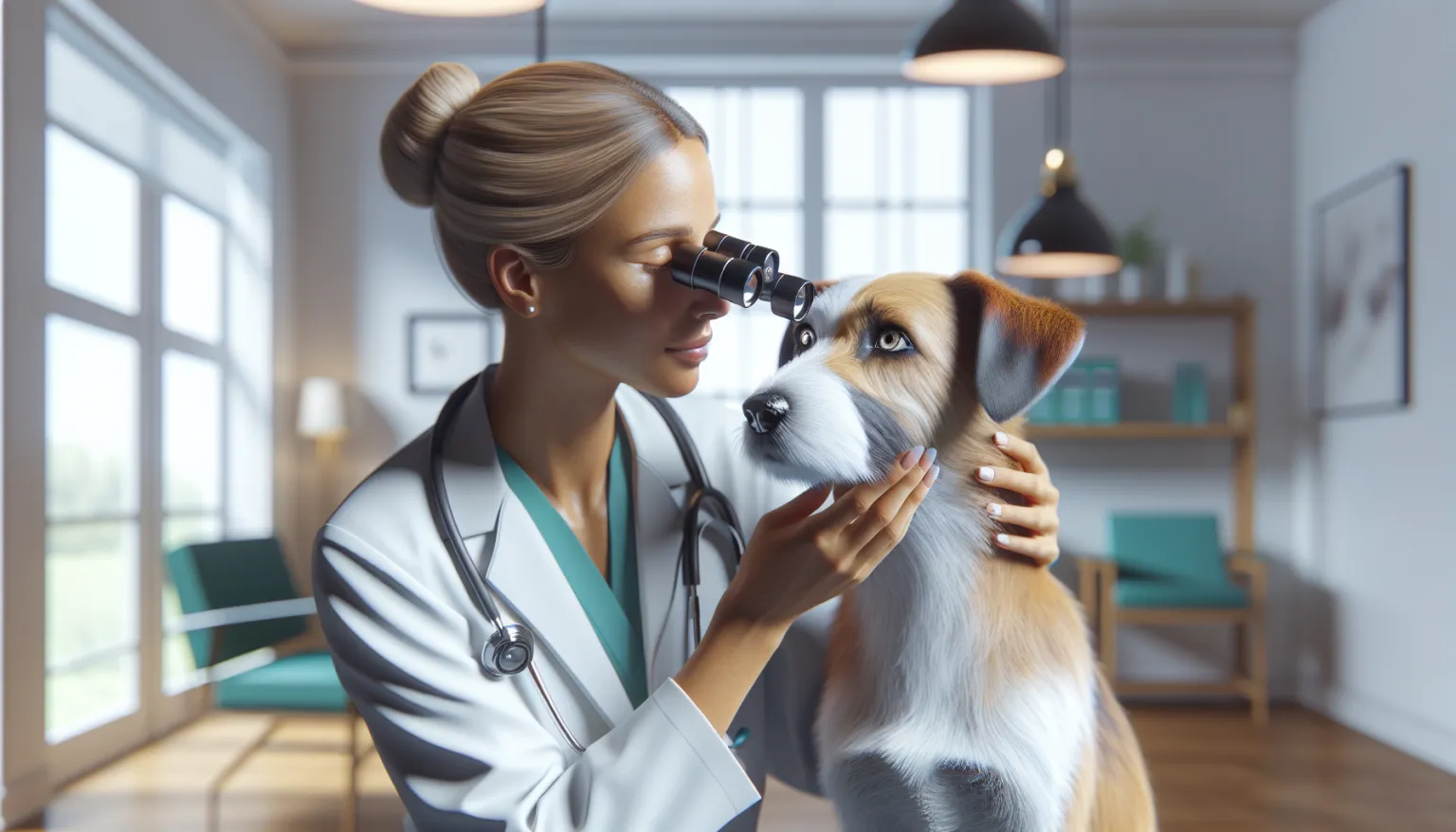
PRA is documented in Bearded Collies. Annual CAER exams from age 1 provide ongoing clinical surveillance. DNA testing for prcd-PRA and other mutations is recommended for all breeding stock. PRA causes progressive bilateral vision loss beginning with night blindness. Responsible breeders test all breeding dogs and avoid carrier-to-carrier pairings.
See the Progressive Retinal Atrophy guide for full prevention and management detail.
What the Evidence Says About Living Longer
IMHA Emergency Preparedness: Your Most Important Health Investment
Know the signs: sudden extreme weakness, pale or yellow (icteric) gums, rapid breathing, dark orange urine, and collapse. Any Beardie showing these signs needs emergency veterinary evaluation the same day. IMHA is a condition where delay directly reduces survival chances.
Keep your emergency veterinary clinic contact posted and accessible to everyone in the household. IMHA survivors require long-term relapse monitoring — PCV and reticulocyte count every 3-6 months tracks red blood cell production and catches recurrence before it becomes critical again.
Managing the Coat on an Active Outdoor Dog
The long, flowing double coat requires intensive maintenance for a dog that loves outdoor activity. Weekly brushing — more frequent during seasonal coat blows — prevents matting. The coat mats rapidly when wet, making thorough drying after rain or bathing essential.
Many Bearded Collie owners opt for a shorter utility trim for practical management. Professional grooming every 6-8 weeks maintains coat health. The hair-covered ear canals trap moisture and create otitis risk — regular ear cleaning is part of the maintenance protocol, not an afterthought.
Channeling the Bounce: Exercise and Enrichment
They are called “bouncy Beardies” for good reason. This breed has exceptional high-energy exuberance that requires a genuine daily outlet — 60-90 minutes of vigorous exercise. They excel in agility, obedience, herding trials, and nose work. Their herding background means they need real mental engagement alongside physical exercise, not just a long walk.
Without adequate outlet, Bearded Collies become destructive and anxious. The upside: their intelligence and biddability make them highly trainable with positive reinforcement.
The Prevention Plan That Pays Off
The actions most likely to extend your Bearded Collie’s healthy years:
- Know immune-mediated hemolytic anemia (IMHA) signs — a life-threatening immune disease with elevated incidence in Bearded Collies
- Annual thyroid panel — hypothyroidism occurs at above-average rates in the breed
- Annual CAER eye exam from age 1 — progressive retinal atrophy and other eye conditions documented
These are the monitoring anchors for your Bearded Collie. Revisit them at every wellness visit and update your approach when screening results shift the picture. Reference Immune Mediated Hemolytic Anemia, Hypothyroidism, Progressive Retinal Atrophy Pra for evidence-based management.
Evidence-Based Longevity Priorities
Body Composition Under the Coat
Body composition control predicts long-term function more reliably than most other single factors in the Bearded Collie. Body composition stability directly predicts orthopedic longevity and cardiovascular reserve. The challenge: a dense coat hides body condition changes. Monthly hands-on body condition scoring is essential — you cannot eyeball weight trends through that much hair.
Condition-Focused Prevention Stack
The highest-return prevention targets are Immune Mediated Hemolytic Anemia, Hypothyroidism, and Progressive Retinal Atrophy Pra. The gap between early and late intervention is where outcomes diverge most sharply. Act on the first signs, not the obvious ones.
Structure Prevents Stress in a High-Energy Herder
Consistent activity windows, controlled arousal, and deliberate downtime prevent the chronic vigilance patterns that accelerate cognitive and physical aging in herding breeds. A Bearded Collie does not need constant stimulation — it needs predictable rhythm with built-in recovery.
Preventive Screening Cadence
The biggest gains come from screening intervals set in advance, not from appointments driven by alarm. Subtle functional changes compound silently — structured monitoring catches them before they become emergencies.
Breed-Specific Research
Use these evidence deep dives to add mechanism-level context to your Bearded Collie longevity plan:
- Immune Mediated Hemolytic Anemia Relapse Monitoring In Dogs: IMHA monitoring and relapse prevention protocol for Bearded Collies
- Genetic Testing For Dogs Clinical Roi: PRA genetic testing and thyroid screening in Bearded Collies
- Exercise Prescription By Life Stage: exercise management for a high-energy herding breed across life stages
What Genetic Testing Can and Cannot Tell You
Genetic testing has the most value when results directly change what gets measured, how often, and what triggers escalation. Consider MDR1 gene testing to guide medication safety and hip and elbow scoring (OFA or PennHIP) to quantify orthopedic risk.
- Pick a genetic panel that covers your Bearded Collie’s primary risk conditions. Results guide monitoring intensity and focus — they do not predict destiny.
- Your first monitoring protocols should target Immune Mediated Hemolytic Anemia and Hypothyroidism. The goal is results that change behavior — not just data that sits in a file.
- Consolidate genetic panel results, bloodwork trends, and your own notes into a single timeline. The connection between a genetic predisposition and an emerging clinical finding only becomes obvious when you can see both at once.
- The value of genetic testing compounds over time. Each veterinary visit adds context that makes the original results more — not less — relevant to current decisions.
Good testing leads to better questions, not just more data. Let results sharpen your focus rather than broaden your anxiety.
Breeding History & Health Implications
The Bearded Collie was bred for sustained movement, vigilance, and quick decisions under pressure in rugged Highland terrain. That legacy creates structural load patterns requiring proactive orthopedic surveillance, and a temperament intensity that benefits from stable routines and arousal management in modern homes.
- Both structural and behavioral patterns require sustained surveillance intensity from early adulthood through the senior years.
- Let the breed’s history guide your watch list. The conditions most worth proactive monitoring are Immune Mediated Hemolytic Anemia, Hypothyroidism, and Progressive Retinal Atrophy Pra.
- When a mild concern surfaces more than once, the right response is earlier screening — not more watching and waiting.
- Review your prevention plan at least quarterly. A plan that was right six months ago may no longer match your Bearded Collie’s current trajectory.
What the breed contributes is a set of weighted risks. What your data contributes is the signal to act — or to hold.
The Screening Calendar That Matters
- Puppy to 2 years: PRA DNA testing, CAER exam, OFA hip evaluation
- 3-6 years: annual CAER exam, annual thyroid panel, IMHA awareness
- 7+ years: annual thyroid panel, annual CAER exam, PCV monitoring if IMHA history, senior panel
The Feeding Plan That Matters
Bearded Collies do well on quality medium-breed adult food. Dogs with hypothyroidism may need thyroid medication dosing adjusted as diet and weight change. Lean body condition supports joint health across the breed’s 12-14 year lifespan. Omega-3 supplementation supports coat and joint health — particularly valuable for a breed that needs both.
How the Pieces Connect
Bearded Collies with IMHA awareness, annual thyroid monitoring, PRA surveillance, and appropriate high-energy herding enrichment can achieve their full longevity potential of 13-14 years. Their Scottish working heritage supports robust health. The difference between an average outcome and an exceptional one comes down to knowing IMHA signs, staying current on screening, and channeling that boundless energy into structured daily life.
The Early Signs Owners Miss Most
Healthspan erosion typically begins with subtle shifts that are easy to miss:
- Unexplained lethargy or mild gum pallor that may signal early Immune Mediated Hemolytic Anemia — do not wait for collapse
- Lethargy attributed to breed temperament or aging that actually masks Hypothyroidism progression
- Hesitation in dim light or bumping into objects in unfamiliar spaces that points to Progressive Retinal Atrophy Pra
If baseline function has been drifting for 7-10 days, treat it as a prevention failure signal and reassess early.
Additional Health Risks to Monitor
Based on breed predisposition data, Bearded Collie owners should also be aware of:
Frequently Asked Questions
How long do Bearded Collies live?
Bearded Collies typically live 12-14 years. IMHA emergency awareness, annual thyroid monitoring, and PRA surveillance are the primary longevity investments for this breed.
Are Bearded Collies good family dogs?
They are exuberant, affectionate, and endlessly entertaining for active families. Their bouncing energy and herding instinct can be overwhelming for small children, but they thrive with family involvement in training and outdoor activity.
Do Bearded Collies shed a lot?
Yes, significantly — particularly twice yearly during coat blows. Regular brushing manages shedding, but the long coat requires substantial grooming commitment throughout the dog’s life.
Are Bearded Collies related to Old English Sheepdogs?
They share ancestry and similar shaggy appearances but are distinct breeds. The OES is larger and has a characteristic bobtail. Both are ancient British herding breeds with separate breed histories.
What is Bouncing Beardie Syndrome?
It is not a medical condition. Bearded Collies are affectionately called “bouncy Beardies” for their characteristic high-energy, bouncing enthusiasm. This is normal breed temperament — a hallmark of the breed that requires appropriate exercise and enrichment management.
References
[1] Bearded Collie Club of America. beardedcollieclub.org. [2] IMHA in Bearded Collies: breed health survey data, BCCA. [3] OFA health statistics. ofa.org. [4] AKC breed information. akc.org. [5] Scottish herding breed history: UK Kennel Club historical records.
Related reads
Related Reading
Continue exploring