The Cross That Inherits the Cavalier’s Charm — and Its Heart
Every Cavachon owner eventually confronts the same question: did my dog inherit the Cavalier King Charles Spaniel’s cardiac vulnerability, or the Bichon Frise’s comparative cardiac resilience? The honest answer is that you will not know for certain until the cardiologist listens. But the question itself reveals why Cavachon longevity planning differs fundamentally from most small-breed approaches — and why it must start earlier than most owners expect.
The Cavalier carries one of the heaviest cardiac burdens in the canine world. By age 5, approximately 50% of Cavaliers have a detectable mitral valve murmur; by age 10, that number approaches 100% [1][5]. The Bichon Frise, by contrast, is a comparatively robust small breed with a median lifespan of 14 to 15 years and no breed-defining cardiac predisposition. Crossing these two creates offspring with genuine hybrid vigor — genetic diversity that often delays or moderates the severity of recessive conditions — but mitral valve disease in Cavaliers is polygenic and progressive. A first-generation cross may push onset later. It does not guarantee prevention.
At 10 to 20 lbs, Cavachons occupy the small-breed longevity sweet spot where body size alone predicts a 12 to 16 year range. The dogs who reach the upper end are the ones whose owners treated cardiac risk as real until proven otherwise, maintained dental health as cardiovascular protection rather than cosmetic care, and never let body weight drift above lean condition.
Hybrid Vigor: The Cavachon’s Best Asset and Its Limits
First-generation Cavachons benefit from heterosis — the genetic advantage of crossing two unrelated purebred populations. Research on canine hybrid vigor suggests F1 crosses show reduced incidence of certain autoimmune and recessive conditions compared to either parent breed [2][4]. For the Cavachon specifically, this may mean later onset of mitral valve changes and lower risk of the syringomyelia that affects purebred Cavaliers.
But hybrid vigor does not eliminate conditions where both parent breeds contribute risk. Dental disease, luxating patella, and cataracts appear across both Cavalier and Bichon lines. The cross may moderate severity without preventing occurrence. Screen accordingly.
Breed-Specific Risk Profile
Mitral Valve Disease
Mitral valve disease is the defining health concern inherited from Cavalier parentage. The mitral valve degenerates progressively, causing regurgitation that eventually leads to congestive heart failure if unmanaged. In Cavachons, onset may be delayed compared to purebred Cavaliers, but the risk remains clinically significant. Baseline echocardiography by age 2 to 3 establishes reference values. Weekly sleeping respiratory rate monitoring at home catches decompensation before clinical crisis.
Heart Disease
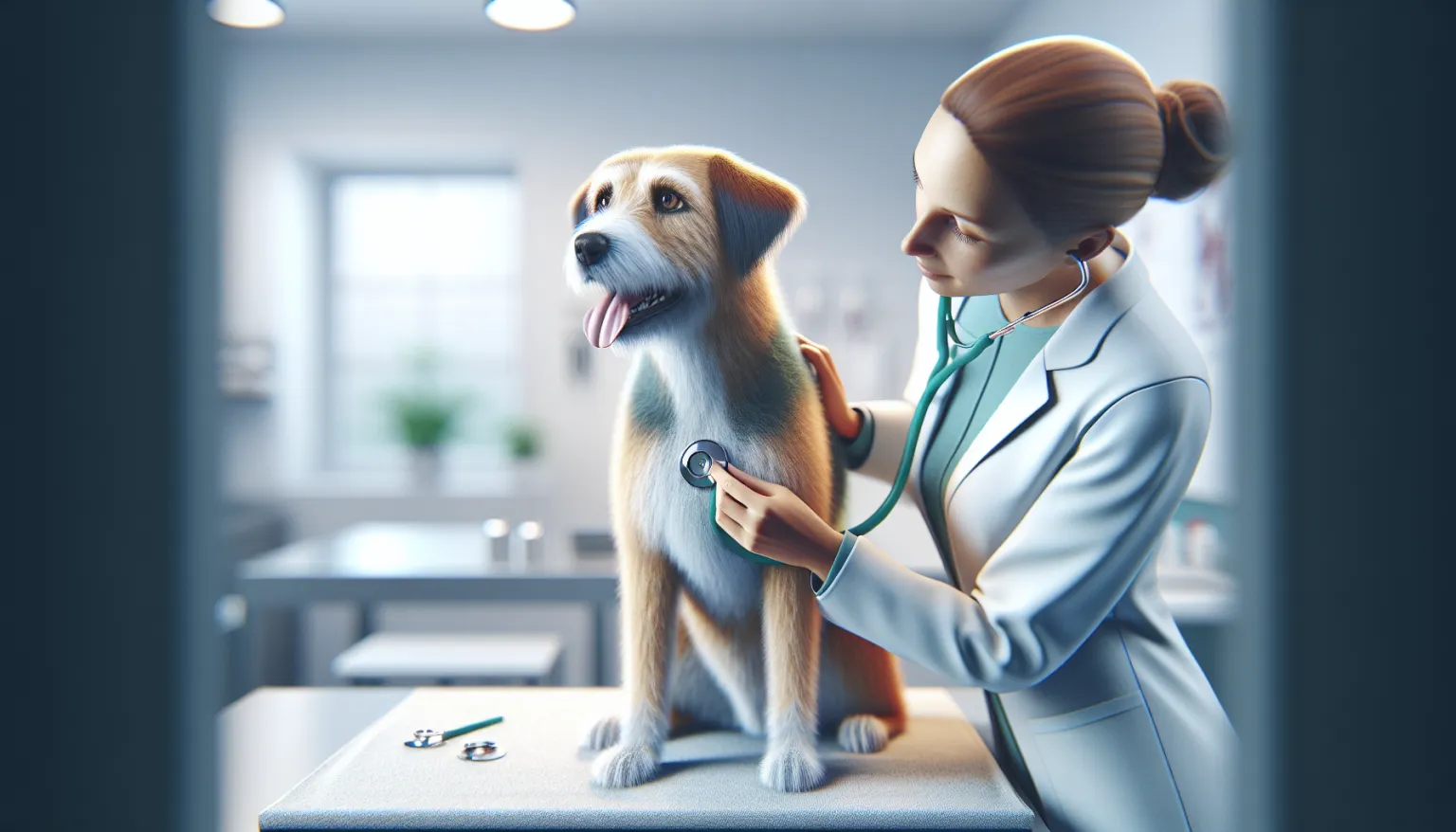
Beyond mitral valve disease specifically, general heart disease screening matters in a cross where one parent breed has near-universal cardiac involvement. Annual cardiac auscultation with attention to new murmurs, arrhythmia, or changes in heart rate pattern should be standard from puppyhood. If a murmur is detected, echocardiography determines whether it represents benign flow disturbance or progressive valvular change.
Luxating Patella
Both parent breeds carry elevated luxating patella risk, making this a concern that hybrid vigor is unlikely to eliminate. The kneecap intermittently slides out of its groove, causing skip-stepping, intermittent rear limb lameness, and progressive cartilage damage. OFA patellar evaluation by 12 months establishes baseline grade. Grade I may be managed conservatively with weight control; Grade III or IV typically warrants surgical discussion.
Cataracts
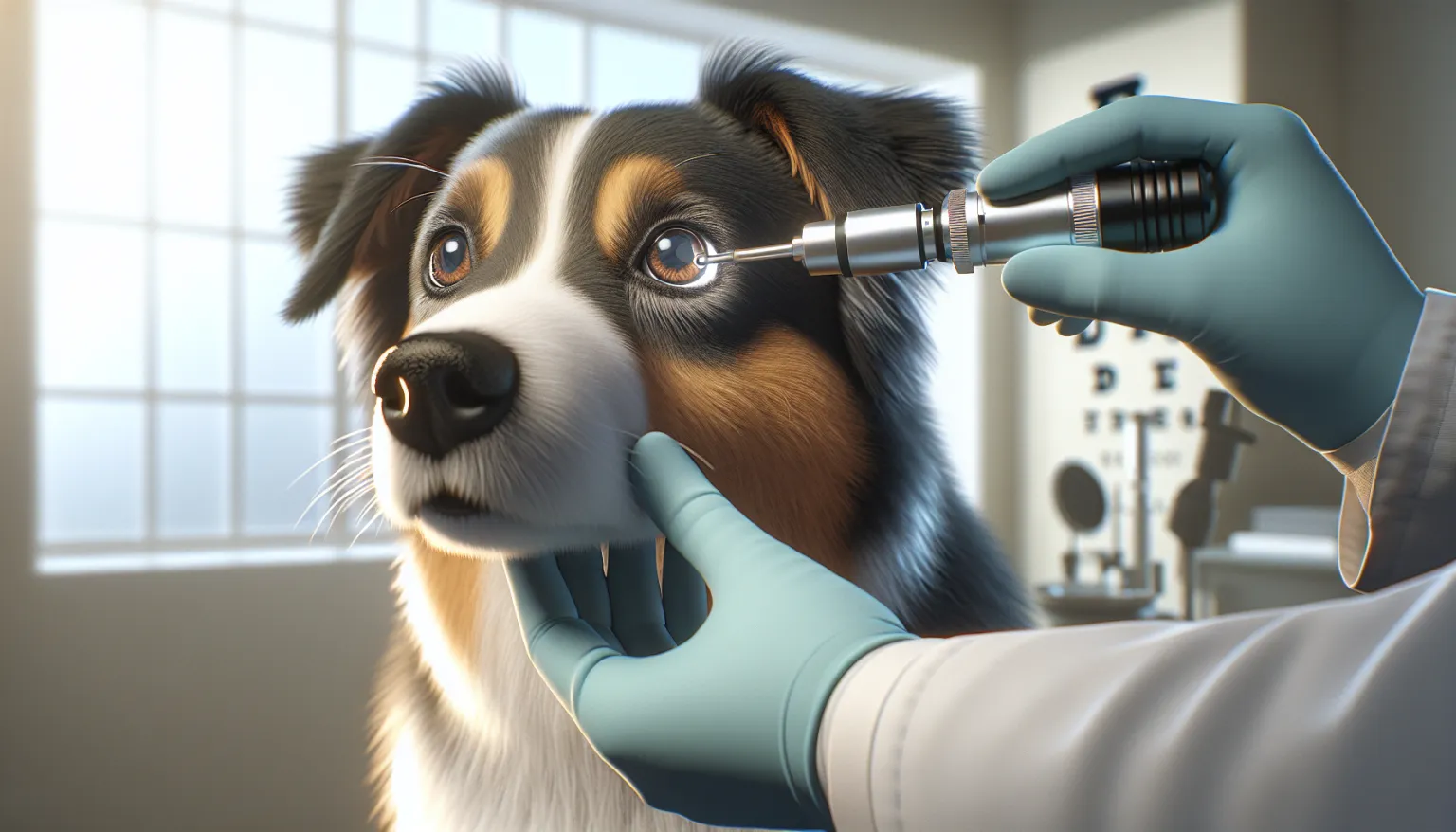
Cataracts appear in both Cavalier and Bichon Frise lines. Progressive lens opacity reduces vision gradually, and hereditary forms can develop earlier than age-related cataracts. Annual ophthalmologic exams detect lens changes before functional vision loss occurs. Early-stage cataracts in an otherwise healthy Cavachon are often monitored rather than immediately operated, but the monitoring itself is essential.
Ear Infections
The Cavachon’s floppy, well-furred ears create a warm, moist environment ideally suited for ear infections. Both parent breeds are predisposed. Chronic otitis is not merely uncomfortable — recurrent infection drives chronic inflammation, pain, and potential hearing loss over years. Weekly ear checks, appropriate drying after bathing or swimming, and prompt treatment of early signs prevent the cycle from establishing.
Dental Disease
Small breeds face disproportionate dental disease burden due to crowded dentition, and both Cavaliers and Bichons are among the most affected. In a breed with cardiac risk, dental disease is not a separate concern — it is a cardiac concern. Chronic periodontal infection introduces bacteria into the bloodstream that can colonize damaged heart valves, directly accelerating mitral valve disease progression [3][5].
The Longevity Priorities That Move the Needle
For most Cavachon owners, these actions deliver the greatest return on health investment:
- Begin cardiac screening early given Cavalier parentage — echocardiography by age 2 to 3, annual auscultation, weekly sleeping respiratory rate tracking
- Maintain rigorous dental care to reduce systemic inflammatory burden — daily brushing is cardiac protection in this cross
- Monitor patellar stability and body weight throughout life — lean condition reduces both orthopedic and cardiac workload
Cardiac vigilance, dental discipline, and weight precision are the three pillars of Cavachon longevity [2][7][8].
Evidence-Based Longevity Priorities
Body Composition and Cardiac Workload
Every additional pound on a 15 lb Cavachon increases cardiac workload disproportionately. In a dog with potential mitral valve vulnerability, lean body condition is not about aesthetics — it is about reducing the volume of blood the heart must pump with every beat. Use body condition scoring (ribs easily palpable without pressing, visible waist tuck, abdominal tuck from the side) and weigh monthly. The Purina Lifetime Study demonstrated 1.8 years of additional lifespan in lean-fed dogs [8].
Condition-Focused Prevention Stack
Mitral valve disease, dental disease, luxating patella, and cataracts represent the highest-yield screening targets. Build your veterinary calendar around cardiac auscultation every 6 to 12 months, dental assessment at every visit, annual patellar evaluation, and annual ophthalmologic exam. Fast treatment escalation — acting on the first screening abnormality — is where longevity gains concentrate.
Dental-Cardiac Inflammation Control
For the Cavachon, oral health and cardiac health are not separate categories. Daily brushing is the baseline standard. Professional dental cleaning on schedule — not deferred until tartar is severe — prevents the bacterial burden that accelerates cardiac valve deterioration. Re-check cardiac and dental plans together at every senior visit.
Preventive Screening Cadence
Set routine veterinary checkpoints and escalate frequency when cardiac, patellar, or dental parameters show early drift. Prevention windows close quickly once decompensation begins.
Breed-Specific Research
Use these evidence deep dives to add mechanism-level context to your Cavachon longevity plan:
- Cardiovascular Screening Cadence for Small Breed Dogs: cardiac monitoring timelines and murmur grading protocols for small breeds with cardiac risk.
- Dental Disease and Longevity in Dogs: the mechanism linking oral infection to systemic disease and practical prevention protocols.
- Eye Health Screening Frequency by Breed: ophthalmologic screening guidelines for breeds carrying cataract and PRA risk.
Genetic Testing: When It Matters
Genetic testing in Cavachons delivers the most value when it clarifies cardiac and orthopedic risk inherited from the Cavalier line.
- Cardiac panel and baseline echocardiography by age 2 to 3 establish whether mitral valve structure is normal at baseline. This reference point makes all future comparisons meaningful.
- OFA patellar evaluation by 12 months determines whether luxating patella requires monitoring only or proactive surgical discussion.
- CERF eye exam establishes lens clarity baseline for cataract monitoring.
- Build your monitoring playbook around Mitral Valve Disease and Dental Disease, so that every test result feeds into a specific follow-up action.
- Track everything in one place: test results, exam findings, medication changes, and what you notice at home. Patterns that span months or years only become visible when the data lives together.
Every genetic or diagnostic result should answer one question: what do I do differently starting now?
Breeding History and Health Implications
The Cavachon combines two companion breeds with distinctly different health trajectories. The Cavalier King Charles Spaniel was bred for lap companionship and carries the heaviest cardiac burden of any toy breed. The Bichon Frise was bred as a cheerful, hardy companion with comparatively few breed-defining health vulnerabilities. The cross produces a temperamentally gentle, socially adaptable dog — but the cardiac inheritance from the Cavalier side demands respect.
- Direct your monitoring attention first to Mitral Valve Disease, Dental Disease, Luxating Patella — these are the risks that both parent breed health histories identify as most probable.
- Treat repeat low-grade drift as a signal to tighten cadence early, not as background noise.
- Static prevention plans decay in value. The most effective owners treat their Cavachon’s health plan as something that evolves with every vet visit and every home observation.
Breeding history narrows the search. Serial monitoring data makes the call.
Age-Based Monitoring Milestones
- Puppy to 2 years: baseline echocardiography, patellar evaluation, establish daily dental care routine, lock in feeding precision.
- 3 to 8 years: annual cardiac auscultation (echocardiography if murmur detected), annual patellar and ophthalmologic exams, professional dental cleanings on schedule.
- 9+ years: semi-annual cardiac assessment, trend-based management for all active conditions, cognitive and mobility evaluation at each visit.
Longevity Outlook: Small Body, Large Cardiac Question
The Cavachon’s longevity trajectory is shaped more by one question than by any other: how much of the Cavalier’s cardiac vulnerability did this particular dog inherit? Some Cavachons reach 15 and 16 with hearts that never developed significant valve disease — beneficiaries of hybrid vigor at its most protective. Others develop murmurs by age 5 that require medical management for the remainder of their lives.
The difference in outcome is not primarily luck. It is early detection, lean body maintenance, dental discipline, and the willingness to screen before symptoms demand it. The Cavachons who live longest are owned by people who treated cardiac risk as real until proven otherwise — who invested in baseline echocardiography, tracked sleeping respiratory rate weekly, and understood that daily brushing protects the heart as much as the teeth.
Most-Missed Early Drift Pattern
Long-term decline in Cavachons often starts as small changes that owners normalize too quickly:
- A slightly elevated resting respiratory rate linked to early Mitral Valve Disease — easy to dismiss when the dog still seems comfortable
- A shift toward softer food mistaken for pickiness, actually masking Dental Disease progression
- Intermittent rear leg skipping attributed to excitement, actually representing Luxating Patella episodes that are damaging cartilage
If baseline function has drifted for 7 to 10 days, treat it as a prevention failure signal and reassess early.
Condition-Specific Monitoring Triggers
The difference between early detection and late diagnosis often comes down to recognizing these patterns:
- Mitral Valve Disease: Learn to count sleeping respiratory rate and record it weekly. A sustained increase of 20% or more above baseline warrants cardiac evaluation — do not wait for coughing.
- Heart Disease: Exercise intolerance, cough at rest or during the night, fainting episodes, or increased resting respiratory rate all warrant same-week cardiac assessment.
- Luxating Patella: Skip-stepping, intermittent rear limb lameness, or reluctance to jump warrant patellar grading. Progressive changes in grade indicate surgical consultation timing.
- Cataracts: Watch for cloudiness in the lens, hesitation in unfamiliar environments, or difficulty tracking objects. Hereditary cataracts can progress faster than age-related forms.
- Ear Infections: Head shaking, ear scratching, redness, discharge, or odor from the ear canal — early treatment prevents chronic otitis cycles.
- Dental Disease: Halitosis, gum redness, chewing on one side, dropped food, or reluctance to chew hard items signal periodontal disease that requires professional assessment.
12-Month Longevity Execution Plan
Use this quarterly framework to keep prevention proactive instead of reactive:
Quarter 1: Baseline and Risk Mapping
- Record starting weight, establish sleeping respiratory rate baseline across multiple calm nights, and complete initial patellar evaluation
- Review the breed-specific risk profile with your veterinarian and schedule baseline echocardiography and ophthalmologic exam
- Eliminate feeding variability: one person measures meals, treats count toward daily calories, and portion sizes are calibrated to ideal weight
- Establish daily dental care routine — brushing as the standard, not the aspiration
Quarter 2: Adherence and Early Drift Control
- Audit your first-quarter execution honestly: where did the plan hold, and where did consistency break down?
- If any tracked metric is drifting from baseline, increase how often you check it rather than waiting for the next scheduled review
- Treat changes in respiratory rate, exercise tolerance, dental comfort, or movement quality as signals worth investigating now
- Reassess calorie intake against weight trend and adjust feeding plan if drift is detected
Quarter 3: Midyear Reassessment
- Reassess the first half of the year — which prevention strategies delivered measurable results, and which need recalibration?
- Match screening frequency to actual risk signals — if a murmur was detected, cardiac cadence tightens immediately
- Modify exercise routines based on seasonal factors and your dog’s current patellar and cardiac status
- Schedule professional dental cleaning if tartar has progressed since last assessment
Quarter 4: Senior-Readiness Update
- Design your year-two plan based on everything you learned in year one — where to increase vigilance, where the current cadence is working
- Tighten the criteria that prompt a vet call: use the breed-specific patterns you observed to set more precise thresholds
- Document lessons learned and translate them into specific next-year commitments
- Confirm cardiac status via auscultation and update echocardiography schedule based on findings
- Schedule year-end ophthalmologic assessment and plan next dental cleaning interval
When to Escalate Fast
The following changes require urgent veterinary assessment:
- Sudden appetite loss lasting more than 24 hours, especially with lethargy or withdrawal
- Sudden onset of heavy or labored breathing, an unexplained collapse, or fainting episodes — cardiac emergencies in Cavalier crosses require immediate evaluation
- Persistent GI distress: repeated vomiting, straining without production, or abdominal pain posturing
- Dramatic overnight change in how your dog moves, rests, or interacts with the household
- Resting respiratory rate consistently elevated above your dog’s established baseline for more than 48 hours
Home Tracking Dashboard
A monthly review of these markers gives you the earliest possible signal that something is shifting:
- Body weight trend and body-condition score
- Sleeping respiratory rate trend (weekly recording)
- Appetite regularity, water consumption, and elimination quality
- Dental comfort — willingness to chew, breath quality, gum color
- Exercise tolerance and recovery patterns
- Ear health — odor, discharge, head shaking frequency
- Condition-specific early drift markers tied to mitral valve disease, dental disease, luxating patella
Fuel for the Long Run
Cavachon nutrition should prioritize cardiac support and lean body maintenance. Use Feeding Guide for Small Breeds as the baseline framework, then layer targeted adjustments from Omega-3 Fish Oil for Dogs and CoQ10 for Dogs when cardiac or inflammatory targets are explicit.
Long-term outcomes usually improve when treat calories are budgeted daily and corrected early when weight trend drift appears.
Frequently Asked Questions
Do Cavachons inherit the Cavalier’s heart problems? They can. Mitral valve disease is polygenic in Cavaliers, and first-generation crosses may benefit from delayed onset rather than complete protection. Baseline echocardiography by age 2 to 3 establishes whether your individual Cavachon’s cardiac structure is normal. Annual auscultation and weekly sleeping respiratory rate monitoring catch changes early if they develop.
How long do Cavachons typically live? The 12 to 16 year range reflects both small-breed longevity advantage and the variable cardiac inheritance from the Cavalier parent. Cavachons whose cardiac health remains stable often reach 14 to 16 years. Those who develop early mitral valve disease may have a compressed timeline, but early detection and management can extend quality life significantly.
Is daily dental brushing really necessary for a Cavachon? In a breed with both dental disease predisposition and cardiac risk, daily brushing is not optional — it is cardiovascular protection. Chronic periodontal bacteria enter the bloodstream and can colonize damaged heart valves. The connection between oral health and cardiac outcomes is well-documented in veterinary cardiology.
At what age should I start cardiac screening? Baseline echocardiography by age 2 to 3, with annual cardiac auscultation from puppyhood. If a murmur is detected at any point, echocardiography determines whether it represents benign flow disturbance or progressive valvular change. Do not wait for symptoms.
Are Cavachons prone to ear infections? Yes. The combination of floppy ears and dense coat creates an environment favorable for otitis. Weekly ear checks, appropriate drying after water exposure, and prompt treatment of early signs prevent chronic infection cycles that cause pain and hearing loss over years.
What is the single most impactful longevity intervention for my Cavachon? Cardiac monitoring. Given the Cavalier parentage, the single most important thing you can do is establish cardiac baselines early, track sleeping respiratory rate weekly, and never dismiss a new murmur as incidental. Everything else — dental care, weight control, patellar monitoring — supports cardiovascular health as the central priority.
Do Cavachons have fewer health problems than purebred Cavaliers? First-generation Cavachons often show delayed onset and reduced severity of certain Cavalier-associated conditions, including potentially later mitral valve disease onset and lower syringomyelia risk. However, they are not health-problem-free. Dental disease, luxating patella, cataracts, and ear infections remain common regardless of hybrid vigor.
References
[1] Cavalier King Charles Spaniel Health — AKC [2] Life expectancy, mortality, and longevity in companion dogs (Scientific Reports, 2024) [3] OFA CHIC Program [4] Dog Aging Project [5] AAHA Canine Life Stage Guidelines [6] Merck Veterinary Manual [7] WSAVA Global Nutrition Guidelines [8] Effects of Diet Restriction on Life Span and Age-Related Changes in Dogs (Kealy et al., 2002)
This content is for informational purposes only and does not constitute veterinary advice. Always consult a licensed veterinarian for decisions about your dog’s health care.
Related reads
Related Reading
Continue exploring