Small Dogs, Long Lives, and the Dental Problem That Cuts Them Short
Chihuahua mixes are among the longest-lived dogs on the planet. With lifespans routinely reaching 14 to 16 years and some individuals surpassing 18, these tiny crosses carry the longevity advantage that small body size confers across mammalian biology. Lower metabolic rate per unit of body mass, reduced oxidative damage accumulation, and slower cellular turnover all work in their favor.
But that remarkable lifespan potential has a catch. The single biggest threat to a Chihuahua mix’s healthspan is not cancer or hip dysplasia. It is dental disease. The Chihuahua parent contributes a small jaw with crowded teeth, shallow tooth roots, and a predisposition to severe periodontal disease that, left unmanaged, seeds bacterial infection into the bloodstream and damages the heart, kidneys, and liver over years.
Chihuahua mixes are everywhere. They are one of the most common dogs in shelters, particularly in the southern United States, and the “other half” of the mix can be almost anything: Dachshund, Rat Terrier, Pomeranian, Shih Tzu, terrier types, and everything in between. The specific cross matters for predicting some health risks, but certain patterns hold true across nearly all Chihuahua mixes.
The Health Conditions That Shape Chihuahua Mix Longevity
Dental Disease: The Lifespan Limiter
Dental disease in Chihuahua mixes is not a cosmetic problem. It is a systemic health threat. The Chihuahua jaw was miniaturized faster than the teeth, resulting in crowding, retained deciduous teeth, shallow root depth, and accelerated plaque accumulation. Most Chihuahua mixes show significant periodontal disease by age three.
The connection between dental disease and organ damage is well documented. Bacteria from infected gums enter the bloodstream and seed the heart valves, kidneys, and liver. Chronic oral infection drives systemic inflammatory load that compounds every other health risk your dog faces.
Prevention requires both professional and home care. Annual professional dental cleanings with full-mouth radiographs are the standard of care. At home, daily tooth brushing is the gold standard. If brushing is not feasible, veterinary dental diets, water additives with the VOHC seal of acceptance, and dental chews provide supplementary benefit but do not replace mechanical cleaning.
Luxating Patella: The Kneecap That Slips
Luxating patella is the most common orthopedic condition in small dogs, and Chihuahua mixes inherit elevated risk from the Chihuahua side. The kneecap slides out of its groove, causing intermittent or persistent lameness. You may notice your dog occasionally skip a step, hold a back leg up for a few strides, then return to normal.
Grading ranges from I (manual luxation only, self-reduces) to IV (permanently luxated). Grades I and II are often managed conservatively with weight management, muscle-building exercise, and joint supplementation. Grades III and IV typically require surgical correction for long-term quality of life.
Maintain lean body condition. Every extra pound of body weight on a 10-pound dog represents a massive proportional increase in joint loading. Keep nails trimmed short to improve traction and reduce compensatory gait stress.
Tracheal Collapse: Breathing Matters
Tracheal collapse affects small breeds disproportionately, and Chihuahua mixes carry meaningful risk. The tracheal cartilage rings weaken and flatten, causing a characteristic honking cough that worsens with excitement, heat, pulling on a collar, or obesity.
Switch to a harness immediately if your Chihuahua mix pulls on walks. Collar pressure on the trachea accelerates collapse progression. Weight management is critical because excess tissue around the neck and chest increases external pressure on the already compromised airway. In mild to moderate cases, weight loss and harness use may be sufficient. Advanced cases may require medication or surgical intervention.
Heart Disease: The Valve Problem
Small dogs, including Chihuahua mixes, are predisposed to heart disease, particularly mitral valve disease (MVD). The valve between the left atrium and ventricle degenerates over time, causing progressive blood leakage that eventually leads to congestive heart failure if unmanaged.
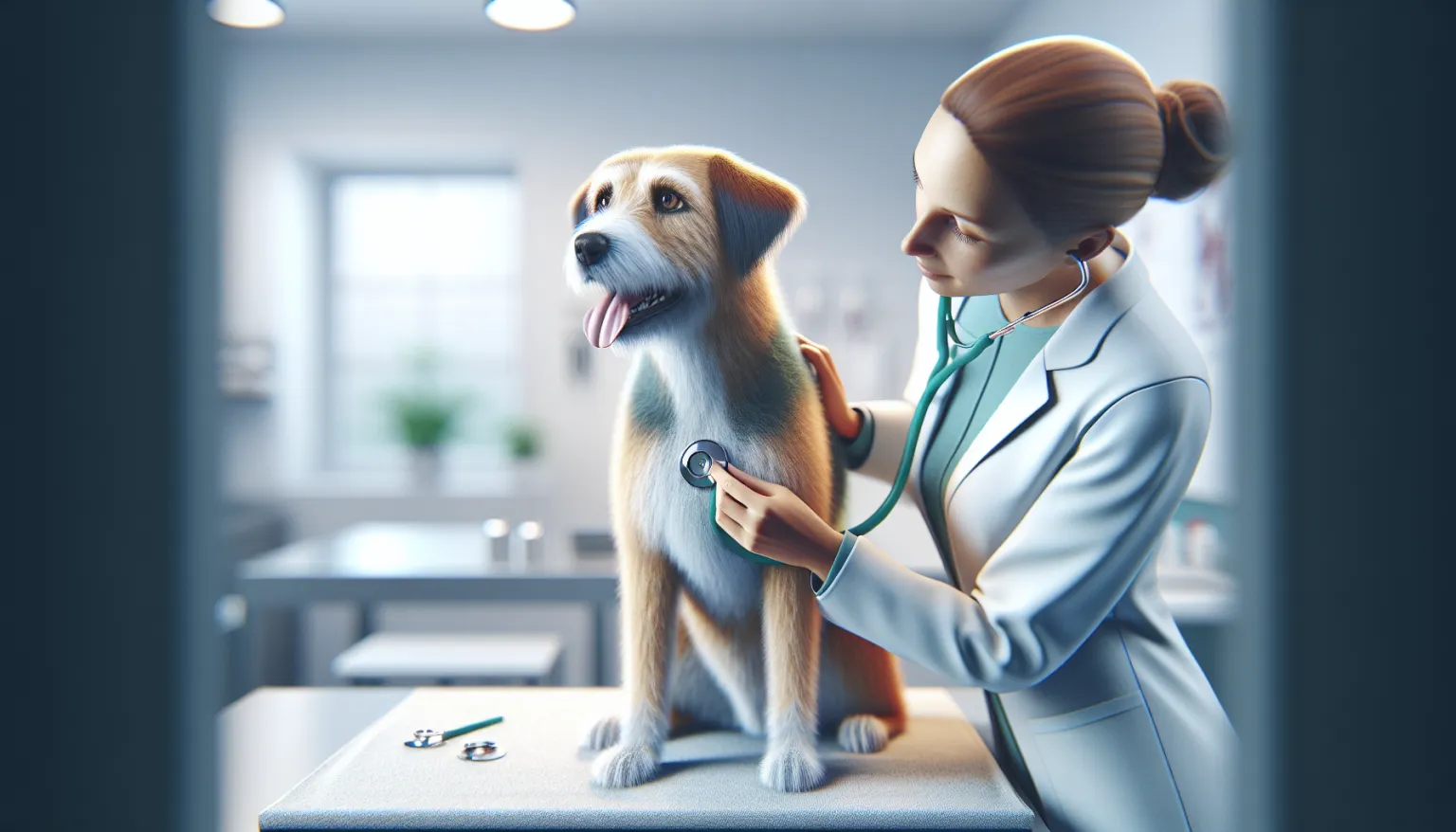
MVD is common enough in small breeds that any Chihuahua mix over age 7 should receive annual cardiac auscultation as a baseline. A heart murmur detected early allows staging, monitoring, and timely medication that can extend the asymptomatic period by years.
At home, track resting respiratory rate during sleep. Normal is under 30 breaths per minute. An increase signals fluid accumulation and should prompt veterinary evaluation within 24 to 48 hours.
Eye Conditions: The Prominent Eye Problem
Chihuahua mixes with prominent eyes (inherited from the Chihuahua parent) face increased risk for eye conditions including corneal ulcers, dry eye, and proptosis (eye displacement from trauma). The large, exposed corneal surface is vulnerable to scratches from furniture, other pets, or vegetation.
Regular eye exams, prompt treatment of any squinting or discharge, and awareness of the eye’s vulnerability are the primary prevention tools. If your Chihuahua mix has significantly protruding eyes, discuss protective strategies with your veterinarian.
The Three Moves That Matter Most
For most Chihuahua mix owners, these actions deliver the highest return:
- Prioritize dental care as the primary longevity intervention. Professional cleanings plus daily home care prevent the systemic damage that dental disease inflicts on the heart, kidneys, and liver.
- Monitor kneecap stability and gait quality for luxating patella. Early detection and weight management can delay or prevent the need for surgery.
- Screen for heart murmurs annually starting at middle age. Early MVD detection enables medication timing that extends the asymptomatic period by years.
What Shelter Adoption Means for Health Planning
Many Chihuahua mixes come from shelters, often with unknown dental history and sometimes with teeth already in poor condition. If you adopt an adult Chihuahua mix, prioritize a comprehensive dental evaluation within the first three months. Many shelter Chihuahua mixes need dental extractions at the time of adoption. This is not a failure of the previous owner. It is a reflection of the breed type’s dental vulnerability.
Post-adoption, establish a dental home care routine immediately, even if professional cleaning has just been completed. The predisposition does not go away. It requires lifelong management.
For dogs with unknown vaccination and health histories, a full baseline workup including heartworm test, blood panel, and orthopedic screening gives you the foundation for every future health decision.
Body Composition in Tiny Dogs
A Chihuahua mix that weighs 8 pounds and gains one pound has gained 12.5% of its body weight. The proportional impact on joint loading, respiratory effort, and metabolic function is enormous. Weight management in small dogs requires precision that larger dogs do not demand.
Use a kitchen scale or baby scale for consistent measurements. Weigh monthly. Body condition score on the 9-point scale, targeting 4 to 5. Portion meals carefully because even small “extras,” a few training treats, a bite of your dinner, can represent a significant percentage of daily caloric needs.
Building a Condition-Focused Prevention Stack
The prevention priority sequence for Chihuahua mixes is: dental care first, then joint and mobility management, then cardiac surveillance as the dog enters middle and senior years. Eye protection runs as a parallel track for dogs with prominent eye conformation.
This sequencing addresses the conditions most likely to cause cumulative damage earliest. Dental disease starts causing systemic harm years before cardiac or joint conditions become clinically significant.
Breed-Specific Research
- Dental Disease and Longevity in Dogs: the evidence connecting oral health to lifespan and systemic organ function.
- Dental Home Care Protocol for Dogs: practical framework for daily dental maintenance.
- Mixed Breed Longevity Data: What Large Studies Reveal: what population studies say about small mix lifespan advantages.
- Cardiovascular Screening Cadence for Small Breed Dogs: when and how to screen for mitral valve disease.
Exercise Design for Small Mixes
Chihuahua mixes need daily exercise, but the format should respect their size. Two to three 15 to 20 minute walks per day, supplemented with indoor play and mental enrichment, meets most Chihuahua mixes’ needs. Avoid forced long-distance running, which stresses small joints disproportionately.
Mental stimulation matters as much as physical exercise for this group. Puzzle feeders, nose work, trick training, and interactive toys provide cognitive fitness that protects against age-related cognitive decline.
In cold weather, Chihuahua mixes lose body heat rapidly due to their high surface-area-to-mass ratio. A well-fitted coat is not a fashion accessory. It is a thermoregulation tool.
Age-Based Monitoring Milestones
- Puppy to 2 years: Check for retained deciduous teeth. Begin dental home care. Baseline patellar evaluation. Start heartworm and parasite prevention.
- 3 to 6 years: Annual dental cleanings. Monitor kneecap stability. Maintain weight precision. Annual wellness blood work.
- 7 to 10 years: Add cardiac auscultation to every visit. Begin senior blood panel and urinalysis. Increase dental monitoring frequency if extractions have been needed.
- 11+ years: Biannual wellness exams. Monitor for cognitive decline, vision changes, and cardiac progression. Adjust exercise to match current capacity.
Longevity Outlook
Chihuahua mixes hold a genuine biological longevity advantage. Small body size correlates with longer lifespan across virtually all mammalian species, and this cross frequently lives well into the mid-teens. Some individuals reach 18 or beyond.
The conditions that most commonly limit this lifespan potential are highly manageable. Dental disease responds to consistent professional and home care. Luxating patella responds to weight management and, when necessary, surgery. Heart disease responds to surveillance and timely medication. The Chihuahua mix that receives proactive dental care, maintains lean body condition, and gets regular cardiac screening has every reason to reach the upper end of its lifespan range.
The Drift Pattern Most Owners Miss
Health erosion in Chihuahua mixes follows subtle patterns:
- Gradual tooth loss and chronic bad breath normalized as “just getting older” when it actually represents advancing Dental Disease that is seeding systemic infection
- Intermittent skipping gait dismissed as a quirk rather than recognized as early Luxating Patella that will progress without intervention
- Mild coughing attributed to excitement or water drinking too fast, when it may signal Tracheal Collapse progression
If you notice any of these patterns persisting or worsening over 7 to 10 days, investigate rather than normalize.
12-Month Longevity Execution Plan
Quarter 1: Baseline and Risk Mapping
- Establish baselines: body weight (on a precise scale), body condition score, dental status, and gait video
- Complete dental evaluation and professional cleaning if needed
- Assess patellar stability and document grade if luxation is present
- Lock down feeding protocol with precise measured portions
Quarter 2: Adherence and Early Drift Control
- Review dental home care compliance and adjust technique or tools if needed
- Monitor weight trend and gait quality against Q1 baselines
- Address any emerging skin, eye, or respiratory concerns
- Update gait footage for comparison
Quarter 3: Midyear Reassessment
- Compare six months of health data against baselines
- Reassess dental status and schedule professional cleaning if tartar is accumulating
- For dogs 7+, perform cardiac auscultation and senior wellness panel
- Adjust exercise and enrichment programming for seasonal changes
Quarter 4: Senior-Readiness Update
- Translate the year’s data into next year’s screening plan
- Update escalation criteria based on observed trends
- Schedule next dental cleaning
- Review cardiac and mobility status with your veterinarian
When to Seek Emergency Care
Do not wait on any of the following:
- Sudden refusal to eat, especially if accompanied by face rubbing or drooling (dental emergency or oral pain)
- Labored breathing, blue-tinged gums, or persistent harsh cough at rest (tracheal or cardiac emergency)
- Collapse, fainting, or sudden weakness
- Acute limb non-weight-bearing or sudden inability to use a hind leg
- Eye injury: squinting, cloudiness, redness, or visible damage to the corneal surface
Home Tracking Dashboard
Check monthly:
- Body weight on a precise scale, with body condition score
- Dental condition: breath quality, gum color, visible tartar, willingness to chew
- Gait quality: any skipping, limping, or favoring of a limb
- Coughing frequency, particularly in relation to excitement, exercise, or collar pressure
- Resting respiratory rate during sleep
- Eye clarity, discharge, and squinting
- Activity willingness and engagement quality
Diet and Feeding Strategy
Chihuahua mixes require precise portion control due to their tiny caloric budgets. Use Feeding Guide for Small Breeds or Feeding Guide for Toy Breeds depending on size. For dogs with dental limitations (missing teeth, extraction sites), softer food formulations may be needed.
Dental Health Nutrition Protocol for Dogs provides dietary strategies that support oral health. For joint support in dogs with luxating patella, Glucosamine and Chondroitin for Dogs reviews the supplementation evidence.
Condition-Specific Monitoring Triggers
- Dental Disease: Monitor for worsening breath, difficulty eating, face rubbing, drooling, or visible tooth discoloration. Reddened gums are not normal at any age.
- Luxating Patella: Track skipping episodes, their frequency, and which leg is affected. Escalate if episodes become more frequent, last longer, or your dog begins consistently avoiding activities.
- Tracheal Collapse: Note coughing triggers and frequency. Escalate if coughing increases, occurs at rest, or is accompanied by gagging or respiratory distress.
- Heart Disease: Count resting respiratory rate during sleep. A sustained increase above 30 breaths per minute is one of the earliest signs of cardiac compromise.
- Eye Conditions: Any squinting, cloudiness, excessive tearing, or change in pupil appearance warrants prompt evaluation.
Additional Relevant Condition Guides
Frequently Asked Questions
How long do Chihuahua mixes live? Most live 12 to 18 years, making them one of the longest-lived mixed breed categories. The wide range reflects genetic variability based on the other parent breed and how well modifiable risk factors, especially dental disease, are managed throughout life.
What is the biggest health risk for a Chihuahua mix? Dental disease. It starts earlier, progresses faster, and causes more systemic damage in Chihuahua-type dogs than in larger breeds. Left unmanaged, it seeds bacterial infection to the heart, kidneys, and liver, ultimately shortening what should be a very long life.
My Chihuahua mix has a honking cough. Is that normal? A honking cough in a small dog is the hallmark sound of tracheal collapse. It is not normal and should be evaluated by your veterinarian. In the meantime, switch from a collar to a harness to eliminate direct tracheal pressure, and keep your dog at a lean weight to reduce external airway compression.
Do Chihuahua mixes need professional dental cleanings? Yes. Annual professional cleanings with full-mouth radiographs are the standard of care for this breed type. Radiographs are essential because significant disease often exists below the gumline where visual inspection cannot reach. Home care supplements professional cleaning but does not replace it.
How much exercise does a Chihuahua mix need? Two to three short walks per day (15 to 20 minutes each) plus indoor play and mental enrichment is appropriate for most Chihuahua mixes. Avoid forced long-distance running. Mental stimulation through puzzle toys, nose work, and training is equally important for this alert, intelligent breed type.
My Chihuahua mix’s kneecap seems to pop in and out. Is this serious? This describes luxating patella, which ranges from mild (grade I) to severe (grade IV). Mild cases may be managed conservatively with weight control and joint support. More severe or worsening cases often require surgical correction. Have your veterinarian assess and grade the condition to guide the management plan.
References
[1] Dog Aging Project [2] Life expectancy, mortality, and longevity in companion dogs (Scientific Reports, 2024) [3] AAHA Canine Life Stage Guidelines [4] Merck Veterinary Manual [5] AAHA Dental Care Guidelines for Dogs and Cats [6] WSAVA Global Nutrition Guidelines
Related reads
Related Reading
Continue exploring