Two Spaniel Hearts, One Cardiac Reality
The Cockalier pairs two of the most affectionate spaniel breeds: the Cocker Spaniel and the Cavalier King Charles Spaniel. Both parents are renowned for their soft temperaments, eagerness to bond with their humans, and soulful expressions. They also share a health profile that converges around one system with uncomfortable specificity: the heart.
The Cavalier King Charles Spaniel carries the highest documented prevalence of mitral valve disease (MVD) of any breed, with studies showing that virtually 100% of Cavaliers develop some degree of MVD by age 10. The Cocker Spaniel also carries elevated cardiac risk. When these two breeds cross, the resulting Cockalier inherits a concentrated cardiac vulnerability that makes early and consistent heart monitoring the centerpiece of any longevity plan.
This is not an inherently fragile dog. Both parent breeds are moderately long-lived for their size, and the Cockalier’s 12-16 year range reflects genuine potential. But realizing that potential requires treating cardiac health as the primary management priority, not an afterthought.
Understanding the Cardiac Burden
Mitral Valve Disease: The Condition That Defines This Cross
MVD occurs when the mitral valve, which separates the left atrium from the left ventricle, degenerates. The valve leaflets thicken and lose their seal, allowing blood to leak backward (regurgitate) during each heartbeat. The heart compensates by enlarging, but eventually the compensation fails and congestive heart failure develops.
The disease progresses through stages:
- Stage A: At risk but no disease present (all Cockaliers start here by definition)
- Stage B1: Murmur detected, but no heart enlargement on imaging
- Stage B2: Murmur present with echocardiographic evidence of heart enlargement
- Stage C: Active congestive heart failure with clinical signs
- Stage D: End-stage, refractory heart failure
The landmark EPIC trial demonstrated that starting pimobendan at Stage B2 delays the onset of heart failure by a median of 15 months. That is 15 months of quality life gained by catching the transition from B1 to B2 through regular echocardiographic monitoring. In a Cockalier, where MVD progression is essentially expected rather than merely possible, that monitoring is not optional.
Recommended cardiac surveillance for the Cockalier:
- Annual cardiac auscultation starting at age 1
- Baseline echocardiogram by age 3 (earlier if a murmur is detected before then)
- Annual echocardiography once a murmur is confirmed, to track progression from B1 to B2
- Home resting respiratory rate monitoring: count breaths during sleep, consistently above 30 is concerning
See Cardiovascular Screening Cadence for Small Breed Dogs for a detailed surveillance protocol.
Beyond the Heart
Ear Infections: The Spaniel Tax
Both parent breeds have long, pendulous ears with heavy feathering. This ear architecture severely restricts airflow to the ear canal, trapping moisture and creating a warm, humid environment that yeast and bacteria colonize aggressively. Ear infections are one of the most common veterinary visits for both Cocker Spaniels and Cavaliers, and the Cockalier inherits this vulnerability in full.
Chronic, undertreated ear infections cause permanent ear canal thickening, hearing loss, and chronic pain. In severe cases, end-stage ear disease requires total ear canal ablation, a major surgery with a significant recovery period.
Prevention is straightforward but demands consistency:
- Clean ears weekly with a veterinary-approved cleanser
- Dry ears thoroughly after swimming, bathing, or rain exposure
- Keep ear feathering trimmed to improve airflow
- Treat active infections with the full prescribed course of medication
- If infections recur more than 3 times per year, discuss allergy workup or culture-guided antibiotic selection
Progressive Retinal Atrophy and Cataracts
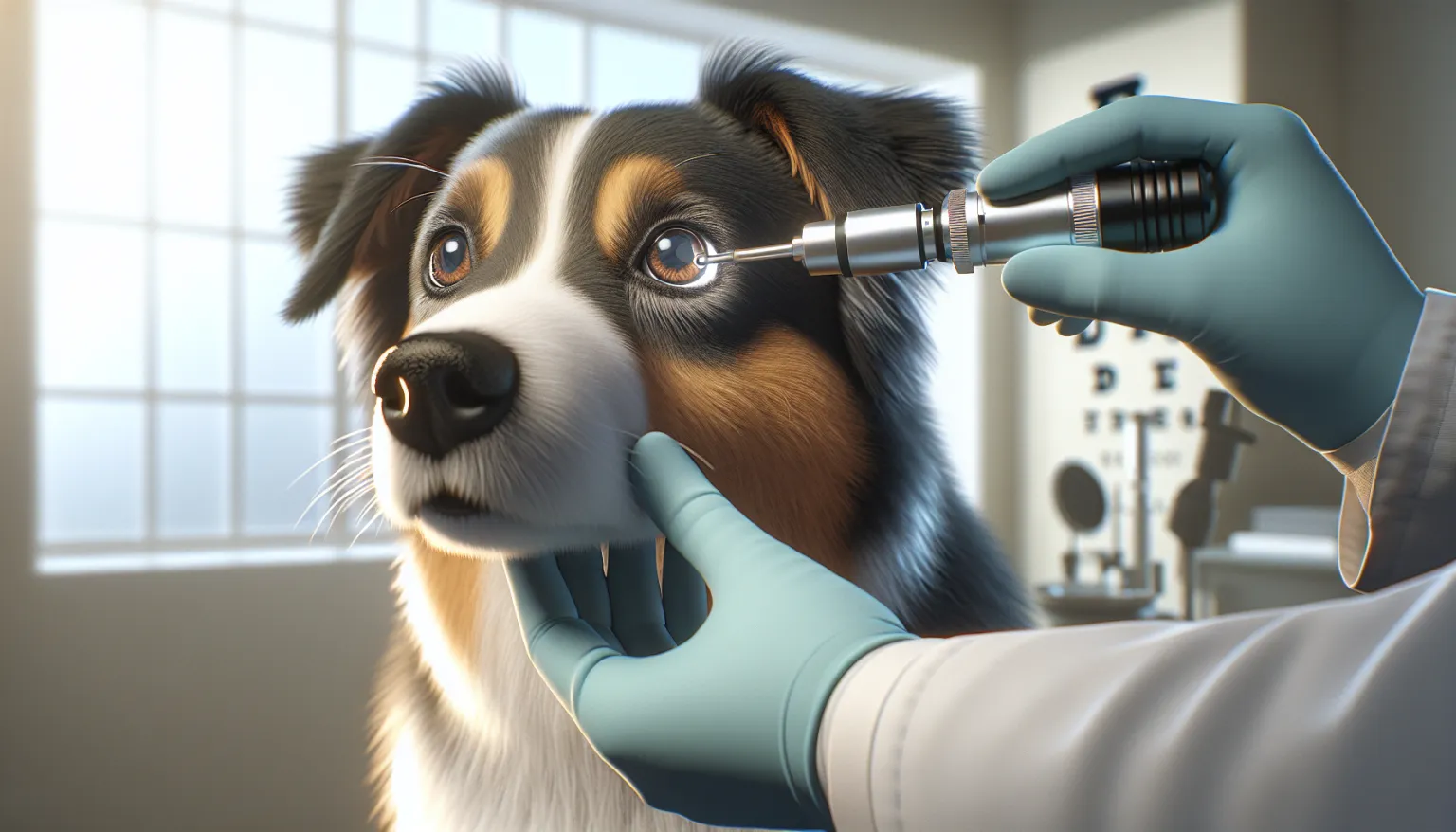
Both parent breeds carry risk for progressive retinal atrophy (PRA) and cataracts. The Cocker Spaniel has one of the highest documented rates of inherited cataracts among all breeds, and Cavaliers carry their own PRA variants.
PRA causes progressive vision loss beginning with night blindness. Cataracts cause lens opacification that may be partial or complete, with surgical removal possible for cataracts that significantly impair vision.
Annual ophthalmic exams starting at age 3 are warranted for Cockaliers. The CERF/OFA eye certification, originally developed for breeding stock evaluation, provides the structured examination format. If your Cockalier’s parents were not eye-certified before breeding, clinical surveillance becomes even more important.
See Eye Health Screening Frequency by Breed for recommended intervals.
Hip Dysplasia
While hip dysplasia is more commonly discussed in larger breeds, both the Cocker Spaniel and the Cavalier carry documented OFA prevalence. In a Cockalier weighing 12-28 lbs, hip dysplasia creates less mechanical stress than in a 70 lb dog, but it still leads to arthritis if left unmanaged.
Lean body condition and appropriate exercise (walking, moderate play, swimming) protect small-breed joints. If your Cockalier develops rear-limb stiffness or reluctance to exercise, hip evaluation is a reasonable diagnostic step.
Skin Allergies
Both parent breeds carry predisposition to skin allergies, including environmental atopy and food sensitivities. The Cocker Spaniel in particular has well-documented rates of allergic dermatitis, seborrhea, and secondary skin infections.
Signs include persistent scratching, face rubbing, paw licking, and recurrent hot spots. If basic grooming and bathing do not resolve symptoms, allergy workup can identify specific triggers. Skin and Coat Nutrition and Omega-3 supplementation provide dietary support for skin barrier function and inflammatory control.
Nutrition for the Cockalier
The Cockalier benefits from a high-quality diet that supports cardiac health, skin integrity, and lean body condition. Use Feeding Guide for Small Breeds as your baseline framework.
Omega-3 supplementation at approximately 75 mg EPA+DHA per kg of body weight is particularly relevant for this cross. Omega-3 fatty acids have documented anti-arrhythmic effects, reduce inflammatory signaling that contributes to valve degeneration, and support skin health. For a Cockalier, omega-3s serve cardiac, dermatologic, and general anti-inflammatory roles simultaneously.
Heart Disease Nutrition for Dogs provides dietary strategies specifically targeting cardiovascular support, including appropriate sodium management for dogs in advanced MVD stages.
Measured meals twice daily with treats capped at 10% of daily caloric intake. Monthly body condition scoring: target BCS 4-5 with ribs easily palpable, visible waist, and clear abdominal tuck. Excess weight increases cardiac workload in a dog whose heart is already under progressive structural strain.
Exercise for the Companion Spaniel
Cockaliers are moderately active dogs that thrive on 30-60 minutes of daily exercise. They are not high-drive working dogs, but they need consistent physical activity and social engagement to maintain cardiovascular fitness, healthy weight, and behavioral well-being.
Walking, moderate play sessions, and social interaction with people and other dogs form the exercise foundation. Swimming is excellent if your Cockalier tolerates water, though ear drying afterward is mandatory.
For Cockaliers with diagnosed MVD, exercise recommendations depend on disease stage. Dogs in Stage B1/B2 can typically exercise normally. Once congestive heart failure develops (Stage C), your veterinarian will guide appropriate activity modification: typically, maintaining light activity while avoiding strenuous exertion.
Monitor your Cockalier’s exercise tolerance. A dog that previously walked 45 minutes without slowing but now wants to stop at 20 minutes may be signaling early cardiac decompensation, not laziness.
Preventive Screening Timeline
- Puppy to 12 months: Cardiac auscultation at every puppy visit. Establish ear care routine. Begin dental care.
- 1 to 3 years: Annual wellness exam with cardiac auscultation, ear assessment, dental evaluation, and body condition scoring. Baseline echocardiogram by age 3 (earlier if murmur detected).
- 3 to 7 years: Annual echocardiography once any murmur is confirmed. Annual eye exam. Bloodwork baseline by age 5. Maintain ear and dental care.
- 7 to 12 years: Increase echocardiography frequency if MVD is progressing (every 6 months in Stage B2). Senior bloodwork annually. Mobility assessment.
- 12+ years: Twice-yearly exams. Comprehensive senior panel. Cardiac monitoring as determined by disease stage. Cognitive function screening.
Breed-Specific Research
These resources provide deeper context for Cockalier health management:
- Cardiovascular Screening Cadence for Small Breed Dogs: cardiac surveillance timing specifically designed for small breeds with MVD risk.
- Eye Health Screening Frequency by Breed: ophthalmic surveillance for breeds with PRA and cataract predisposition.
- Heart Disease Nutrition for Dogs: dietary strategies supporting cardiovascular health.
Condition-Specific Monitoring Triggers
These signals should prompt veterinary evaluation rather than continued observation:
- Mitral Valve Disease: Coughing (especially at night or after exertion), exercise intolerance that was not previously present, resting respiratory rate consistently above 30 breaths per minute, fainting episodes, or abdominal distension.
- Ear Infections: Head shaking, odor from ear canals, dark discharge, scratching at ears, head tilt, or loss of balance.
- Progressive Retinal Atrophy: Bumping into objects in dim light, dilated pupils, reluctance to navigate unfamiliar spaces at night.
- Cataracts: Cloudiness in one or both eyes, navigational difficulty, or eyes that appear whitish or blue-grey.
- Hip Dysplasia: Rear-limb stiffness, reluctance to exercise, bunny-hopping gait, or difficulty rising.
- Skin Allergies: Persistent scratching, face rubbing, paw licking, recurrent hot spots, or greasy/flaky coat.
12-Month Longevity Execution Plan
Quarter 1: Cardiac-First Baseline
- Schedule cardiac auscultation and baseline echocardiogram (if age-appropriate)
- Document weight, body condition score, and resting respiratory rate baseline
- Establish ear care routine: weekly cleaning, feathering trim schedule
- Begin or optimize daily dental care
- Set feeding protocol with measured meals and calorie budget
Quarter 2: Adherence and Monitoring
- Compare weight and BCS against Q1 baseline; adjust feeding if needed
- Track resting respiratory rate weekly (record during sleep, flag if consistently above 30)
- Audit ear care compliance: are weekly cleanings happening? Any breakthrough infections?
- Monitor skin condition: emerging allergy patterns, coat quality changes
Quarter 3: Midyear Reassessment
- Eye exam: annual ophthalmic evaluation
- Cardiac auscultation reassessment if murmur was detected earlier
- Evaluate exercise tolerance: has your dog’s stamina changed?
- Skin allergy management review: is current strategy controlling symptoms?
Quarter 4: Annual Review and Forward Planning
- Comprehensive wellness exam with full bloodwork
- Annual echocardiogram (if MVD is being tracked)
- Professional dental cleaning as indicated
- Use full-year cardiac, ear, eye, and weight data to refine next year’s monitoring plan
When to Seek Emergency Care
Do not wait on any of the following:
- Sudden onset of rapid, labored breathing (potential congestive heart failure)
- Fainting or collapse, especially during or after activity
- Resting respiratory rate sustained above 40 breaths per minute
- Blue-tinged gums or tongue
- Sudden complete loss of balance or circling (vestibular event, possibly from severe ear disease)
- Acute eye pain (squinting, eye held shut, pawing at the eye)
- Complete food refusal lasting more than 24 hours with concurrent lethargy
Home Tracking Dashboard
Monitor these markers to catch changes early:
- Resting respiratory rate during sleep (weekly; normal is under 30)
- Weight and body condition score (monthly)
- Ear health: odor, discharge, head shaking frequency (weekly)
- Eye clarity: any cloudiness, excessive tearing, or navigational difficulty (monthly)
- Exercise tolerance: distance and duration before fatigue (note any decline)
- Skin condition: scratching frequency, hot spots, coat quality (monthly)
- Appetite consistency and water intake
- Dental health: gum color, breath quality
Frequently Asked Questions
How long do Cockaliers typically live? Cockaliers average 12-16 years. Both parent breeds are moderately long-lived for their size. The primary factor influencing where within this range a Cockalier falls is cardiac health management, specifically how early MVD is detected and how proactively it is managed.
Will my Cockalier definitely develop mitral valve disease? Not every Cockalier develops clinical MVD, but the risk is substantially elevated given that both parent breeds carry significant predisposition (the Cavalier’s prevalence approaches 100% by age 10). Plan as though MVD is probable and screen accordingly. If your dog reaches age 10 without a murmur, that is a favorable outcome worth celebrating.
How much does echocardiography cost for a small dog? Echocardiograms typically range from $300-$600 depending on location and whether a board-certified cardiologist performs the study. Given the 15-month heart failure delay demonstrated by the EPIC trial when pimobendan is started at Stage B2, the cost of monitoring is a sound investment for a Cockalier.
Why does my Cockalier get so many ear infections? Both parent breeds have long, pendulous ears with heavy feathering that restricts airflow and traps moisture. This ear architecture essentially guarantees that ear infections will be a recurring management challenge without consistent preventive care. Weekly cleaning and feathering maintenance are the primary defenses.
Can a Cockalier with heart disease still exercise? Yes, with stage-appropriate modifications. Dogs with MVD in Stages B1 and B2 can typically exercise normally. Once congestive heart failure develops, activity should be guided by your veterinarian, usually maintaining light daily activity while avoiding strenuous exertion. Monitor exercise tolerance as a clinical marker.
Should I be concerned about my Cockalier’s eyes? Yes. Both parent breeds carry elevated risk for PRA and cataracts. Annual ophthalmic exams starting at age 3 provide surveillance for early changes. Cataracts can be surgically removed if vision is significantly impaired. PRA has no cure, but early detection allows environmental adaptation.
References
[1] EPIC Trial: Effect of Pimobendan in Dogs with Preclinical Myxomatous Mitral Valve Disease (Boswood et al., JVIM, 2016) [2] Prevalence of inherited disorders among mixed-breed and purebred dogs (Bellumori et al., JAVMA, 2013) [3] Life expectancy, mortality, and longevity in companion dogs (Scientific Reports, 2024) [4] Effects of Diet Restriction on Life Span and Age-Related Changes in Dogs (Kealy et al., 2002) [5] Orthopedic Foundation for Animals (OFA) [6] Merck Veterinary Manual [7] AAHA Canine Life Stage Guidelines
This content is for informational purposes only and does not constitute veterinary advice. Always consult a licensed veterinarian for decisions about your dog’s health, diagnosis, and treatment.
Related reads
Related Reading
Continue exploring