One Fever Syndrome Determines Whether This Dog Lives 8 Years or 12
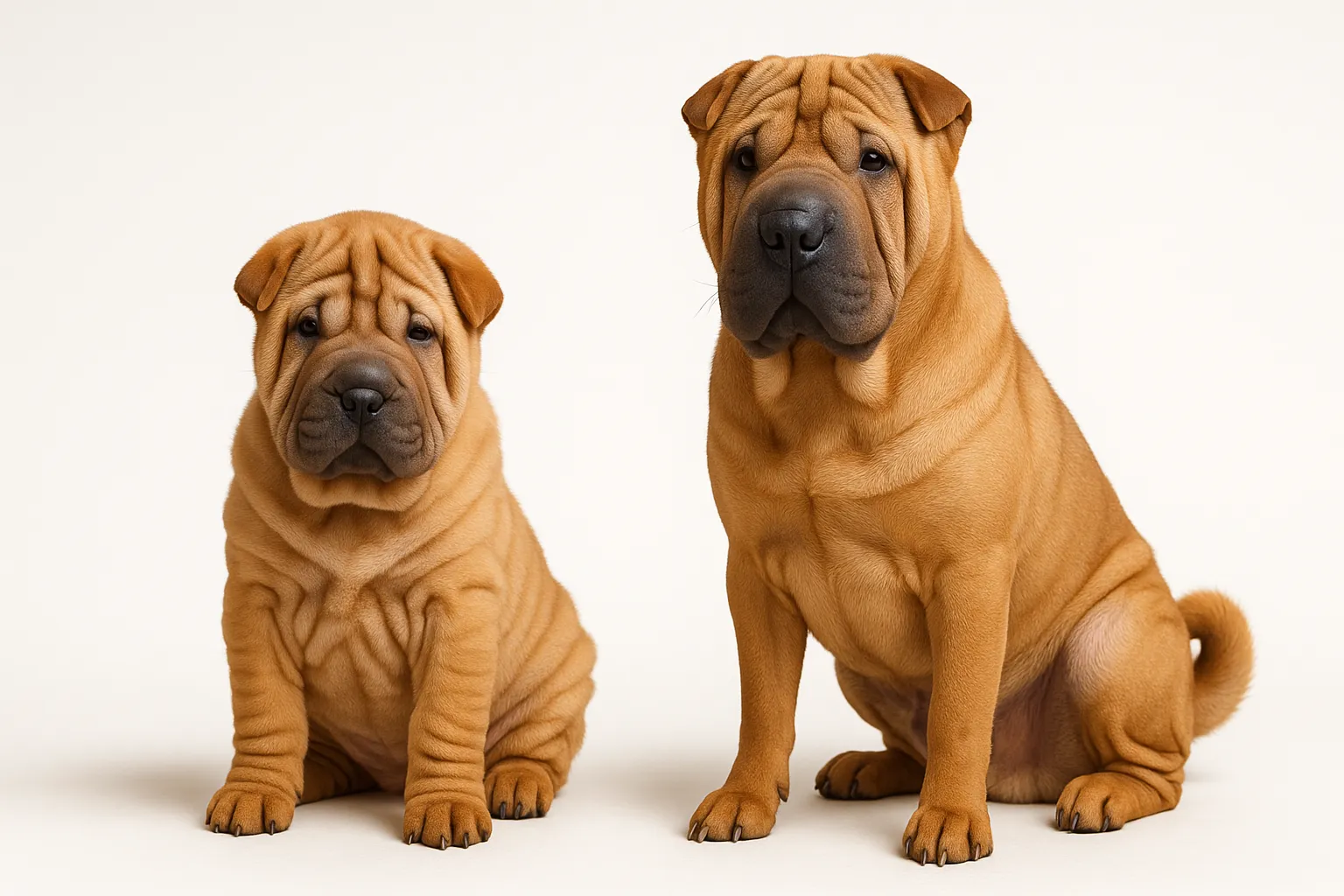
No breed carries a more distinctive silhouette — or a more complex health profile — than the Chinese Shar-Pei. Those deep skin folds, blue-black tongue, and hippopotamus muzzle come packaged with a disease burden unlike any other breed: Familial Shar-Pei Fever (FSF), a periodic fever syndrome that deposits amyloid protein in the kidneys and, over time, causes progressive organ failure.
The Shar-Pei was nearly extinct by the 1970s before international rescue efforts rebuilt the population from a narrow genetic base. That bottleneck concentrated the health challenges owners manage daily: chronic skin fold infections, ear disease, and eye conditions including glaucoma and entropion.
Colchicine therapy during and between fever episodes reduces amyloid deposition and remains the most consequential medical intervention for extending affected dogs’ lives.
The Conditions to Watch For
Skin Fold Disease
The Shar-Pei’s extreme wrinkling traps moisture, bacteria, and debris in every crease — creating chronic skin fold pyoderma that becomes a daily quality-of-life concern if left unmanaged. Facial folds, neck folds, and tail folds require daily cleaning with dog-safe wipes or diluted chlorhexidine solution. Severely affected dogs may benefit from surgical skin fold removal, particularly around the nose and tail. Atopic dermatitis also runs high in the breed.
See the Skin Fold Disease guide for full prevention and management detail.
Amyloidosis / Renal Failure
Renal amyloidosis secondary to Familial Shar-Pei Fever is the primary life-limiting disease in this breed. Amyloid deposits accumulate in the renal tubular interstitium, steadily destroying kidney function. Annual kidney panels (BUN, creatinine, SDMA, UPC ratio) starting at age 4 track the trajectory. Colchicine therapy initiated at FSF diagnosis slows amyloid deposition — some Shar-Pei specialists recommend prophylactic colchicine for all dogs showing FSF. Once amyloid has deposited, it cannot be reversed. Management is supportive from that point forward.
See the Amyloidosis / Renal Failure guide for full prevention and management detail.
Seizures
Seizures occur in Chinese Shar-Pei, but in this breed, the diagnostic path matters more than usual. Metabolic causes — uremia from amyloidosis-related renal failure, hepatic dysfunction — must be ruled out before idiopathic epilepsy is considered. A thorough metabolic panel is required for any Shar-Pei presenting with seizures. When idiopathic epilepsy is confirmed, anticonvulsant therapy with regular drug level monitoring manages most cases effectively.
See the Seizures guide for full prevention and management detail.
Strategies With Research Support
Familial Shar-Pei Fever Recognition and Management
FSF is the condition that defines Shar-Pei ownership. Episodes bring fever (103-107 degrees F), painful swollen hocks, and lethargy lasting 24-48 hours. Every owner should know how to check rectal temperature and have an agreed-upon fever management protocol with their veterinarian. Most practitioners recommend NSAIDs or colchicine during active episodes.
The real longevity gain comes from daily prophylactic colchicine between episodes. In dogs with recurrent FSF, this single intervention significantly reduces amyloid deposition and extends life. Any Shar-Pei with two or more fever episodes deserves evaluation by an internal medicine specialist familiar with FSF.
Daily Skin Fold Maintenance Protocol
Skin fold care in a Shar-Pei is a non-negotiable daily commitment — not a weekly chore. The most critical areas are the facial folds (particularly the nasal fold that can rub the cornea), neck folds, and tail folds. Open each fold gently, clean with a dog-safe wipe or diluted chlorhexidine, and dry thoroughly. Moisture left behind creates the warm, damp conditions where bacteria and yeast multiply rapidly. Chronic untreated infections lead to pain, tissue damage, odor, and significant antibiotic resistance.
Glaucoma and Eye Fold Monitoring
The Shar-Pei’s excessive facial skin compresses the eye socket area, predisposing the breed to entropion — inward-rolling eyelids that cause chronic corneal irritation from eyelash contact. Surgical correction is often required. Measuring intraocular pressure annually from age 3 screens for early glaucoma. Cloudy eyes, excessive tearing, or apparent vision changes warrant prompt ophthalmological evaluation. Untreated glaucoma causes rapid, irreversible vision loss.
The Prevention Plan That Pays Off
For most Chinese Shar-Pei owners, these are the actions that will matter most:
- Monitor for Familial Shar-Pei Fever (FSF) — periodic fever syndrome leading to fatal amyloidosis is the primary breed-specific mortality cause
- Annual kidney and liver panel from age 4 — amyloid deposition in kidneys causes progressive renal failure in FSF-affected dogs
- Proactive skin fold management — daily fold cleaning prevents pyoderma, a major quality-of-life issue in the breed
Make these the backbone of your Chinese Shar-Pei’s preventive care calendar. Each quarter, assess whether you are on track or need to escalate. Detailed protocols live in Skin Allergies, Kidney Disease, Seizures Epilepsy .
Evidence-Based Longevity Priorities
Body Composition and Muscle Maintenance
Maintaining lean body condition in a Shar-Pei directly predicts orthopedic longevity and cardiovascular reserve. At 45-60 lbs, body composition drift compounds quickly. Monthly body condition scoring keeps you ahead of the curve rather than reacting after the damage is done.
Condition-Focused Prevention Stack
The greatest healthspan gains come from focusing prevention on Skin Allergies, Kidney Disease, Seizures Epilepsy. Intervening early keeps your treatment options open and prevents the compounding damage that delay invites.
Behavior, Stress Load, and Recovery
Predictable daily routines matter more than most Shar-Pei owners realize. Stable activity patterns and protected rest windows help maintain both cognitive and physical function across the lifespan. When stress load rises, recovery slows — and that compounds with the breed’s existing disease burden.
Preventive Screening Cadence
Schedule veterinary reassessment intervals by age band and trend changes rather than waiting for obvious deterioration. Planned checkpoints focused on renal function, skin health, and sensory markers improve early detection and intervention timing.
Breed-Specific Research
Use these evidence deep dives to add mechanism-level context to your Chinese Shar-Pei longevity plan:
- Annual Wellness Testing Protocol For Dogs: renal function monitoring protocol for FSF and amyloidosis tracking in Shar-Pei
- Senior Dog Screening Protocol: monitoring framework for a medium breed with complex disease burden
- Genetic Testing For Dogs Clinical Roi: genetic research status for FSF and related Shar-Pei conditions
Genetic Testing: When It Matters
Genetic testing in Chinese Shar-Pei should drive monitoring strategy, not replace it. Use results to tighten surveillance windows and calibrate intervention thresholds. CERF eye exams belong in the initial risk assessment.
- A well-chosen initial panel gives you a risk map. Follow-up assessments at regular intervals tell you which risks are materializing and which remain theoretical.
- Your first monitoring protocols should target Skin Allergies and Kidney Disease. The goal is results that change behavior — not just data that sits in a file.
- Document weight, energy level, appetite patterns, and any changes you notice between vet visits. When combined with clinical data, home observations often reveal the earliest signs of drift.
- Return to your test results whenever something changes — a new lameness, unexplained weight loss, or behavioral shift. Static data becomes useful again when the clinical context moves.
The point of testing is not the result — it is what you do differently because of it.
Breeding History & Health Implications
The Shar-Pei’s history spans hunting, herding, guarding, and — regrettably — fighting. That diverse working past, combined with a near-extinction bottleneck and rapid repopulation from limited stock, directly shapes today’s health risks.
- The breed’s concentrated genetic background requires screening cadence matched to the pace at which these conditions typically progress in this breed.
- Let the breed’s history guide your watch list. The conditions most worth proactive monitoring are Skin Allergies, Kidney Disease, Seizures Epilepsy.
- When you see the same subtle finding twice — a slight limp, a missed meal, a slower recovery — treat it as a signal, not a coincidence. Tighten your monitoring before it compounds.
- Anchor your prevention plan to the latest data, not the original risk assessment. What your Chinese Shar-Pei needed at two years old and what they need at eight are different conversations.
Breeding history narrows the search. Serial monitoring data makes the call.
Age-Based Monitoring Milestones
- Puppy: establish skin fold cleaning protocol, baseline exam
- 1-3 years: OFA hip evaluation, CAER exam, FSF awareness and temperature monitoring
- 4+ years: annual kidney/liver panel (BUN, creatinine, SDMA, UPC), annual IOP measurement
- 7+ years: biannual renal panel, senior wellness panel, quality of life assessment
What and How to Feed
Quality medium-breed adult food works well for most Shar-Pei. For dogs with documented renal compromise, dietary protein restriction may be discussed — but this decision requires veterinary guidance based on actual kidney function test results, not guesswork. Omega-3 supplementation supports skin barrier function and reduces atopic dermatitis severity. Lean body condition reduces orthopedic and metabolic load.
Putting It All Together
A Chinese Shar-Pei with proactive FSF management (colchicine therapy, renal monitoring), daily skin fold care, and glaucoma surveillance can reach 10-12 years. Dogs with severe recurrent FSF and early amyloid deposits face a more guarded prognosis. Colchicine prophylaxis remains the single most important medical intervention for extending FSF-affected dogs’ lives.
Most-Missed Early Drift Pattern
Early disease progression in Chinese Shar-Pei usually presents as low-grade changes that owners attribute to normal aging:
- Intermittent scratching or paw licking related to Skin Allergies that owners often dismiss as temporary
- Subtle compensation patterns that mask Kidney Disease progression: mild weight loss blended into normal aging
- A mild early sign tied to Seizures Epilepsy that appears intermittently
If baseline function is drifting for 7-10 days, treat it as a prevention failure signal and reassess early.
Additional Health Risks to Monitor
Based on breed predisposition data, Chinese Shar-Pei owners should also be aware of:
Frequently Asked Questions
How long do Chinese Shar-Pei live?
Chinese Shar-Pei typically live 8-12 years. Familial Shar-Pei Fever management (colchicine therapy), renal function monitoring, and daily skin fold care are the primary longevity investments.
What is Familial Shar-Pei Fever?
FSF is a breed-specific autoinflammatory syndrome causing periodic fever (103-107°F), swollen hocks, and systemic inflammation. Over time, amyloid protein deposits in the kidneys cause progressive renal failure. Colchicine therapy during and between fever episodes reduces amyloid deposition.
Are Chinese Shar-Pei good family dogs?
Shar-Pei are loyal and devoted to their family but typically reserved with strangers and can be dog-selective. Early socialization from puppyhood is essential. Their significant health management requirements make them better suited for experienced owners prepared for ongoing daily care.
Why do Chinese Shar-Pei have so many wrinkles?
The Shar-Pei’s extreme skin folds were historically selected to make the dog difficult to grip in fighting or when engaging prey. In modern breed standards, the wrinkling is a defining characteristic — though the extreme wrinkling creates significant health challenges that breeders are working to moderate through selective breeding.
What does Shar-Pei mean in Chinese?
“Shar-Pei” translates roughly to “sand-skin” or “sand paper skin” in Cantonese, referring to the breed’s distinctive rough, prickly coat texture — quite different from the extreme wrinkling of modern show dogs.
References
[1] Chinese Shar-Pei Club of America. cspca.com. [2] Familial Shar-Pei Fever: Olsson M et al. BMC Genomics. 2011. [3] Amyloidosis in Shar-Pei: DiBartola SP et al. J Am Vet Med Assoc. 1990. [4] AKC breed information. akc.org. [5] Shar-Pei breed history and near-extinction: Hong Kong Kennel Club records.
Related reads
Related Reading
Continue exploring