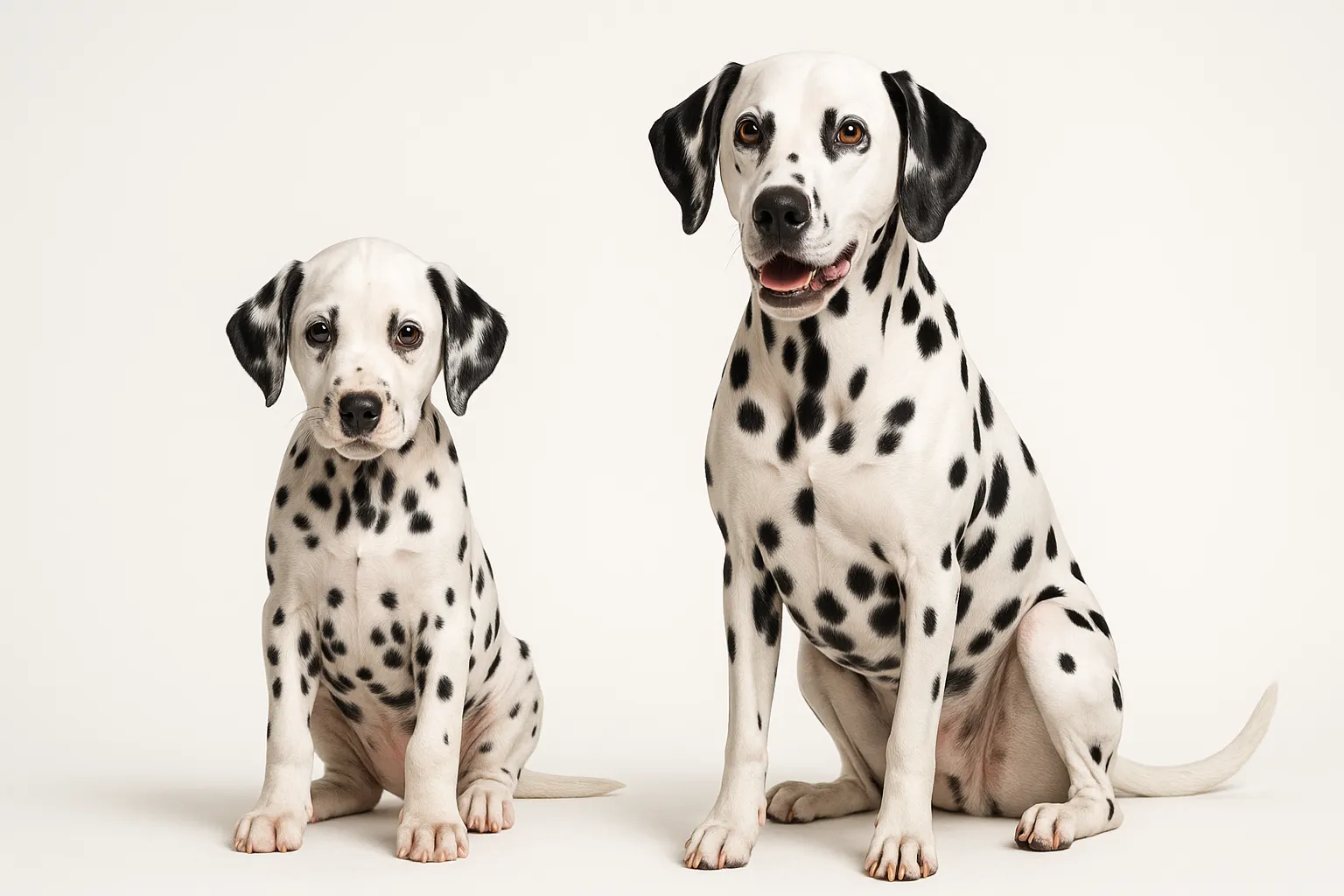
Understanding the Dalmatian’s Health Trajectory
Every purebred Dalmatian carries two inherited conditions that no other breed shares at the same intensity: the highest congenital deafness rate of any dog breed and a unique uric acid metabolism defect that creates lifelong urinary stone risk. Manage both from puppyhood, and you are looking at 11-13 years with an athletic, robust dog. Ignore either one, and outcomes worsen sharply.
Up to 30% of Dalmatians have some degree of hearing impairment — approximately 8% bilaterally deaf, 22% unilaterally deaf. Hyperuricosuria means every purebred Dalmatian excretes high concentrations of uric acid in urine, creating risk of urate crystal and stone formation that can cause life-threatening urinary obstruction. Hip dysplasia occurs at moderate rates. Beyond these breed-specific concerns, Dalmatians are genuinely athletic dogs with a moderate heritable disease burden.
What This Breed Is Most Likely to Face
Deafness
Congenital deafness in Dalmatians is caused by the same pigmentation gene (extreme white) that produces their iconic spotted coat. BAER testing at 5-6 weeks identifies affected puppies — this is not optional in a breed with 30% hearing impairment rates. Bilaterally deaf dogs require visual cue-based training. Unilaterally deaf dogs often function normally but have reduced sound localization. BAER testing should happen before any puppy leaves a breeder.
See the Deafness guide for full prevention and management detail.
Uric Acid Urinary Disease
Dalmatians cannot fully convert uric acid to allantoin — a more soluble compound — resulting in high uric acid concentration in urine. This metabolic quirk is unique to the breed. It leads to urate crystal and stone formation that can obstruct the urinary tract, particularly in males with their narrower urethra. Dietary management (low-purine diet: avoid organ meat, sardines, anchovies), adequate hydration, and annual urinalysis monitoring are the pillars of prevention.
See the Uric Acid Urinary Disease guide for full prevention and management detail.
Hip Dysplasia
Hip dysplasia occurs in Dalmatians at moderate rates. OFA evaluation at 24 months provides the structural baseline. Weight management and controlled exercise during growth are the primary protective factors.
See the Hip Dysplasia guide for full prevention and management detail.
Skin Allergies
Atopic dermatitis and environmental allergies are reported in Dalmatians. The breed’s short coat provides minimal barrier protection against environmental irritants. Omega-3 supplementation provides anti-inflammatory support. Systematic allergy evaluation is appropriate for dogs with recurrent skin or ear symptoms.
See the Skin Allergies guide for full prevention and management detail.
Longevity Interventions That Have Data Behind Them
Urate Stone Prevention Protocol
Preventing uric acid urinary stones requires a combination of dietary discipline and monitoring. Feed a low-purine diet: avoid organ meats (liver, kidney, heart), sardines, anchovies, and brewer’s yeast. High-purine human foods given as treats are the most common management failure point. Encourage water intake through wet food, water added to kibble, and multiple water bowls placed around the home. Annual urinalysis with sediment examination detects early urate crystal formation before stones develop. Male Dalmatians with a history of stones may benefit from allopurinol after specialist evaluation.
BAER Testing and Deaf Dog Management
BAER testing should happen for every Dalmatian puppy before placement, ideally at 5-6 weeks. In a breed with up to 30% hearing impairment, this is baseline care, not an optional extra. Reputable breeders BAER test all puppies and disclose results transparently. Bilaterally deaf Dalmatians can live fully enriched lives with visual cue-based training — hand signals, vibrating collars for recall, and leash-only outdoor access in unfenced areas. They require higher supervision near traffic and around sleeping children who cannot signal danger.
Exercise and Mental Stimulation
Dalmatians are coach dogs — bred for long-distance running alongside horse-drawn carriages. That heritage means 1-2 hours of vigorous daily exercise is not a luxury but a biological requirement. Under-exercised Dalmatians develop destructive behaviors, anxiety, and weight gain. Vary the exercise across types — running, fetch, swimming, agility — to provide both cardiovascular conditioning and mental engagement. Consistent exercise also prevents the obesity that accelerates hip disease and increases urinary concentration, making stone formation more likely.
Start Here: Your Top Longevity Targets
The actions most likely to extend your Dalmatian’s healthy years:
- BAER hearing test in puppyhood — congenital deafness affects up to 30% of Dalmatians
- Low-purine diet to prevent uric acid urinary stones — a unique Dalmatian metabolic quirk
- Annual urinalysis monitoring for early urate crystal detection
Make these the backbone of your Dalmatian’s preventive care calendar. Each quarter, assess whether you are on track or need to escalate. Detailed protocols live in Deafness, Kidney Disease, Hip Dysplasia .
Evidence-Based Longevity Priorities
Body Composition and Muscle Maintenance
Keeping a Dalmatian at optimal body condition extends healthspan by reducing disease load across multiple systems. Body composition stability directly predicts orthopedic longevity and cardiovascular reserve. It also affects urinary concentration — a leaner, more active dog drinks more water and produces more dilute urine, reducing urate stone risk.
Condition-Focused Prevention Stack
Prevention delivers the greatest return when aimed at Deafness, Kidney Disease, Hip Dysplasia. Acting on these early keeps your options wide and prevents the cascading complications that delayed treatment invites.
Behavior, Stress Load, and Recovery
Predictable daily routines matter in a breed with this much energy. Stable activity patterns and protected rest windows help maintain both cognitive and physical function across the lifespan. A Dalmatian without consistent exercise is a Dalmatian under chronic stress.
Preventive Screening Cadence
Use planned veterinary reassessment intervals, then tighten cadence when trend logs show drift in urinary health, orthopedic function, or gait quality. Early intervention windows are where most healthspan gains are made.
Breed-Specific Research
Use these evidence deep dives to add mechanism-level context to your Dalmatian longevity plan:
- Canine Obesity And Lifespan Evidence: evidence base for weight management and urinary and joint disease relationship
- Senior Dog Screening Protocol: framework for annual wellness testing including urinary monitoring
- Elimination Diet Protocol For Dog Allergies: relevant for systematic skin allergy workup in Dalmatians
Genetic Testing: When It Matters
Genetic testing in Dalmatians should drive monitoring strategy, not replace it. OFA or PennHIP hip and elbow scoring quantifies orthopedic risk. BAER testing identifies hearing status definitively.
- A well-chosen initial panel gives you a risk map. Follow-up assessments at regular intervals tell you which risks are materializing and which remain theoretical.
- Build your initial monitoring playbook around Ear Infections and Kidney Disease, so that every test result feeds into a specific follow-up action.
- Document weight, energy level, appetite patterns, and any changes you notice between vet visits. When combined with clinical data, home observations often reveal the earliest signs of drift.
- Return to your test results whenever something changes — a new lameness, unexplained weight loss, or behavioral shift. Static data becomes useful again when the clinical context moves.
The point of testing is not the result — it is what you do differently because of it.
Breeding History & Health Implications
The Dalmatian’s history as a coach dog, firehouse dog, and versatile working companion created an athletic, high-endurance breed. Their distinctive spotted coat — the product of extreme white piebald genetics — carries the trade-off of deafness risk that responsible breeding programs work to reduce.
- Structural load patterns and urinary metabolism require proactive monitoring across adulthood.
- Direct your monitoring attention first to Ear Infections, Kidney Disease, Hip Dysplasia — these are the risks that the breed’s working history and health data identify as most likely.
- When you see the same subtle finding twice — a slight limp, a missed meal, a slower recovery — treat it as a signal, not a coincidence. Tighten your monitoring before it compounds.
- Anchor your prevention plan to the latest data, not the original risk assessment. What your Dalmatian needed at two years old and what they need at eight are different conversations.
Breeding history narrows the search. Serial monitoring data makes the call.
The Screening Calendar That Matters
- Puppy to 18 months: BAER hearing test, urinalysis baseline, OFA hip evaluation at 24 months
- 2 to 6 years: annual urinalysis, wellness bloodwork, weight monitoring
- 7+ years: biannual exams, renal function panel, urate stone monitoring, cancer surveillance
Fuel for the Long Run
Dalmatians require specific dietary management for hyperuricosuria. Low-purine diets avoid organ meats, sardines, and anchovies. High-quality plant proteins and low-purine animal proteins are preferred. Adequate hydration is essential — encourage water intake through wet food or water-added kibble. Avoid treats high in purines. Commercial Dalmatian-specific diets formulated for uric acid management are available and worth considering.
What the Future Can Hold
Dalmatians have solid longevity potential when their two primary breed-specific conditions — hyperuricosuria and congenital deafness — are identified early and managed consistently. Dogs on appropriate low-purine diets with annual urinary monitoring rarely experience the severe urinary obstruction that historically reduced Dalmatian lifespans. BAER-tested puppies from health-conscious breeders start with the best foundation for 11-13 healthy years.
Most-Missed Early Drift Pattern
Early disease progression in Dalmatians usually presents as low-grade changes that owners attribute to normal aging:
- Head tilting or occasional ear scratching related to Ear Infections that owners often dismiss as temporary
- Subtle compensation patterns that mask Kidney Disease progression: mild weight loss blended into normal aging
- Gradual drift toward Hip Dysplasia signs that become harder to reverse: visible lameness and muscle wasting in the hindquarters
If baseline function is drifting for 7-10 days, treat it as a prevention failure signal and reassess early.
Frequently Asked Questions
Why are so many Dalmatians deaf?
Congenital deafness in Dalmatians is linked to the extreme white piebald gene responsible for their spotted coat. The same gene reduces melanocyte development in the inner ear, impairing hearing. BAER testing identifies affected puppies at 5-6 weeks.
What foods should Dalmatians avoid?
Organ meats (liver, kidney, heart), sardines, anchovies, and brewer’s yeast are high-purine foods that increase uric acid urinary stone risk. These should be avoided or strictly limited in Dalmatians.
Do all Dalmatians get kidney stones?
All purebred Dalmatians carry the hyperuricosuria gene, but stone formation is preventable with dietary management and monitoring. Many Dalmatians on appropriate diets never develop stones requiring treatment.
How much exercise do Dalmatians need?
Dalmatians need 1-2 hours of vigorous daily exercise. They were bred for long-distance running alongside carriages and have very high exercise requirements compared to most breeds.
How long do Dalmatians live?
Dalmatians typically live 11-13 years. Dietary management for urate stones, BAER testing, and annual monitoring support reaching the upper end of this range.
References
[1] Dalmatian Club of America deafness and BAER testing information. thedca.org. [2] Hyperuricosuria in Dalmatians: breed-specific metabolic condition. NCBI. [3] OFA health statistics by breed. ofa.org. [4] WSAVA global nutrition guidelines. wsava.org. [5] Merck Veterinary Manual: Urolithiasis. merckvetmanual.com.
Related reads
Related Reading
Continue exploring