The Long Back That Changes Everything
Every Doxiepoo owner eventually confronts the same uncomfortable truth: the Dachshund parent contributed more than personality and charm. It contributed a spinal architecture that is uniquely vulnerable to disc disease. The Doxiepoo, a cross between the Dachshund and the Miniature Poodle or Toy Poodle, often inherits some degree of the elongated body and shortened legs that define the Dachshund silhouette. With that body shape comes the elevated risk for intervertebral disc disease (IVDD) that fundamentally shapes how this cross should be managed.
That said, the Doxiepoo also inherits considerable longevity potential. Both parent breeds are long-lived: Dachshunds average 12-16 years, and Miniature/Toy Poodles routinely reach 14-16 years. The Poodle cross may moderate some of the Dachshund’s structural extremes, but spinal health management is non-negotiable for any Doxiepoo regardless of body proportions.
The Spinal Reality
Intervertebral Disc Disease
IVDD is the condition that every Doxiepoo owner must understand. The Dachshund has the highest IVDD incidence of any breed, affecting an estimated 19-24% of the breed population. The condition occurs when the intervertebral discs (the cushions between spinal vertebrae) degenerate and either bulge (Hansen Type II) or rupture acutely (Hansen Type I), compressing the spinal cord.
The consequences range from pain and reluctance to move (mild compression) to complete hindlimb paralysis (severe compression). Hansen Type I disc herniation can happen suddenly, without warning, transforming a healthy dog into a surgical emergency within hours.
The Poodle cross does not eliminate IVDD risk. If your Doxiepoo inherited any degree of Dachshund body proportions (shortened legs relative to body length), it carries meaningful IVDD susceptibility. Management centers on reducing mechanical stress to the spine throughout life:
- Ramps, not stairs. Place ramps at all furniture the dog regularly accesses. Every jump onto or off a couch or bed creates compressive force on the intervertebral discs.
- No unsupervised jumping. Discourage jumping from heights and leaping over obstacles.
- Lean body condition. Every excess pound increases the load the spine must support. Target a BCS of 4-5 on the 9-point scale, maintained consistently throughout life.
- Proper lifting technique. Always support both the chest and the hindquarters simultaneously. Never pick up a Doxiepoo by the front legs or midsection.
- Controlled exercise. Walking on flat terrain is ideal. Avoid repetitive activities that involve twisting, high-impact landing, or vertical jumping.
Learn the acute IVDD signs: sudden yelping during movement, reluctance to lower the head to eat or drink, arched back with tight abdominal muscles, knuckling or dragging of rear paws, inability to stand or walk on hind legs. Any of these warrants emergency veterinary evaluation, as decompressive surgery outcomes depend heavily on how quickly intervention occurs.
Beyond the Spine
Progressive Retinal Atrophy
Both parent breeds carry documented risk for progressive retinal atrophy (PRA). The prcd-PRA mutation is prevalent in Poodle lines, and Dachshunds carry their own PRA variants. This means the Doxiepoo faces retinal degeneration risk from both genetic directions.
PRA begins with impaired night vision (the dog hesitates in dim spaces or bumps into objects after dark) and progresses to complete blindness. The timeline from first signs to total vision loss varies from months to years.
Genetic testing identifies carriers. Annual ophthalmic exams starting at age 3 detect early retinal changes clinically. While PRA has no cure, early detection allows you to adapt the home environment (consistent furniture placement, nightlights, maintaining verbal cue training) before significant vision loss occurs.
Dental Disease
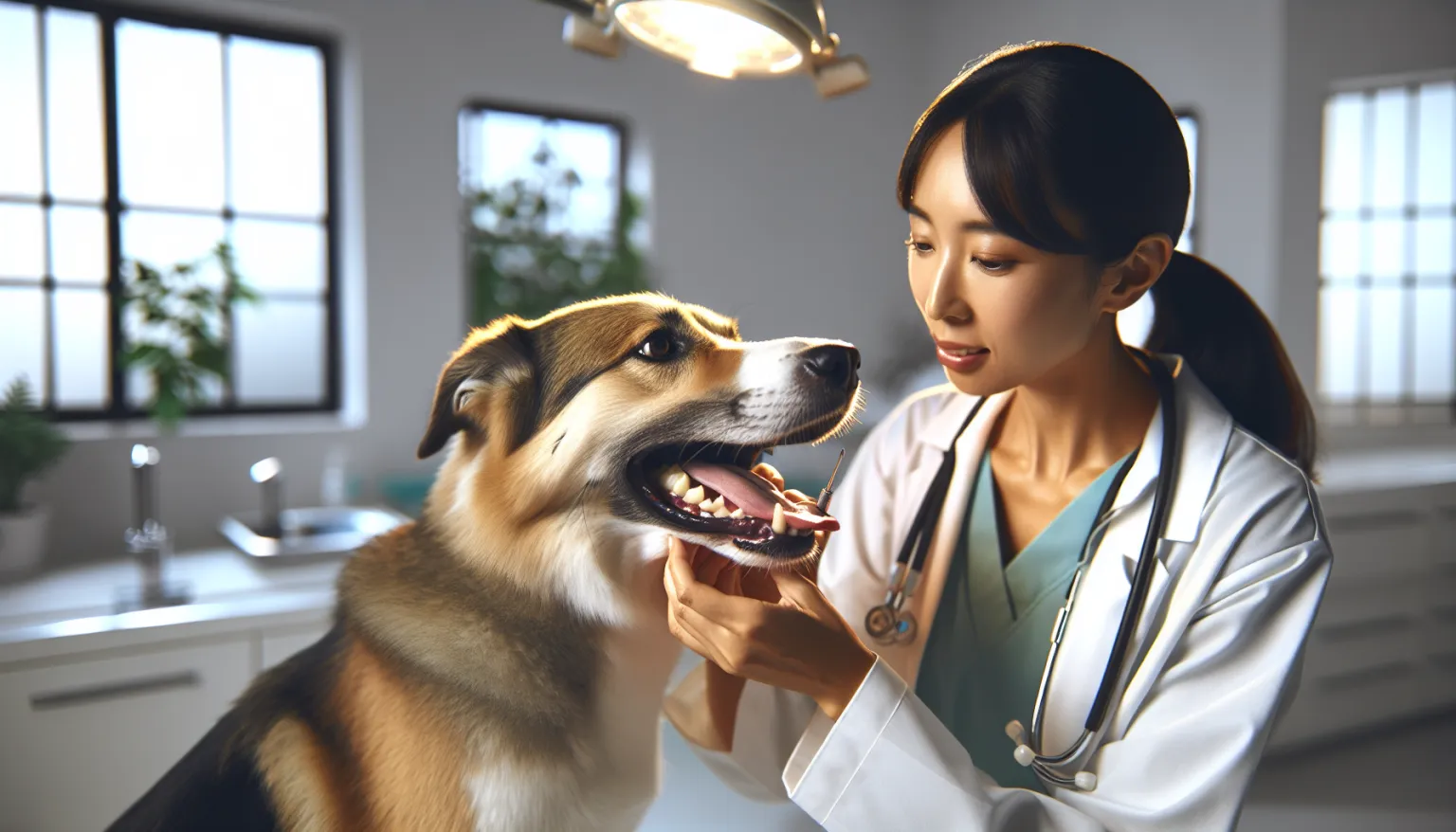
Small breeds develop dental disease at substantially higher rates than larger breeds. Both Dachshunds and small Poodles are predisposed, and the Doxiepoo inherits this vulnerability fully. In a compact jaw, teeth crowd together, trapping food and bacteria and accelerating plaque buildup and periodontal progression.
The systemic consequences of chronic dental disease (kidney, liver, and cardiac damage from sustained bacteremia) make this more than a cosmetic concern. Daily brushing with enzymatic toothpaste, combined with professional dental cleanings under anesthesia as recommended by your veterinarian, protects both oral and overall health.
See Dental Health Nutrition Protocol and Dental Disease and Longevity in Dogs for evidence-based management strategies.
Luxating Patella
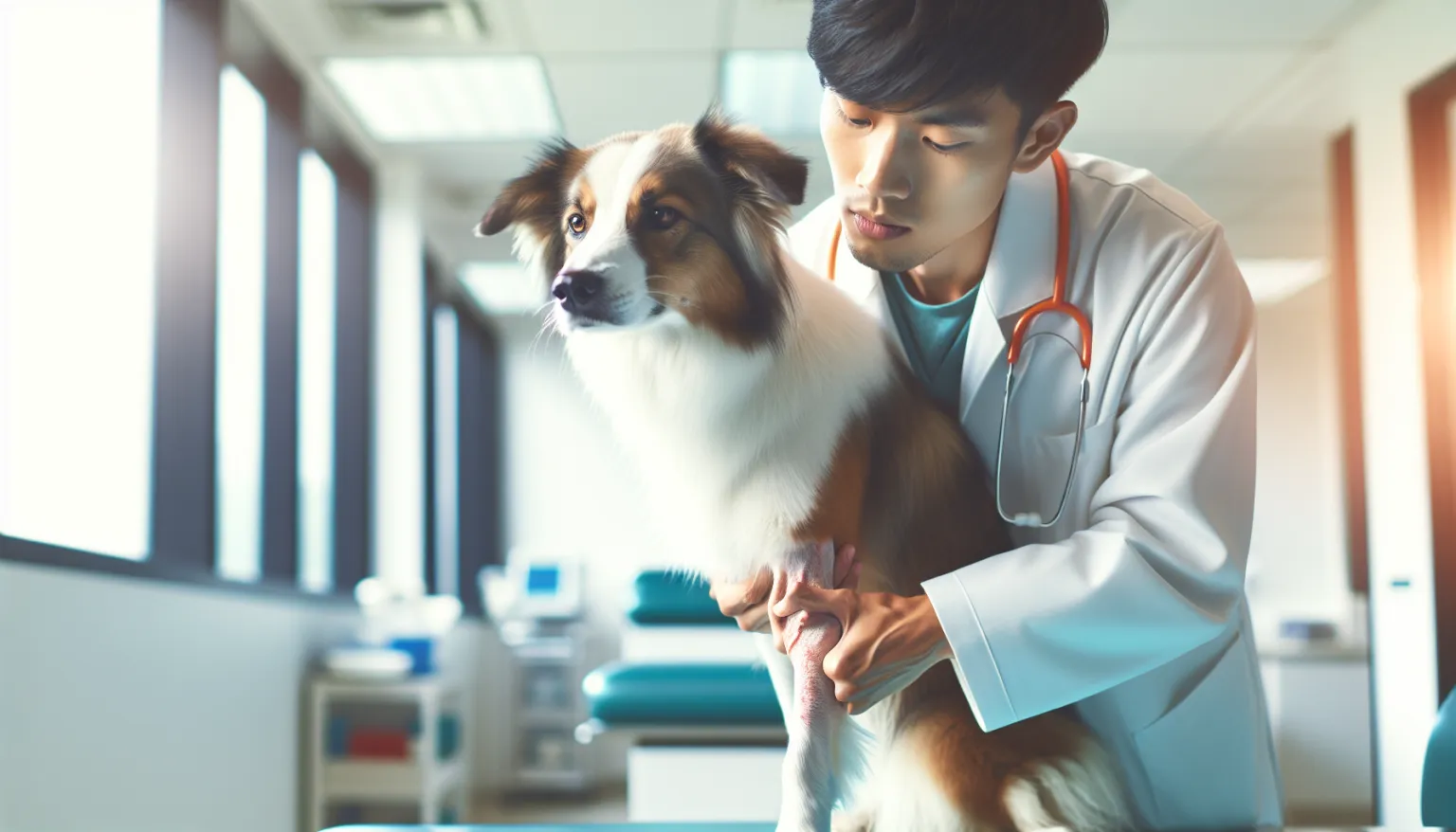
Luxating patella is common in small breeds, and both parent lines contribute predisposition. The kneecap sliding out of its groove causes intermittent rear-limb lameness that, if left untreated at higher grades, erodes cartilage and leads to secondary arthritis.
In a Doxiepoo already managing spinal vulnerability, patellar luxation adds a second musculoskeletal concern that makes weight management even more critical. Lean body condition protects both the spine and the knees simultaneously.
Seizures and Epilepsy
Both Dachshunds and Poodles appear on idiopathic epilepsy risk lists. Seizures can present as generalized tonic-clonic episodes (convulsions with loss of consciousness) or focal events (twitching, staring, abnormal behavior). Idiopathic epilepsy typically manifests between ages 1 and 5.
If your Doxiepoo has a seizure, document the event: time, duration, behavior during and after, any known triggers. Single brief seizures (under 2 minutes) may not require immediate emergency treatment but should be reported to your veterinarian. Cluster seizures (multiple events within 24 hours) or status epilepticus (a seizure lasting more than 5 minutes) are emergencies.
See Seizure Medication Monitoring for Dogs for evidence-based management protocols if anticonvulsant therapy is initiated.
Ear Infections
The Poodle contributes floppy, hair-filled ear canals predisposed to ear infections. Weekly cleaning with a veterinary-approved cleanser, ear canal hair removal during professional grooming, and thorough drying after water exposure form the prevention triad. Prompt treatment of active infections with the full prescribed course prevents resistant recurrences.
Nutrition for the Doxiepoo Frame
The Doxiepoo’s nutritional management revolves around one principle: keep the body lean to protect the spine. This is the single most impactful dietary intervention for this cross.
Use Feeding Guide for Small Breeds for dogs in the 12-25 lb range or Feeding Guide for Toy Breeds for smaller Doxiepoos. Measured meals twice daily, with treats capped at 10% of daily caloric intake. Monthly body condition scoring with rib palpation keeps feeding precisely calibrated.
Omega-3 supplementation at approximately 75 mg EPA+DHA per kg of body weight supports skin health, reduces systemic inflammation, and may provide modest neuroprotective benefit relevant to both spinal and seizure management.
For Doxiepoos with diagnosed IVDD, discuss with your veterinarian whether a joint supplement protocol including glucosamine and chondroitin may support disc and cartilage health.
Exercise: The Spinal Equation
Exercise for the Doxiepoo requires balancing the dog’s genuine need for physical activity against its spinal vulnerability. The answer is not to restrict exercise. It is to select the right kind.
Ideal activities:
- Walking on flat terrain at a moderate pace (30-45 minutes daily)
- Controlled indoor play on carpeted surfaces
- Scent work and tracking games (mental stimulation without spinal stress)
- Short training sessions incorporating tricks and problem-solving
Activities to avoid or minimize:
- Jumping on and off furniture (use ramps)
- Running up and down stairs
- Rough play with larger dogs that could involve twisting or impact
- Extended sessions of ball-chasing with sudden stops and direction changes
Swimming can be excellent exercise for Doxiepoos, as it provides cardiovascular conditioning without compressive spinal loading. However, supervise closely and ensure the dog can enter and exit the water without jumping.
Preventive Screening Timeline
- Puppy to 12 months: Patellar luxation check at each puppy visit. Establish dental care routine. Spinal palpation at wellness visits. Install ramps at all furniture.
- 1 to 5 years: Annual wellness exam with patellar palpation, eye exam, spinal assessment, cardiac auscultation, dental evaluation, and body condition scoring. Baseline bloodwork by age 3.
- 5 to 10 years: Continue annual screening. Add senior bloodwork at age 7. Increase attention to spinal health as disc degeneration risk rises with age. Monitor seizure activity if any history.
- 10+ years: Twice-yearly exams. Comprehensive senior panel. Mobility and pain assessment. Cognitive function screening. Dental cleaning frequency based on individual needs.
Breed-Specific Research
These resources provide deeper context for Doxiepoo health management:
- Dental Disease and Longevity in Dogs: why oral health is a longevity intervention.
- Seizure Medication Monitoring for Dogs: evidence-based anticonvulsant management.
- Eye Health Screening Frequency by Breed: ophthalmic surveillance for PRA-susceptible breeds.
Condition-Specific Monitoring Triggers
These signals should prompt veterinary evaluation rather than continued observation:
- IVDD: Sudden yelping during movement, reluctance to lower head, arched back, hind-limb weakness, knuckling, dragging rear paws, or inability to walk. Emergency if paralysis is present.
- Progressive Retinal Atrophy: Bumping into objects in dim light, dilated pupils, hesitation in unfamiliar spaces, or reluctance to navigate stairs at night.
- Dental Disease: Bad breath, red or bleeding gums, reluctance to eat hard food, pawing at the mouth, loose teeth.
- Luxating Patella: Skipping steps on a rear leg, intermittent lameness, reluctance to jump.
- Seizures/Epilepsy: Any seizure event, changes in seizure frequency or duration if already diagnosed, or post-ictal disorientation lasting more than 30 minutes.
- Ear Infections: Head shaking, odor from ear canals, dark discharge, scratching at ears, or head tilt.
12-Month Longevity Execution Plan
Quarter 1: Spine-First Baseline
- Audit your home for spinal risk: install ramps at all furniture, eliminate unsupervised access to stairs
- Document weight, body condition score, and gait quality
- Complete patellar luxation check and spinal palpation
- Establish daily dental care routine
- Set feeding protocol with measured meals and strict treat budget
Quarter 2: Compliance and Pattern Tracking
- Compare weight and BCS against Q1 baseline; adjust feeding if drifting
- Monitor for any gait changes, back pain, or limping
- Audit dental care compliance
- Track any seizure activity (timing, duration, behavior)
Quarter 3: Midyear Reassessment
- Eye health review: annual ophthalmic exam
- Ear health audit: infection frequency, cleaning compliance
- Spinal reassessment: any new pain, stiffness, or neurological signs?
- Evaluate exercise protocol: appropriate for current musculoskeletal status?
Quarter 4: Annual Review and Forward Planning
- Comprehensive wellness exam with full bloodwork
- Professional dental cleaning as indicated
- Year-end patellar, spinal, and eye assessment
- Use full-year data to refine next year’s screening priorities
When to Seek Emergency Care
Do not wait on any of the following:
- Sudden hind-limb weakness or paralysis (potential acute disc herniation requiring emergency surgery)
- Severe back pain with inability to move or rigid posture
- Seizure lasting more than 5 minutes or multiple seizures within 24 hours
- Sudden collapse or loss of consciousness
- Acute eye pain (squinting, eye held shut, pawing at the eye)
- Labored breathing with blue-tinged gums
- Complete food refusal lasting more than 24 hours with concurrent lethargy
Home Tracking Dashboard
Monitor these markers monthly to catch drift before it becomes crisis:
- Weight and body condition score with rib palpation
- Gait quality: any hesitation, skipping, or stiffness, particularly in rear limbs
- Back posture: any arching, flinching when touched along the spine, or reluctance to look up or down
- Dental health: gum color, breath quality, willingness to chew
- Eye clarity and navigational confidence in dim conditions
- Ear health: odor, discharge, head shaking frequency
- Seizure log (if applicable): date, time, duration, recovery
- Energy level and behavioral consistency
Frequently Asked Questions
How long do Doxiepoos typically live? Doxiepoos average 12-16 years, reflecting the strong longevity genetics of both the Dachshund and the Poodle. Reaching the upper end of this range requires proactive spinal management, weight control, and consistent dental care.
Will my Doxiepoo definitely get IVDD? Not every Doxiepoo develops clinical IVDD, but all carry elevated risk due to the Dachshund parent’s spinal architecture. Even Doxiepoos with less extreme body proportions should follow spinal protection protocols (ramps, weight management, controlled exercise) as a precaution.
Can a Doxiepoo with IVDD still live a good life? Yes. Many dogs with IVDD, including those who have undergone surgery, return to comfortable, active lives with appropriate management. The key is rapid intervention when acute signs appear (especially paralysis) and lifelong adherence to spinal protection measures.
Is it true that keeping my Doxiepoo lean protects its spine? Yes. Excess body weight increases compressive force on the intervertebral discs with every movement. The Purina Lifetime Study demonstrated that lean body condition delays the onset of musculoskeletal disease by nearly two years in dogs, and this finding applies directly to spinal load in Dachshund crosses.
Should my Doxiepoo use stairs? Minimize stair use, especially at speed. Carry smaller Doxiepoos up and down stairs when practical, and gate off stairways to prevent unsupervised access. For furniture, ramps are strongly preferable to jumping or climbing.
What should I do if my Doxiepoo has a seizure? Stay calm. Do not restrain the dog or put anything in its mouth. Time the seizure. Move nearby objects that could cause injury. If the seizure lasts longer than 5 minutes, or if multiple seizures occur within 24 hours, go to an emergency veterinary hospital. Report any seizure to your regular veterinarian for evaluation and possible anticonvulsant therapy.
How often should a Doxiepoo have dental cleanings? Professional dental cleaning frequency depends on individual progression, but many small breeds benefit from annual cleanings starting at age 2-3. Daily brushing at home between cleanings is the most impactful preventive measure.
References
[1] Life expectancy, mortality, and longevity in companion dogs (Scientific Reports, 2024) [2] Prevalence of inherited disorders among mixed-breed and purebred dogs (Bellumori et al., JAVMA, 2013) [3] Effects of Diet Restriction on Life Span and Age-Related Changes in Dogs (Kealy et al., 2002) [4] Intervertebral Disc Disease in Dogs (ACVS) [5] Orthopedic Foundation for Animals (OFA) [6] Merck Veterinary Manual [7] AAHA Canine Life Stage Guidelines
This content is for informational purposes only and does not constitute veterinary advice. Always consult a licensed veterinarian for decisions about your dog’s health, diagnosis, and treatment.
Related reads
Related Reading
Continue exploring